


Rod stiffness is what decides reach
A push rod camera is driven along the pipe by a semi rigid fibreglass rod, and the stiffness of that rod governs how far it goes. Too soft and the rod buckles and coils inside the pipe instead of advancing, so pushing harder achieves nothing. Too stiff and it will not follow a bend.
That is why rod diameter is matched to pipe size rather than simply bought as long as possible. A heavy rod intended for large diameter pipe is unusable in domestic drains, and a light rod meant for small bore will not reach far in a main.
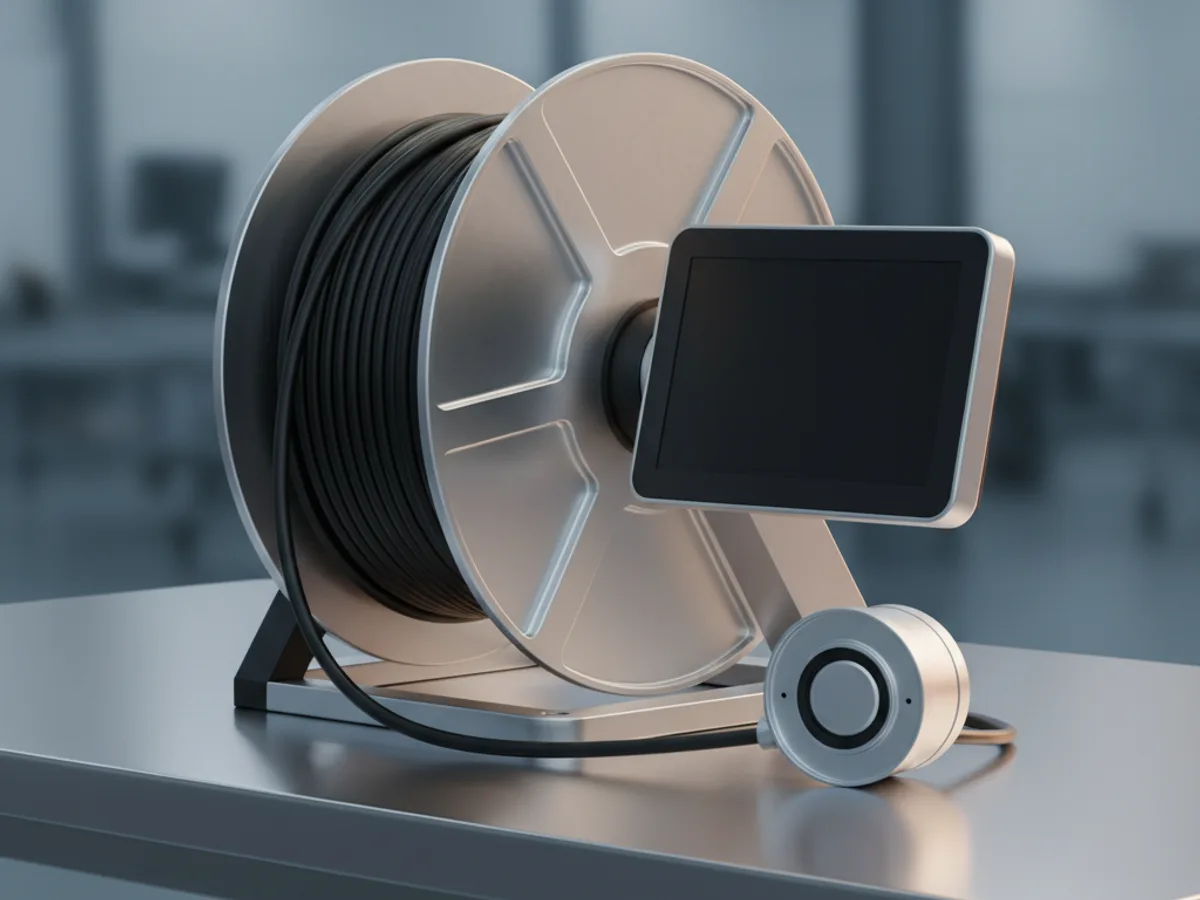
Reel design matters more than it looks. A rod that feeds smoothly off a well designed drum pushes further than the same rod fighting a badly wound coil, and a rod stored kinked develops permanent bends that catch at every joint.
| Pipe | System | Note |
|---|---|---|
| Domestic waste, 40 to 110 mm | Small head on a light rod | Must turn tight bends |
| Household drains, 100 to 150 mm | Standard push rod set | The common survey tool |
| Large diameter and long runs | Crawler unit | Push rod runs out of reach |
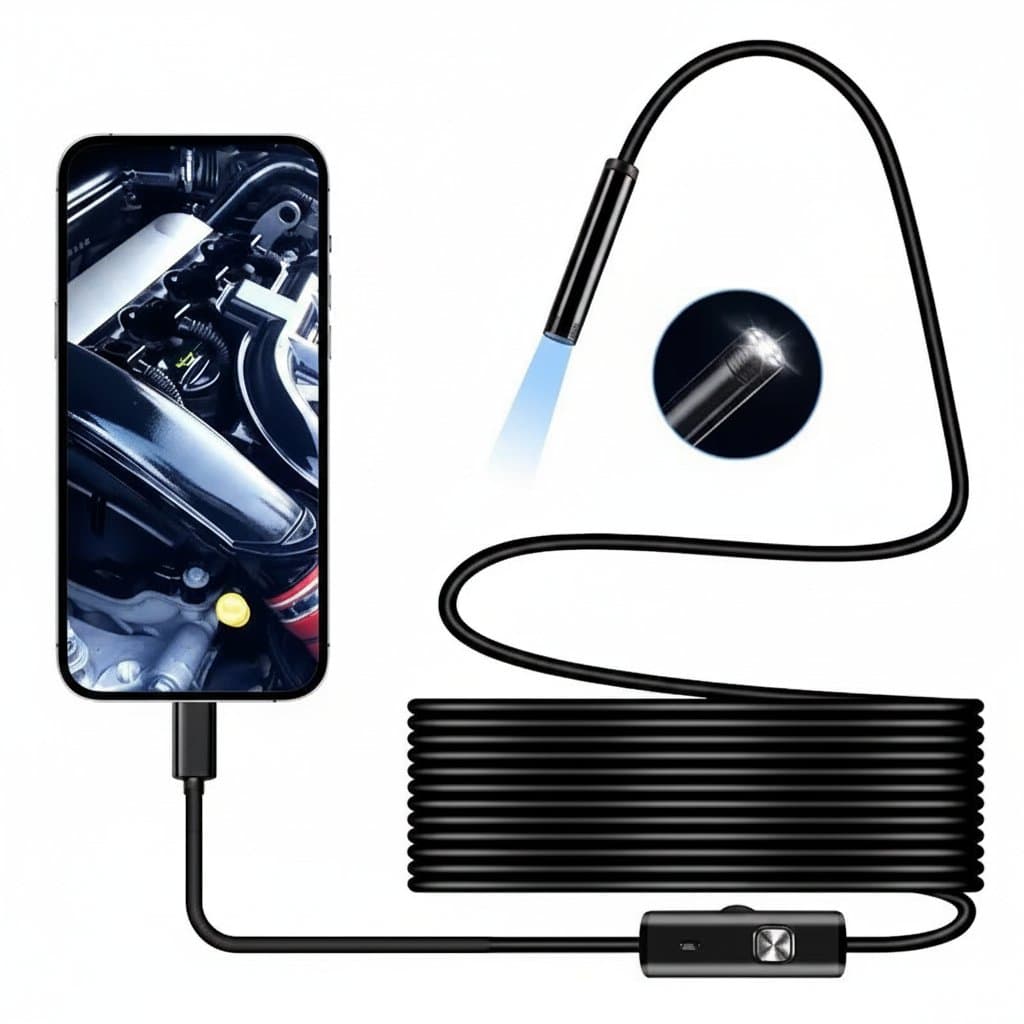
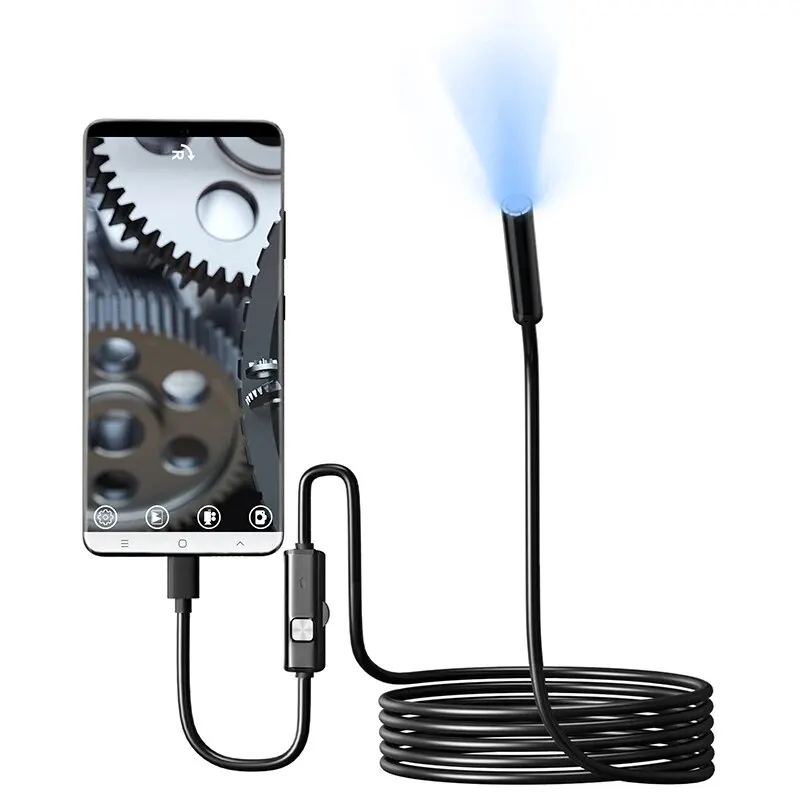
| Engines and cavities | Borescope | Short, flexible, a different tool |
Sonde and locator, the half people skip
A sonde is a small transmitter built into the camera head that radiates a signal through the ground, commonly at 512 hertz. A locator on the surface picks it up, and the operator marks the position and reads the depth.
That converts a recording into an instruction. Instead of knowing there is a displaced joint somewhere along the run, you know it is under a specific paving slab at a particular depth, which is the difference between excavating a metre of ground and excavating a garden.
The metreage counter on the reel supports this by giving the distance along the pipe to the defect, which cross checks the surface mark. Both together, plus a note of which chamber the survey started from, produce a report someone can actually work from.
Getting a picture worth looking at
Clean the pipe before surveying it. Pushing a camera through standing water and grease produces a smeared lens and a recording that shows nothing, and the time spent jetting first is recovered immediately in a usable survey.
A self levelling head keeps the image upright as the rod twists, which sounds cosmetic and is not. It is how you tell whether a crack is at the crown or the invert of the pipe, and that distinction changes the diagnosis.
Lighting is usually a ring of light emitting diodes around the lens, and adjustable brightness matters because a bright head in a small pipe washes the image out entirely. Check the ingress protection rating of both head and rod, since these live in wet sewage, and that the head diameter suits the smallest pipe you intend to enter.
Recording, coding and knowing the limits
Record everything. A survey that exists only as something the operator saw is worth far less than a file with distances, a commentary and stills of each defect, particularly where the recording supports an insurance claim or a dispute with a neighbour or a developer.
Formal drainage reports use a standardised condition coding system so that defects are described consistently rather than in each surveyor own words. If a report is going to a third party, matching that convention makes it usable; if it is for your own records, clear plain notes and photographs are enough.
Know what the tool cannot do. A camera shows the inside surface and nothing behind it, so it will not reveal a void around a pipe, and it cannot pass a full blockage or a collapse. A camera that will not go further has told you something important, and the answer is to clear or excavate rather than to push harder and risk losing the head.