


Belt size decides what you can buy for it
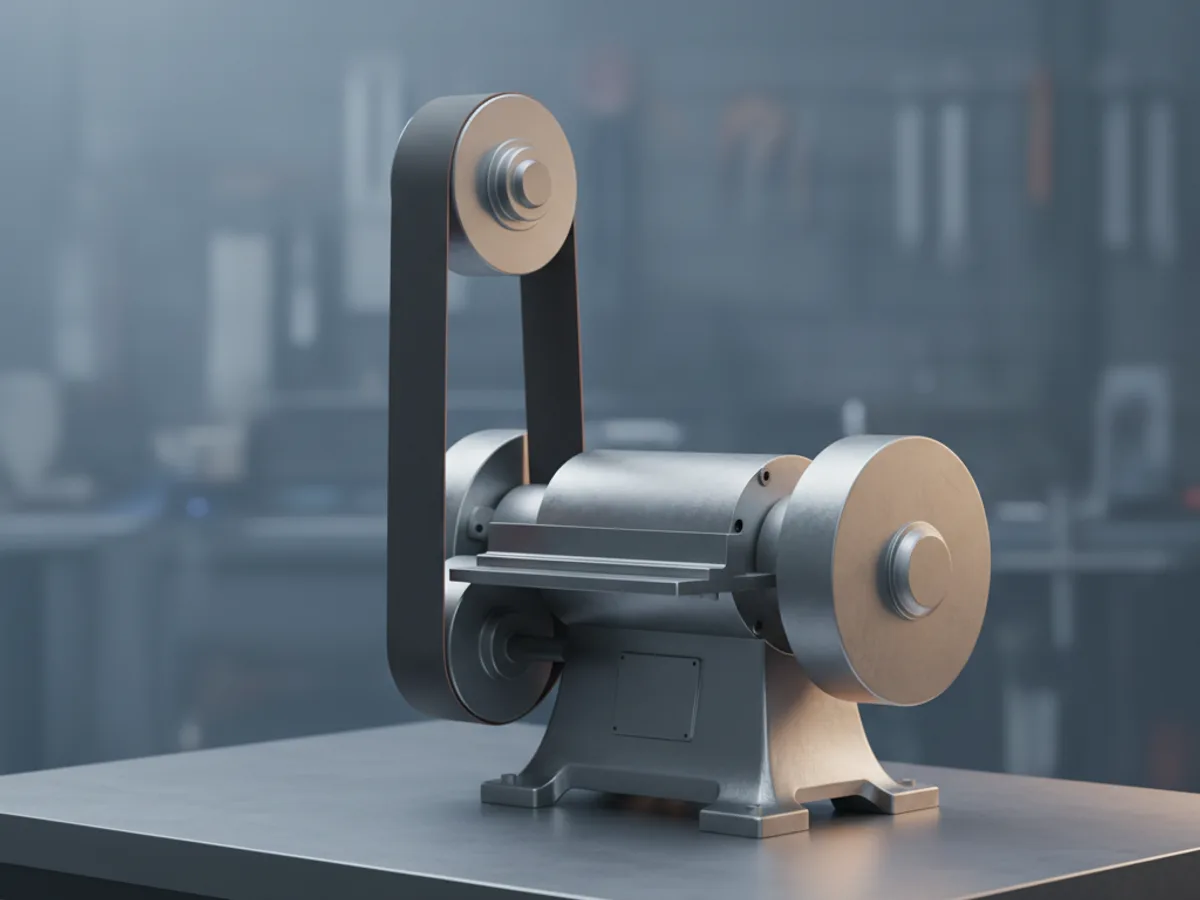
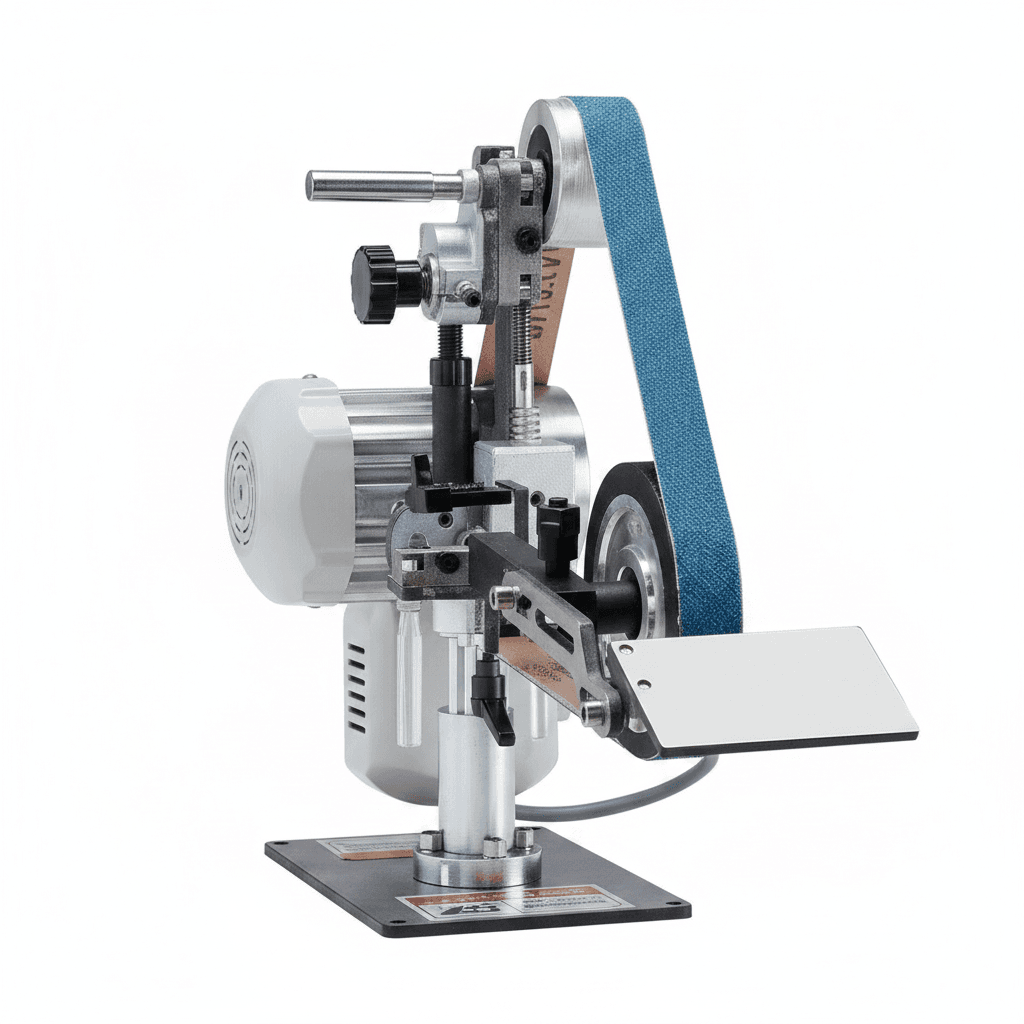
Two inches wide by seventy two inches long has become the standard belt in metalworking and knife making, and the consequence is supply. Every abrasive maker produces that size in every grit and every backing, competition keeps the price sensible, and a machine that takes it will always have belts available.
Machines built around an unusual belt length are a different proposition. The grinder may be excellent and every belt for it is a specialist order at a specialist price, which is a running cost that outlasts the saving on the machine.
Length also affects how the machine works. A longer belt carries heat away from the workpiece between passes and lasts longer because the abrasive is spread over more surface, which is part of why the long standard size became the standard rather than a shorter one.
| Surface | Produces | Used for |
|---|---|---|
| Flat platen | A flat ground surface | Flat bevels, squaring stock |
| Contact wheel | A hollow curve | Hollow grinds, fast removal |
| Slack belt, unsupported | A convex curve | Blending and finishing |
| Small wheel attachment | Tight internal curves | Finger choils and detail |
Heat ruins hardened steel before it glows
Hardened steel loses its hardness when it is heated past the temperature it was tempered at, and that point is far below visible red. A blade edge that turns straw coloured or blue has already been softened, and no amount of subsequent grinding restores it because the change is in the steel rather than on the surface.
Thin sections heat fastest, so the last part of a grind, where the edge is thinnest, is exactly where the damage happens. The controls are a sharp belt, light pressure, keeping the work moving, and quenching frequently in water on hardened stock.
Variable speed through a frequency drive is the feature that helps most. Slower belt speeds put in less heat, which suits stainless, thin sections and finishing, while full speed suits removing a lot of material from soft stock. A single speed machine is doing everything at the speed chosen for hogging.
Belt material matters more than grit
Aluminium oxide belts are cheap and adequate for mild steel and general work, and they dull quickly on anything hard. Zirconia cuts faster and lasts considerably longer, and ceramic belts fracture as they wear so they keep presenting fresh sharp grain, which is what removes metal fastest on hardened stock.
A worn belt is the reason most people think their grinder is slow. A ceramic belt used with firm pressure lasts and works; the same belt used gently glazes, because it needs enough pressure to keep fracturing the grain. Belts are consumable and running a dull one puts heat into the work instead of metal into the extraction.
Progress through grits without skipping. Each grit has to remove the scratches left by the last one, and jumping two steps leaves deep scratches that only show up at the polishing stage, by which point the work to remove them is considerable.
Tracking, sparks and gloves
The belt is held central by a crowned wheel and a tracking adjustment, and a belt that keeps running off is telling you the tracking is out, a wheel is worn, or the belt has been damaged along one edge. Adjust it with the machine running and the guard in place, using the tracking control rather than a hand near the belt.
Grinding steel throws a continuous stream of hot sparks and produces fine metal dust that settles everywhere. Both are ignition sources, so keep solvents, rags and combustible waste well away, and be aware that a bin of steel grinding dust can be a fire risk in itself. Never grind magnesium or magnesium alloys on a machine used for steel.
Do not wear gloves at a belt grinder. A moving abrasive belt catches loose material and pulls it, and the hand follows, exactly as at a lathe or a pedestal drill. Eye protection is essential, extraction or a downdraft is strongly advisable, and long sleeves and jewellery come off before the machine starts.