
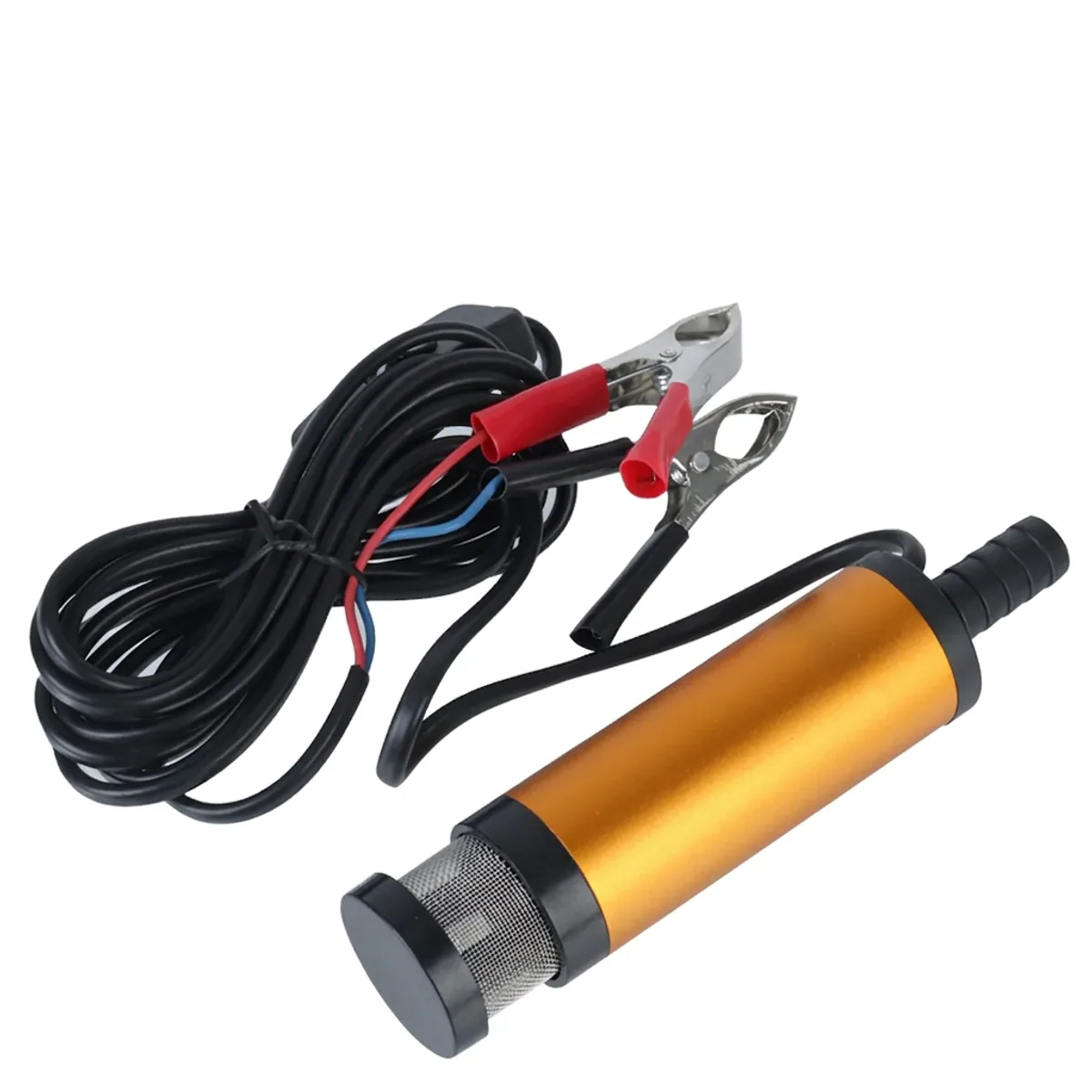
Diesel & Fuel Transfer Pumps
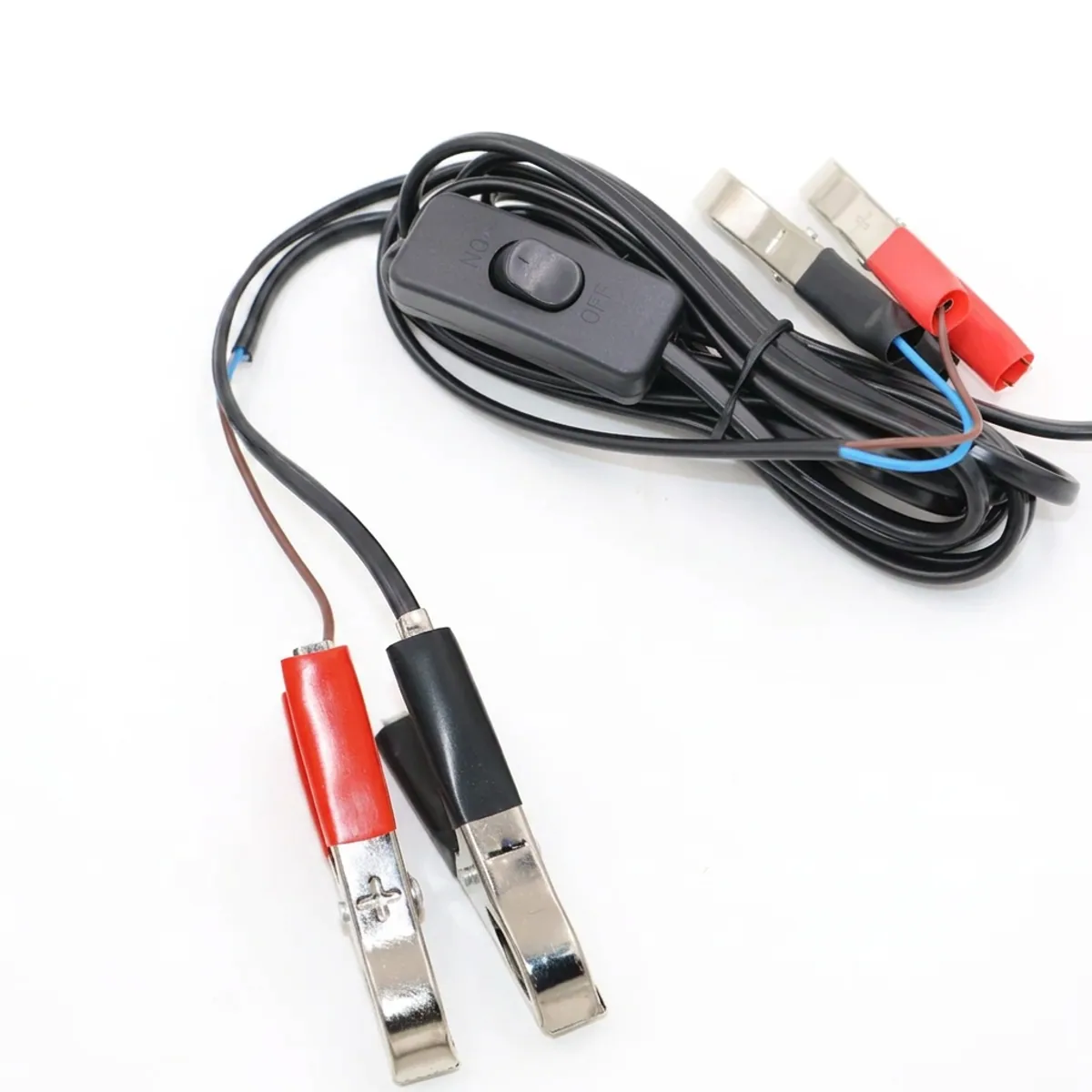
Transfer Pump 12L/min | In-Line Power Switch | 12V Marine Truck Diesel Water
TBS-06801PUMP-00026
£56.99
34 products available
A fuel transfer pump moves diesel, light oils, and non-potable fluids efficiently between storage drums, mobile bowsers, and equipment tanks. Compel supplies commercial operations, fleet workshops, and plant maintenance teams with reliable fluid handling equipment built for daily yard and field duty. Our inventory covers compact inline 12V fuel transfer pump assemblies, high-output submersible units, and mains-capable transfer equipment.
Whether you need a dedicated 12v diesel transfer pump for service utes or high-volume 24V units for earthmoving plant, we stock configurations tailored to industrial throughput. Every diesel pump is backed by documented technical specifications and prompt international logistics to keep your fleet running without downtime.
34 products in Diesel & Fuel Transfer Pumps
Diesel & Fuel Transfer Pumps
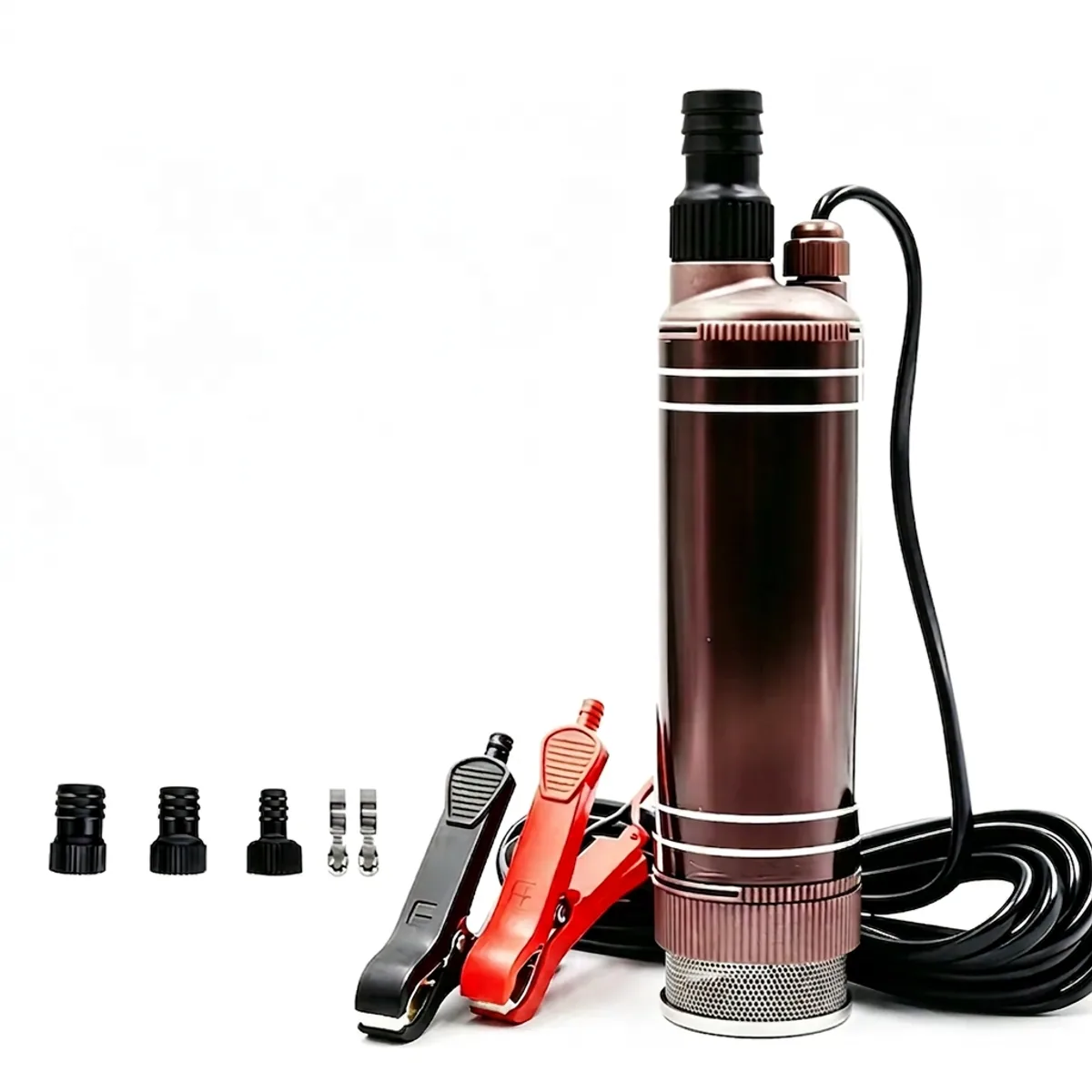
Diesel & Fuel Transfer Pumps
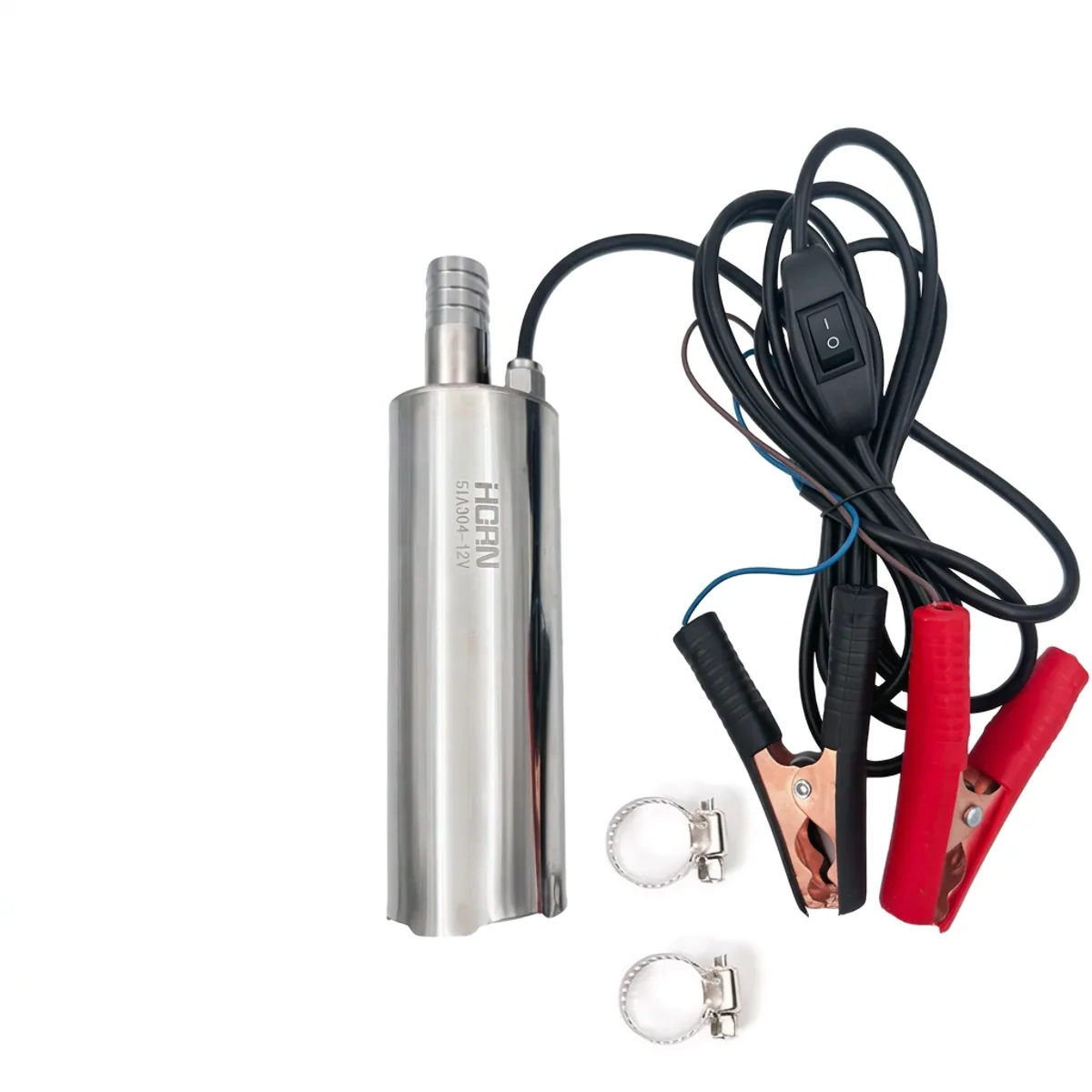
Diesel & Fuel Transfer Pumps
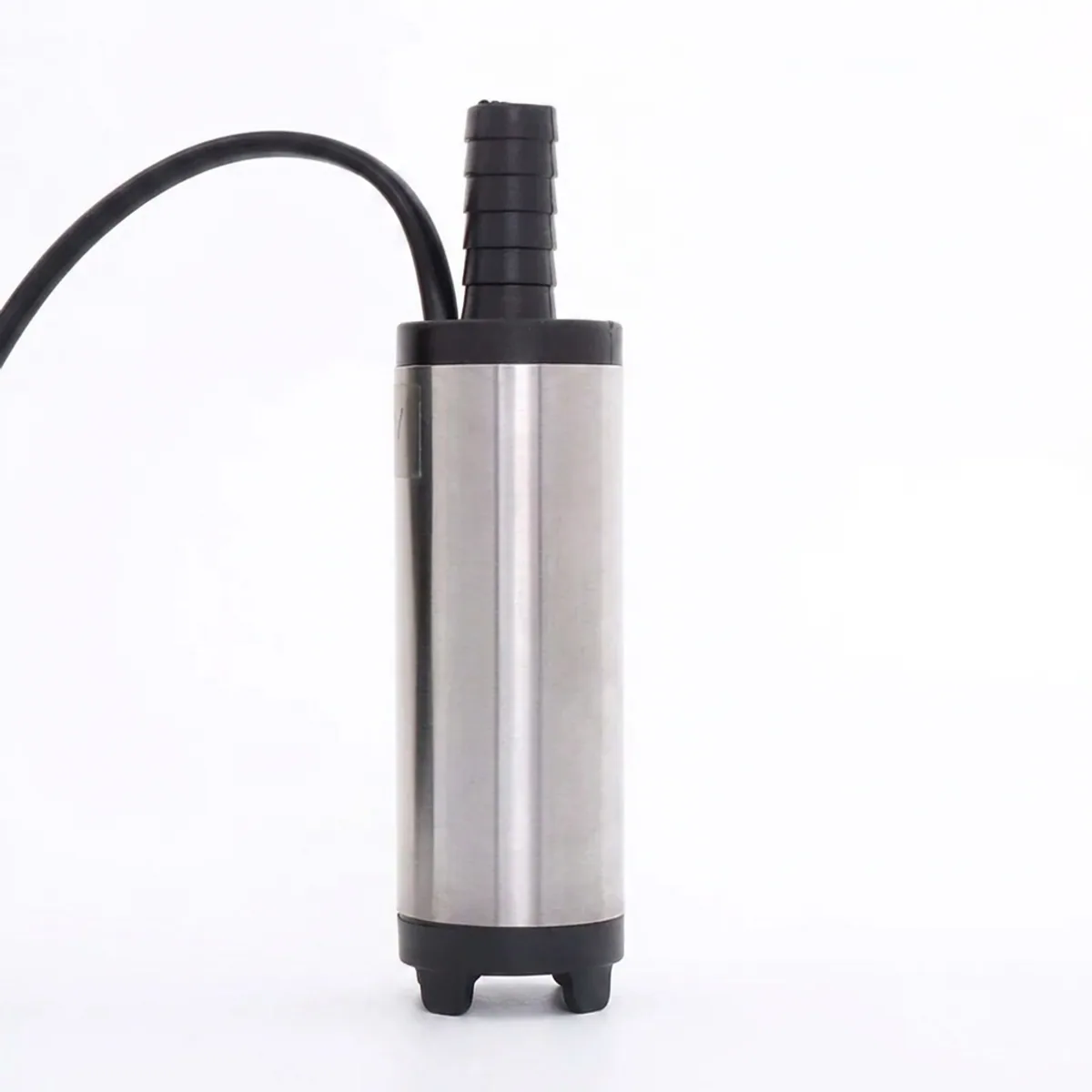
Diesel & Fuel Transfer Pumps
Diesel & Fuel Transfer Pumps
 Out of stock
Diesel & Fuel Transfer Pumps
Showing page 2 of 2 (34 products)
Transfer volume dictates the required pump capacity and motor size. Light-duty top-ups and barrel emptying typically need compact pumps delivering 5 L/min to 12 L/min (roughly 3.2 GPM), drawing minimal current with motors around 25W to 130W. These units handle targeted fluid shifts without splashing or overflowing small sumps.
Bulk dispensing into heavy vehicles, site generators, or machinery day-tanks requires higher delivery speeds. Units delivering 30 L/min, 45 L/min, or up to 60 L/min cut refueling times on busy sites. Motors for high-capacity applications range from 150W up to 990W, maintaining flow velocity even through long delivery hoses.
Power access at the transfer point determines your pump drive mechanism. For mobile service vehicles and roadside machinery refueling, a DC electric diesel transfer pump connects directly to vehicle electrics. Dual-voltage 12V / 24V DC models provide flexibility across mixed fleets of light commercial trucks and 24V heavy excavators.
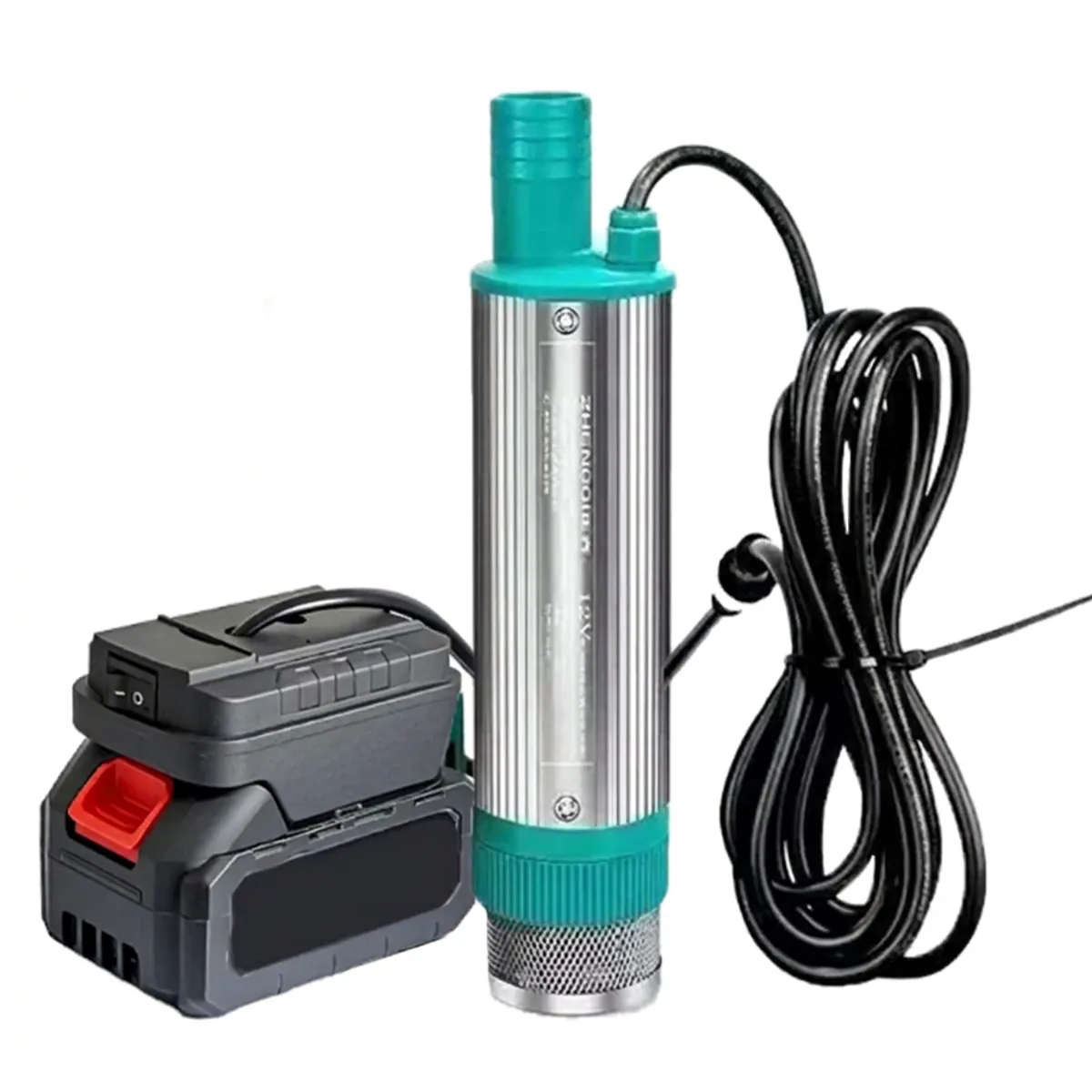
Stationary maintenance bays benefit from hybrid DC/AC units or dedicated 220V AC motors for continuous operation without draining vehicle batteries. Cordless operations can utilize rechargeable battery options, including models compatible with standard 18V tool battery platforms, eliminating trailing cables around machinery tracks.
Pump longevity depends on matching the housing metal and internal seals to your target media. Submersible transfer pumps feature stainless steel or aluminum alloy shells to withstand corrosion, abrasive grime, and continuous fluid immersion. Stainless steel bodies offer high resistance when cycling between diesel, kerosene, and water.
Media compatibility varies significantly across models. Most pumps in our catalog handle diesel, kerosene, light oils, and clean or sewage water. Standard diesel units must never be used with petrol or solvents unless the product listing explicitly verifies gasoline compatibility. Check specific product specifications for chemical and viscosity tolerances.
Buying guide
We use cookies. Some keep the store working, others show us what to fix. No third-party trackers, and we never sell your data. Learn more about cookies and your privacy