
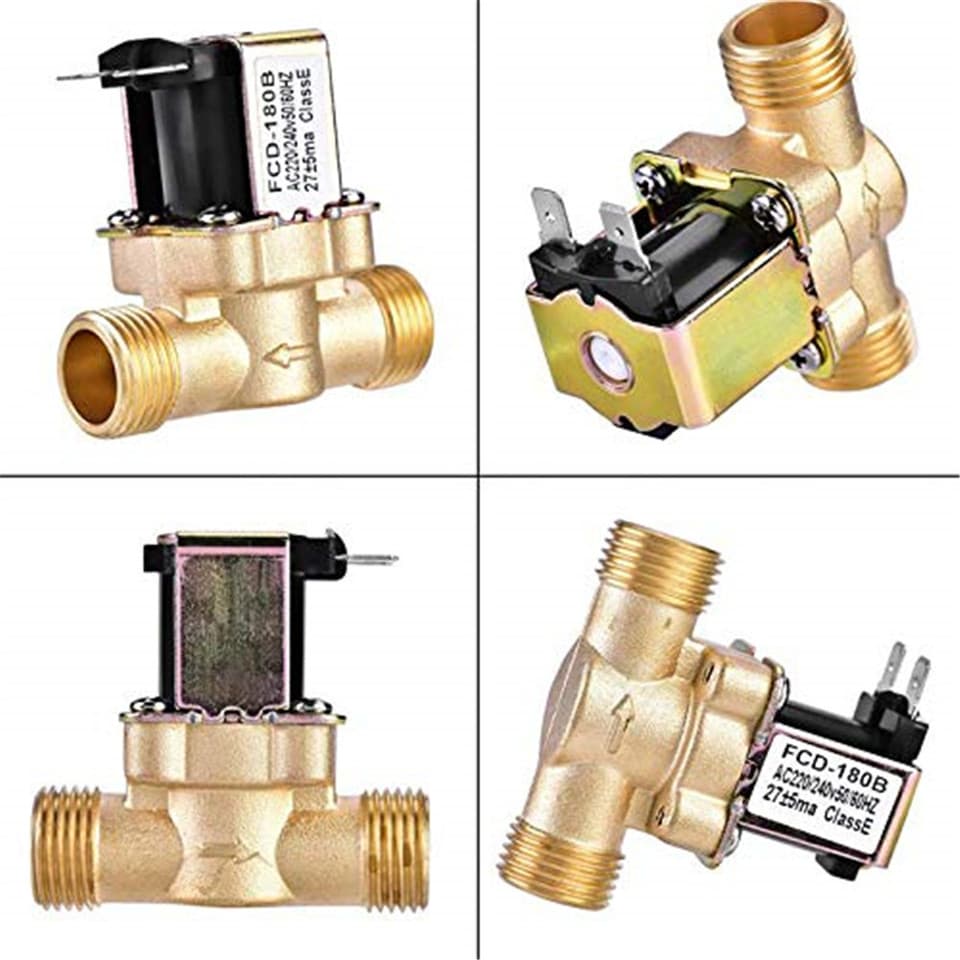
Solenoid Valves
Solenoid Valve | Normally Closed Brass Body | 12V 24V 220V Water Air
CMP-04535SOLE-00001
£48.99
3 products available
Solenoid valves are electromechanical components used to automate the control of fluid and gas flow in machinery and industrial systems. These electric solenoid valves use a coil to generate a magnetic field, which operates a plunger to open or close the valve. They are fundamental for MRO tasks and new equipment builds in applications requiring reliable, automated flow control.
Compel stocks a focused selection of industrial solenoid valves for common applications. Our range centers on normally closed (NC), 2-way solenoid valves with brass, alloy, or plastic bodies. We carry standard port sizes including 1/4, 1/2, and 3/4 inch, and support common control voltages like 12V DC, 24V DC, and 220V AC. We provide dependable, standard-configuration valves for immediate dispatch to trade and industry customers.
3 products in Solenoid Valves
Solenoid Valves
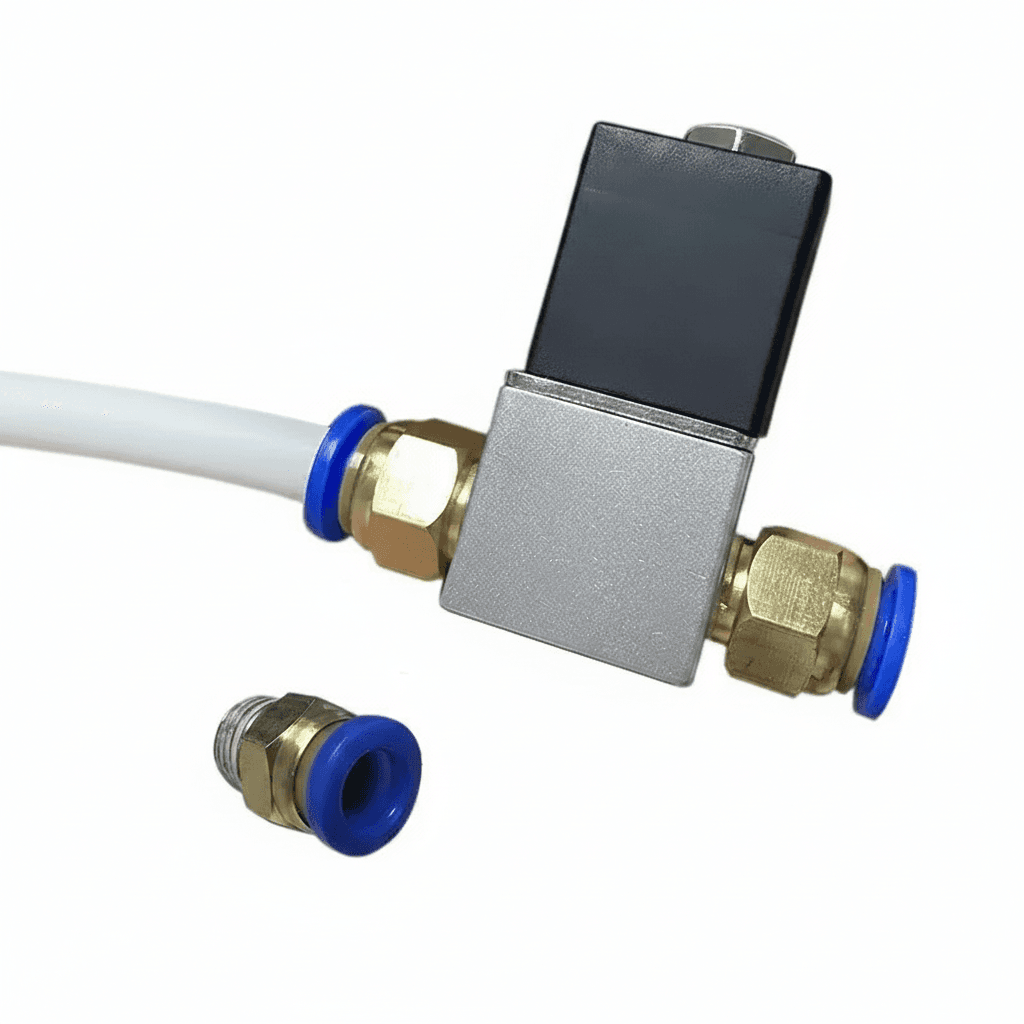
Solenoid Valves
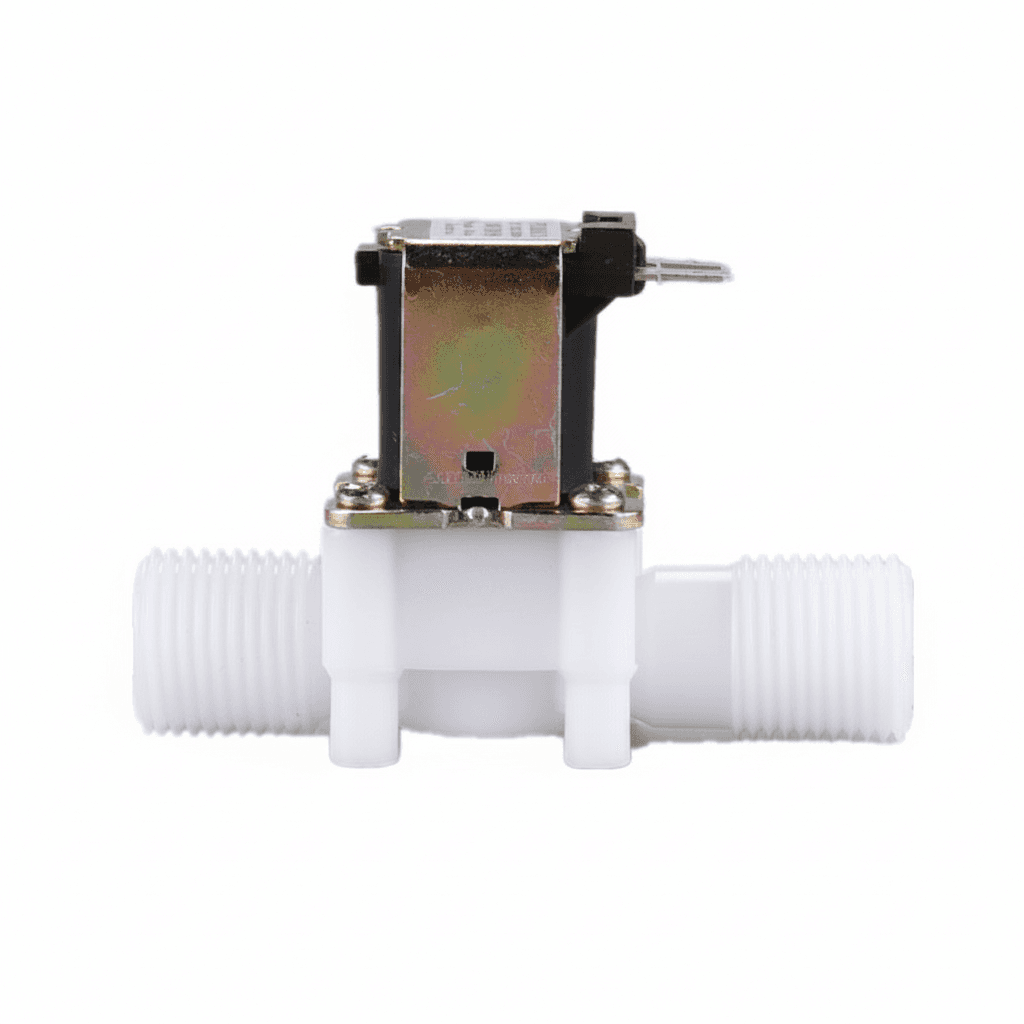
Solenoid Valves
Understanding the valve's default state and flow path is the first step. The most common type, and our primary offering, is the normally closed (NC) valve. An NC valve remains shut when no power is applied, preventing flow. When the coil is energized, the valve opens. This fail-safe design is suitable for applications where flow must stop during a power outage.
Our valves are 2-way, meaning they have two ports: an inlet and an outlet. They function as a simple on/off switch for the fluid or gas line. While 3-way solenoid valves exist to divert flow between ports, the 2-way configuration is the standard for most isolation and control tasks.
The valve's body material must be compatible with the media it will control to prevent corrosion and ensure a long service life. The choice between brass, plastic, or alloy depends on the fluid type, pressure, and operating environment.
For pneumatic solenoid valves controlling air or for general water applications, any of our materials are suitable. For hydraulic solenoid valves or lines carrying oil, a metal body is required.
To ensure proper flow and simple installation, the valve's port size must match your pipe or tube diameter. Our selection covers the most common sizes for industrial machinery: 1/4 inch, 1/2 inch (G1/2''), and 3/4 inch (G3/4''). Choosing the correct size avoids flow restriction and the need for extra fittings.
The valve's coil voltage must match your control system's power supply. We offer valves for standard AC and DC voltages. DC options (12V, 24V) are typical for mobile equipment or PLC-controlled systems, while AC options (110V, 220V) are used for machinery powered directly from the mains.
Buying guide
We use cookies. Some keep the store working, others show us what to fix. No third-party trackers, and we never sell your data. Learn more about cookies and your privacy