
 Out of stock
Automation & Sensors
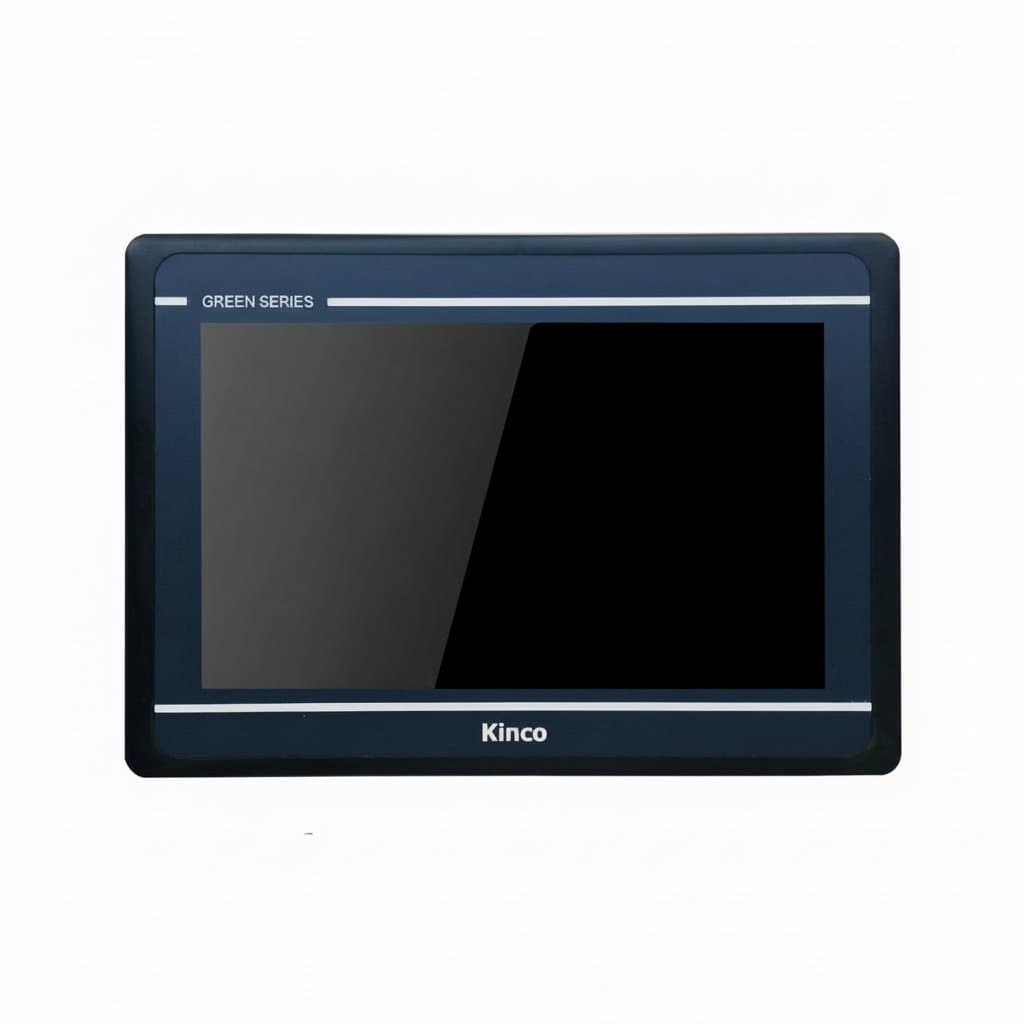
10.1 HMI Touch Screen | Ethernet & USB Host | Industrial-Grade Human Machine Interface
TBS-00929AUTO-00014
£291.99
58 products available
Looking for reliable automation components and industrial sensors for machinery integration? Compel supplies industrial-grade control, feedback, and measurement devices built for factory floor environments. Our inventory serves system integrators, maintenance engineers, and machine builders who require precise control over physical processes. We stock everything from human-machine interfaces to discrete detection components.
By sourcing from Compel, you secure components with verified electrical ratings, standardized mounting options, and rugged environmental protection. We help you minimize machine downtime with reliable, off-the-shelf automation hardware ready for immediate dispatch.
58 products in Automation & Sensors
Out of stockAutomation & Sensors
 Out of stock
Automation & Sensors
Showing page 3 of 3 (58 products)
Your choice of sensing technology depends directly on the target material and environmental conditions. Inductive proximity sensors detect ferrous metals without physical contact, making them ideal for high-speed counting or position limit sensing where dust or oil would clog optical systems. For rotational speed measurement, combining a digital tachometer with a magnetic Hall proximity sensor provides clean, non-contact RPM readings.
When physical contact is necessary or preferred, micro limit switches offer a reliable, low-cost solution. These SPDT snap-action switches provide positive mechanical feedback and can handle higher voltages, such as 1A at 125V AC, without auxiliary control circuits. For precise tool setting on CNC routers or laser engravers, a conductive metal touch probe offers automated Z-axis calibration.
Monitoring pneumatic and hydraulic loops requires selecting a pressure sensor rated for both your maximum system pressure and the specific fluid media. Standard industrial applications use digital pressure gauges to monitor air, liquid, fuel, oil, and water. Ensure your gauge housing, such as 304 stainless steel, can withstand the environmental conditions of the installation site.
Always match the thread specification to your existing manifold or pipework. A G1/4 thread is standard for many European and international systems. For heavy-duty hydraulic lines, ensure the gauge has a sufficient measurement range, such as 0-400 bar, 0-600 bar, or up to 60 MPa.
Signal degradation can cause erratic machine behavior. When routing sensor signals through high-temperature zones, standard PVC insulation fails. Using professional-grade K, J, or T thermocouple wire with PTFE insulation ensures stable thermal readings and resists chemical exposure.
For linear motion tracking, wire position sensors (draw-wire transducers) require stable power supplies, typically 10-30V DC. Look for units featuring high linearity, such as +/-0.1% full scale, to maintain accuracy over travel distances up to 5000 mm. Ensure the housing material, like aluminum alloy, matches the mechanical stress of the machine frame.
Buying guide
We use cookies. Some keep the store working, others show us what to fix. No third-party trackers, and we never sell your data. Learn more about cookies and your privacy