How each one works
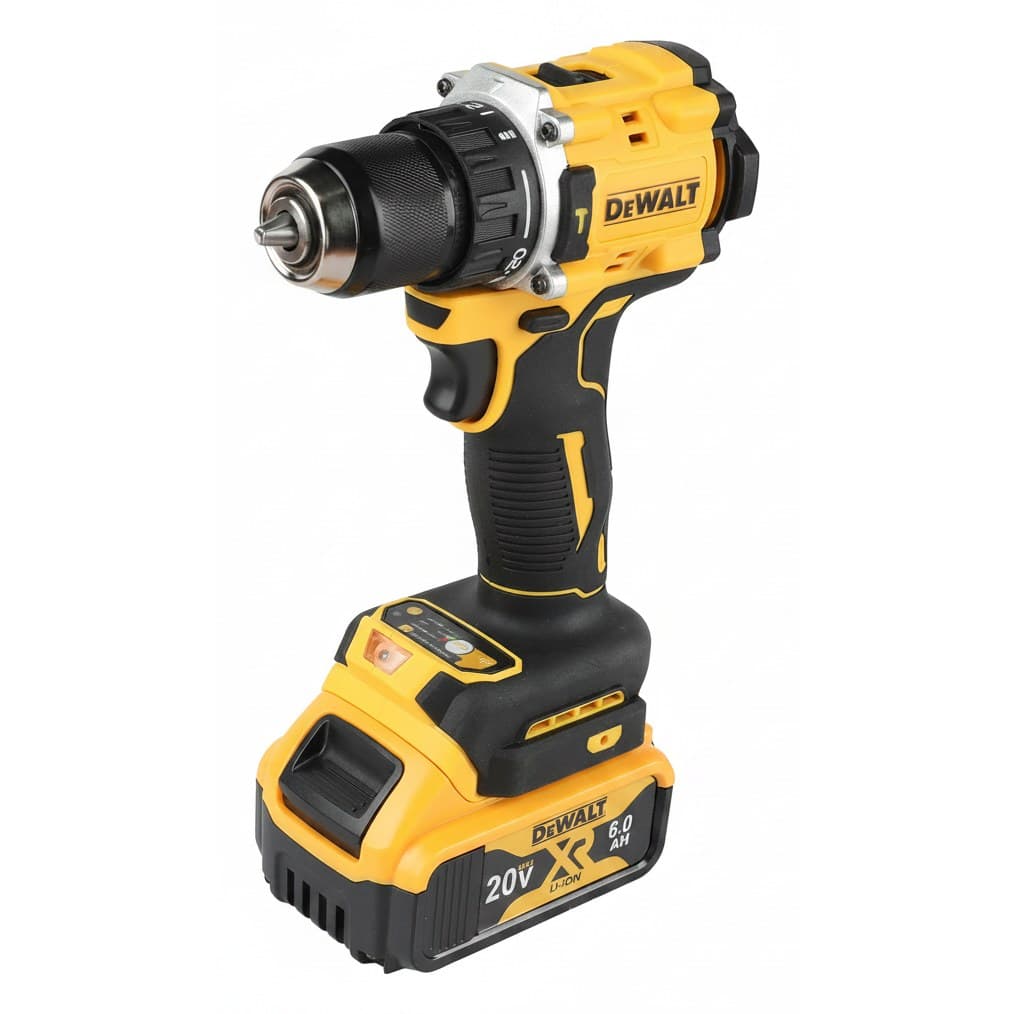
A drill driver spins a chuck. That is all it does, and for most holes in wood, plastic and mild steel it is all you want, because the hole is clean and round.
A hammer drill spins the same way but adds thousands of short forward blows per minute along the axis of the bit. The blows shatter masonry ahead of the tip so the flutes can clear it. In wood or steel that hammer action is useless and you switch it off.
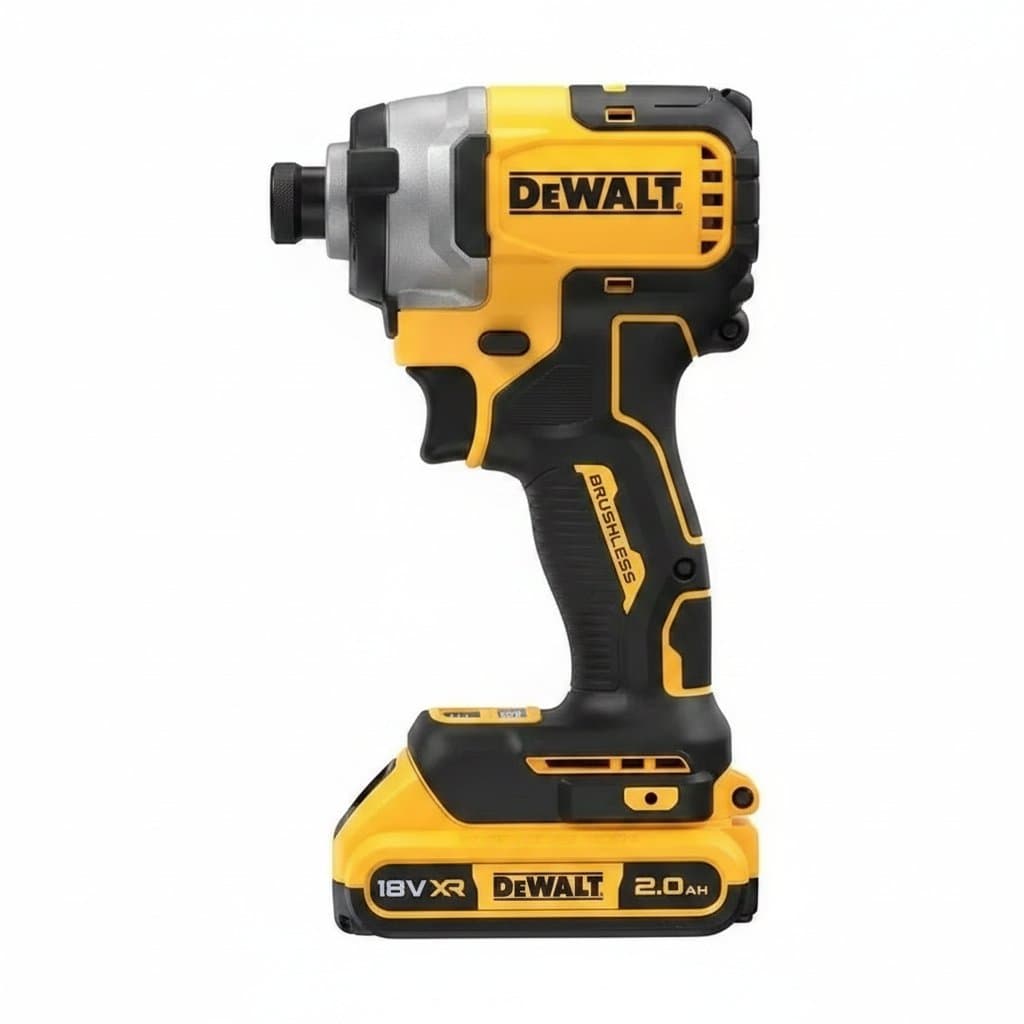
An impact driver spins a hex bit and adds rotational blows around the axis, not along it. Each blow is a small twist of extra torque, delivered so fast the driver never stalls and your wrist never takes the reaction. It has no chuck and no clutch.
| Drill driver | Hammer drill | Impact driver | |
|---|---|---|---|
| Action | Rotation only | Rotation plus axial blows | Rotation plus rotational blows |
| Holds | Round or hex shank in a chuck | Round or hex shank in a chuck | 1/4 in hex only |
| Torque control | Slip clutch | Slip clutch | None, controlled by trigger |
| Best at | Clean holes in wood, plastic, steel | Holes in brick, block, concrete | Long screws, lag bolts, nuts |
| Kickback | Yes at high torque | Yes at high torque | Almost none |
| Noise | Low | Loud in hammer mode | Loud under load |
Which one to buy
If you drill into masonry more than occasionally, buy the hammer drill. A drill driver with a masonry bit will get through a couple of holes in soft brick and then stop dead in engineering brick or concrete.
If you drive a lot of screws, decking, framing, cabinets, buy the impact driver. It drives a 100mm screw into hardwood without pre-drilling and without the tool twisting out of your hand, and it will not strip the head the way a drill on its highest clutch setting does.
If you do both, buy both. The combi kits that pair a hammer drill with an impact driver on a shared battery exist because that is what most trades actually carry.
What you should not do is buy an impact driver expecting it to drill. It can, with hex-shank bits, but the rotational hammering wanders the bit and the hole is rough. It also cannot take a round-shank twist drill at all.
When a hammer drill is not enough
A hammer drill uses a cam mechanism and the blow energy is limited by how hard you push. Above about 13mm in concrete, or on any real volume of drilling, that becomes slow and tiring.
The next step is an SDS rotary hammer, which uses a piston to drive the bit and delivers far more energy per blow with almost no pressure from the operator. If the job is fixing to concrete all day, or drilling over 16mm, that is the tool, and a hammer drill is not a substitute.