Cobalt, titanium and HSS compared
The names are misleading. A titanium bit is not made of titanium; it is high-speed steel with a titanium nitride coating a few microns thick. A cobalt bit is not coated; the cobalt is alloyed into the steel all the way through. That difference is the whole story.
| Bit | What it is | Best on | Resharpen? | Cost |
|---|---|---|---|---|
| HSS | High-speed steel, M2 grade | Mild steel, aluminium, wood, plastic | Yes | Low |
| Titanium (TiN) | HSS with a gold TiN coating | Mild steel, more holes before dulling | Yes, but the coating goes | Low to mid |
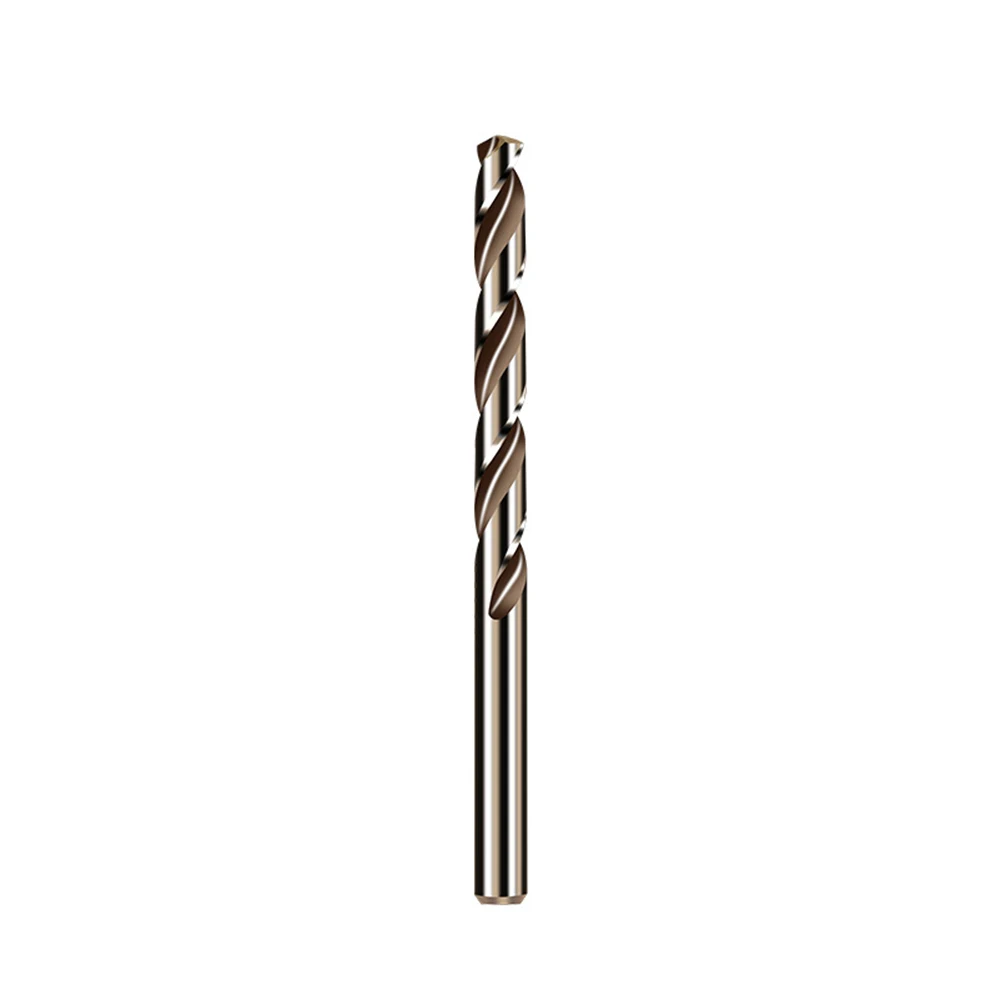
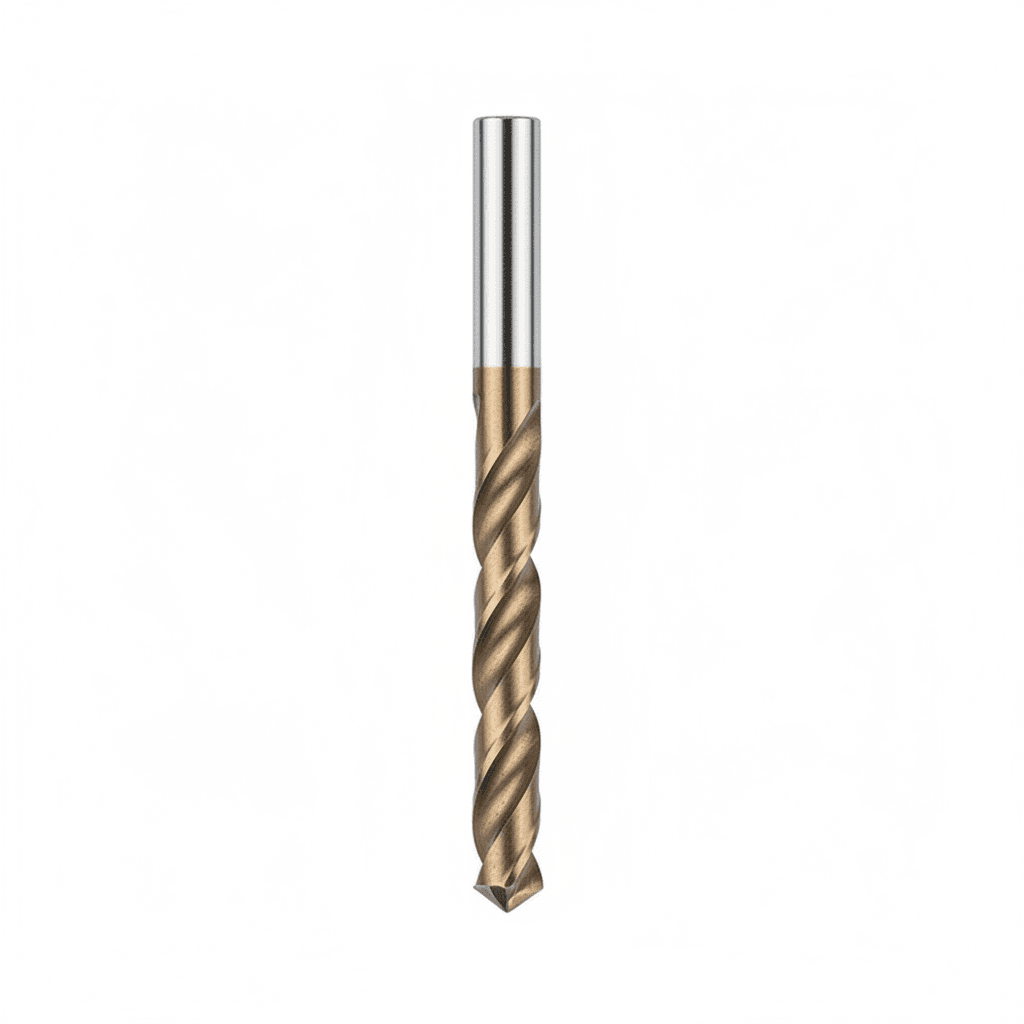
| Cobalt (M35, M42) | HSS alloyed with 5 or 8% cobalt | Stainless, hardened steel, cast iron | Yes, full performance | Mid |
| Carbide-tipped | Steel shank, tungsten carbide tip | Hardened steel, very hard alloys | Specialist only | High |
Drilling stainless steel
Stainless work-hardens. The moment a bit rubs instead of cutting, the surface under it hardens and the next revolution has an even harder job. That is why a dull bit or too little pressure turns a five-second hole into a shiny dimple that nothing will get through.
The rule is slow speed and firm, constant pressure. Roughly half the rpm you would use on mild steel, enough feed that the bit is always taking a chip, and cutting fluid. Never let the bit spin without cutting.
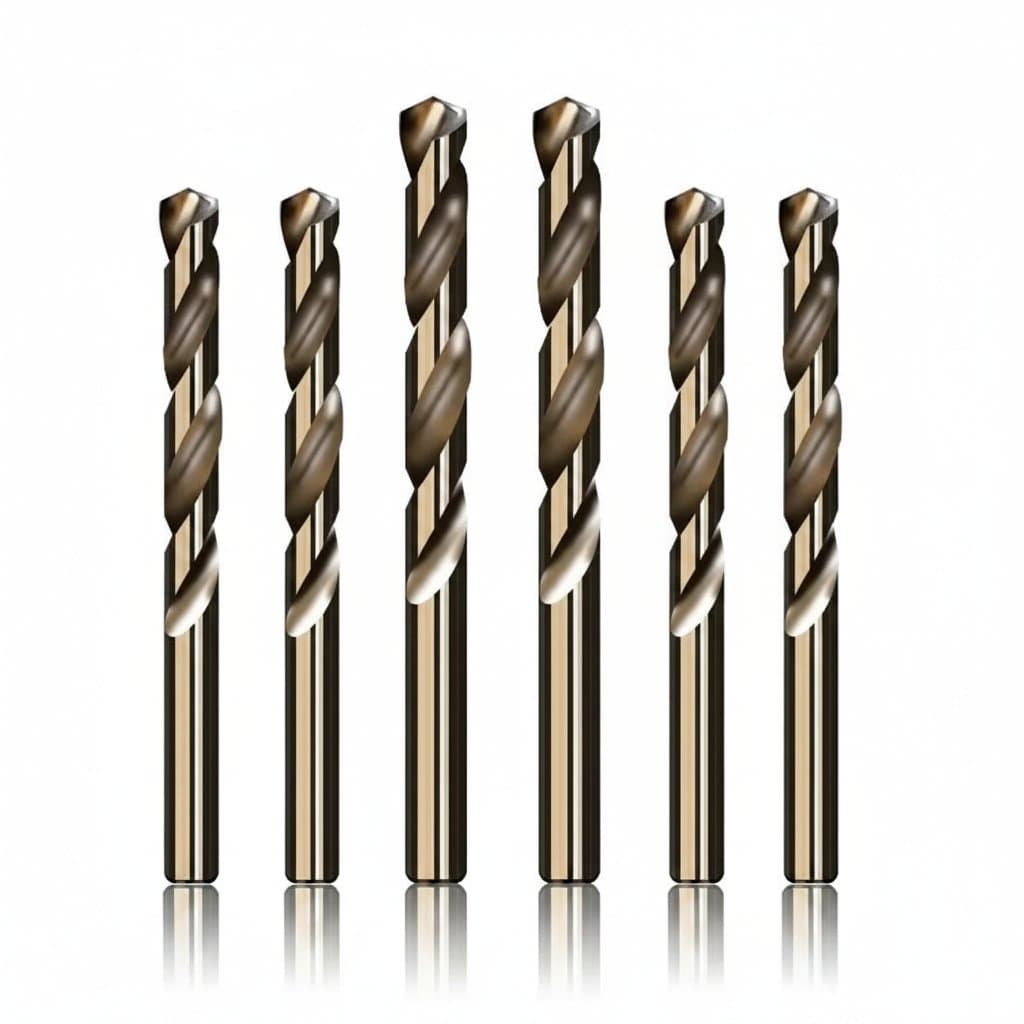
Cobalt bits handle this because they keep their edge at the temperatures stainless generates. M35 with 5 percent cobalt covers most work; M42 with 8 percent is harder still and suits thick or hardened stainless but is more brittle.
| Bit diameter | Mild steel (HSS) | Stainless (cobalt) |
|---|---|---|
| 3 mm | 2,500 | 1,200 |
| 5 mm | 1,500 | 750 |
| 6.5 mm | 1,200 | 600 |
| 8 mm | 950 | 470 |
| 10 mm | 750 | 380 |
| 13 mm | 600 | 300 |
Drilling hardened steel
Hardened steel above about 40 HRC is beyond HSS and marginal for cobalt. Cobalt will get through case-hardened material and springy alloys with patience, but on a fully hardened bolt or a bearing race the bit will glaze.
For genuinely hard material use a carbide-tipped bit at low speed with steady pressure, or anneal the spot with a torch first if the part allows it. Trying to force a cobalt bit through hardened steel just burns the tip.