How brushed and brushless motors differ
In a brushed motor the coils are on the rotor and the magnets are on the outside. To energise coils that are spinning, current has to jump onto them through carbon brushes pressed against a segmented copper commutator. The brushes wear, the commutator arcs and heats, and some energy is lost as friction and sparking.
A brushless motor turns that inside out. The coils stay fixed on the outside, the permanent magnets spin in the middle, and a small controller switches the coils on and off in sequence to keep the rotor turning. Nothing rubs. The controller also reads position and load, which is why brushless tools can adjust power on the fly.
| Brushed | Brushless | |
|---|---|---|
| Efficiency | 75 to 80% | 85 to 90% |
| Runtime per charge | Baseline | 25 to 50% longer |
| Heat under load | Higher, brushes and commutator | Lower |
| Wear parts | Brushes, replace periodically | Bearings only |
| Sparking | Yes | No |
| Size for same power | Larger | Smaller and lighter |
| Cost | Lower | Higher |
| Electronics | Simple | Controller required |
When brushless is worth paying for
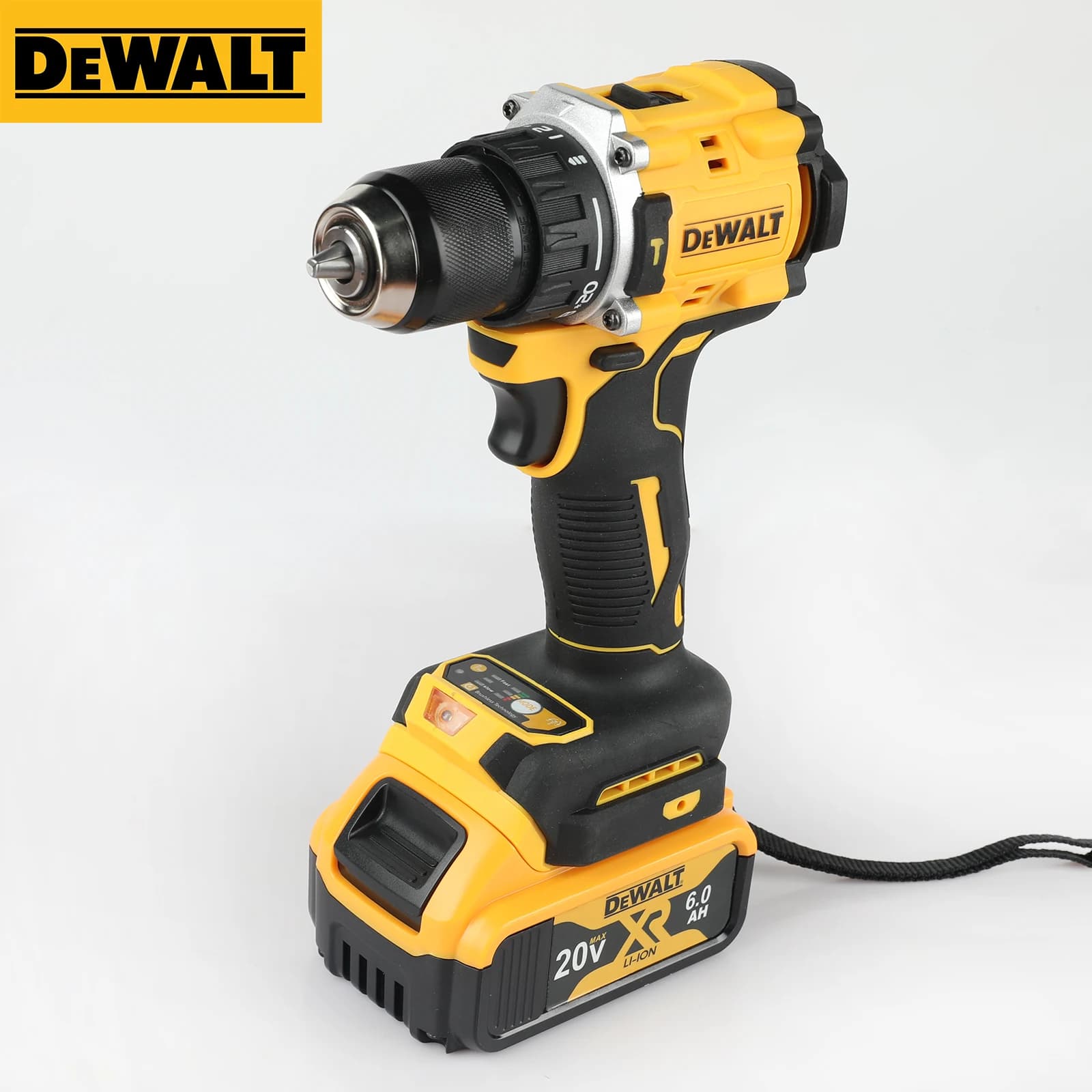
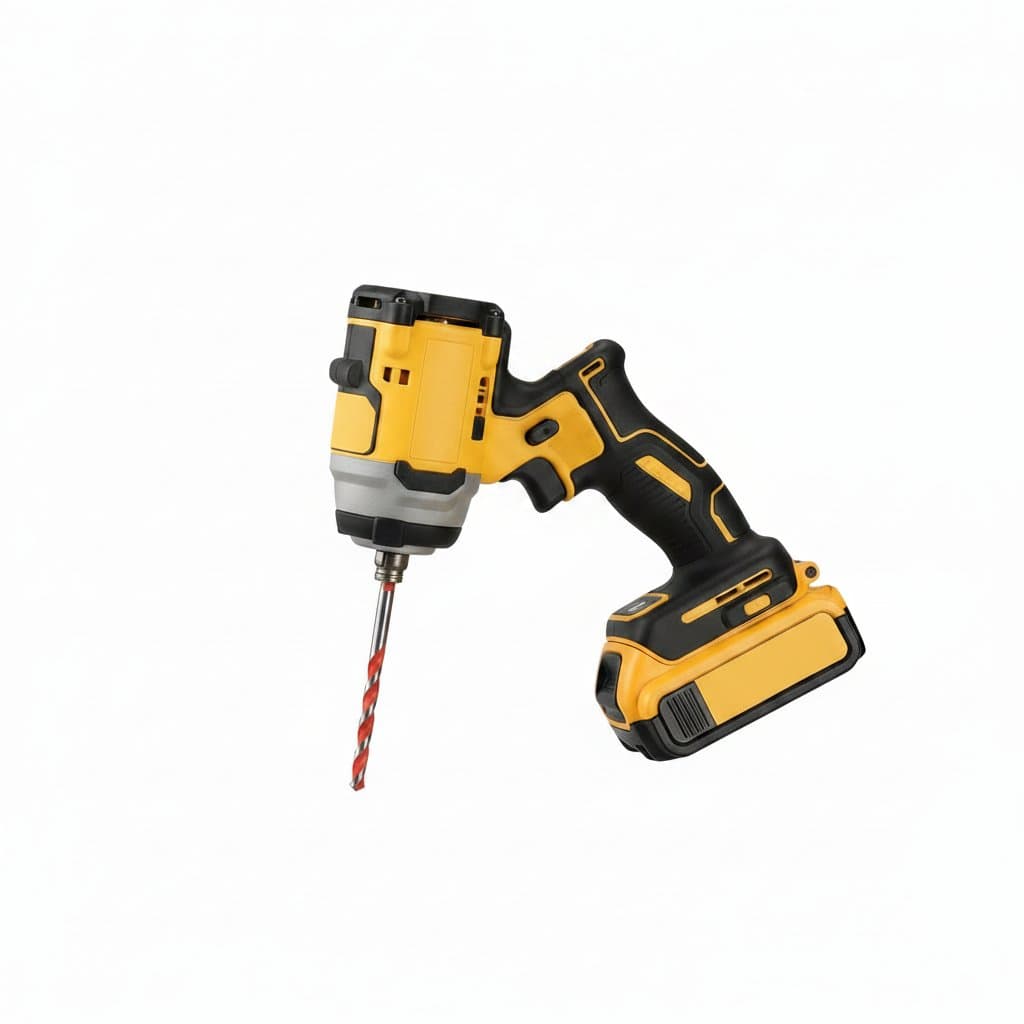
On a cordless tool you use daily, yes. The extra runtime, the lighter weight for the same output and the absence of brush changes all add up over a year on site, and the tool runs cooler through long jobs.
On a corded tool the runtime advantage disappears, since you are not running off a battery. Brushless still runs cooler and needs no brushes, but the price gap is harder to justify unless the tool works hard for hours.
On a tool used a few times a year, brushed is fine. Save the money. The brushes will outlast the amount of use you give it.
The place brushless clearly wins on any duty cycle is high-load work such as impact wrenches, angle grinders and circular saws, where a brushed motor sags under load and a brushless one holds speed.
Living with a brushed motor
Brushes are a wear item, and on a hard-worked tool they need changing every year or two. The symptoms are increasing sparking visible through the vents, loss of power, and eventually the tool stopping altogether. Most tools carry brush caps on the outside of the housing so the change takes five minutes.
Sparking is normal in small amounts. Heavy blue arcing under load means the brushes are worn short or the commutator is damaged, and running it that way burns the commutator segments.