Pre-stretch is the whole economic argument
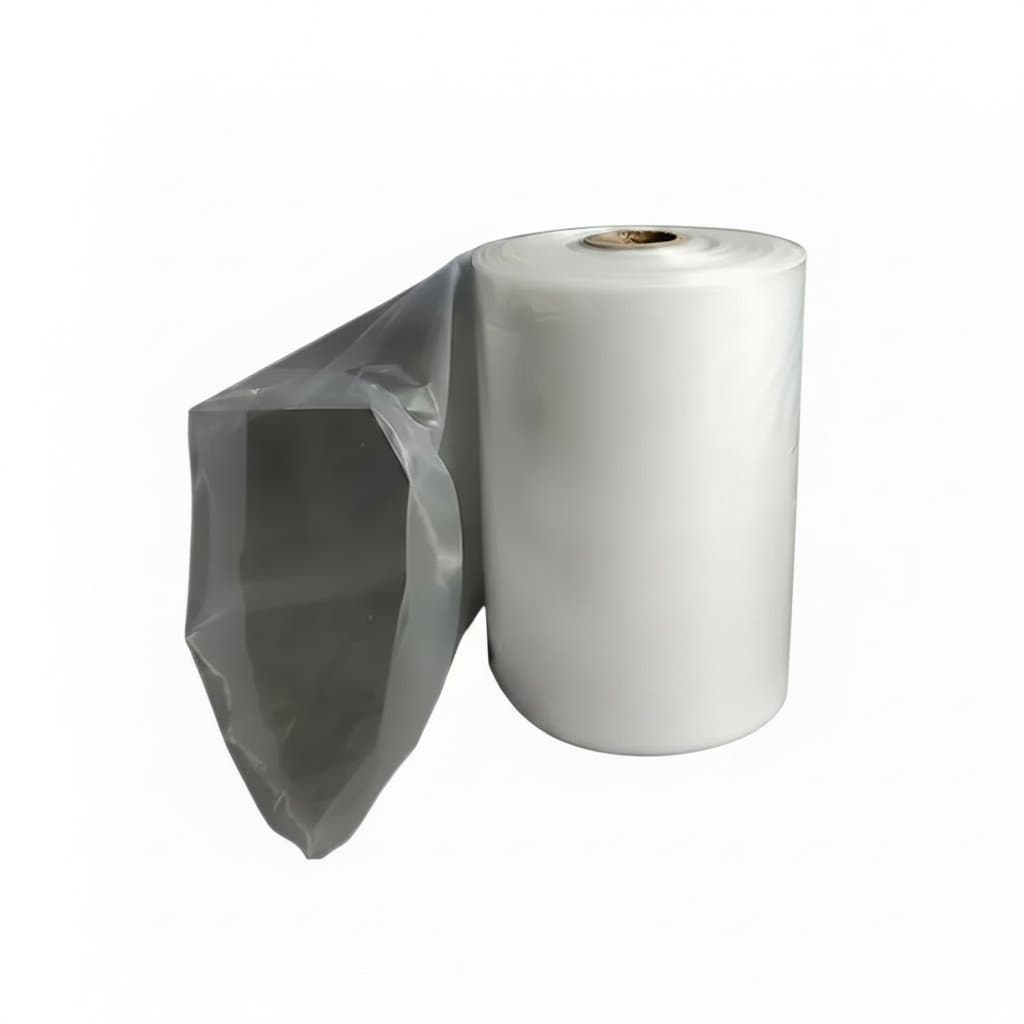
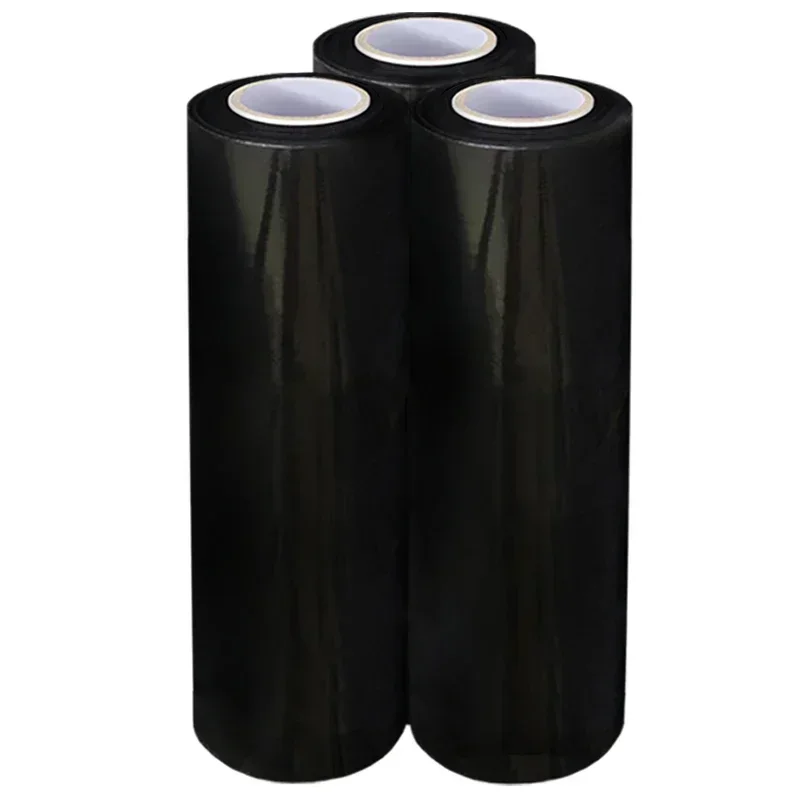
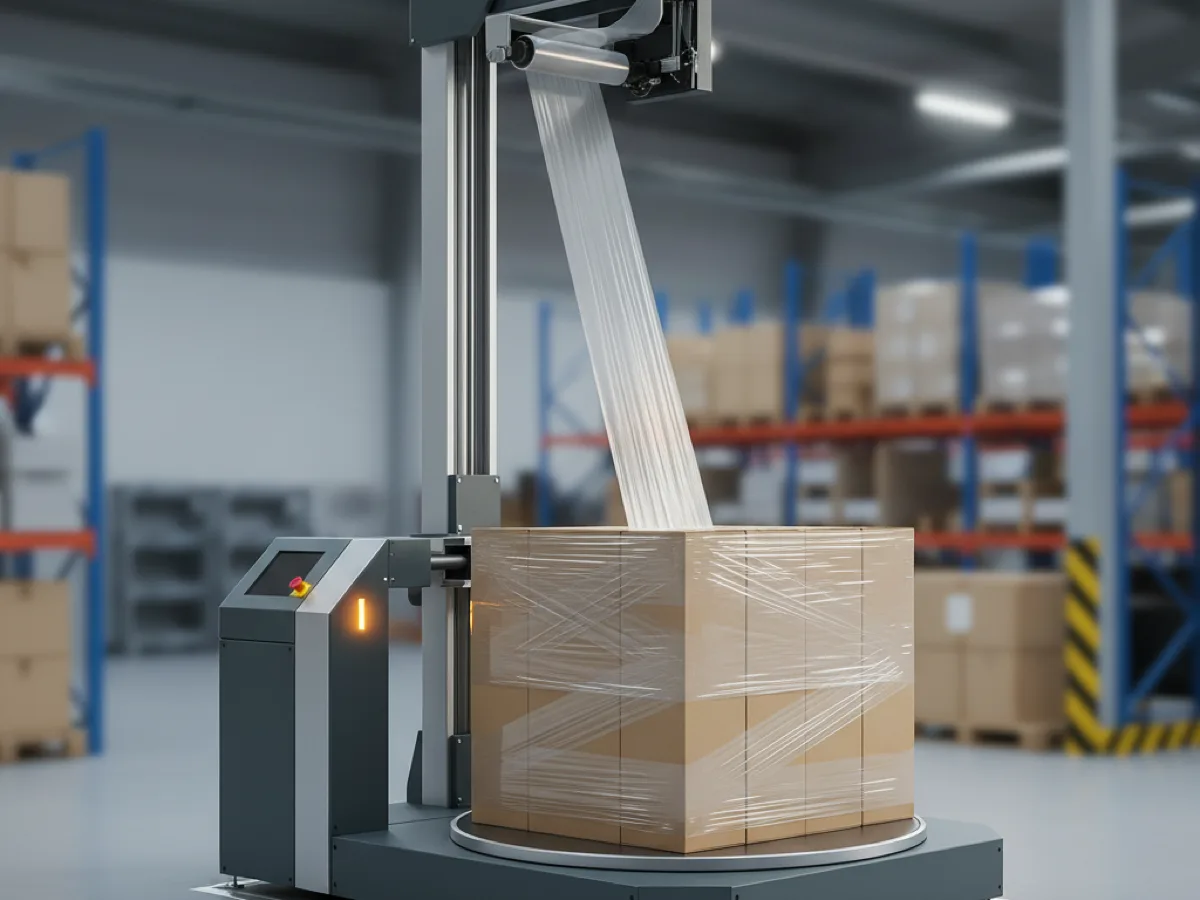
Stretch film is linear low-density polyethylene, and its useful property is that it stretches a long way and then tries to pull back. Wrapped by hand, the film only stretches as far as the operator can pull it while walking backwards around a pallet, which is very little. A powered carriage runs two rollers at different speeds and stretches the film between them before it ever touches the load, commonly to two or three times its original length.
That changes the cost per pallet rather than the wrapping time. If a machine stretches a metre of film into three metres of wrap, a roll goes three times as far, and the film is also doing what it is designed to do: gripping under tension instead of hanging loose. Most of the saving from buying a wrapper is film, not labour.
Turntable, rotary arm and hand dispensers
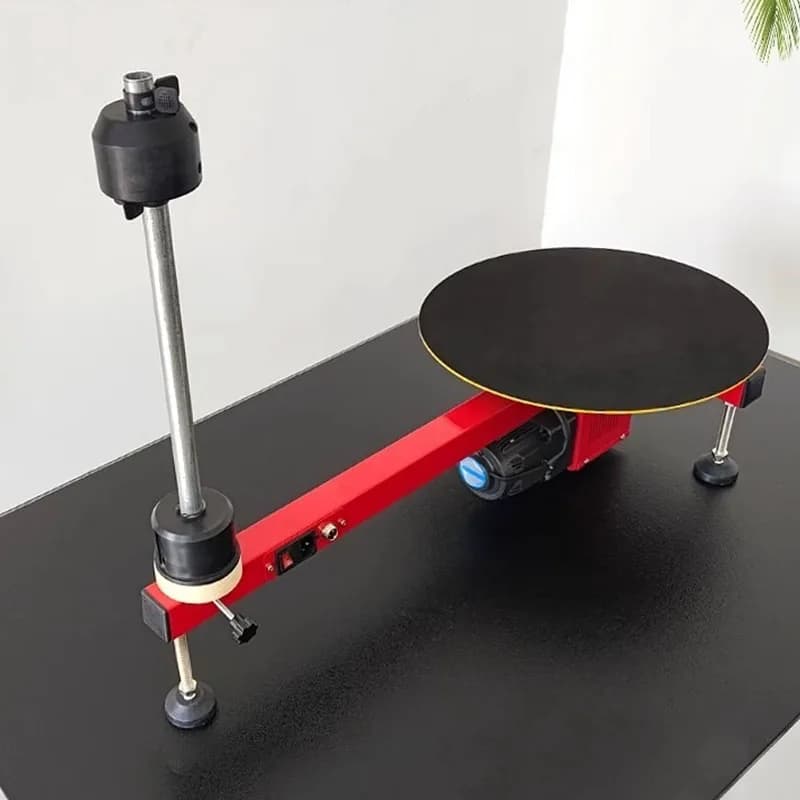
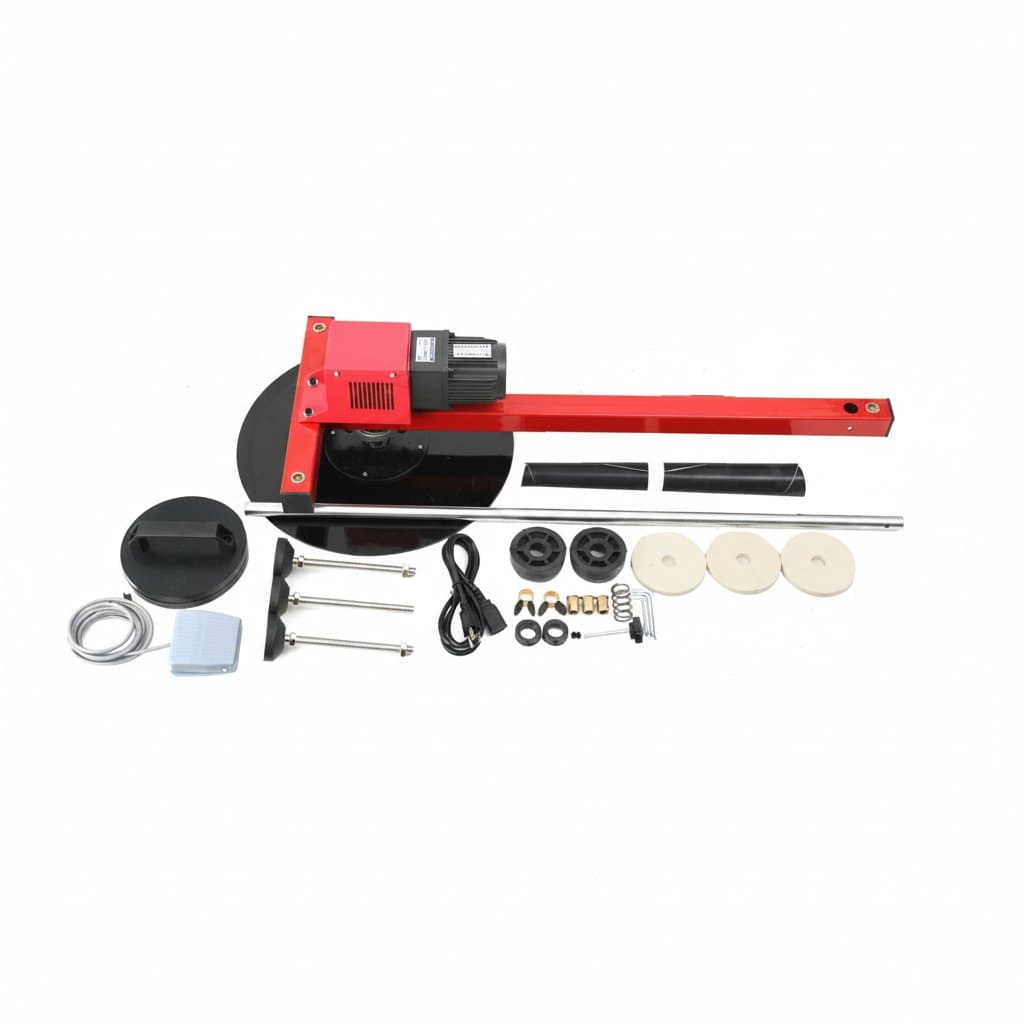
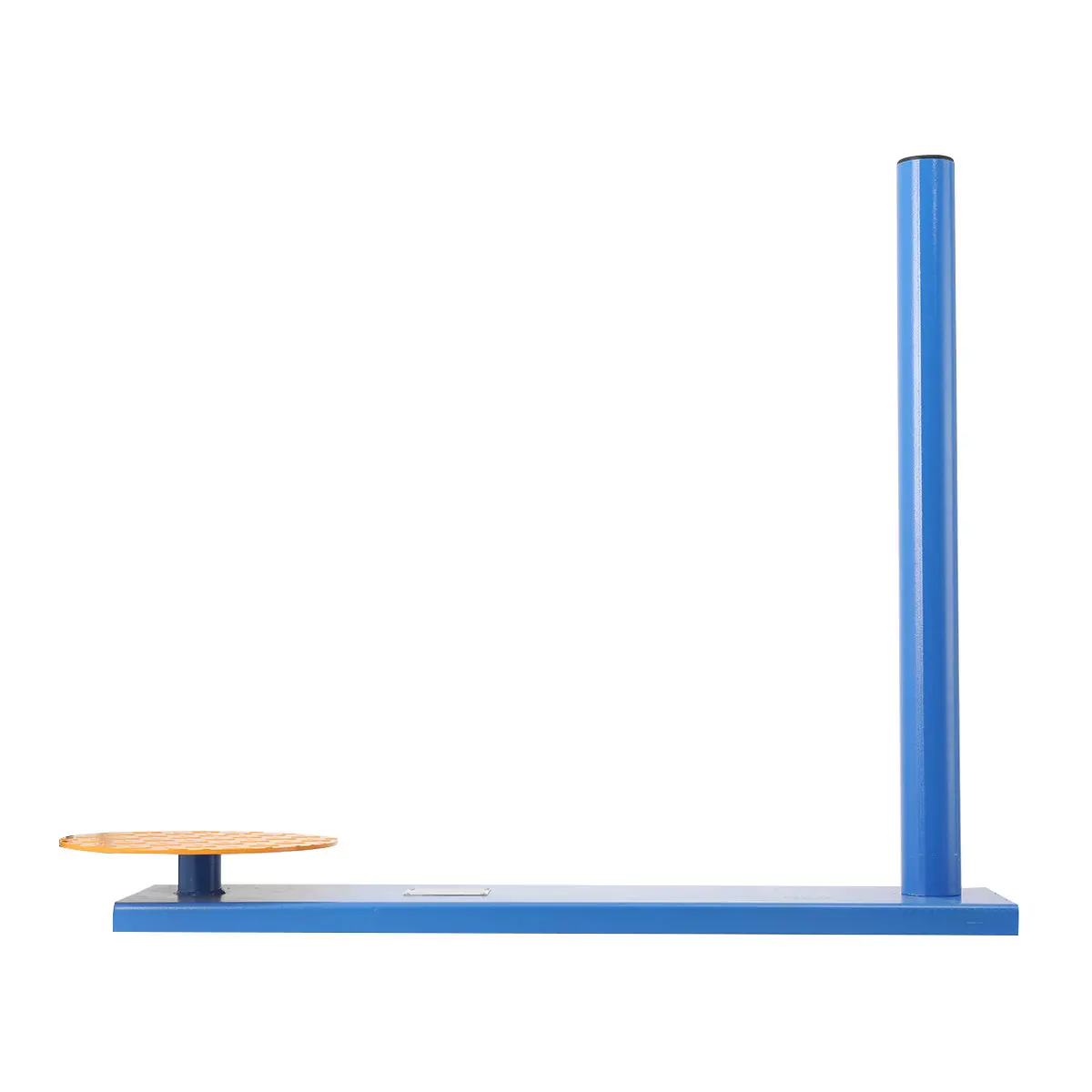
A turntable machine spins the pallet and is the common answer for a despatch bay: simple, compact and cheap to run. It assumes the load can be spun without falling over, so very light, very tall or unstable loads are the case against it. A rotary arm keeps the pallet still and orbits the film carriage around it, which suits unstable loads and higher throughput, at more cost and floor space.
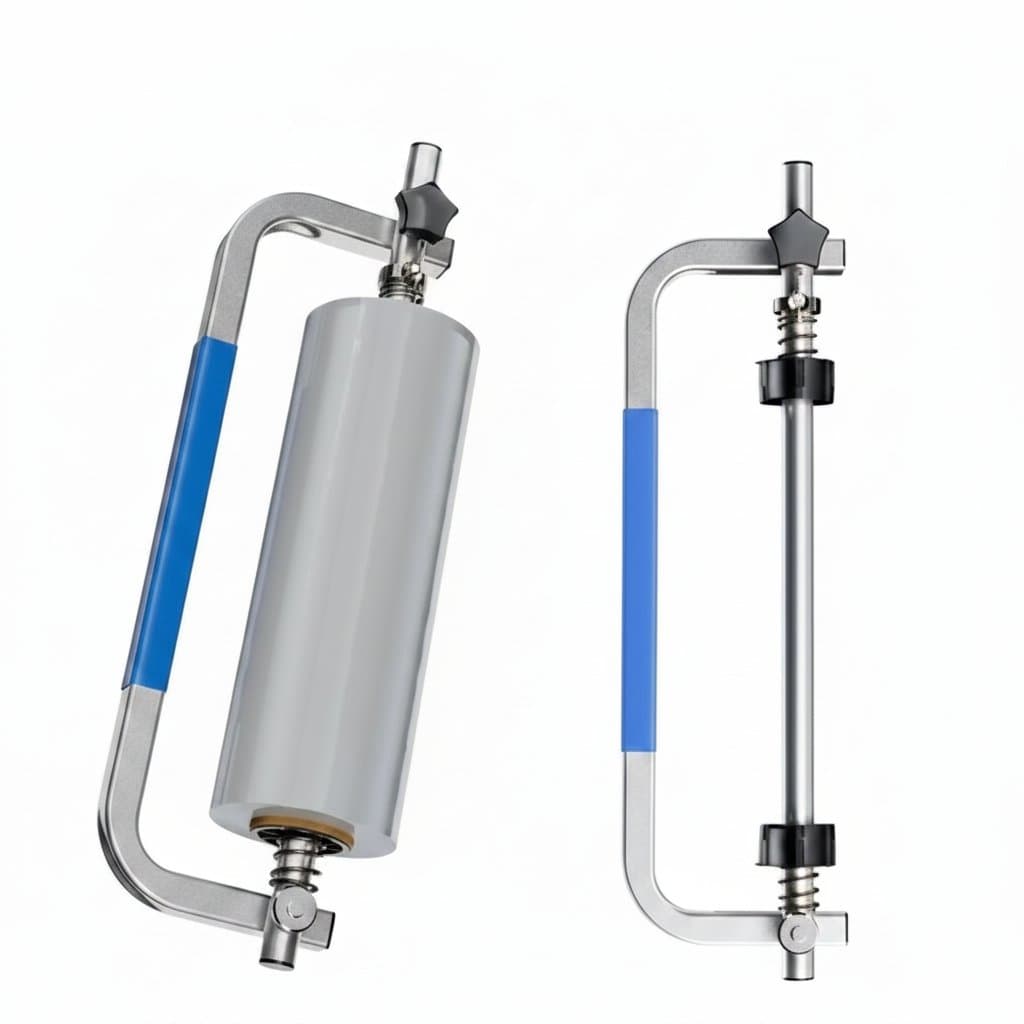
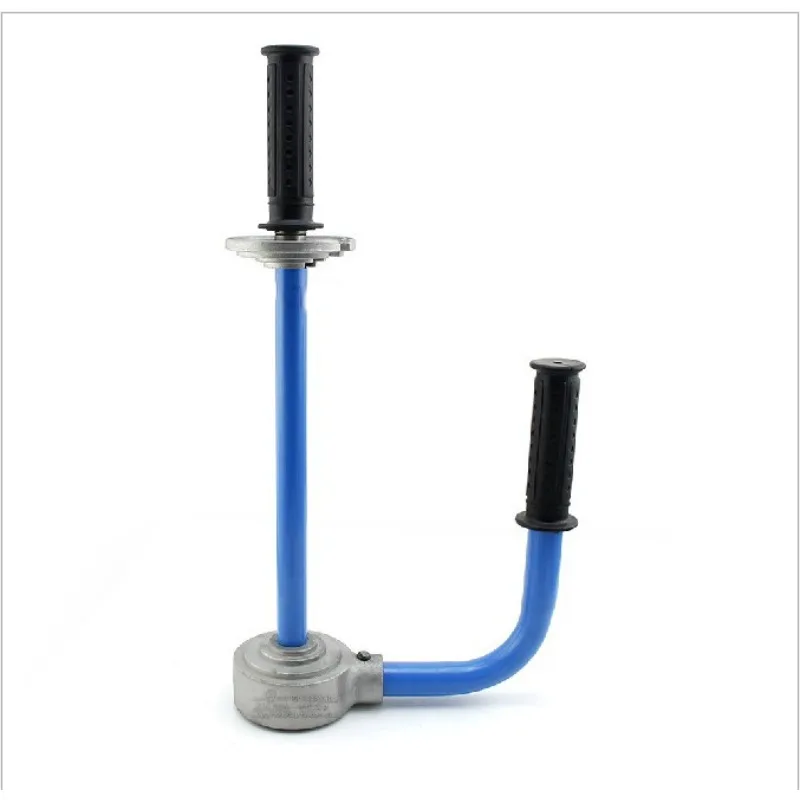
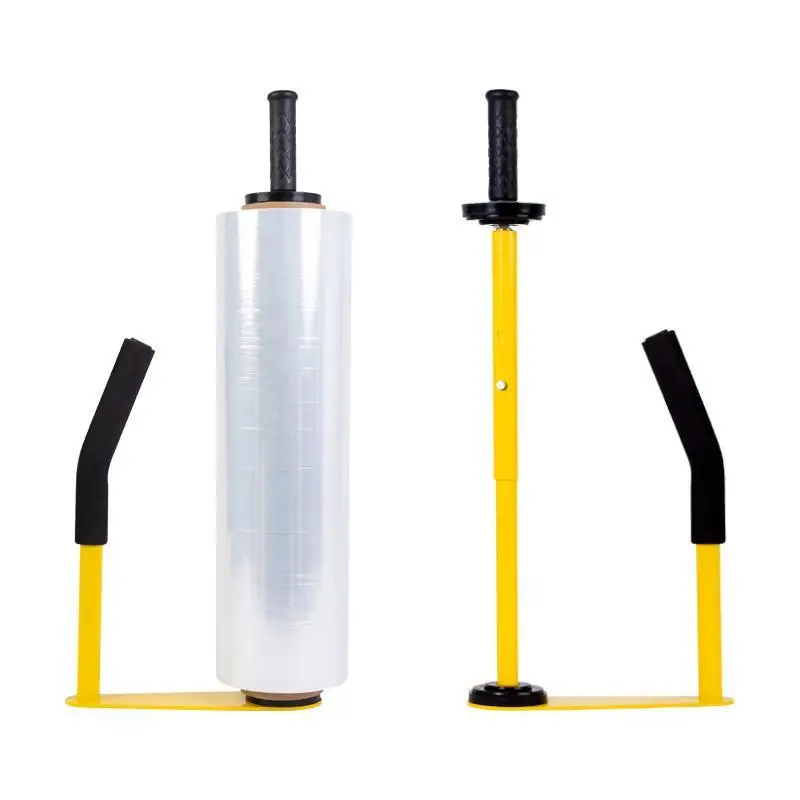
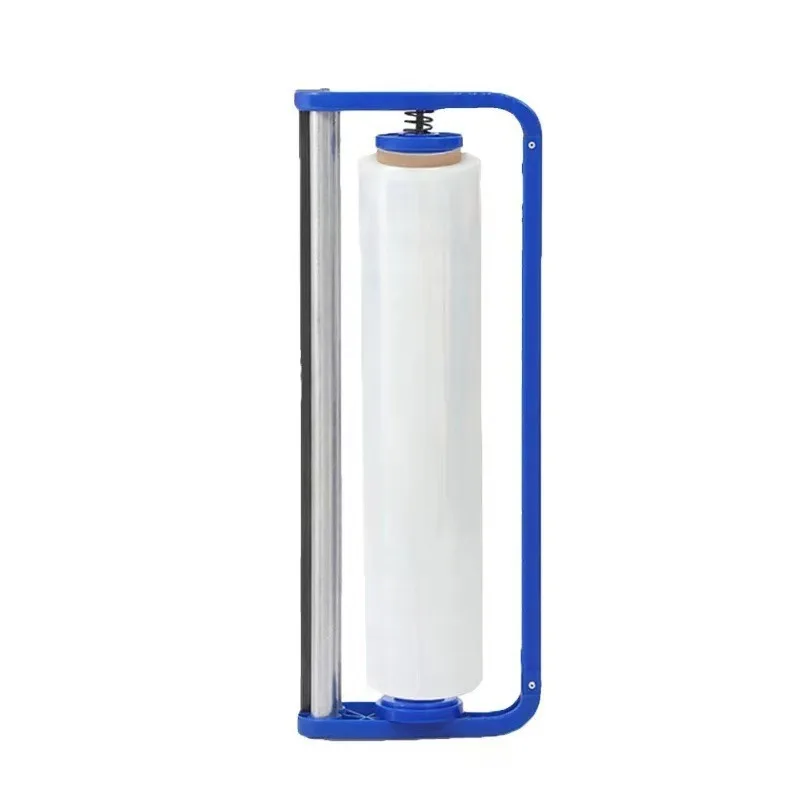
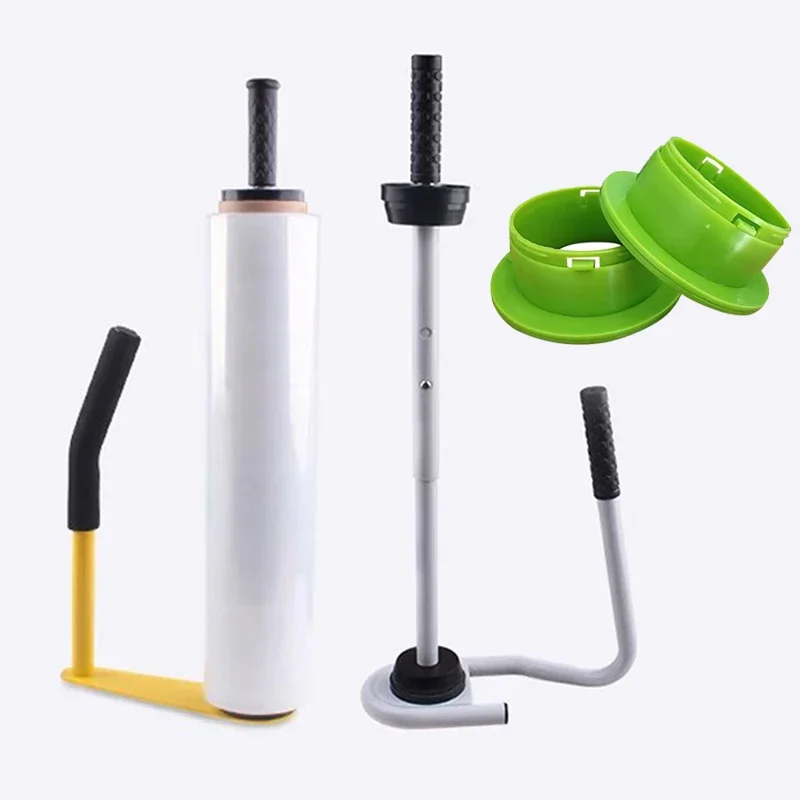
Below both sits the hand dispenser, which is a handle, a brake and a roll of film. It has a real place: low volume, awkward loads, or wrapping something that is not on a pallet at all. What it cannot do is apply consistent tension, so two operators produce two different wraps, and nobody achieves what a powered carriage does.
| Type | Load stays still | Suits | Watch out for |
|---|---|---|---|
| Hand dispenser | Yes | A few pallets a day, awkward or non-pallet loads | Tension varies with whoever is holding it |
| Semi-automatic turntable | No, it spins | Steady despatch volume, stable loads | Very light or top-heavy loads can shift |
| Rotary arm | Yes | Unstable, very tall or very light loads | Costs more and needs the floor space |
Film gauge, core size and machine film against hand film
Film is sold by thickness in microns and by roll width. Thicker is not automatically better: a thin film with good pre-stretch and the right number of wraps will hold a load that a thick film applied loosely will not. What matters is containment force, the pressure the finished wrap puts on the load, and that comes from tension and wrap count rather than from the gauge alone.
Machine film and hand film are not interchangeable. Machine rolls are longer and heavier because a carriage feeds them, and they are wound on a 76 mm core to fit the machine mandrel. Hand rolls are shorter and lighter so a person can hold them. Buying the wrong one is a common and avoidable mistake, and the spec table below lists the core diameter for each machine we hold.
Wrapping a pallet so it survives the journey
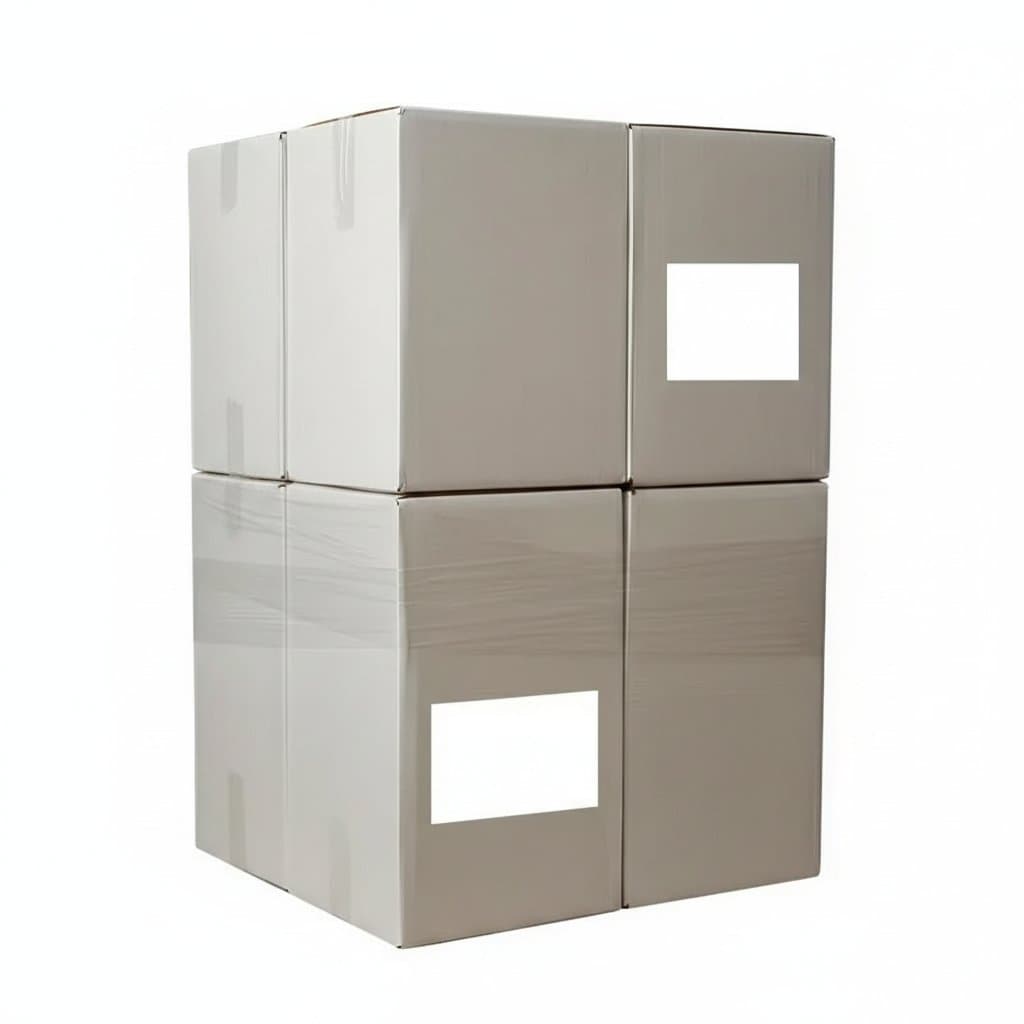
Start at the base and tie the load to the pallet. Several wraps low down, catching the pallet itself, are what stop the goods sliding off the deck in transit, and it is the step most often skipped. Work up the load with a consistent overlap, then come back down. Corner boards are worth using on anything with a sharp edge, because film tears at corners and a torn wrap holds nothing.
More wraps at the top are usually wasted. The failure mode on a road journey is the load shearing off the pallet at the base, not the top layer coming loose, so the tension and the wrap count belong at the bottom. If loads are arriving damaged, look at the base wraps and the film tension before adding more layers.