
Help
Compel Groupgroup

Total Stations and Theodolites

Author: James Whitfield, Equipment Desk5 min read
Updated

A theodolite measures angles and nothing else. A total station is a theodolite with electronic distance measurement and a computer built in, so it returns coordinates rather than angles you then have to work up. If the job needs positions rather than bearings, that difference is the whole decision.

12 products from £1,292.99 to £6,234.99

Specs and prices

Specifications as declared by the seller of each listing, not our own measurements. Prices update with the catalogue.

ProductPriceMagnificationProduct TypeDisplayOperating TemperatureMinimum Focus Distance
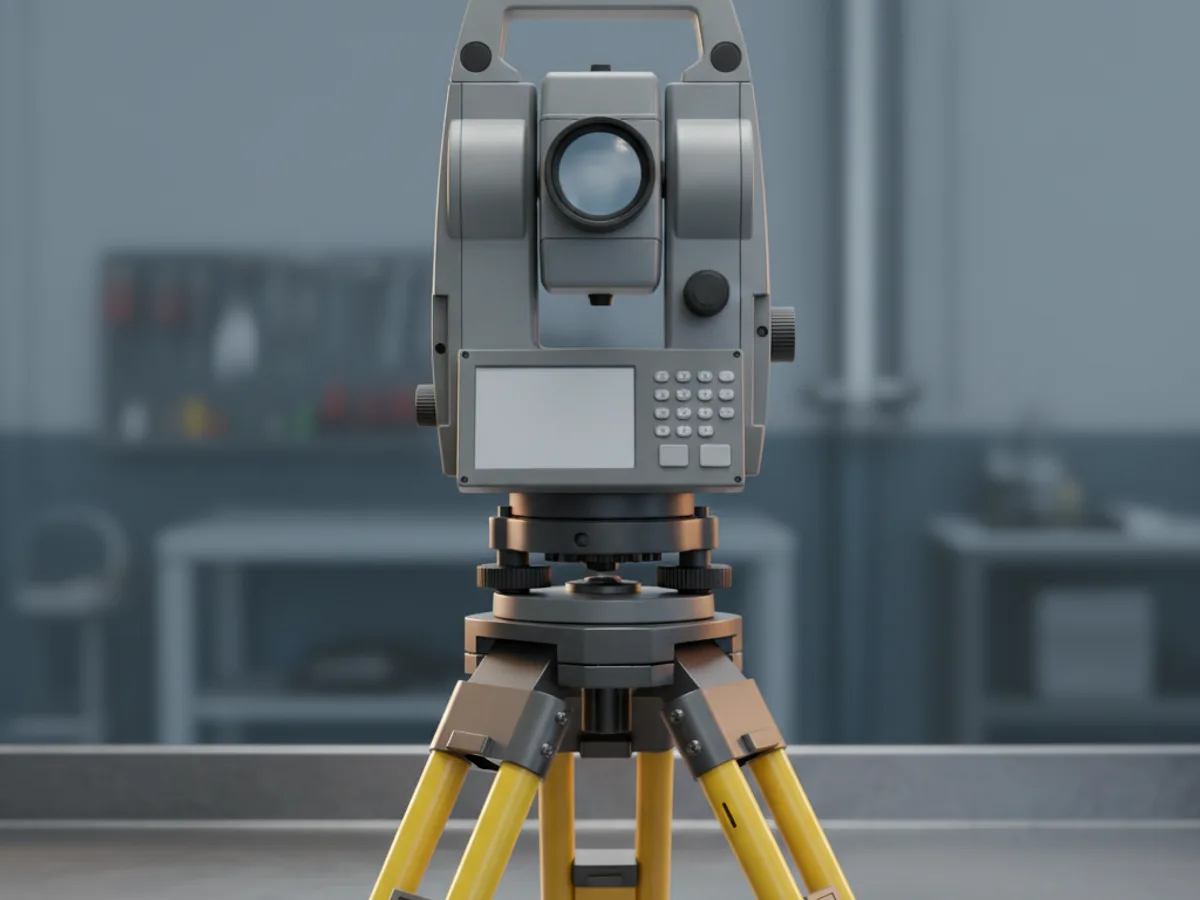
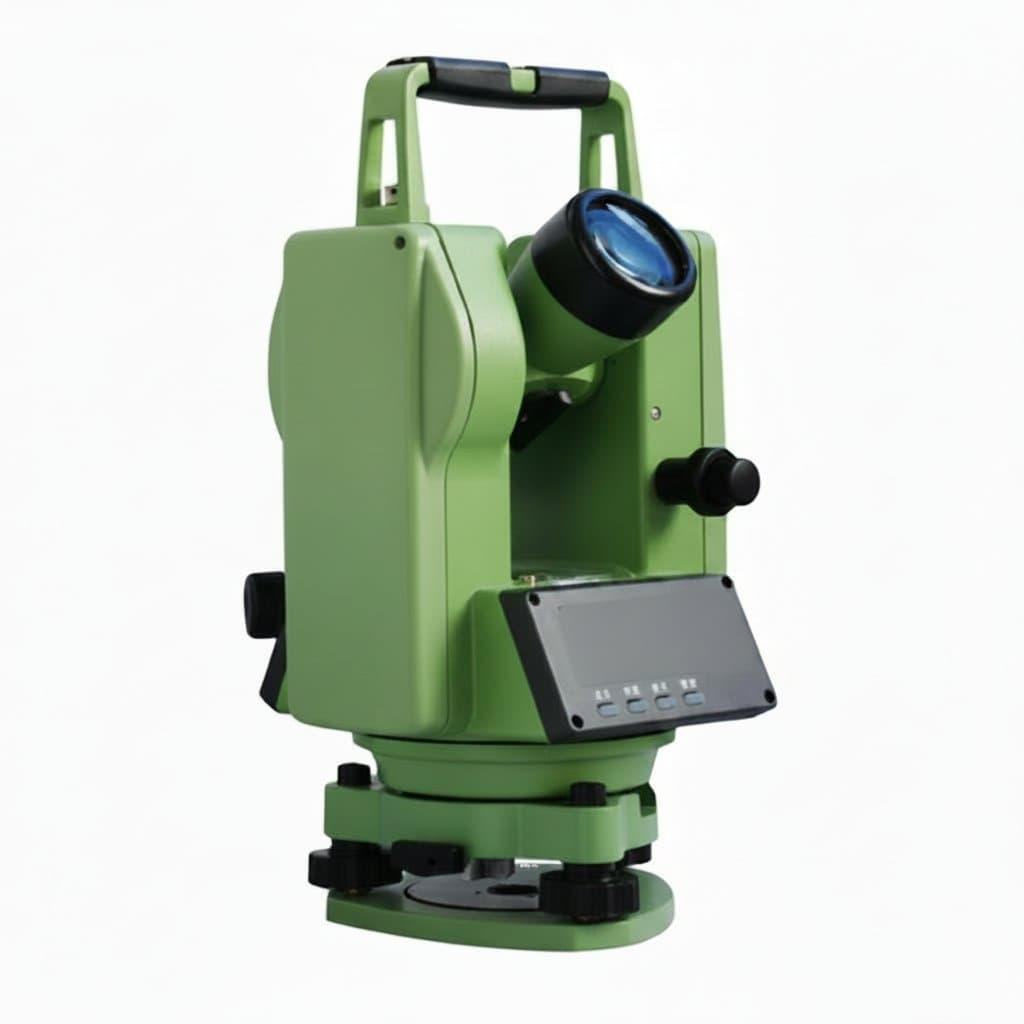
MATO MTS-1002R total station surveying instrument, a professional-grade tool for precise distance and angle measurement.Total Station Theodolite£6,234.9930xTotal StationGraphic LCD-20°C to 50°C1.3 m
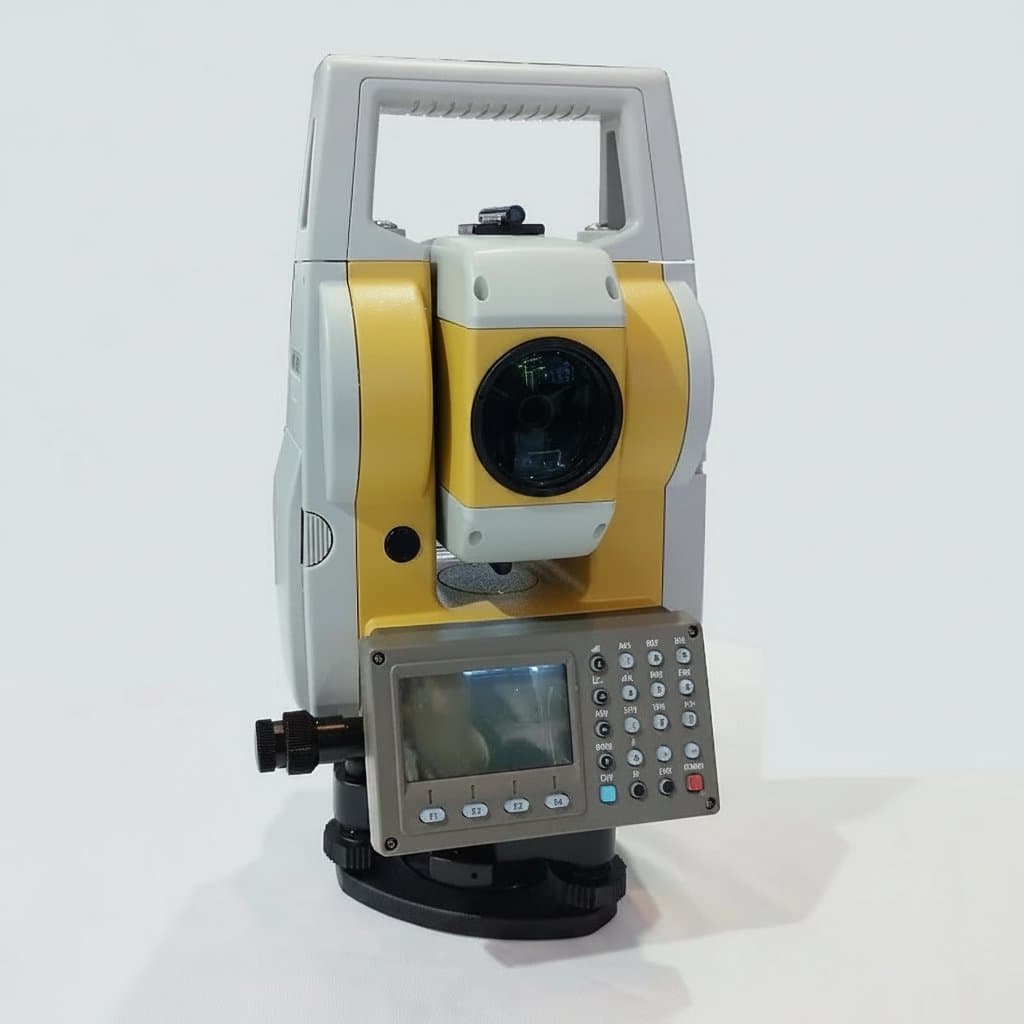
Electronic theodolite for land surveying and topography, complete with host unit and adjustable aluminum tripod.Theodolite Surveying Instrument£2,407.9926xElectronic Theodolite KitDual-sided LCD-10°C to 45°C1.2 m
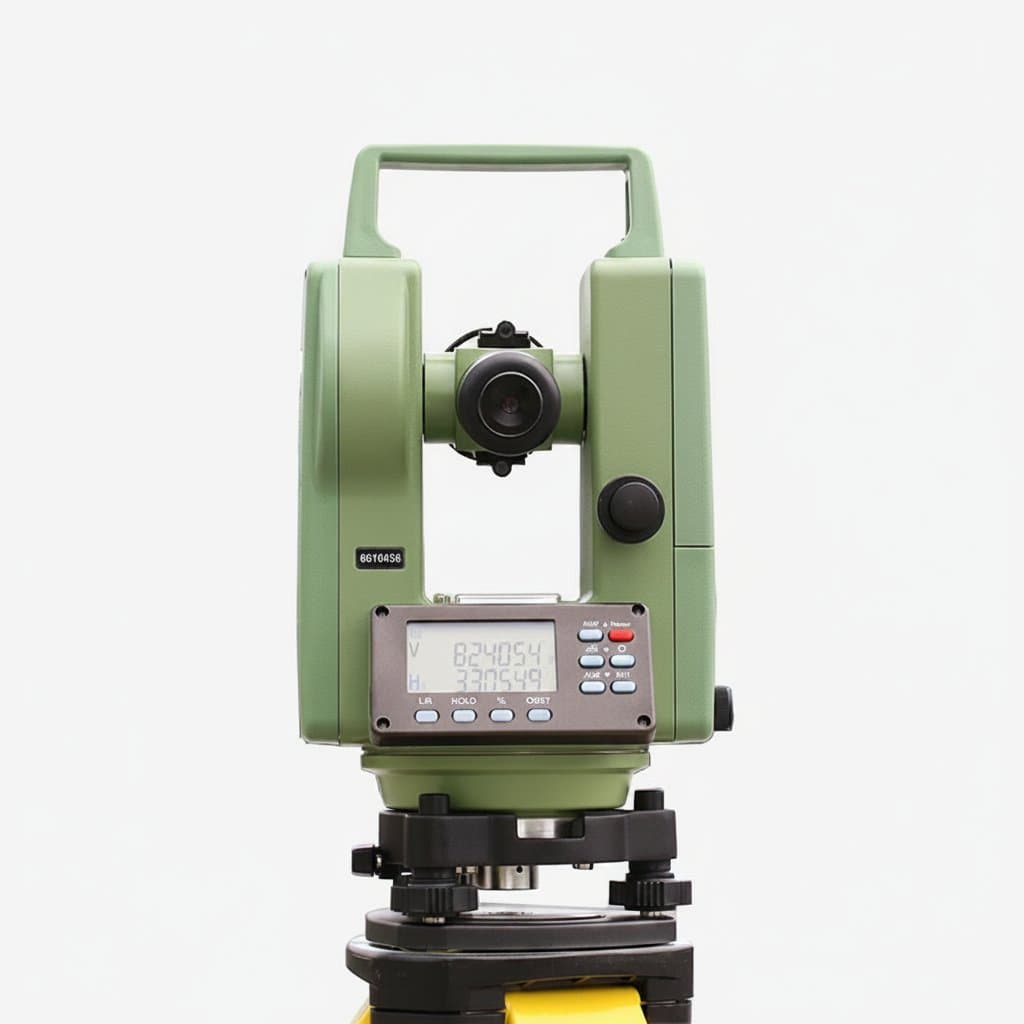
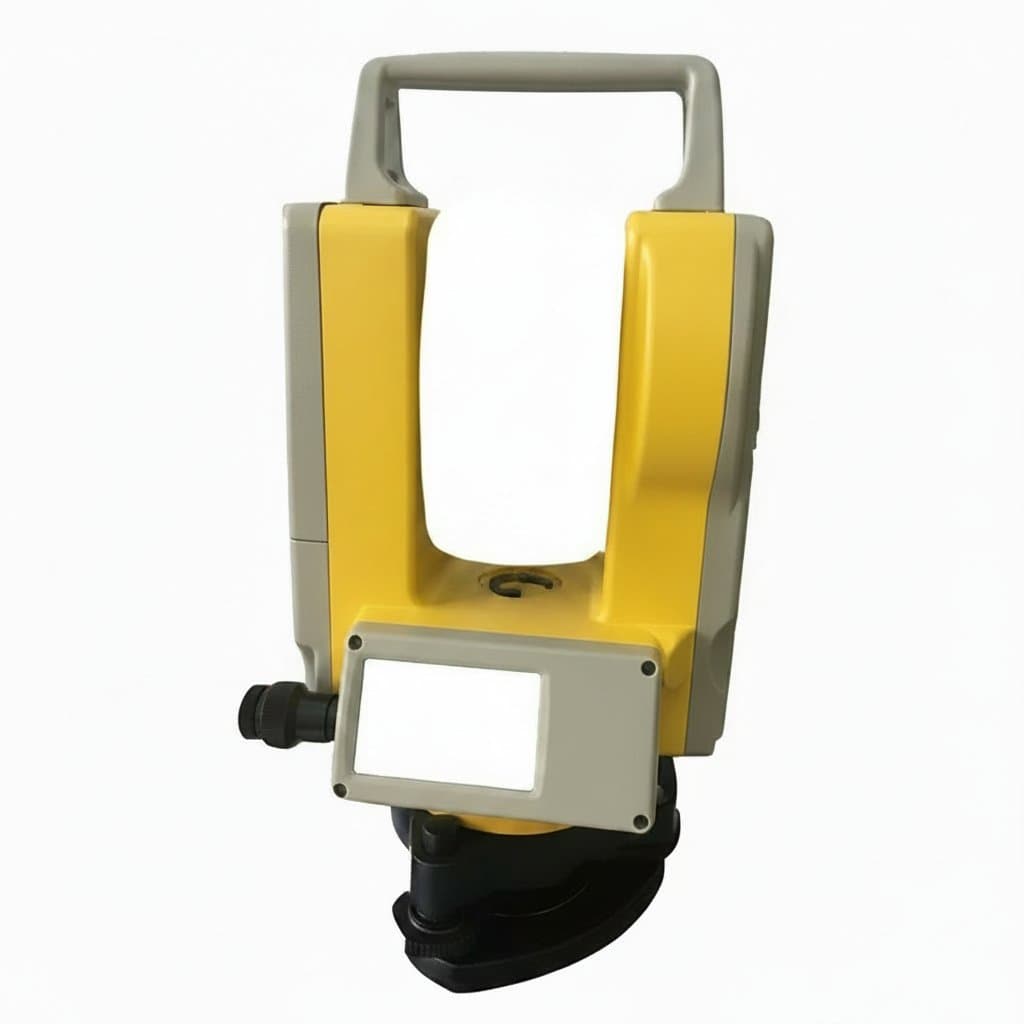
High-quality TD3-2 electronic theodolite surveying instrument with precision optics, used for measuring horizontal and vertical angles in construction and land surveying.Theodolite£2,407.99-Electronic TheodoliteLCD--
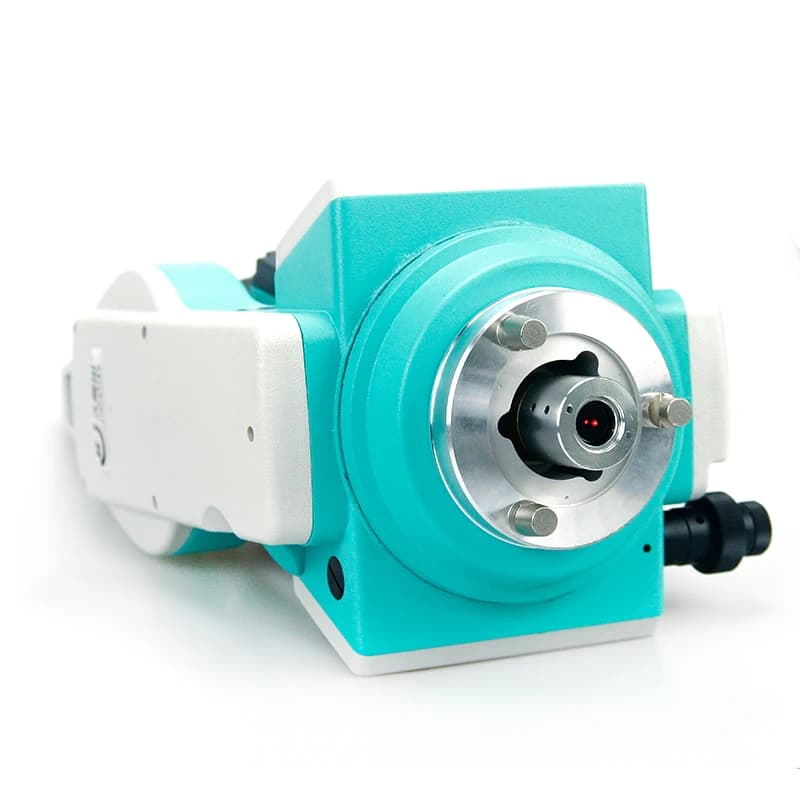
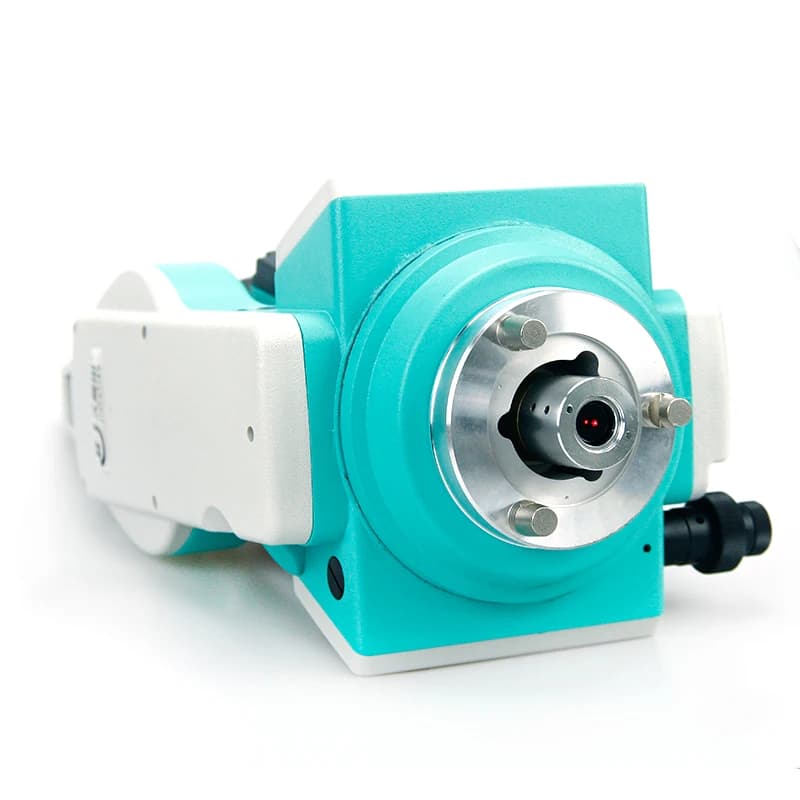
JFT red double laser 30x digital electronic theodolite with laser pointer for enhanced targeting accuracy in surveying, construction, and alignment tasks.Theodolite£2,140.9930xElectronic Digital Theodolite---
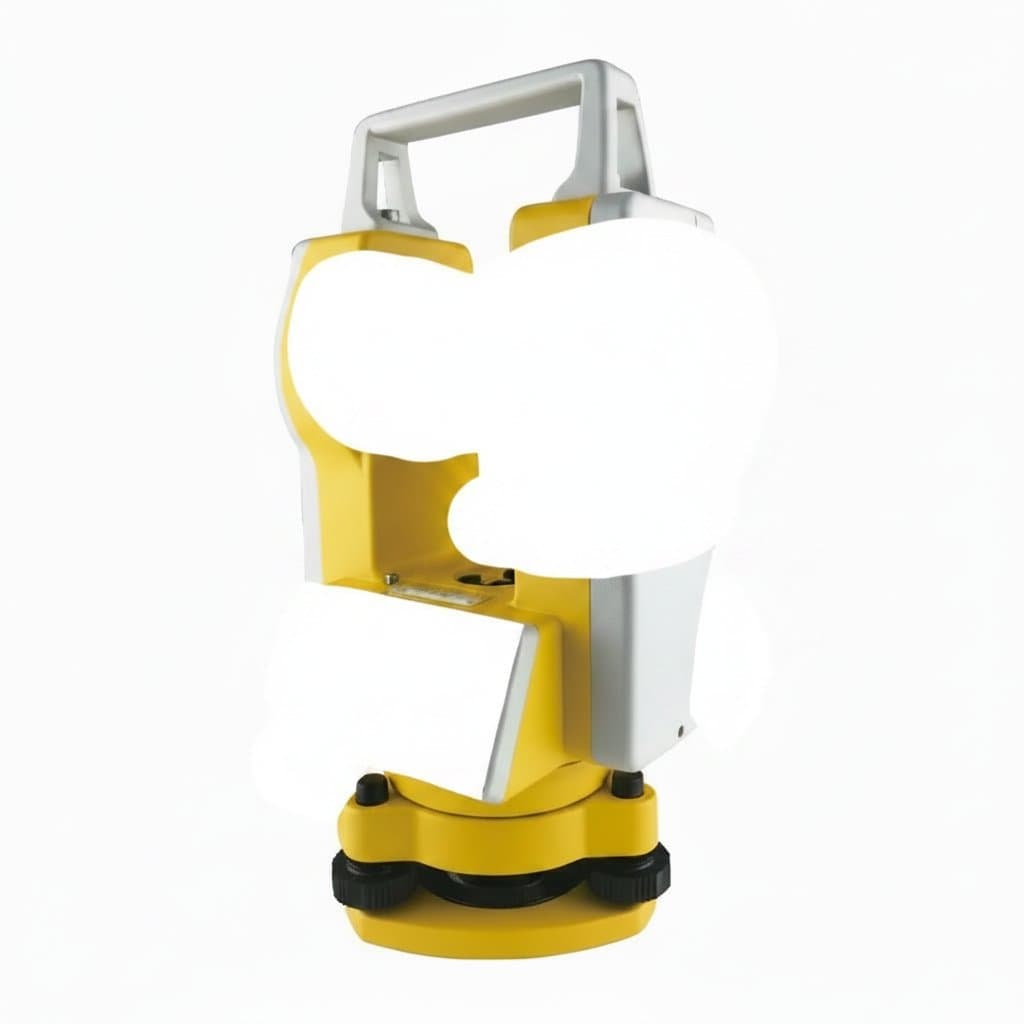
High-quality optical theodolite machine with digital readout for accurate angular measurements in surveying and construction.Theodolite£2,051.9928xOptical Theodolite--10°C to 45°C1.2 m
Clear LCD display electronic optical theodolite TD3-2, a high-precision instrument for angle measurement in surveying and construction.Optical Theodolite£1,872.9930xElectronic TheodoliteClear LCD-20°C to 50°C1.5 m
SD2A high-precision surveying instrument with red laser and 30x magnification, an affordable digital electronic theodolite.Theodolite£1,783.9930x----
DE2A high-quality electronic digital theodolite for surveying, featuring precise angle measurement and digital display.Digital Theodolite£1,694.9930xElectronic Digital TheodoliteDual-sided LCD-20°C to 50°C1.5 m

What the distance meter changes

An electronic theodolite reads horizontal and vertical angles to a fine resolution and displays them. To get a position from it you need a measured distance from somewhere else, which historically meant a tape or a separate distance meter and a great deal of arithmetic.

A total station adds that distance measurement into the same instrument and computes the result on board. One observation gives a three dimensional coordinate, stored to a job file, which is why total stations displaced theodolites for setting out.

Theodolites remain the right tool where only angles matter and budget is tight: checking verticality of a structure, monitoring movement, aligning plant, and teaching. For setting out a building or picking up a topographic survey, an angle only instrument is doing half the job.

What the specifications mean
SpecificationDescribesNote
Angular accuracy in secondsHow finely angles are resolvedA smaller number is a better instrument
Distance accuracyQuoted as a fixed error plus parts per millionThe ppm part grows with range
Prism rangeDistance to a reflectorThe long headline figure
Reflectorless rangeDistance to a bare surfaceMuch shorter and surface dependent
MagnificationTelescope power, typically around 30xAffects pointing precision

The prism constant offsets every single distance

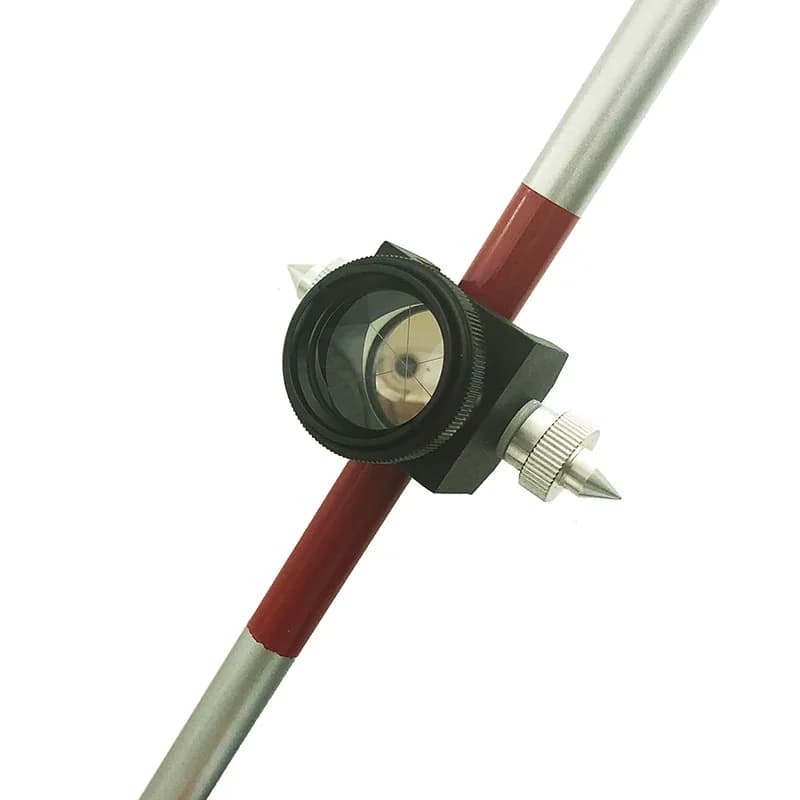
A reflector does not turn the beam around at its front face. The light travels into the glass and back, so the measured distance differs from the true distance to the target point by a fixed amount, and that amount is the prism constant.

The instrument corrects for it using a value you enter, and the value belongs to the specific prism. Mixing prisms from different makers, or using a mini prism with the setting for a standard one, applies the wrong correction to every measurement in the job. The error is constant, which makes it far harder to spot than a random one, because everything looks internally consistent.

Reflectorless measurement removes the prism and its constant and brings its own limits. Range collapses on dark, wet or oblique surfaces, and the beam has a physical width at distance, so aiming at an edge can return a reading from whatever is behind it. Use it for detail that cannot be reached, not for control.

Setting up, and the check that cancels error

Setting up is centring the instrument exactly over the ground mark and levelling it. The tribrach footscrews level the instrument while the plummet keeps it over the point, and the two interact, so the process alternates between them until both hold.

A plate bubble that drifts as the instrument is rotated indicates the bubble itself is out of adjustment, not that the setup is wrong. That is a calibration job rather than something to chase with the footscrews.

The most valuable habit in angle measurement is observing on both faces. Take the reading, then transit the telescope and rotate through half a turn, and take it again. Averaging the two cancels collimation and trunnion axis errors almost entirely, which means a well used instrument with a small residual error still produces correct work.

Atmosphere, calibration and looking after it

Electronic distance measurement times light through air, and air density changes the speed. Temperature and pressure therefore shift the result, which is why instruments accept both and apply a parts per million correction. Over a short setting out distance the effect is negligible; over hundreds of metres on a hot day it is not, and leaving yesterday values in the instrument is a quiet source of error.

Field checks catch most problems before they reach the drawing. Measuring a known baseline, closing a traverse back onto its start, and observing a check point that is not part of the setup all reveal trouble on site rather than in the office.

These are optical instruments with fine bearings, and the case exists for a reason. Carry them in it, let a cold instrument warm to ambient temperature before use so the optics stop misting, and keep tripod fixings tight, since a creeping tripod produces drift that looks exactly like real movement in the data.

James Whitfield, Equipment Desk editor at Compel GroupJames WhitfieldEquipment Desk

James edits the machine and equipment buying guides. The specifications on these pages are the declared figures from the live listings we hold, with a note wherever a number comes from a published standard instead. Pages are re-checked as the catalogue changes.

Share
Add Compel Group as a preferred source on Google

Buying guide

Total Stations and Theodolites questions

What is the difference between a theodolite and a total station?
A theodolite measures angles only. A total station adds electronic distance measurement and an onboard computer, so a single observation returns a three dimensional coordinate rather than angles you then work up by hand.
What is a prism constant and why does it matter?
Light travels into the reflector glass and back, offsetting the measured distance by a fixed amount. The instrument corrects using a value you enter, and a wrong value shifts every distance in the job by the same amount, which is hard to spot.
Is reflectorless measurement as good as using a prism?
No, and it is not meant to be. Range collapses on dark, wet or oblique surfaces, and the beam has width at distance so aiming near an edge can return the surface behind. Use it for unreachable detail, not for control.
Why observe on both telescope faces?
Averaging a reading taken on both faces cancels collimation and trunnion axis errors almost entirely, so an instrument with a small residual error still produces correct results.
Do I need to enter temperature and pressure?
For accurate distances, yes. Air density changes the speed of light, and the instrument applies a parts per million correction from the values you give it. Over long distances stale values are a real error.
What does angular accuracy in seconds mean?
How finely the instrument resolves an angle, where a smaller number is better. It matters most over long sights, since an angular error translates into a bigger positional error the further away the target is.