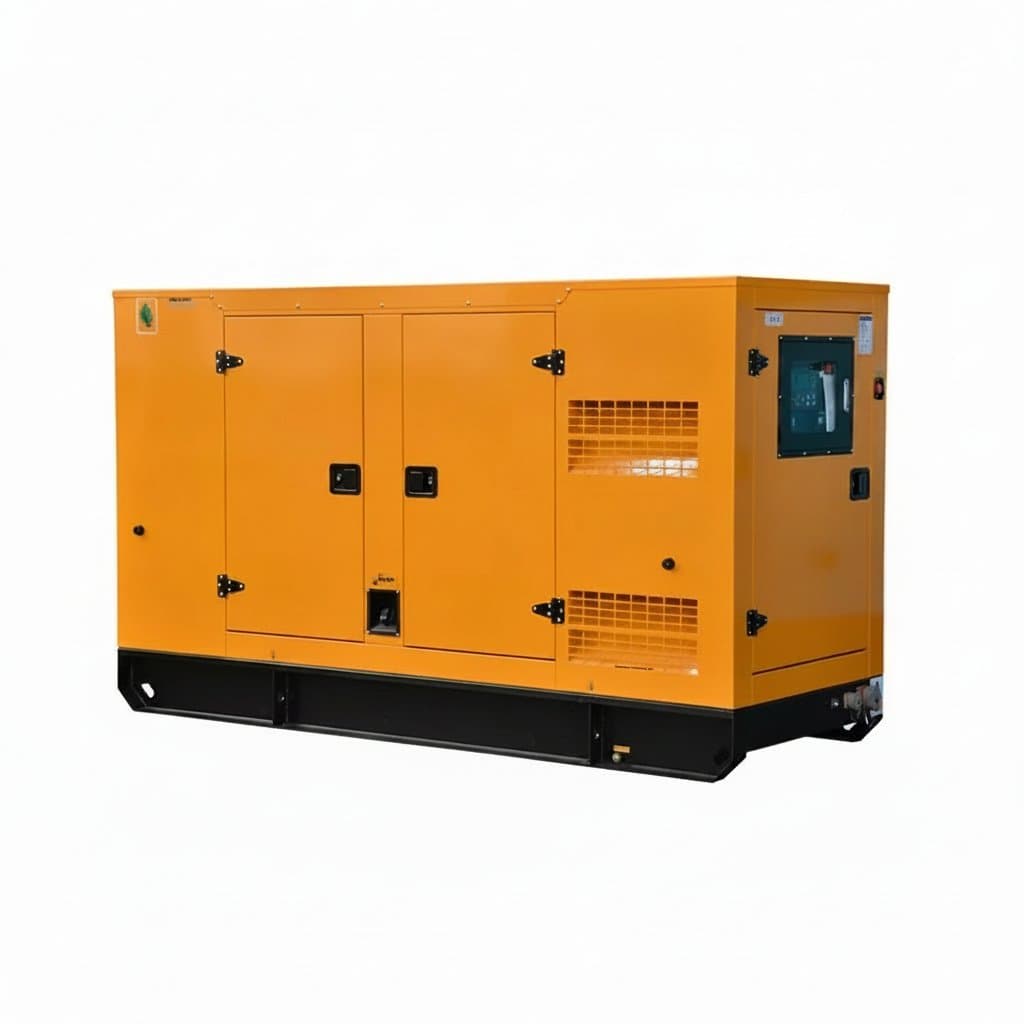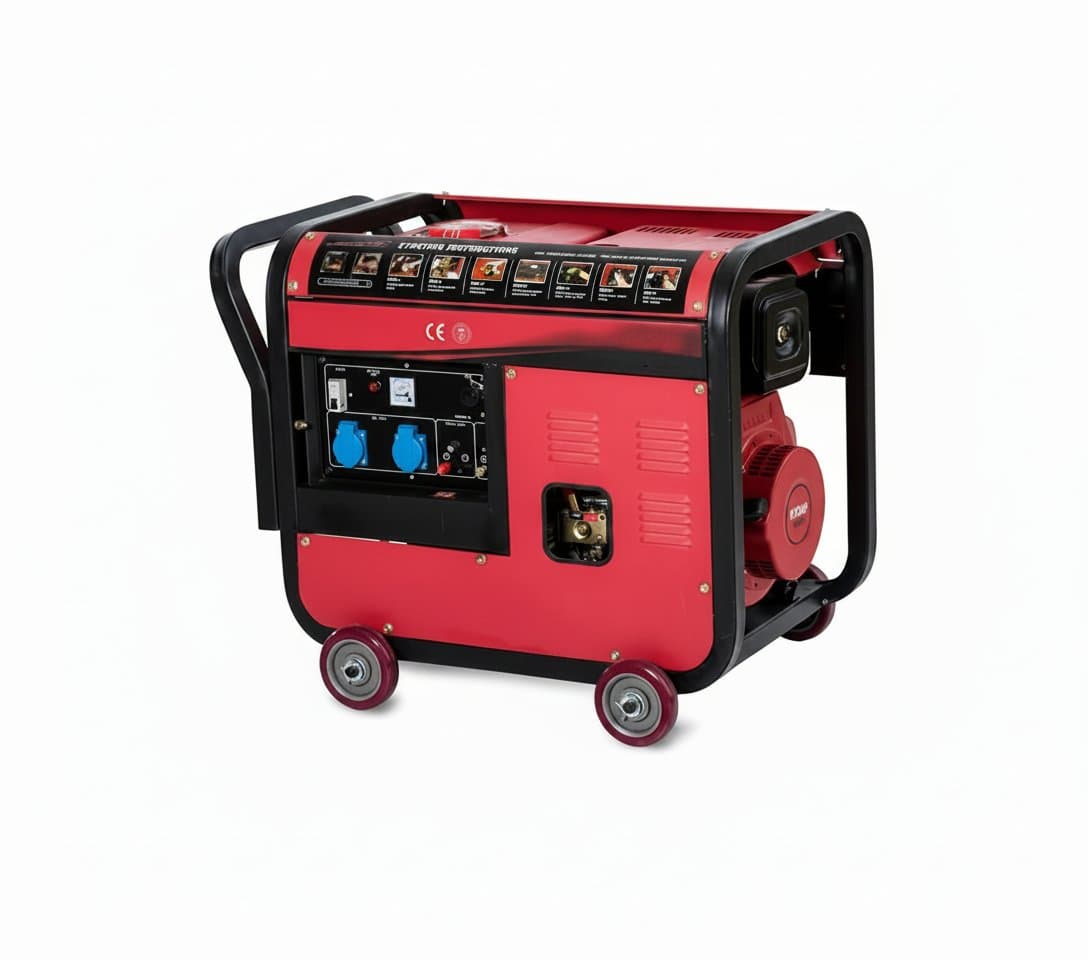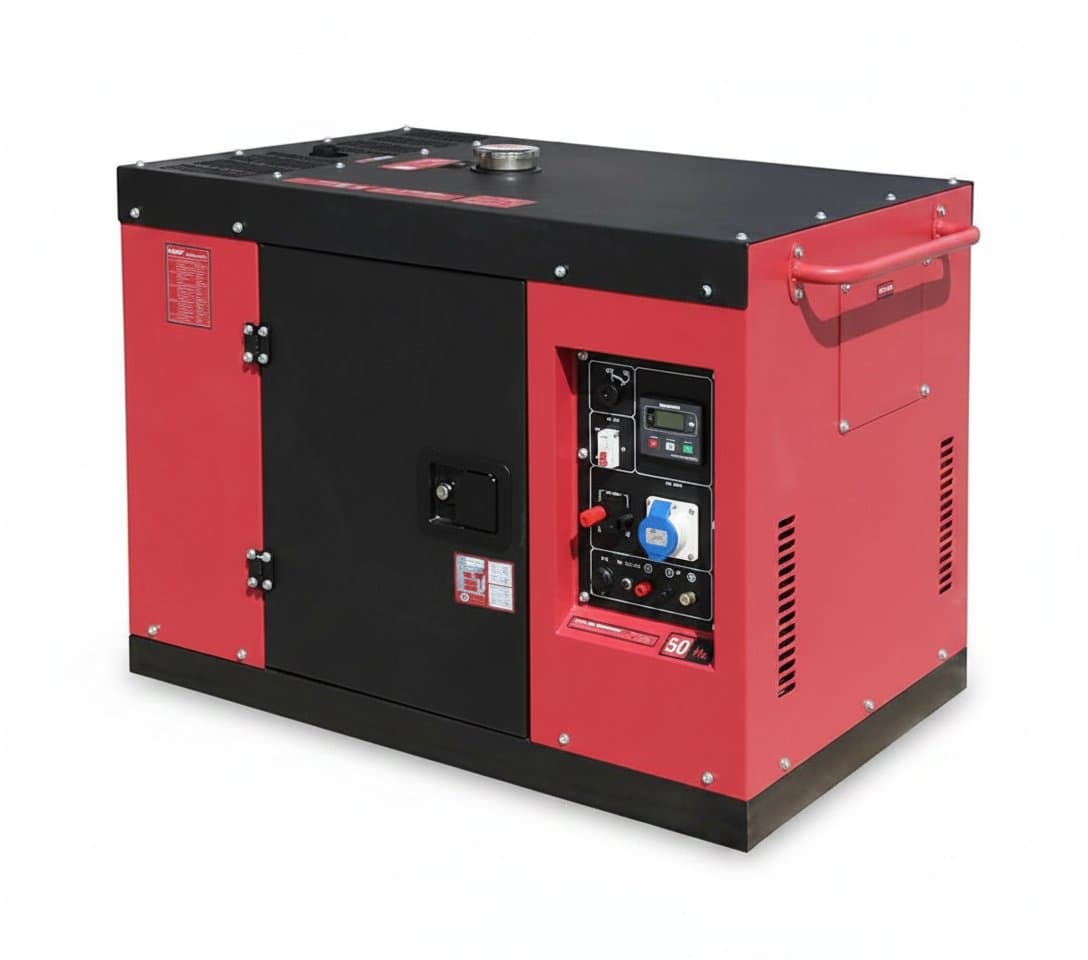
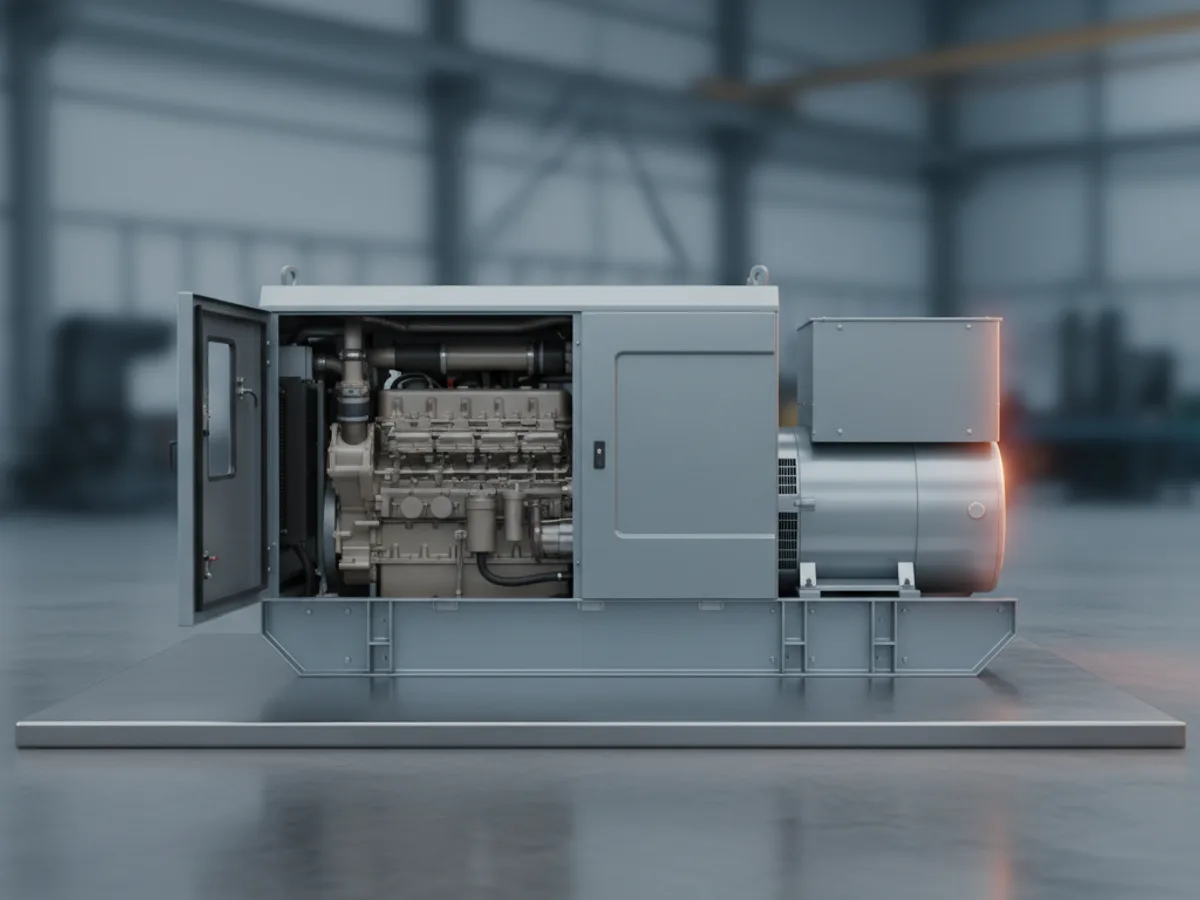
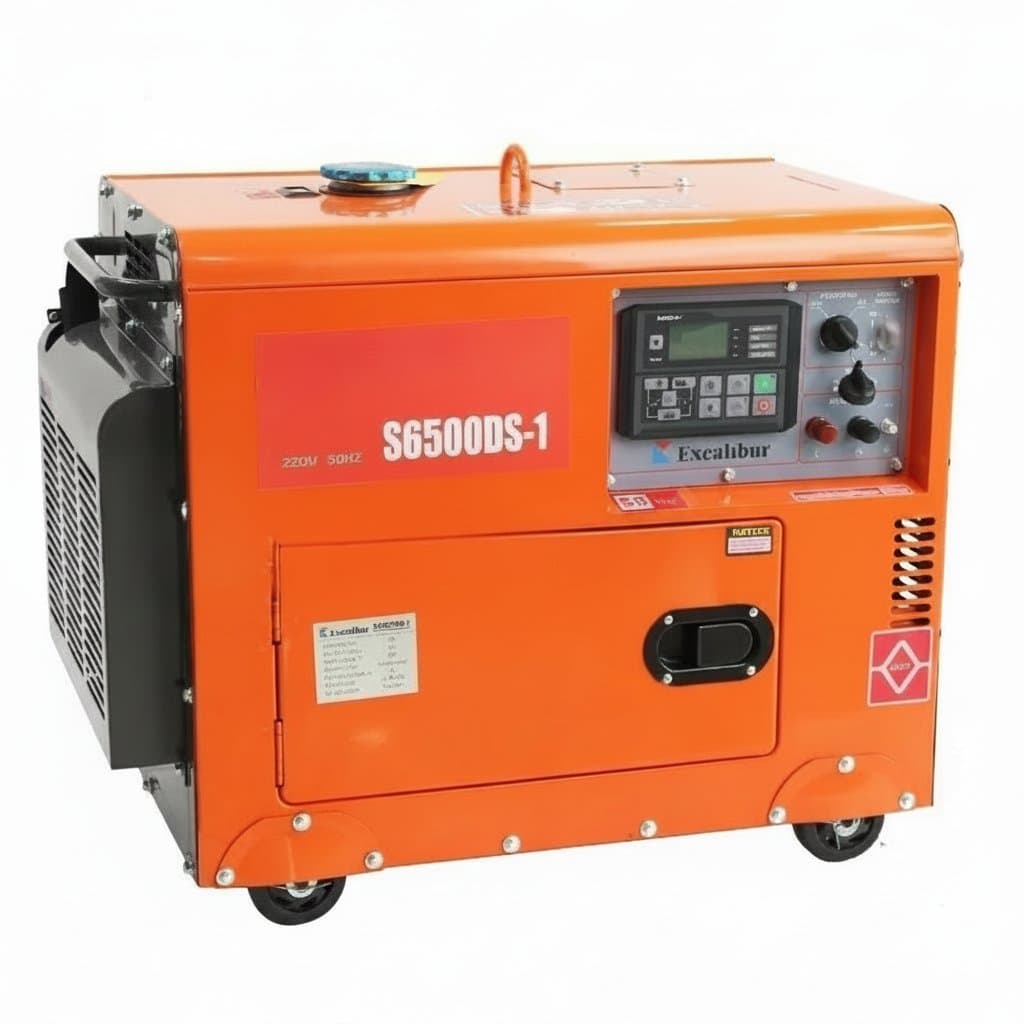
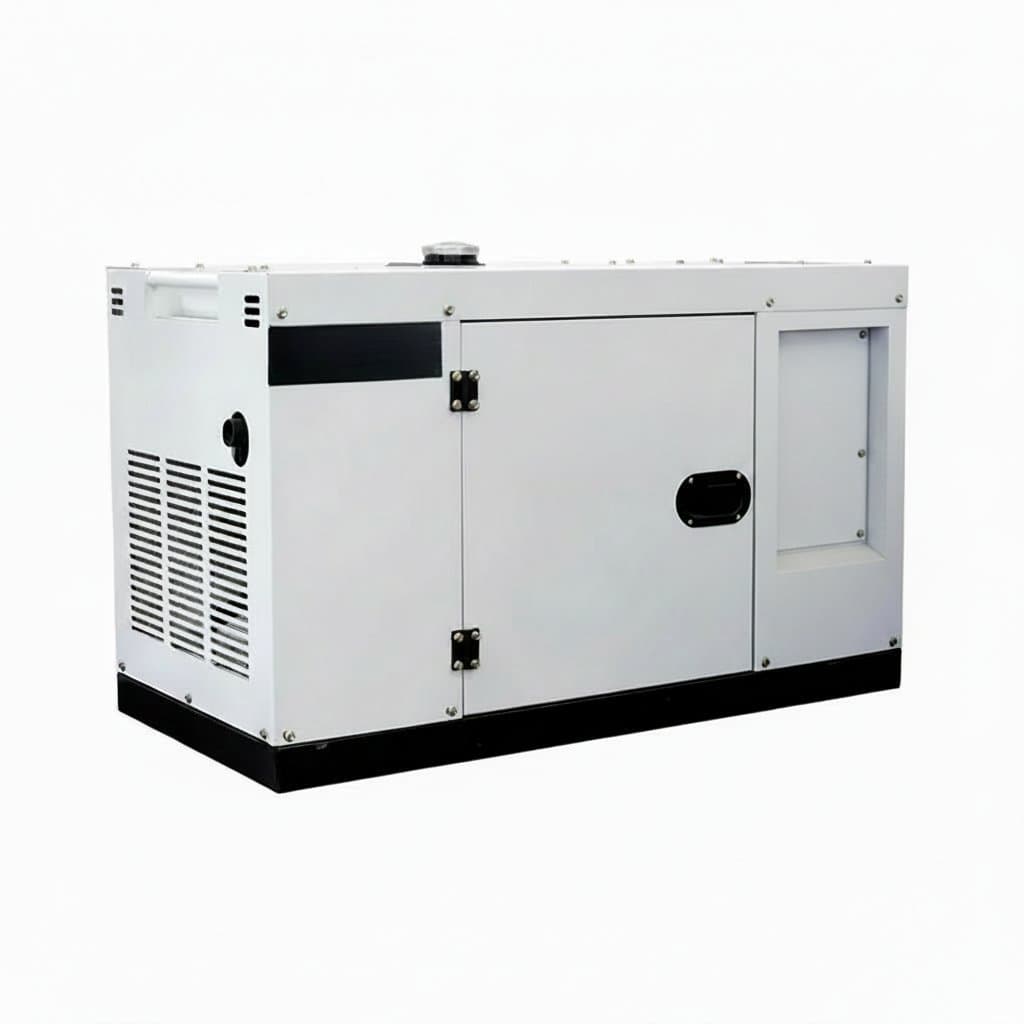
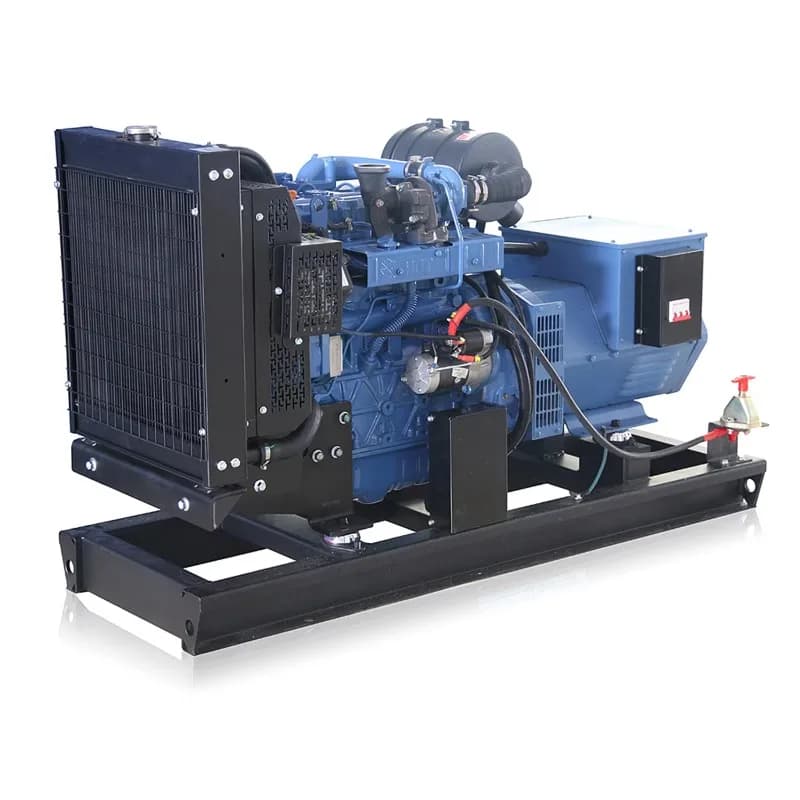
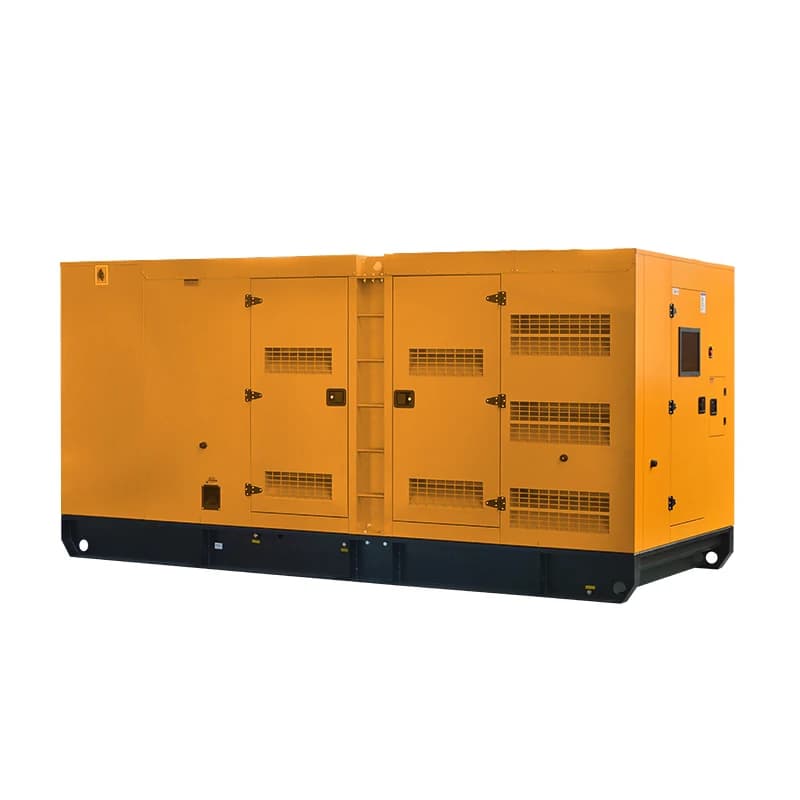
Prime, standby and continuous are the same machine
One generator carries several output figures, and they describe permitted use rather than different hardware. The standby rating is the highest, and it applies only to emergency running during a mains failure, for a limited number of hours a year, with no overload capacity at all.
The prime rating is lower and allows unlimited hours at a varying load, which is what a site or an event needs. The continuous rating is lower again and covers a constant load running indefinitely, which is what an off grid installation needs.
Comparing two sets on their headline numbers therefore compares nothing unless both numbers are the same rating. A set advertised at its standby figure will look larger than an identical machine advertised at its prime figure, and it is the same generator.
| Rating | Permitted use | Typical application |
|---|---|---|
| Standby | Emergency only, limited hours a year, no overload | Mains failure backup |
| Prime | Unlimited hours at a varying load | Site power, events, hire |
| Continuous | Constant load, indefinitely | Off grid and base load |
| kVA against kW | Multiply kVA by the power factor | 100 kVA gives roughly 80 kW |
Motor starting decides the size, not the running load
Adding up the running watts of everything on the site gives a number that is often far too small. Induction motors draw several times their running current at the instant they start, and that surge is what the generator has to supply without the voltage collapsing.
A generator that is too small does not simply run out of power. The voltage dips as the motor starts, contactors drop out, drives trip on undervoltage, and the load disconnects itself. The set looks lightly loaded on its meter, and nothing on site will run.
The fix is to size on starting kVA rather than running kW, and to stagger starts where several motors are involved. Soft starters and variable frequency drives reduce the surge dramatically, which often lets a smaller and much cheaper set do the job.
Running a diesel set too lightly damages it
A diesel engine needs load to reach and hold its working temperature. Run one at a small fraction of its rating for long periods and the combustion temperature never rises far enough to burn the fuel completely, so unburnt diesel and soot accumulate in the exhaust and around the piston rings.
That condition is called wet stacking, and it shows as oily deposits at the exhaust, black smoke and falling performance. Left alone it glazes the cylinder bores, and the engine then burns oil and loses compression permanently.
Keeping the set loaded above roughly a third of its rating avoids it, which is an argument against buying a generator far larger than the load. Where a standby set is necessarily oversized, exercising it under a load bank rather than off load is what keeps it healthy.
Changeover, fuel and the canopy
A standby set needs an automatic transfer switch to detect the mains failing and change the load over. The critical function of that switch is not the changeover but the interlock: it must be impossible for the generator to feed the incoming supply, because backfeeding a network endangers anyone working on it. This is switchgear for a qualified installer, not an extension lead.
Fuel is a running consideration rather than a purchase one. Base tanks give a stated run time at a stated load, and that figure assumes full load. Diesel also degrades in storage and grows microbial contamination, so a standby set that sits for years needs its fuel tested, treated or polished rather than trusted.
Acoustic canopies are quoted as a sound level at seven metres, which is the figure to compare between sets. It is measured in open conditions, so a set placed against a wall or in a yard that reflects sound will read higher in practice than the specification suggests.