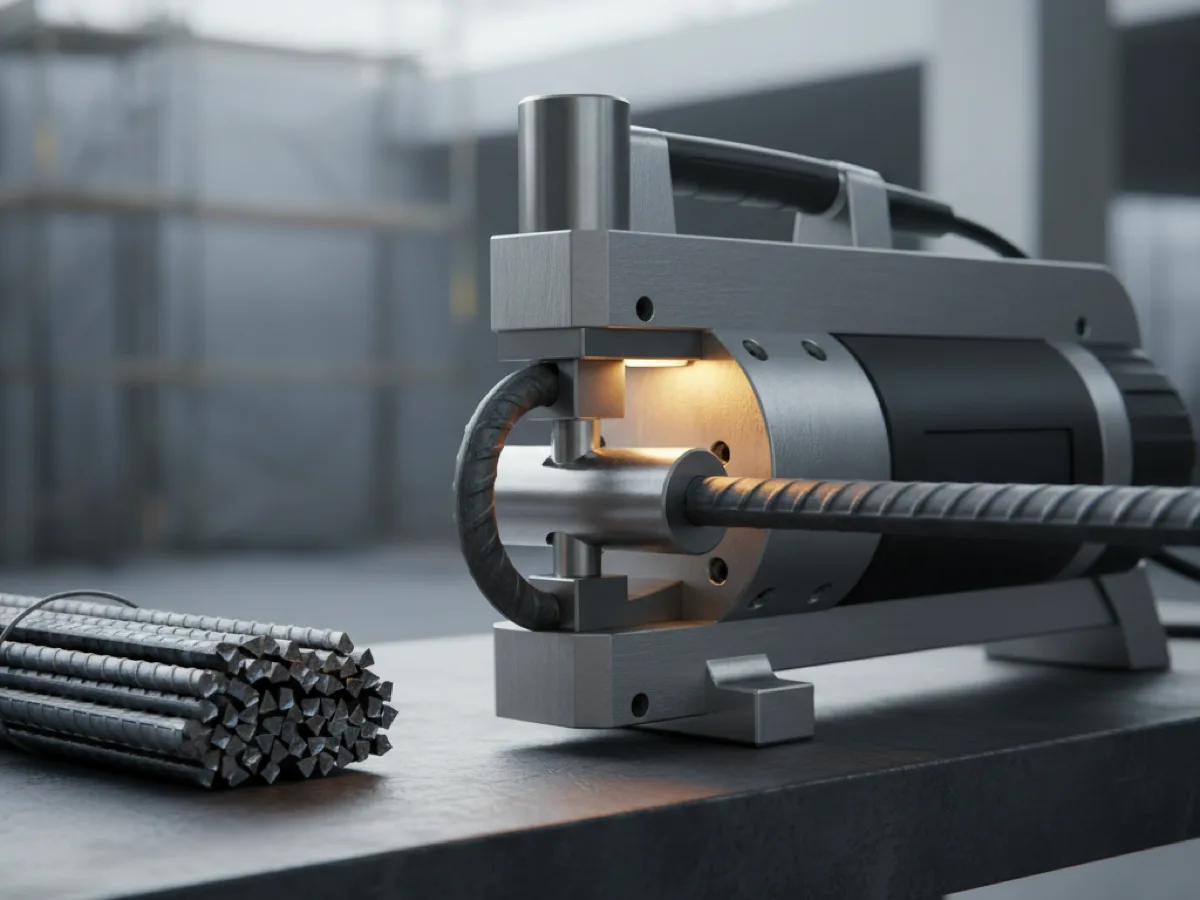
Reinforcement is bent cold, never hot
Reinforcing bar gets its strength from its composition and, in the case of the common ribbed bars, from controlled cooling during manufacture. Heating a bar to make it easier to bend undoes that. The heated zone loses strength and the change is invisible once the steel cools, so a bar that looks fine may be substantially weaker exactly where the bend concentrates stress.
Cold bending around a correctly sized former is the method, and it is why a bender is a machine with a mandrel rather than a lever and a blowtorch. In the UK, bar bending and scheduling follow BS 8666, which sets the shape codes and the minimum forming radii used on reinforcement drawings.
Bend radius is a limit, not a preference
Every bend has a minimum internal radius expressed as a multiple of the bar diameter, and it exists because the outside of the bend is in tension. Bend tighter than the specified radius and the outer face can crack, which is a defect in the finished cage rather than a cosmetic problem. Larger bars need proportionally larger radii, which is why a machine that handles 32 mm bar is physically much bigger than one that stops at 16 mm.
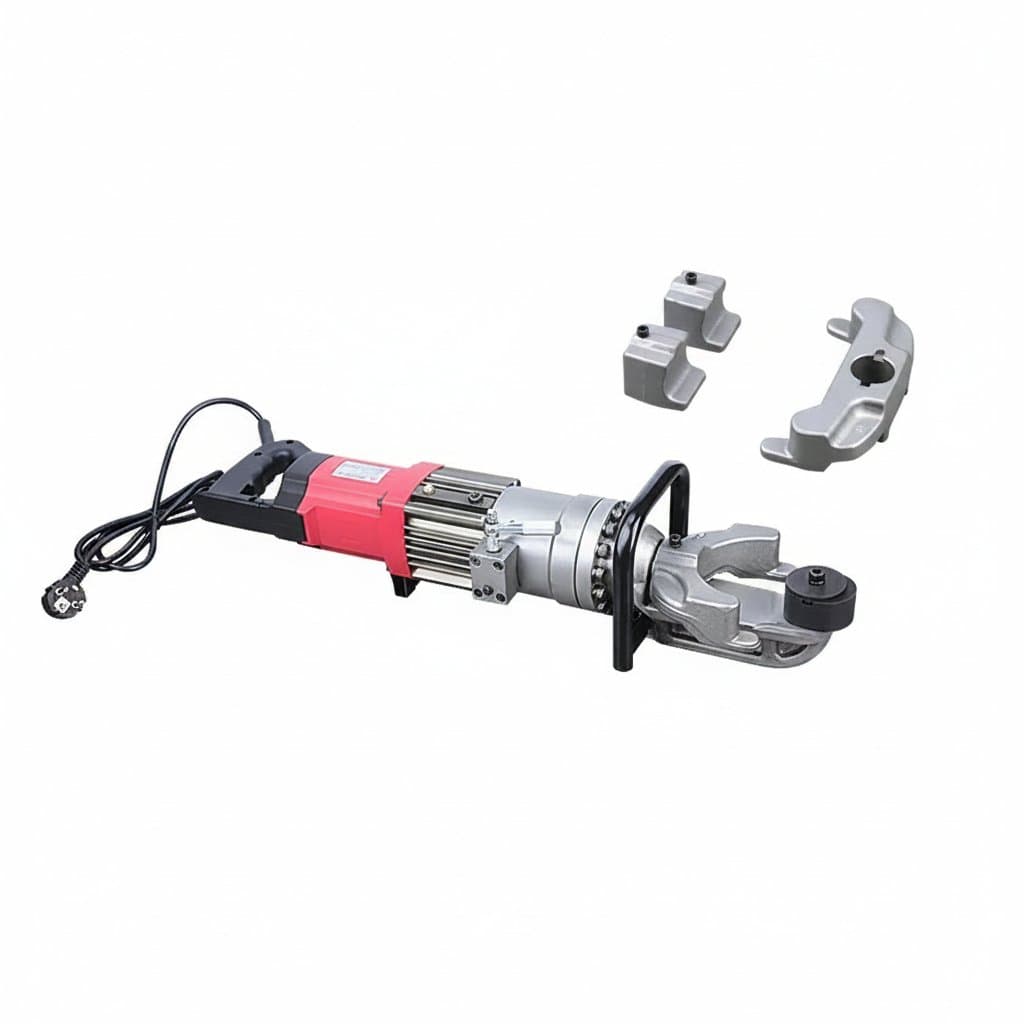
That is also why the mandrel or former is not interchangeable between sizes. Check that the machine ships with formers covering the bar sizes on the schedule, because a bender that reaches 25 mm but only has formers up to 16 mm is a 16 mm machine in practice.
| Capacity | Typical work | Practical form |
|---|---|---|
| Up to 16 mm | Stirrups, links, light slab and wall mesh | Handheld or bench, often manual hydraulic |
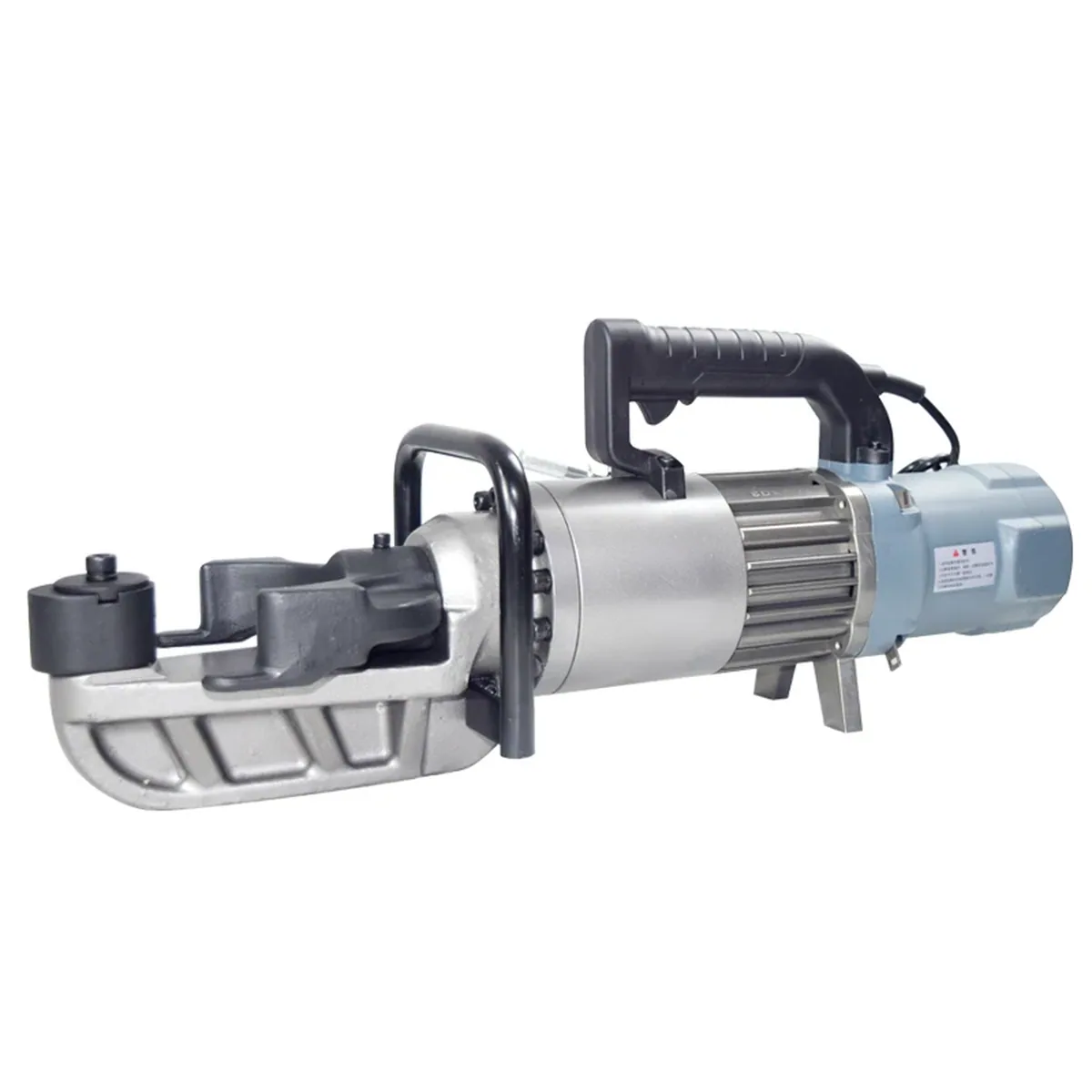
| Up to 25 mm | General site reinforcement, beams, columns | Portable electric hydraulic |
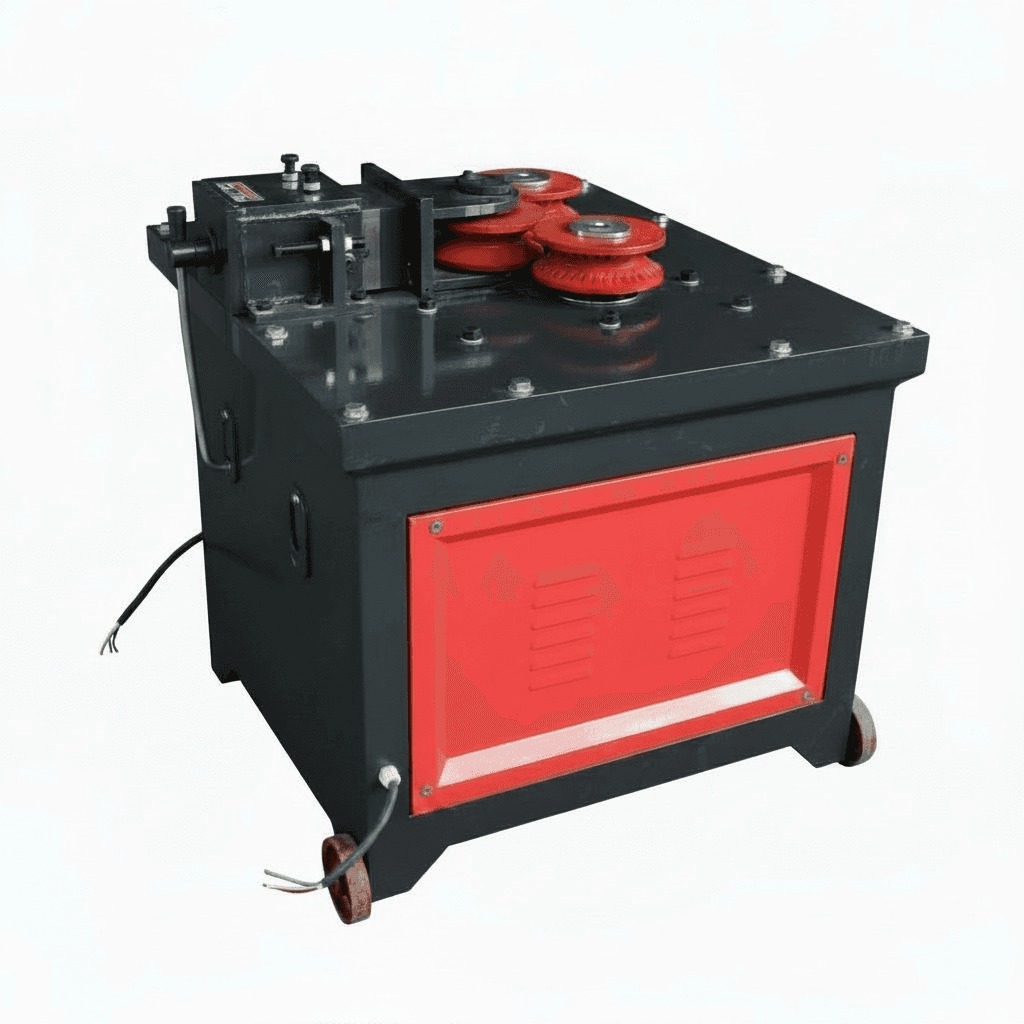
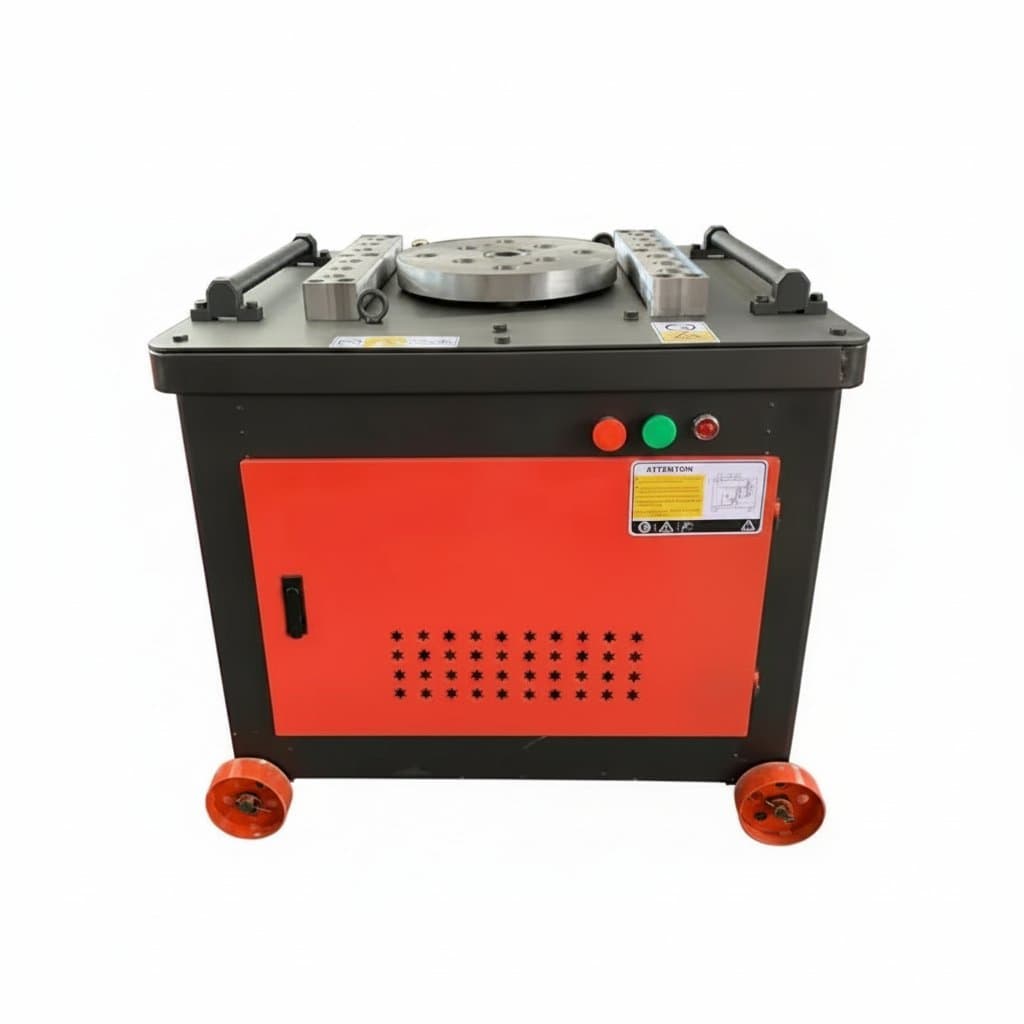
| Up to 32 mm and above | Heavy foundations, large columns, piling cages | Bench or floor machine, three phase |
Manual, electric hydraulic and bench machines
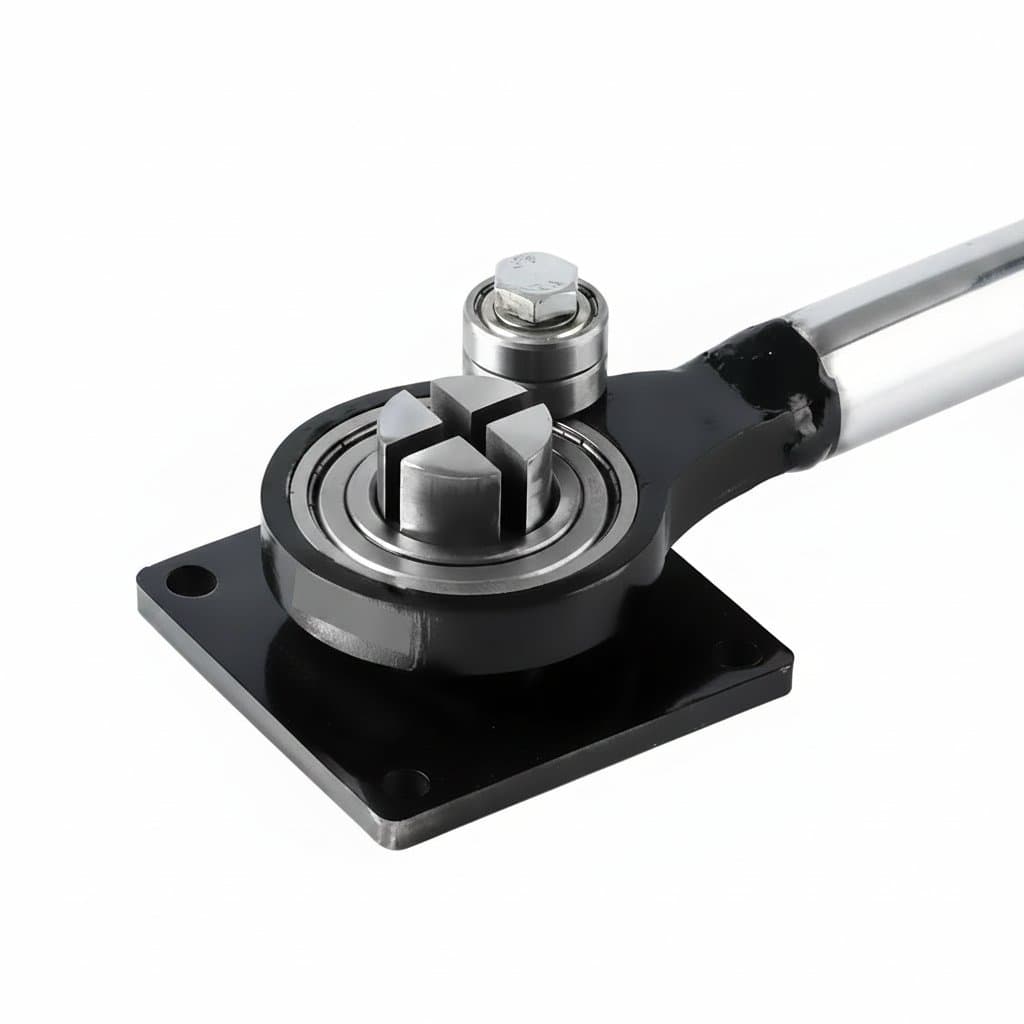
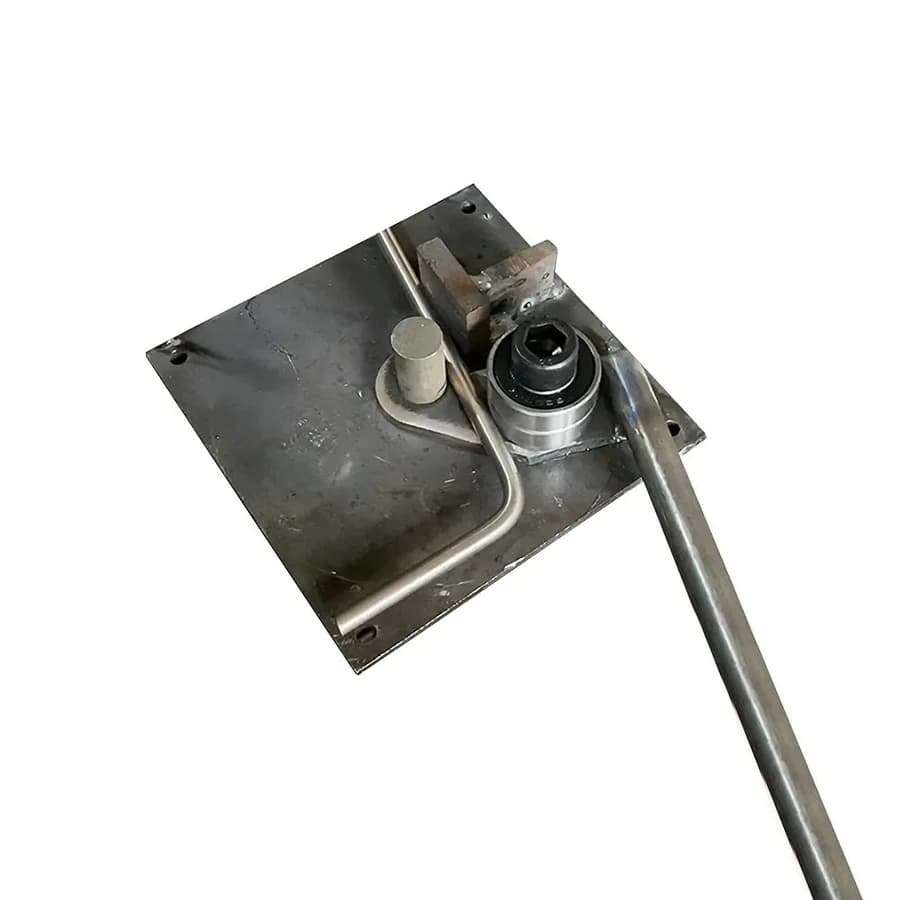
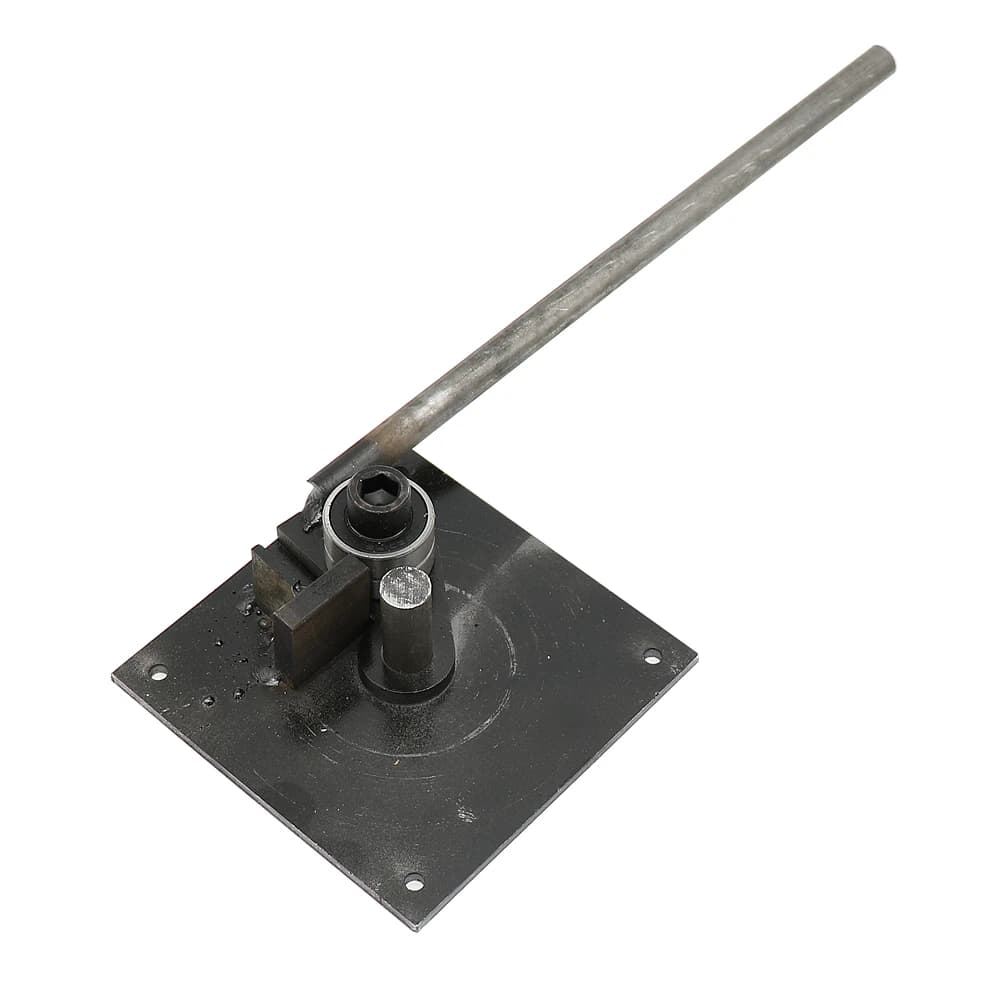
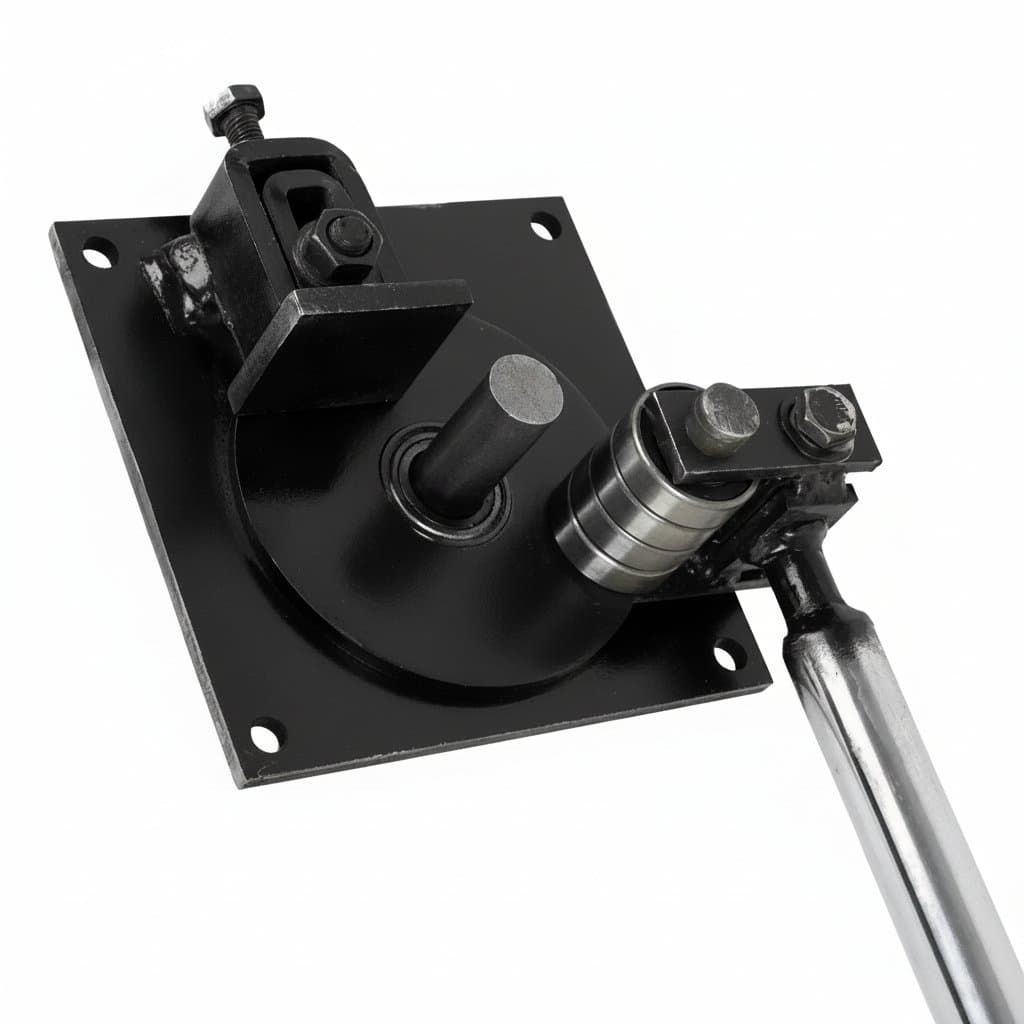
A manual hydraulic bender is a hand pump driving a ram against a former. It needs no power, goes anywhere, and for stirrups and occasional bends it is entirely adequate. Each bend takes a number of pump strokes, so on a day of repetitive work it becomes hard labour rather than a limitation of capability.
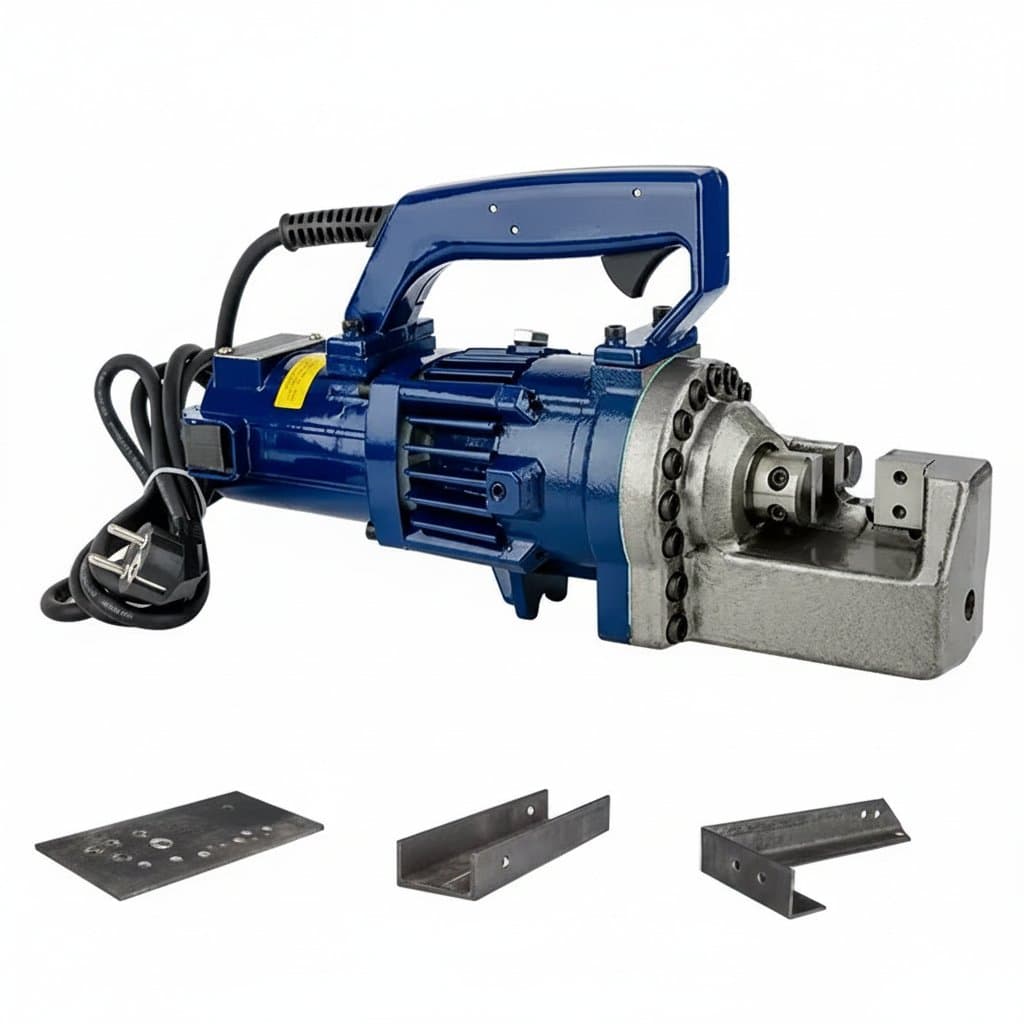
An electric hydraulic unit replaces the pumping and is the usual site answer above light work, because it repeats the same bend at the same speed all day. Bench and floor machines add a stop or an angle setting so a batch of identical bends actually comes out identical, which matters as soon as bars have to fit a cage rather than just be bent.
Cutting: hydraulic shear against abrasive
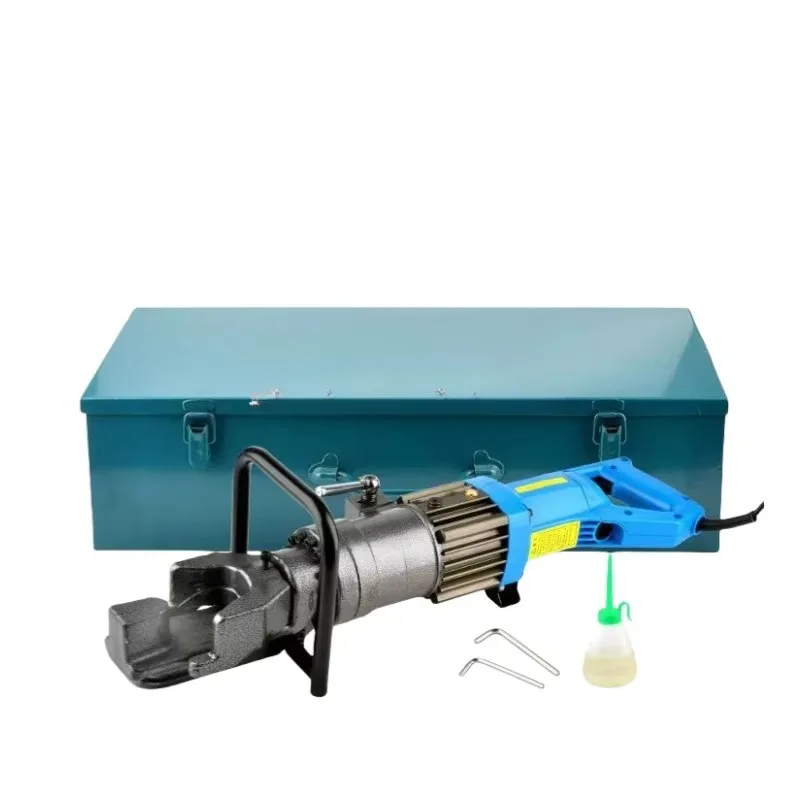
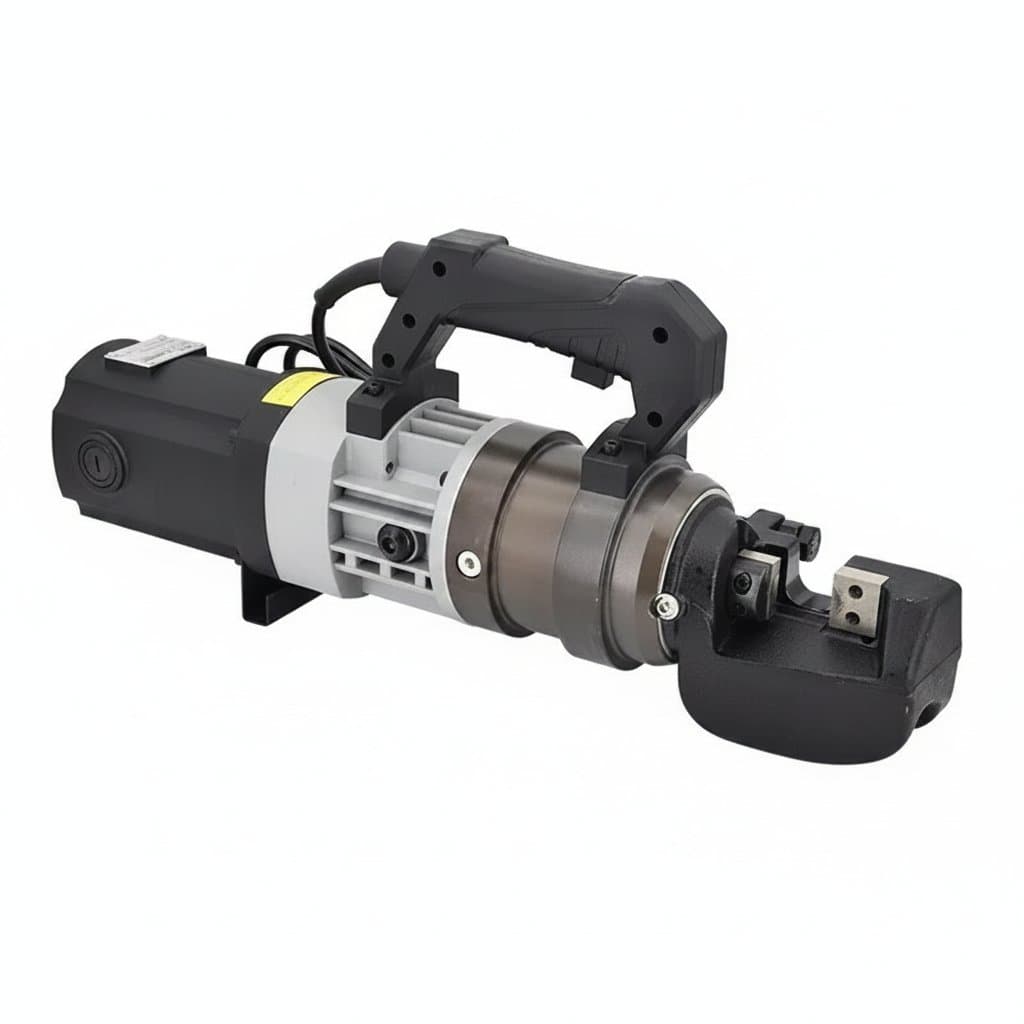
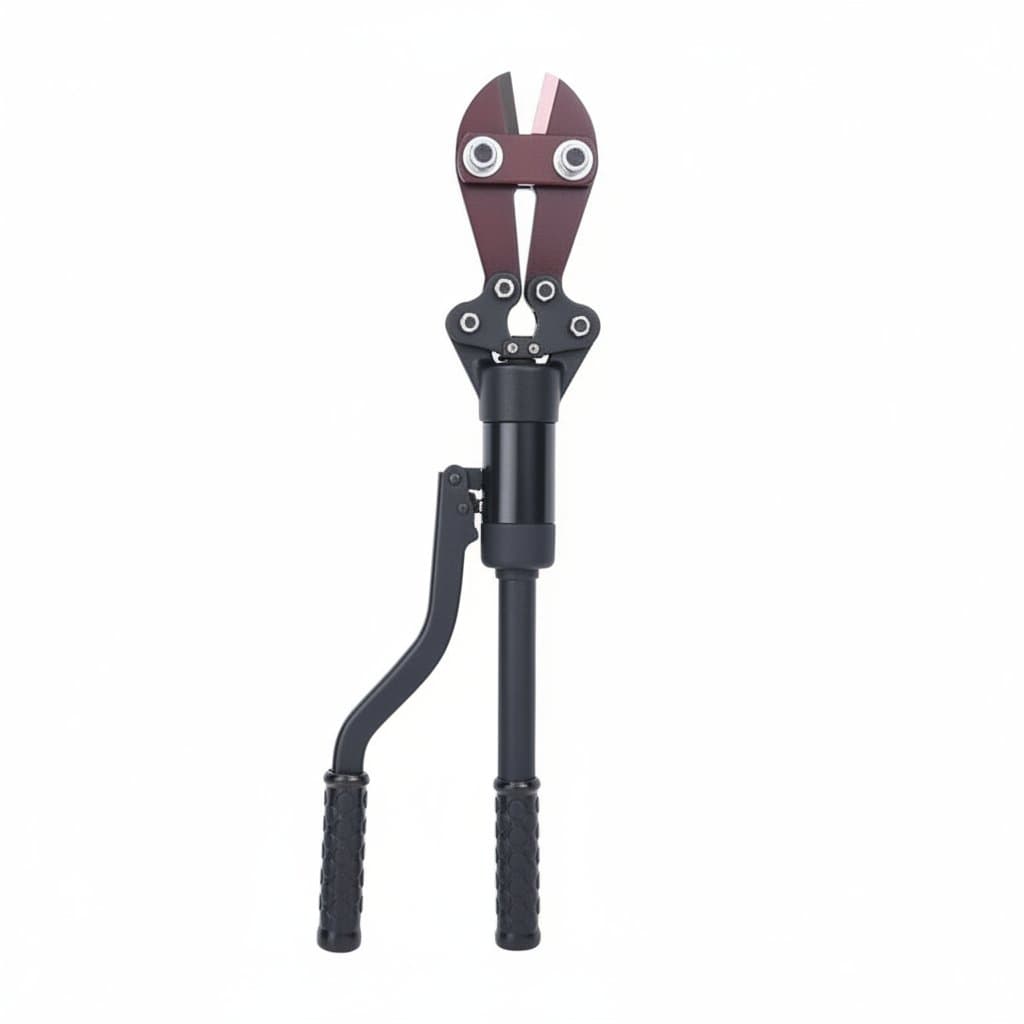
A hydraulic shear cuts by pushing a blade through the bar. It is quiet, throws no sparks, produces no dust and leaves a clean square end, which is why it is the tool of choice where hot work is restricted or where the cut end has to sit against formwork. Blades are a wear part and they are directional, so they get rotated and eventually replaced.
An abrasive disc will cut anything but it is the worse option here: it produces sparks and respirable dust, heats the bar end, and takes longer per cut on heavy sections. If reinforcement is being cut regularly, a shear pays for itself in consumables and in not needing a hot work permit.