Impact energy is the spec, wattage is marketing
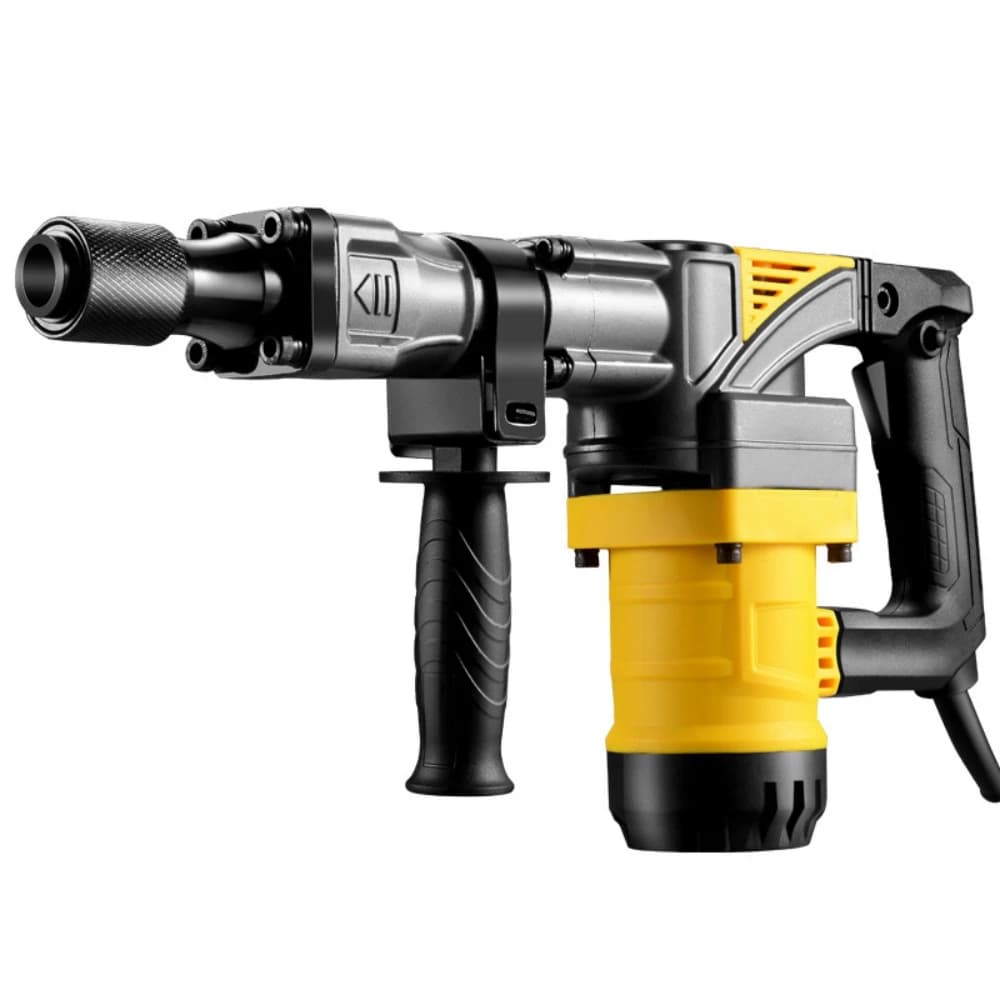
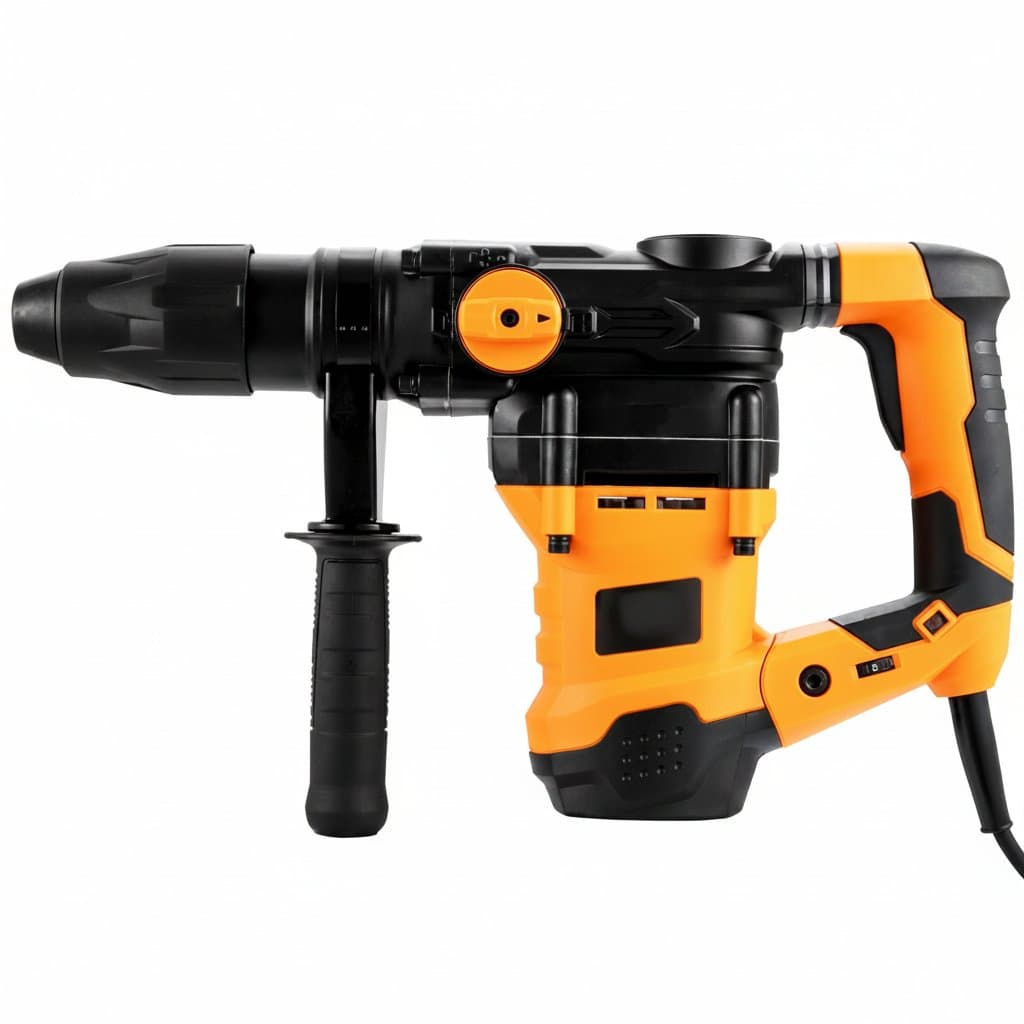
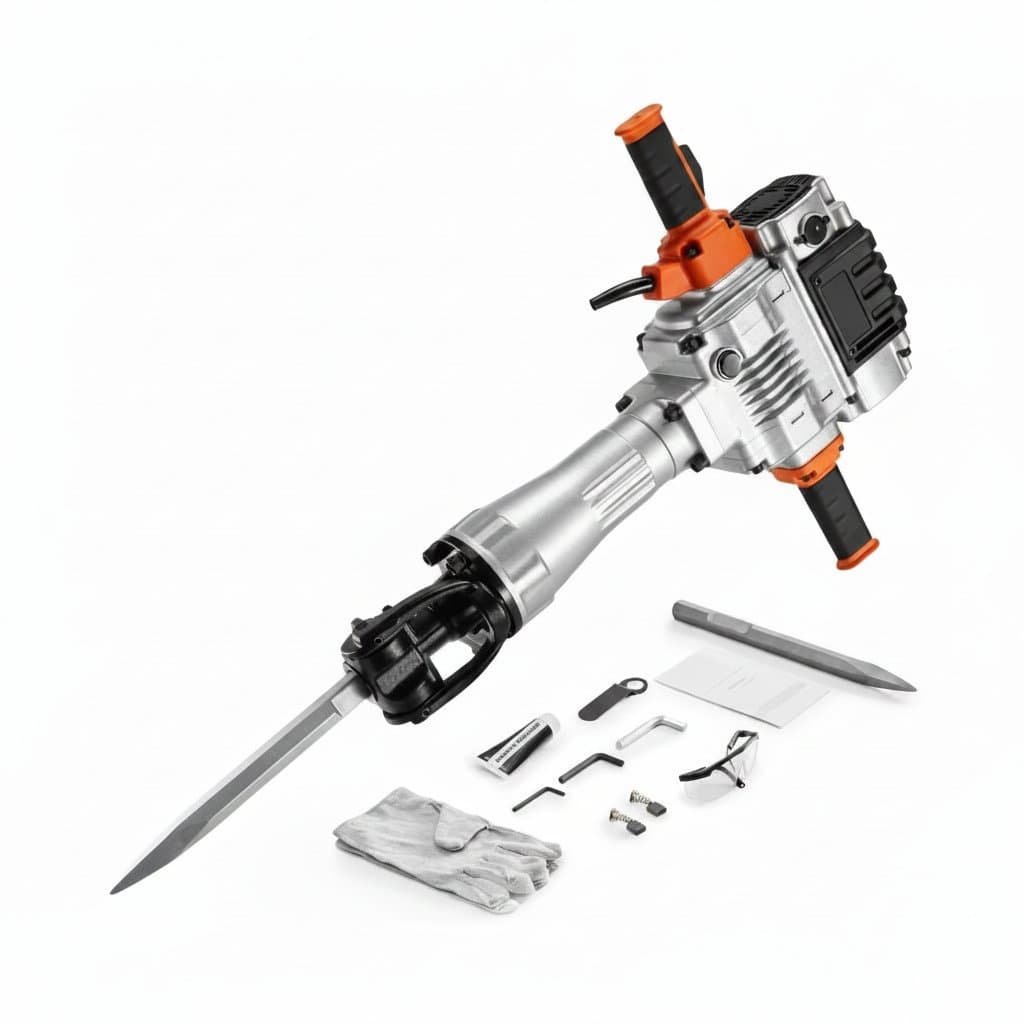
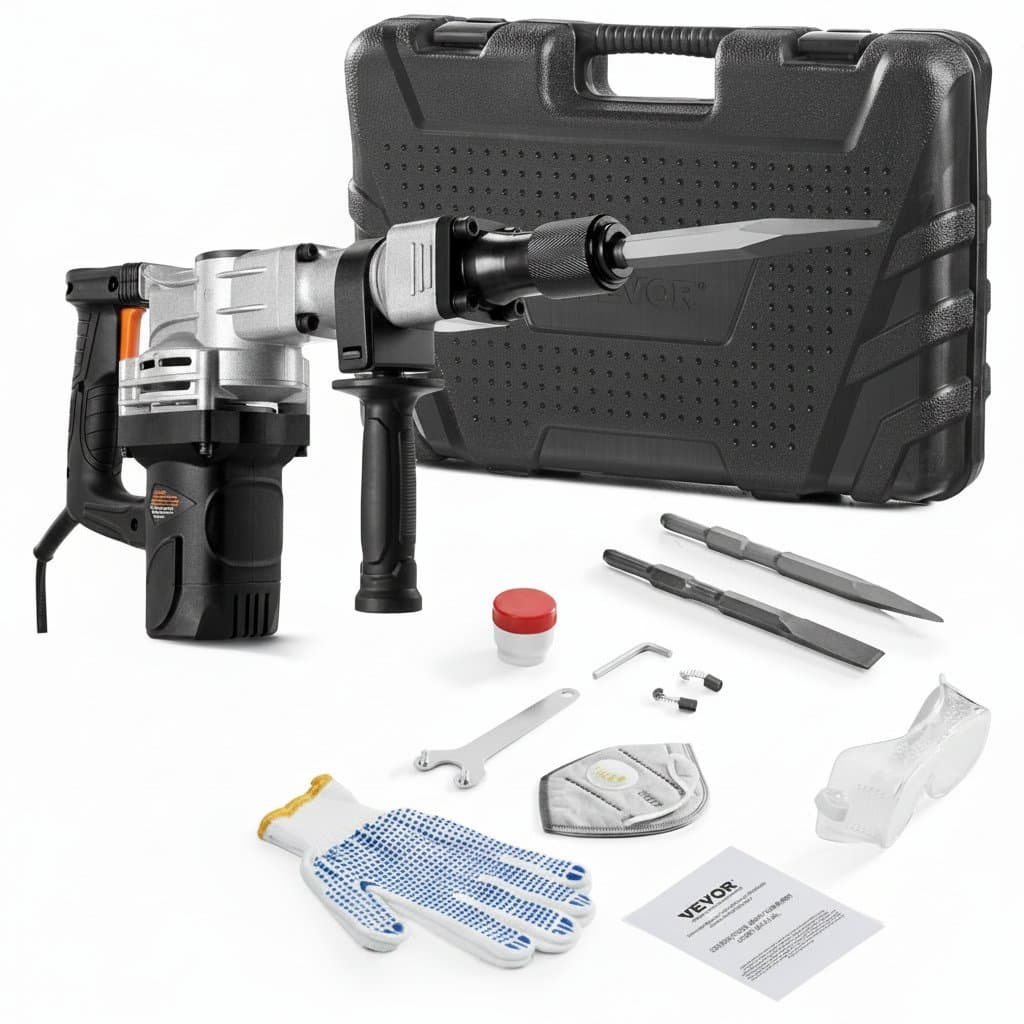
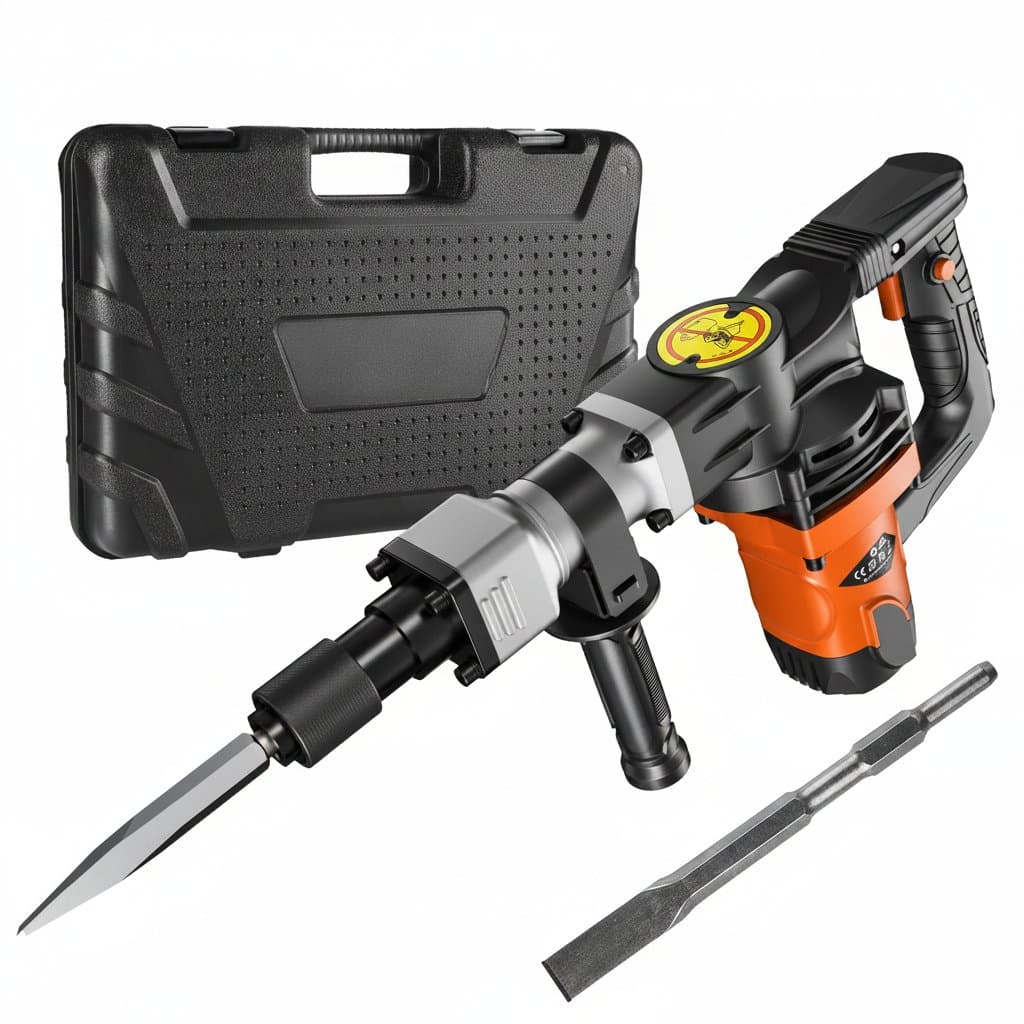
Inside the machine a piston drives an air cushion, and the cushion drives the striker onto the end of the chisel. How hard each blow lands is the impact energy, measured in joules, and that is what decides whether concrete cracks or the tool just dances on the surface. Two hammers rated at the same wattage can differ substantially in joules, because wattage describes what goes into the motor and joules describe what comes out of the chisel.
Blow rate, quoted in blows per minute, is the other half. High energy with a low blow rate suits heavy breaking; lower energy at a higher rate suits chasing and tile removal, where a big blow would take out more than you meant. The spec table below carries both figures for every machine we hold, and they are the two to compare.
| Class | Typical use | Shank | Notes |
|---|---|---|---|
| 5 to 10 kg | Wall chasing, tile and render removal, light chipping | SDS-max or hex | One-handed work is possible but tiring |
| 10 to 20 kg | General breaking, thin slabs, kerbs, footings | SDS-max or 28 mm hex | The usual all-round hire machine |
| 20 to 30 kg | Floor slabs, foundations, road surfacing | 28 mm or 30 mm hex | Two-handed, needs a trolley to move about |
| 30 kg and up | Heavy demolition and mass concrete | 30 mm hex or larger | Consider hydraulic or a machine-mounted breaker |
Shank types decide which chisels fit
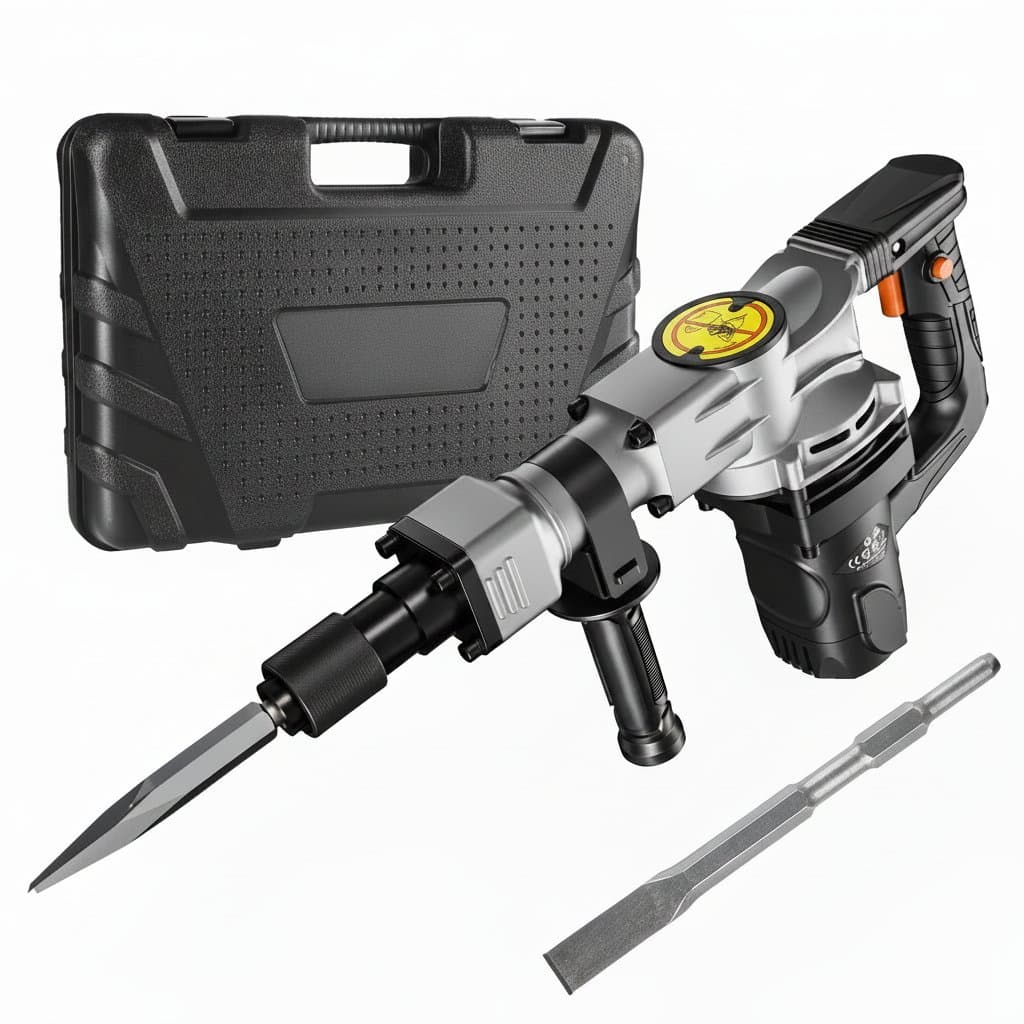
Lighter breakers take SDS-max, the same 18 mm shank used by big rotary hammers, which is convenient if you already own SDS-max chisels. Above roughly 15 kg the standard moves to hex, commonly 28 mm or 30 mm across the flats, because a splined shank of that size would not survive the energy.
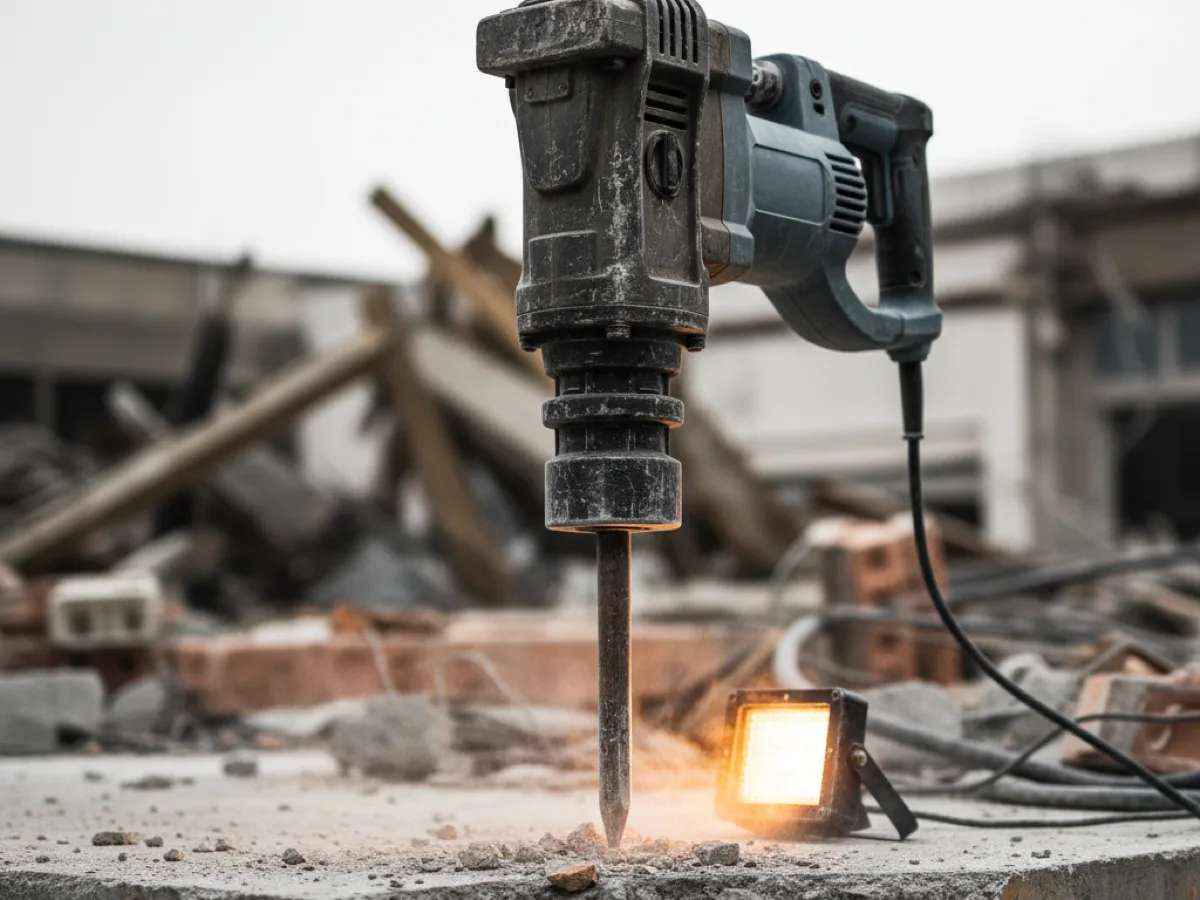
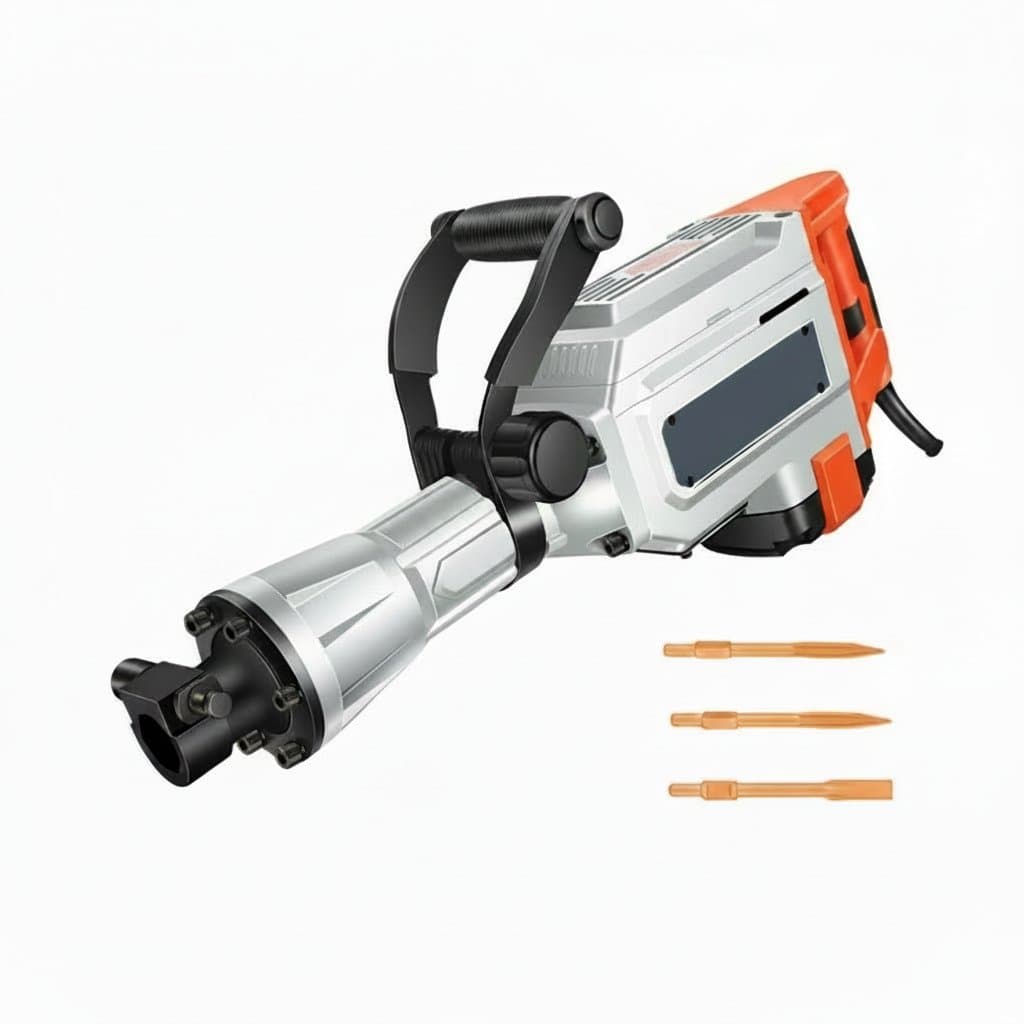
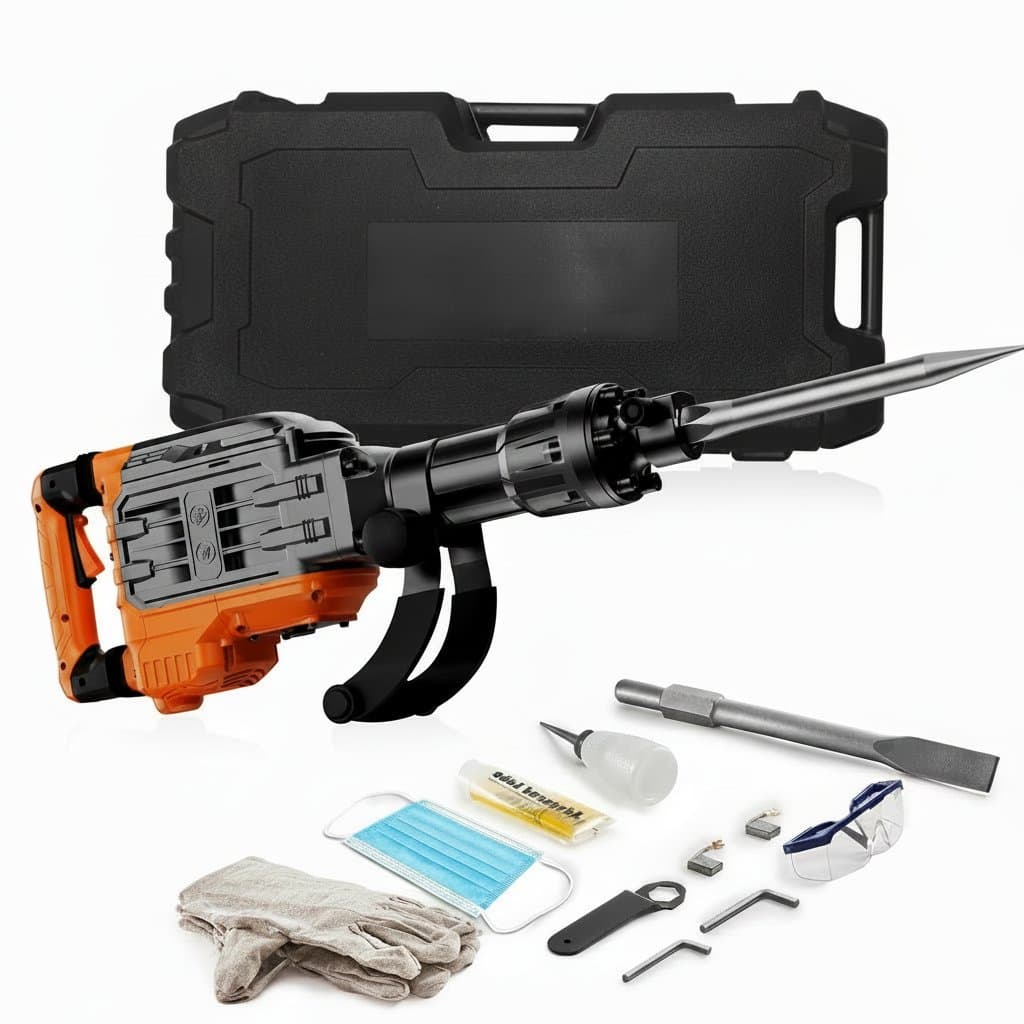
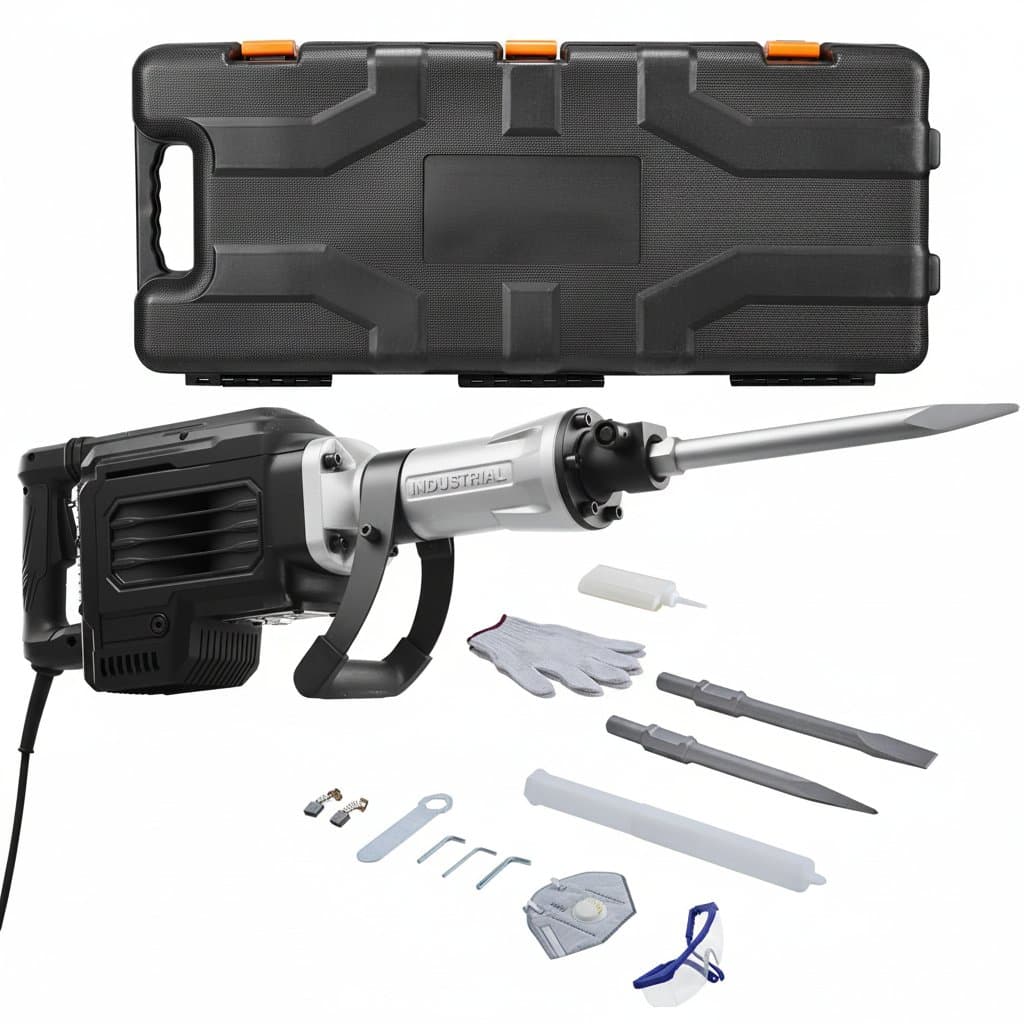
Chisels are consumables and the wrong one wastes the machine. A point concentrates the blow for cracking mass concrete, a flat chisel cuts a line and lifts slabs, and a spade or clay spade moves ground rather than breaks it. Points wear blunt and stop penetrating long before they look worn out, so a dull point that seems to have lost power is usually the chisel, not the hammer.
Vibration exposure is a legal limit, not a comfort feature
Breakers sit at the top of the hand-arm vibration scale. In the UK the Control of Vibration at Work Regulations 2005 set an exposure action value of 2.5 m/s squared A(8) and an exposure limit value of 5 m/s squared A(8), and a heavy breaker can reach the daily limit in a surprisingly short run. This is a planning constraint on how long one person can hold the machine, not a footnote.
Anti-vibration handles and decoupled housings genuinely reduce the declared figure, so compare the manufacturer vibration value between machines rather than assuming they are similar. Rotating operators through the day, keeping the chisel sharp so the work goes faster, and letting the machine weight do the pushing all cut exposure more than gripping harder ever will.
Corded, petrol and where each belongs
A corded breaker is the default: quieter, lighter for its energy, no fumes, and it will run all day given a supply that can take the starting current. On a site with power it is almost always the right answer, and a long extension of adequate cross-section matters more than people expect at these loads.
A petrol breaker exists for the case where there is no supply at all: a field, a verge, a road with no compound. You pay for that freedom in weight, noise, exhaust and maintenance. If the work is indoors or in an occupied building, the fume issue settles it on its own.