

Airless or low pressure
Airless machines pump paint to a very high pressure and atomise it purely by forcing it through a small orifice. That moves a great deal of material quickly, handles thick coatings without thinning, and throws a lot of overspray, which makes it the tool for walls, ceilings, fences and steelwork.
Low pressure systems use a volume of air to atomise a smaller amount of paint gently. They lay down a finer, more controlled finish with far less waste, and they are slower and struggle with heavy coatings.
The choice follows the job rather than the budget. Spraying a warehouse with a low pressure gun is a very long day, and spraying a set of kitchen doors with an airless machine gives a coarser finish and coats the rest of the room. Many workshops end up with one of each.
| Digit | Describes | Choose by |
|---|---|---|
| First digit | Half the fan width in inches at 12 inches | Width of the surface |
| Last two digits | Orifice size in thousandths of an inch | Thickness of the coating |
| Example 517 | Ten inch fan, 0.017 inch orifice | Wall paint on a broad surface |
| Example 310 | Six inch fan, 0.010 inch orifice | Fine finishes and trim |
Tip numbers, and what wear does
The three digit tip number encodes both the fan width and the orifice. Double the first digit for the approximate fan width in inches at a foot from the surface, and read the last two digits as the orifice in thousandths of an inch.
Orifice size is chosen by the coating, since thicker material needs a bigger hole to pass through, and fan width is chosen by the surface, since a wide fan on a narrow rail wastes most of the paint. Getting either wrong produces a poor finish that no amount of pressure adjustment fixes.
Tips wear from the inside as paint scours past. As the orifice grows the machine puts out more paint through a narrower fan, so coverage gets heavier, runs appear, and consumption rises noticeably. A tip that needs more passes to cover is usually worn rather than blocked, and reversible tips let you clear an actual blockage by turning the tip and triggering.
Injection injury and the trigger lock
Fluid leaving an airless tip does so fast enough to penetrate skin without any apparent wound. An injection injury looks like a pinprick and a little discomfort, and beneath the surface the paint and its solvents are spreading through tissue where they cause serious damage within hours.
It is treated as a surgical emergency. Anyone injected needs a hospital immediately, told that it was a high pressure injection injury and what the material was, because the presentation looks trivial and the outcome depends on rapid treatment.
The practical rules follow from that. Never point the gun at anyone, never test the spray against your hand, engage the trigger lock every time you set the gun down, and relieve the pressure through the prime valve before touching a tip, a filter or a hose. Fit the tip guard and leave it on.
Pressure, filters and flushing
Use the lowest pressure that fully atomises the coating. Winding it up produces a finer mist and much more overspray, wears the tip faster and moves more paint into the air than onto the wall. If the fan shows tails at the edges, raise the pressure a little; if it is already atomising, leave it alone.
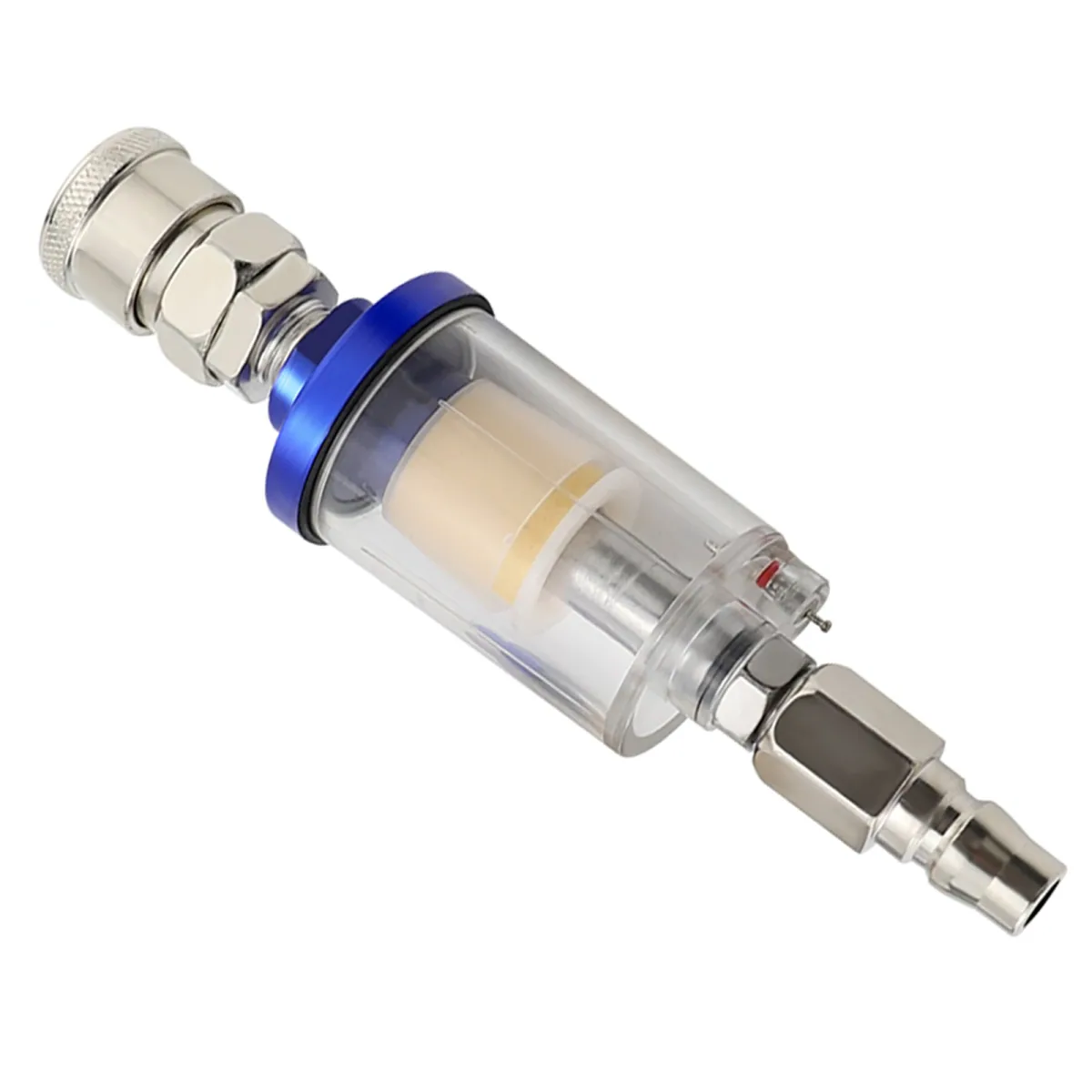
These machines have several filters, typically at the intake, in the manifold and inside the gun, and blocked filters produce exactly the symptoms people blame on the pump. Check them before concluding a machine is worn out.
Paint left to dry inside is what kills airless pumps. Flush thoroughly at the end of every job with the right solvent for the coating, and store with a pump preservative rather than water if the machine will sit. That single habit accounts for most of the difference between a sprayer that lasts a decade and one that fails in a season.