Why a new trowel leaves lines
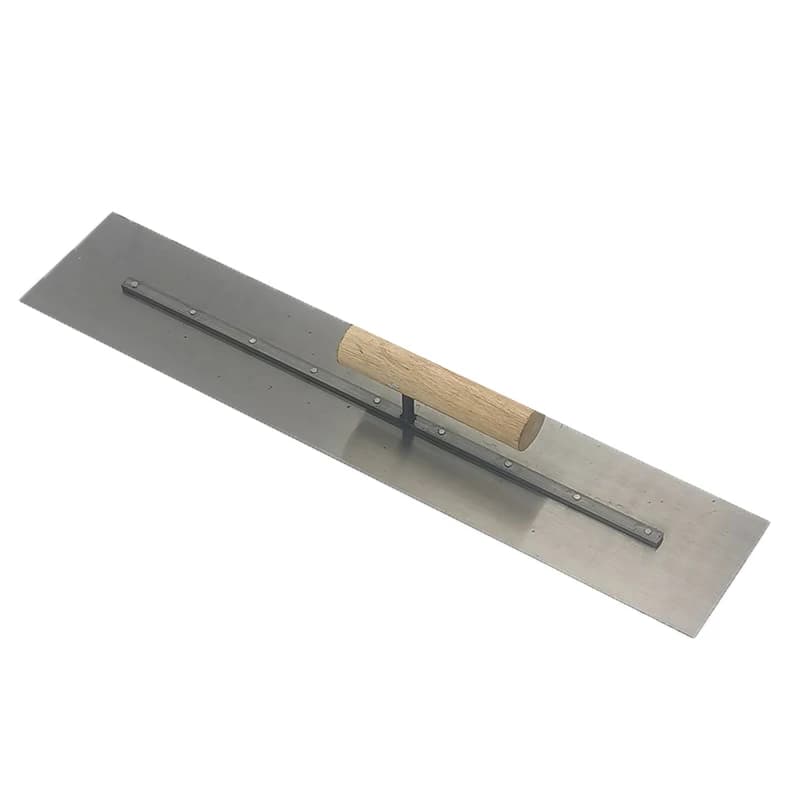
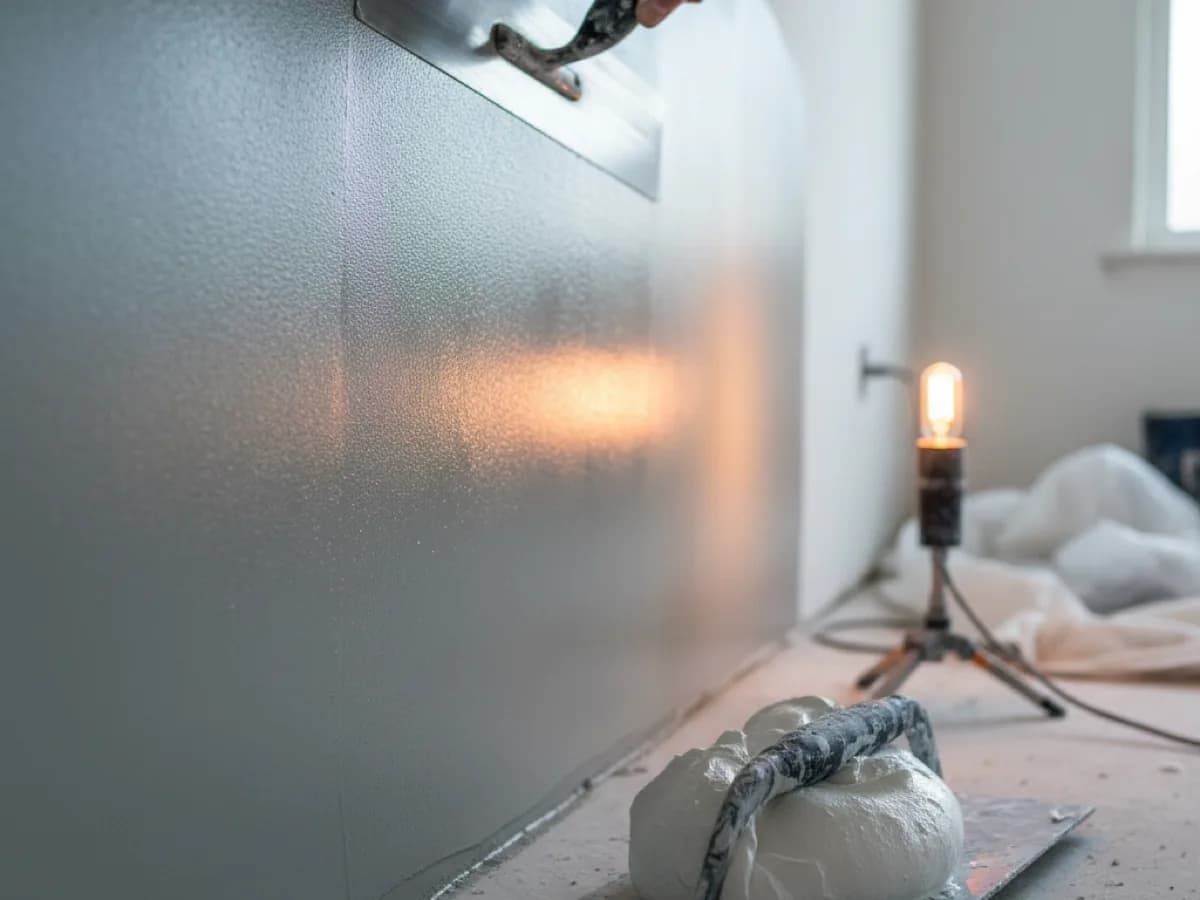
A new blade is flat and stiff, so its leading and trailing edges sit proud of the surface and cut into soft material. The result is the line down the middle of a wall that every plasterer recognises and nobody wants. As the blade is used it wears and takes on a very slight curve, the corners round off, and it starts to glide.
Breaking a trowel in used to mean months of work. Pre-worn trowels exist and are worth the premium if you plaster for a living, and the edges of a new blade can be eased with a fine file or an abrasive block to take the sharpness off the corners. Never grind the face flat: it is the gentle curve that does the work.
Carbon steel against stainless
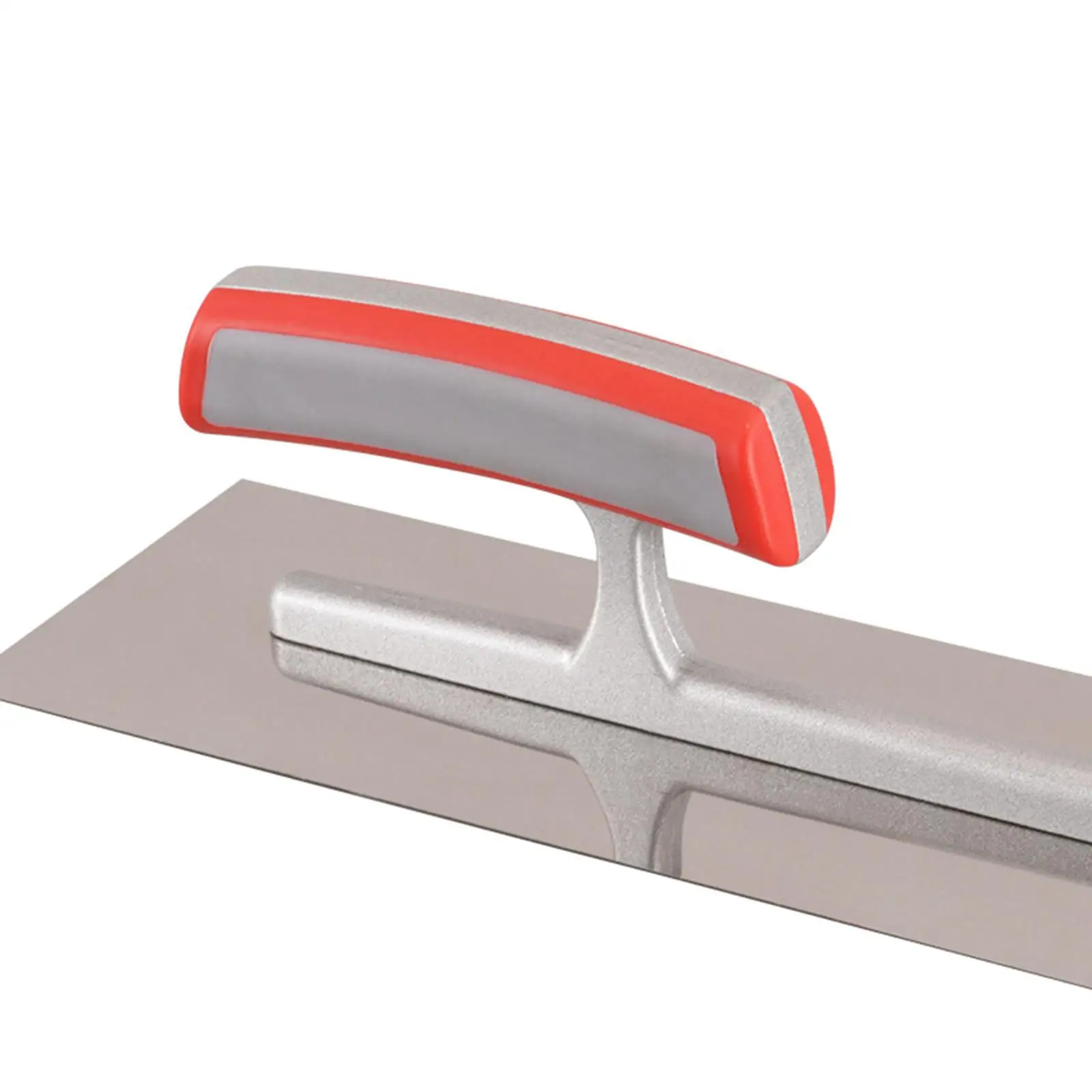
Carbon steel is softer, wears in faster and takes a finer edge, and many finishers prefer it for the final pass because it polishes the surface better. The price is that it rusts the moment it is left wet, so it needs drying and oiling and it will stain some light-coloured finishes if neglected.
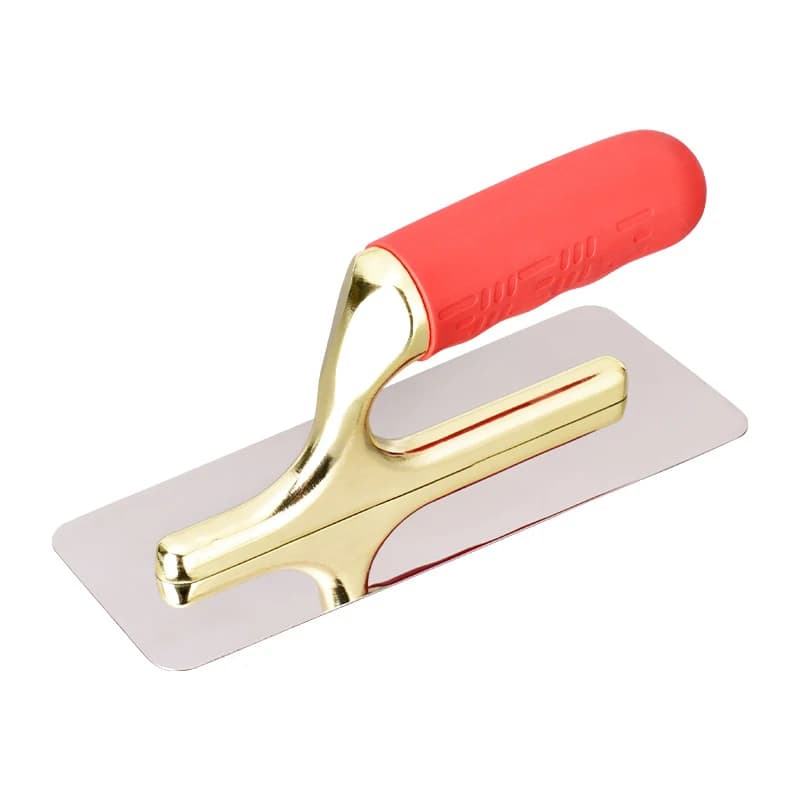
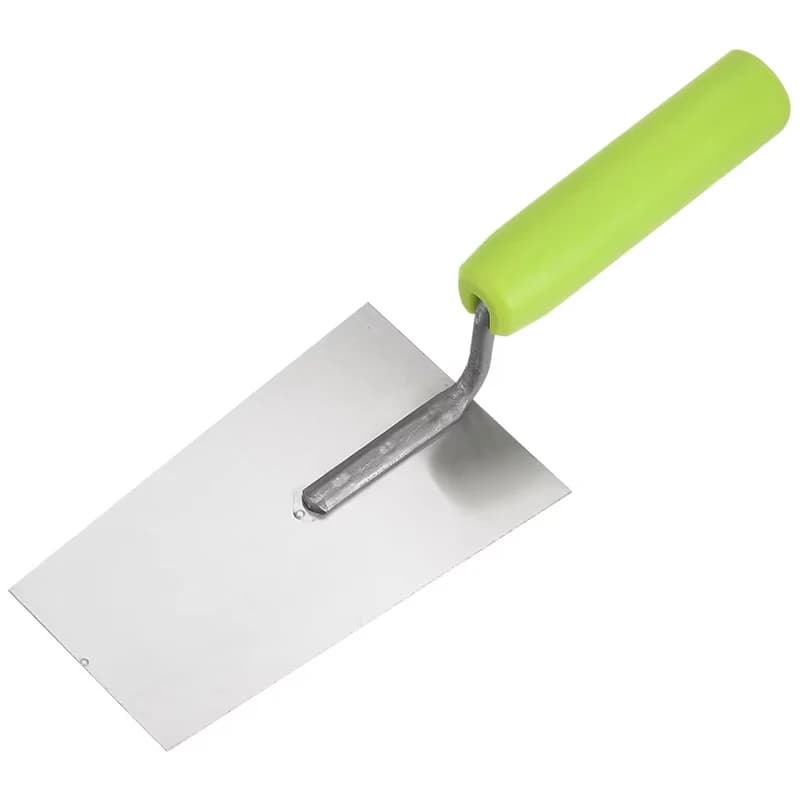
Stainless does not rust, needs no care and stays clean, which makes it the sensible default for anyone who is not plastering daily and for work where staining would show. It takes longer to wear in and never gets quite as slick as a well-used carbon blade. For most buyers stainless is the right compromise; for a full-time finisher a carbon trowel kept properly is still the better tool.
| Choice | Suits | Trade-off |
|---|---|---|
| Carbon steel | Daily finishing, best polish on the final pass | Rusts if left wet, can stain light finishes |
| Stainless steel | Occasional use, staining a concern | Slower to wear in, never quite as slick |
| Smaller blade, around 11 inch | Patching, tight spaces, overhead work | Slower over a large wall |
| Larger blade, 14 inch and up | Flat open walls and ceilings | Heavy, and unforgiving on uneven surfaces |
Size, and why bigger is not automatically better
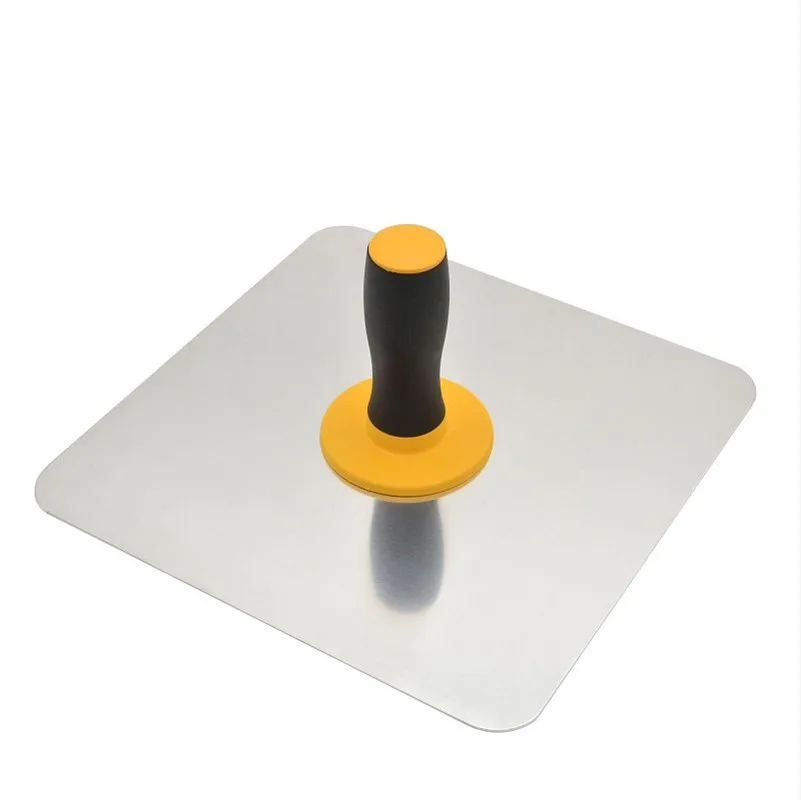
A bigger blade covers more per pass and bridges hollows better, which is exactly what you want on a large flat wall. It is also heavier, harder to control on the second and third passes, and less forgiving where the background is uneven, because it rides the high spots and skips the low ones.
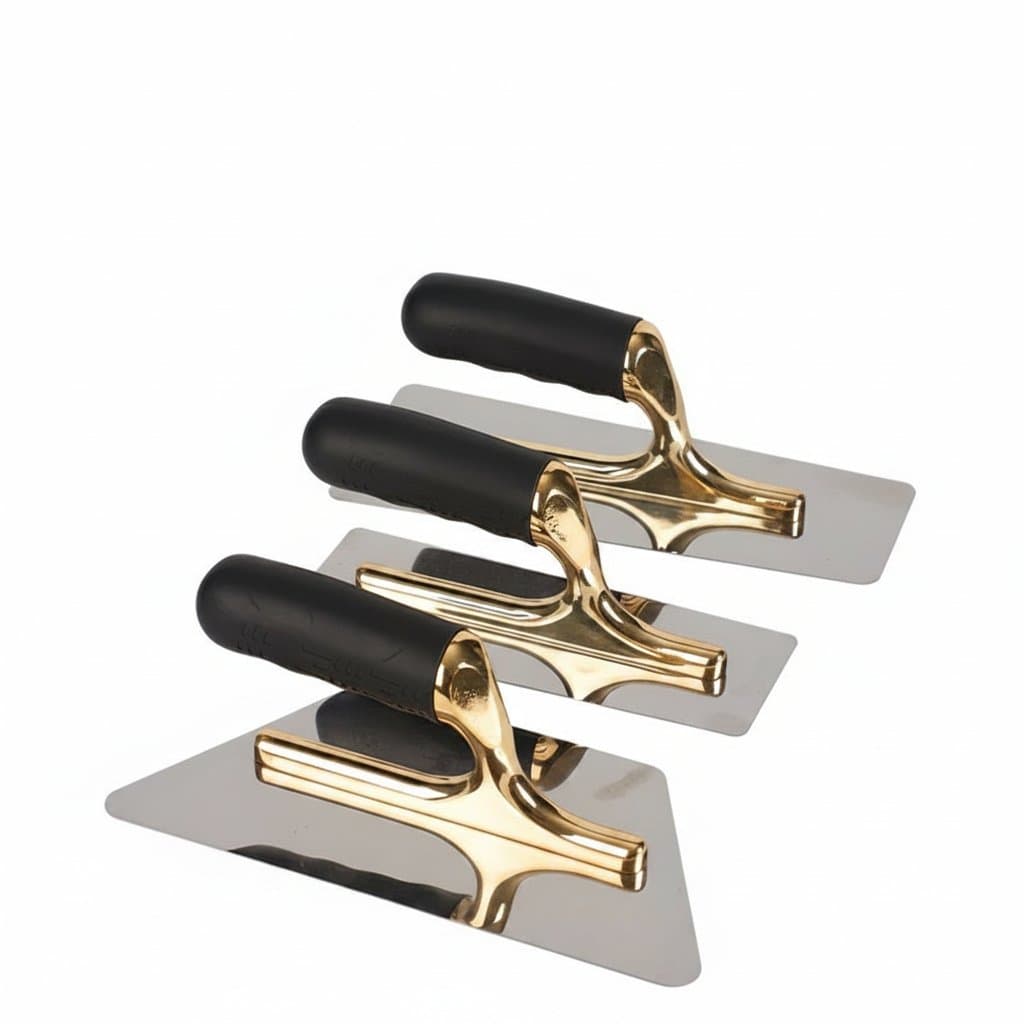
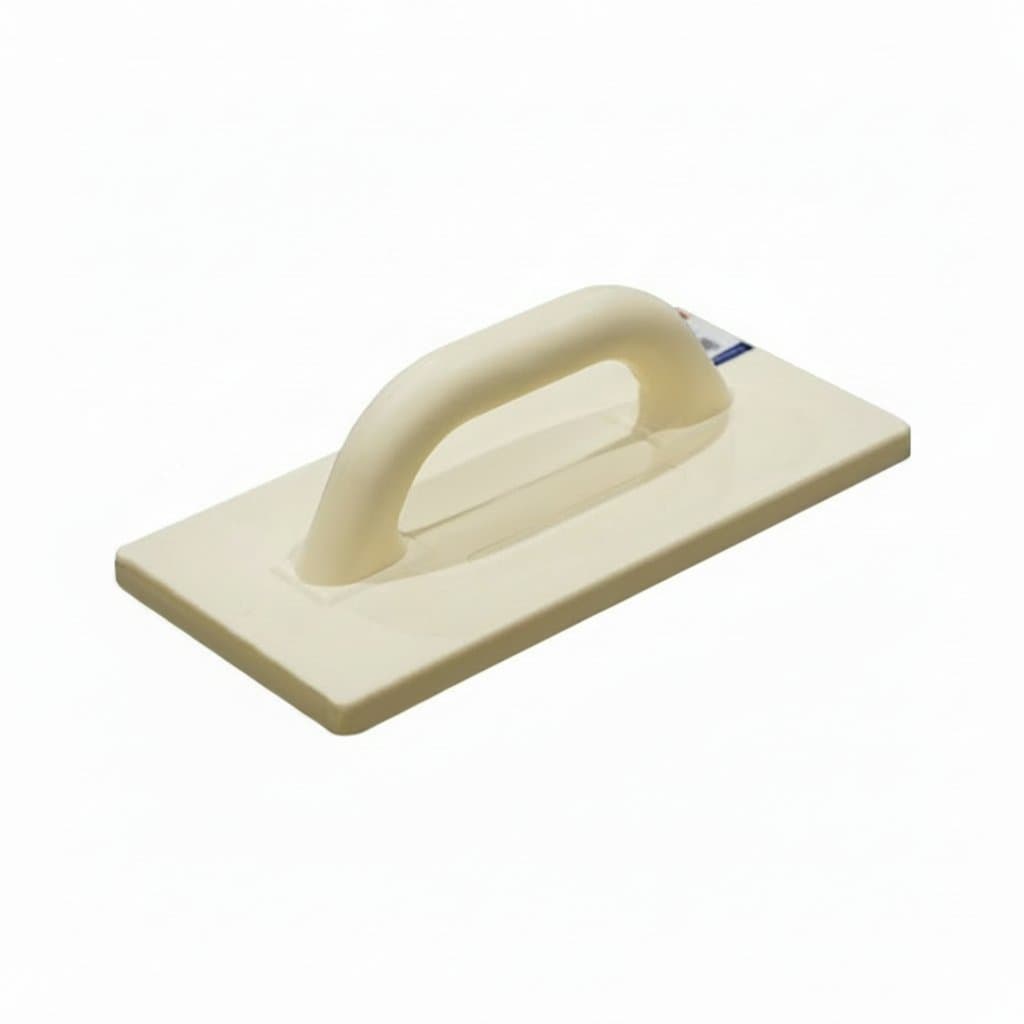
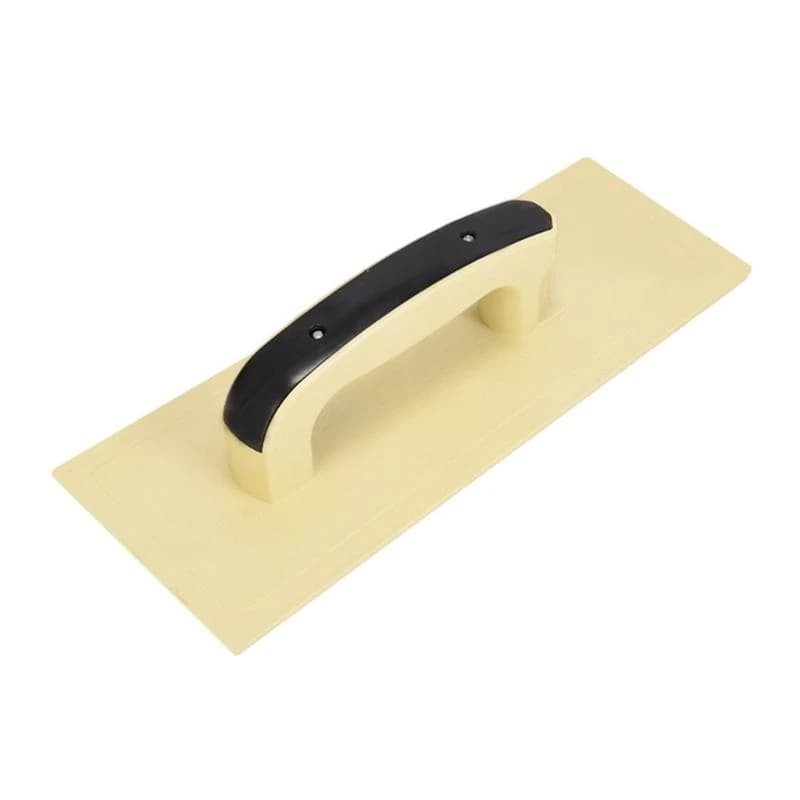
Most finishers carry more than one: a large blade for laying on and flattening, a smaller one for cutting in, corners and detail. If only one is being bought, something in the middle of the range is the safer choice, because it can do both jobs adequately where a very large blade simply cannot reach.
Care, and the mistake that ruins a good blade
Clean a trowel while the material is still wet. Set plaster is removed with a scraper or by soaking, and the moment anyone reaches for a wire wheel or an angle grinder the blade is finished, because heat and abrasion take out the temper and the geometry that made it work.
Dry a carbon blade properly and wipe it with a trace of oil before it goes in the bag. Store trowels so the blades are not resting against other tools, since a nick in a leading edge transfers straight onto every wall afterwards. A good trowel outlasts many jobs if it is never allowed to set solid or get ground.