Lumens sell torches, runtime does the work
The number on the box is peak output, usually measured for a few seconds from a cold torch on a fresh cell. Almost every head torch steps down from that within a minute or two, because sustaining it would overheat the emitter and flatten the cell. A torch advertised at 4,000 lumens may settle at a few hundred, and that settled figure is the one you will work by.
The useful question is how long it runs at a level you would actually choose. For most work that is somewhere in the middle of the range, and a torch with a sensible medium mode and several hours at it beats a brighter one that dumps its cell in twenty minutes. Regulated output matters too: a regulated torch holds brightness and then drops off, an unregulated one dims steadily from the moment you switch it on.
Flood, spot and why close work wants flood
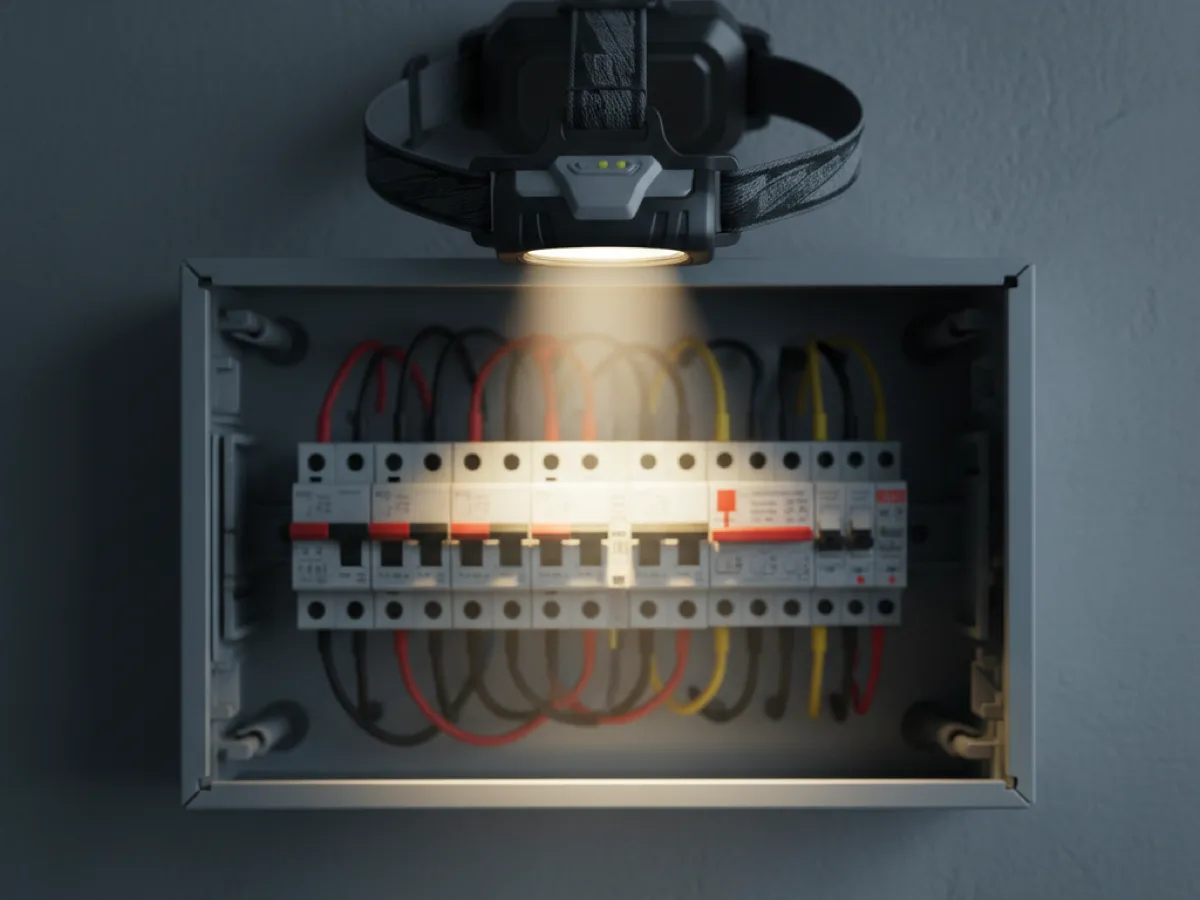
A spot beam throws a tight bright circle a long way. A flood beam spreads a wide even wash close in. For trade work the flood is almost always the right choice, because you are looking at something an arm length away and a hotspot in the middle of your field of view is actively unhelpful, blowing out the middle while your eyes give up on the edges.
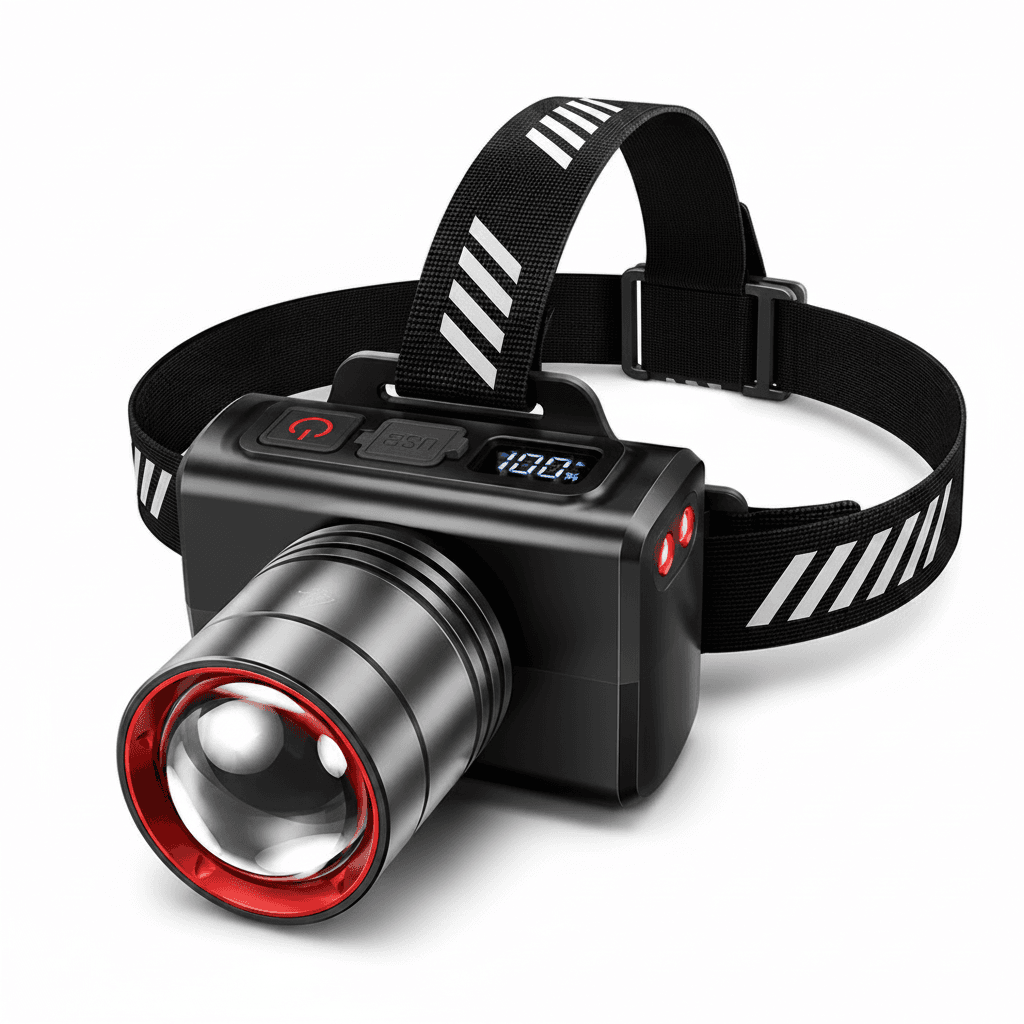
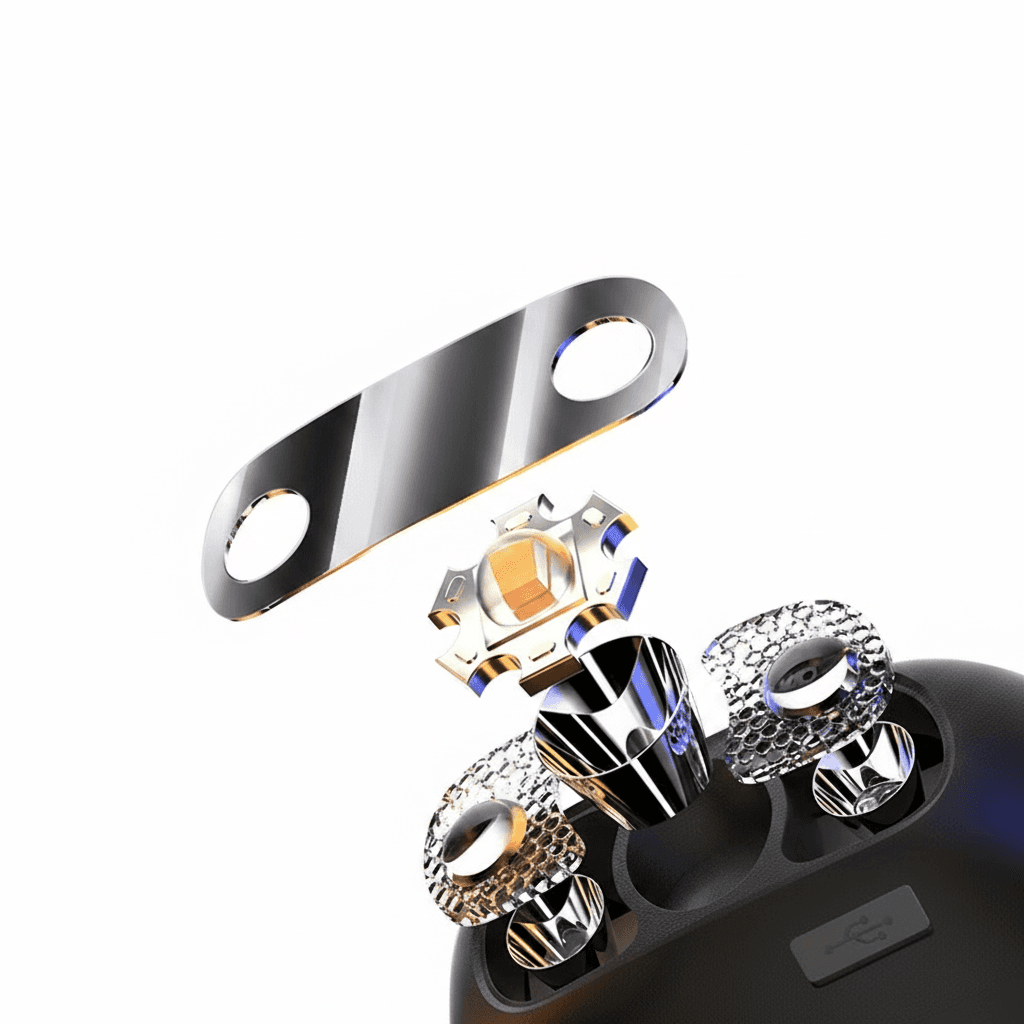
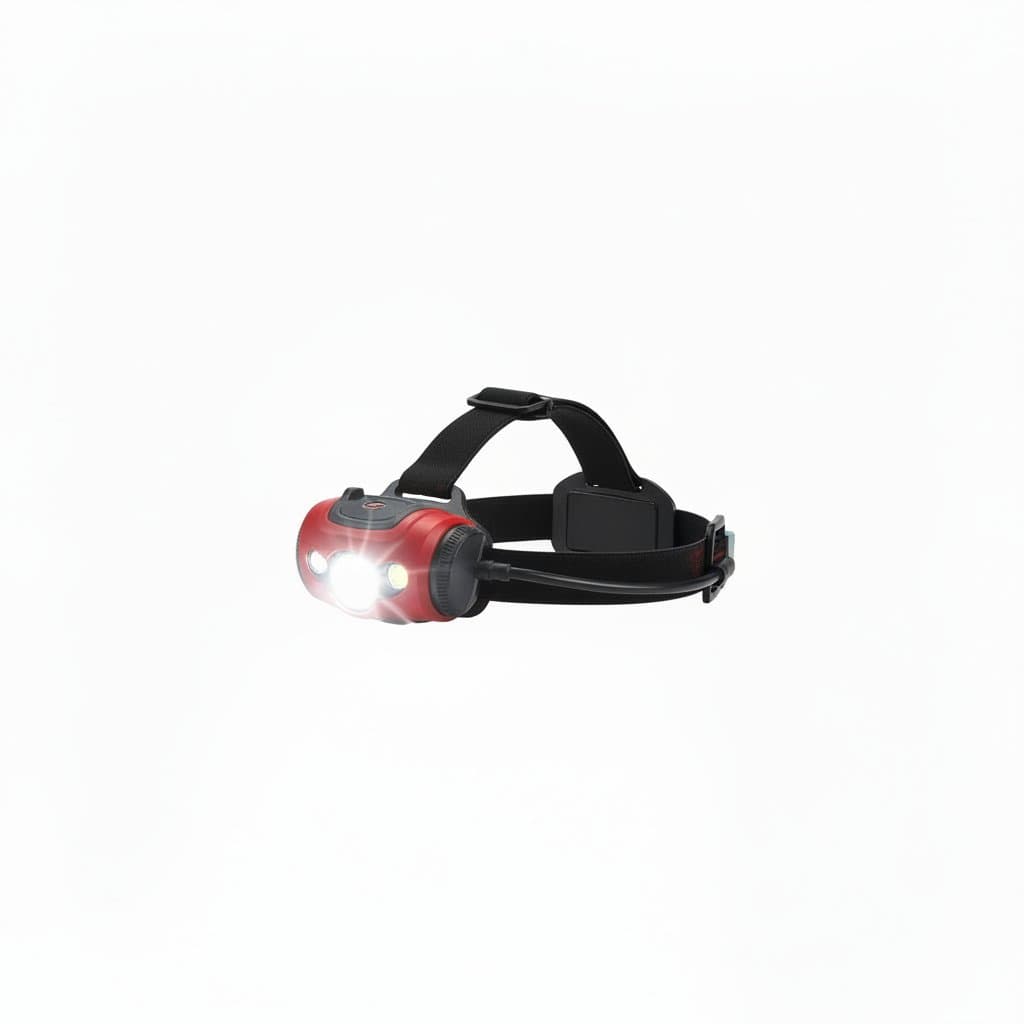
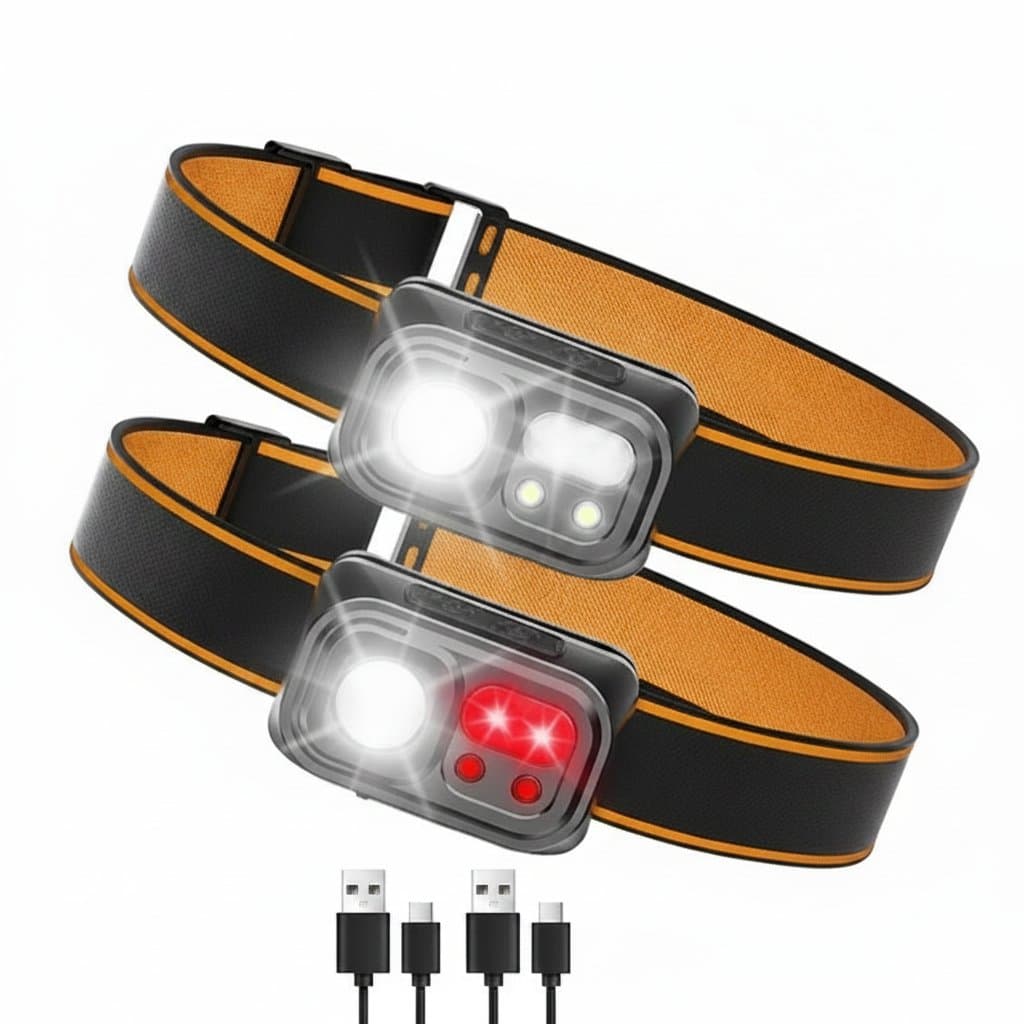
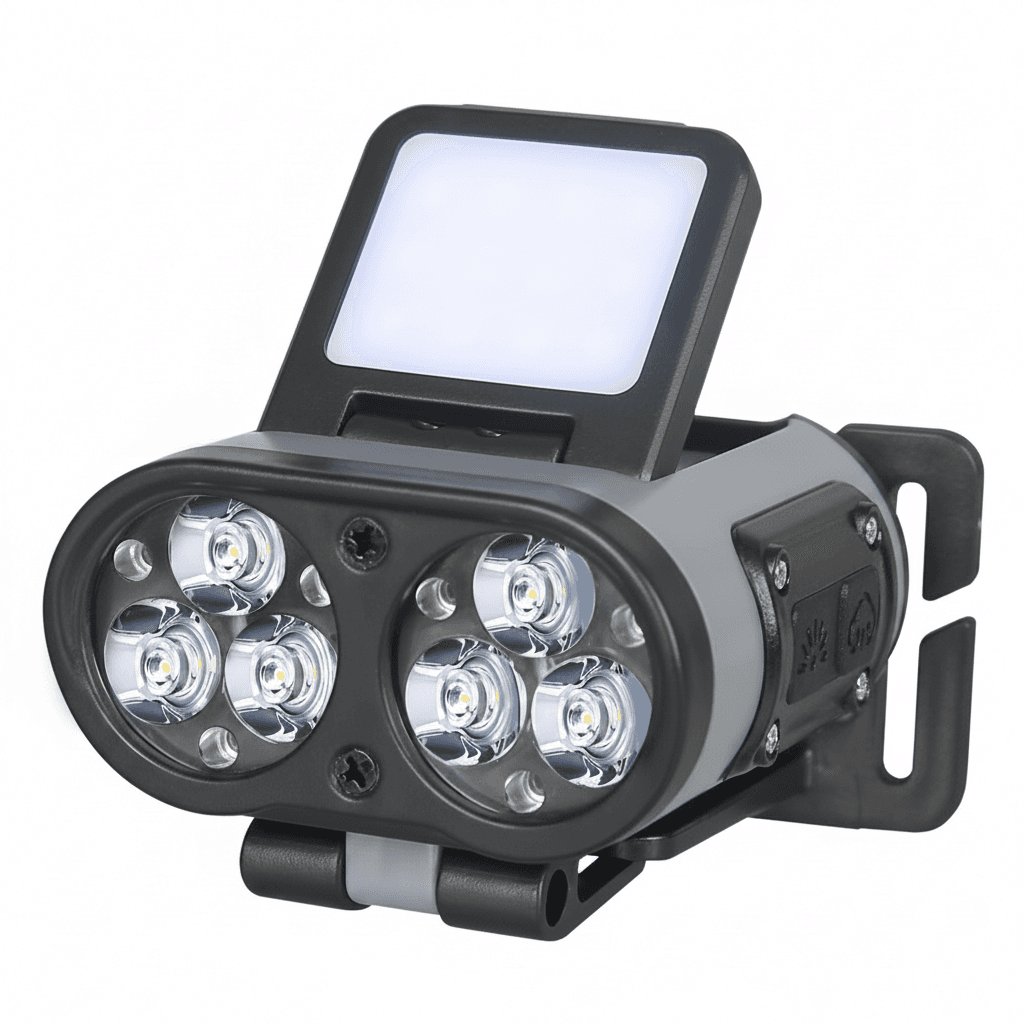
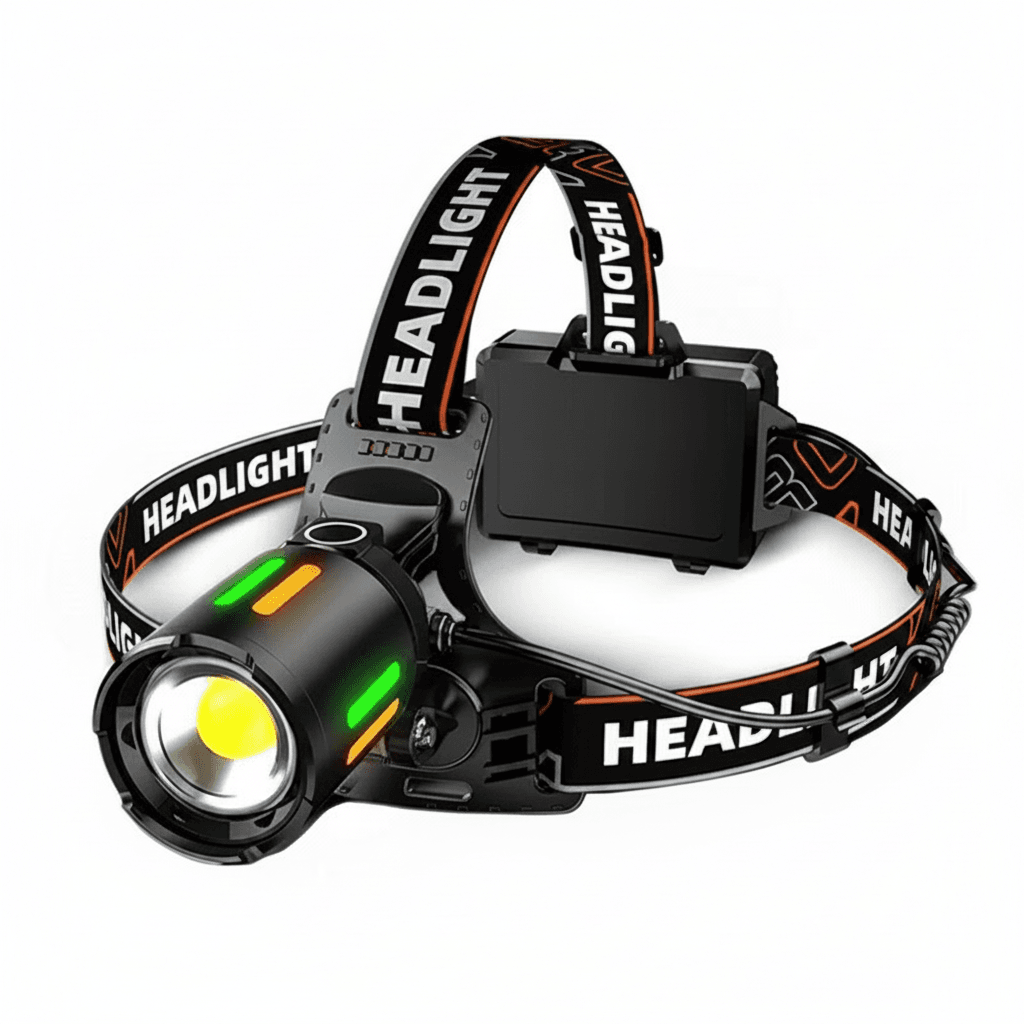
Torches with both let you choose, and the ones with a separate wide COB strip alongside the main emitter do it best. A red mode is worth more than it sounds: it preserves dark adaptation, and it does not attract insects, which matters more on a summer job outdoors than any specification sheet suggests.
| Beam | Best for | Poor at |
|---|---|---|
| Flood | Panel work, engine bays, lofts, reading | Seeing anything at distance |
| Spot | Walking ground, inspecting at range | Close work, it blows out the centre |
| Flood plus spot | General site use, one torch for everything | Costs more, slightly heavier |
| Red secondary | Keeping night vision, avoiding insects | Not for detailed colour work |
Built-in cells against removable ones
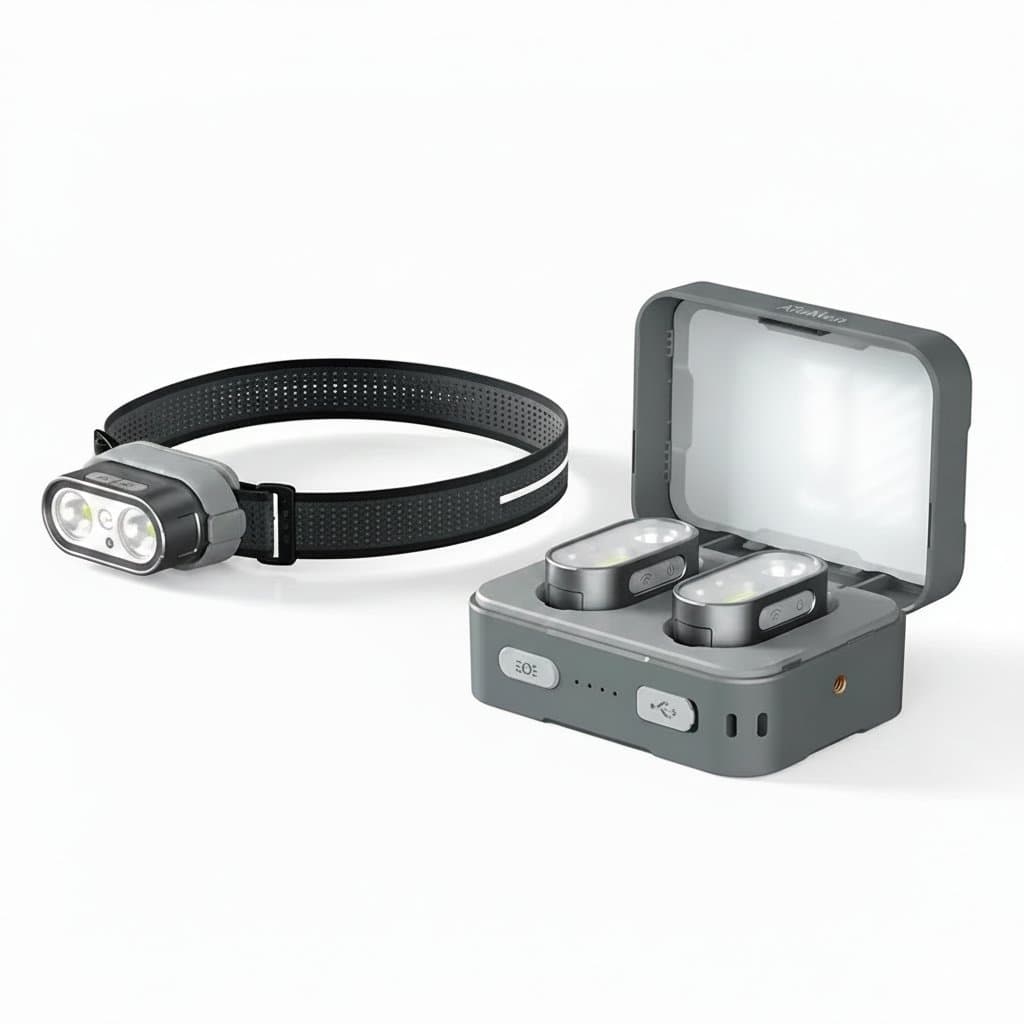
A sealed rechargeable torch is tidier and usually better sealed against water, and USB-C charging means one cable for everything. The limitation is real: when the cell is flat you stop, and when the cell finally ages out the torch is finished. For a torch used occasionally that is entirely acceptable.
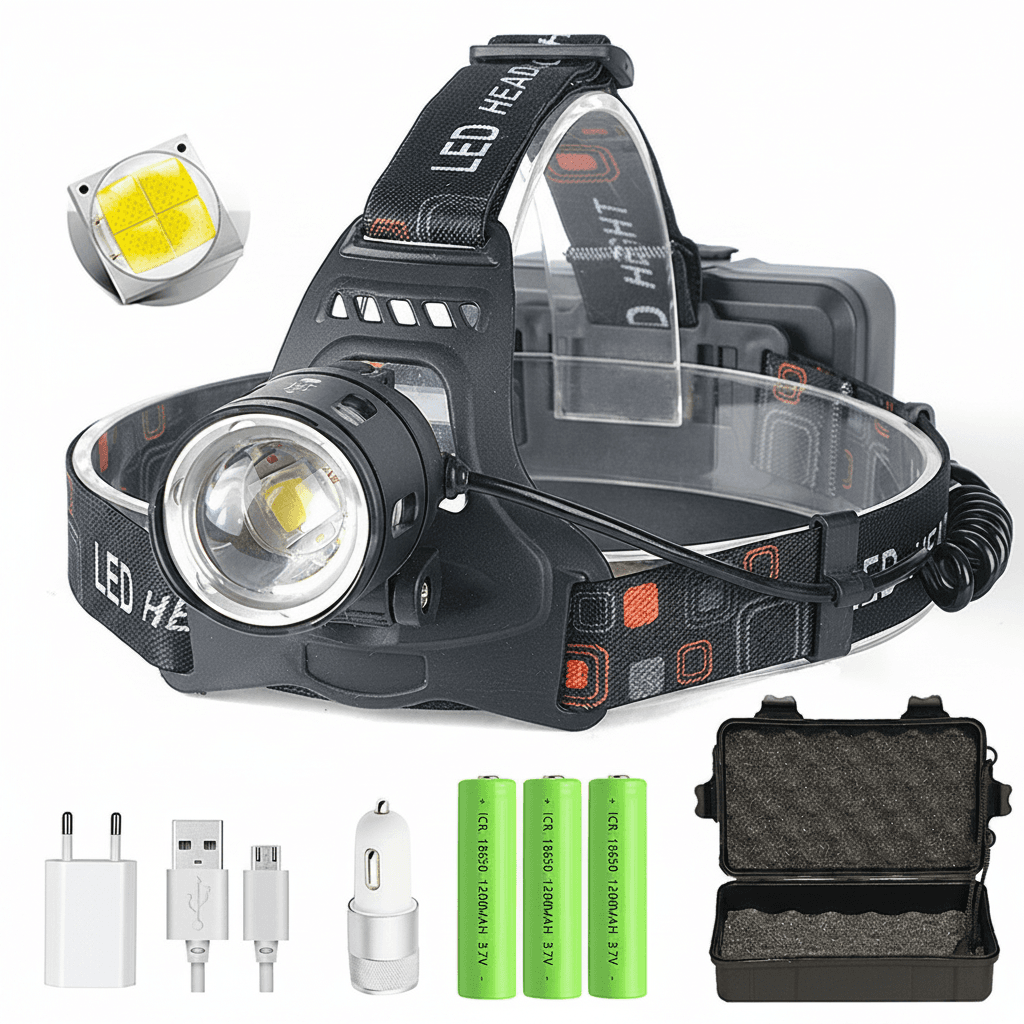
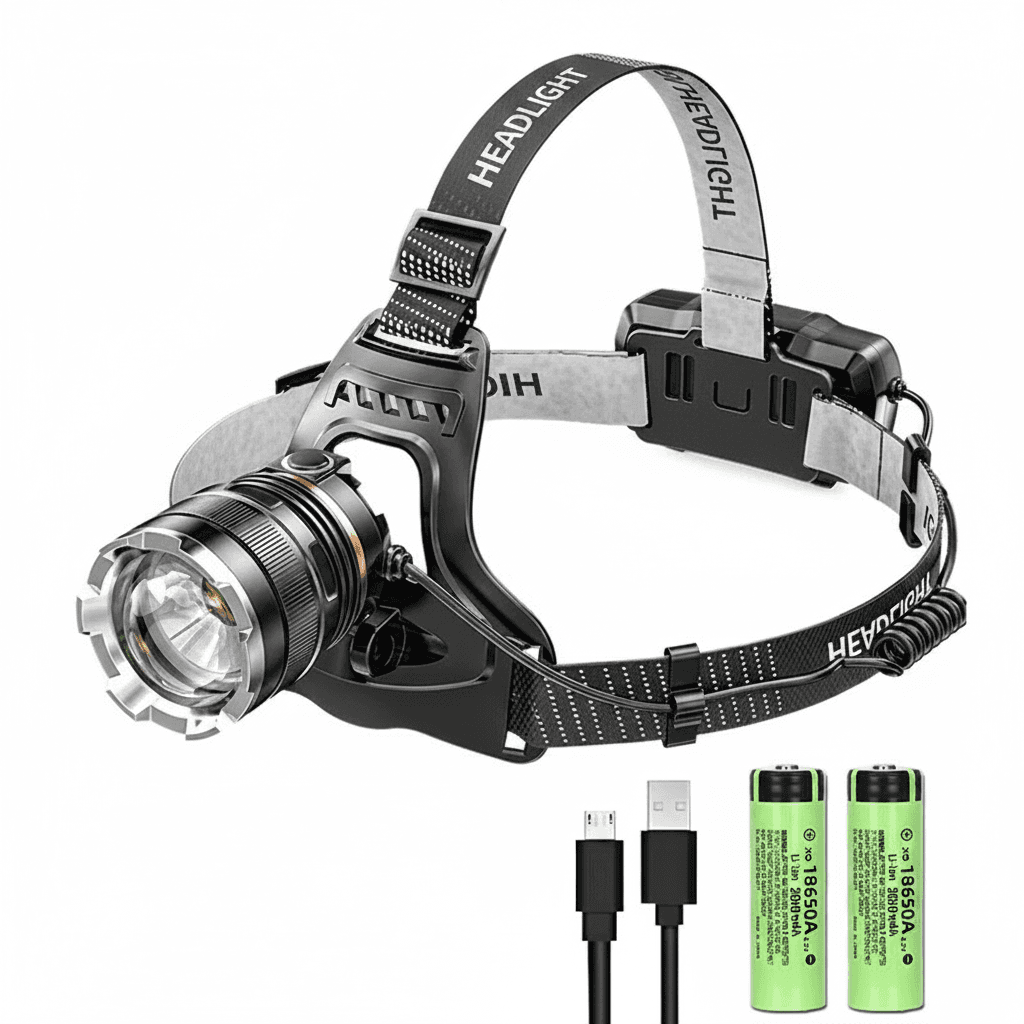
A torch taking a removable cell, typically an 18650, can be brought back to life in seconds with a spare in a pocket, and the torch outlives several cells. For anyone working a full shift away from power that is the deciding feature. Cold weather makes it more so, since lithium output falls as temperature drops and a spare kept in an inside pocket stays warm.
Ingress rating, weight and the strap nobody thinks about
An IP rating that covers splashing is the practical minimum for outdoor and site use, and one that survives immersion is worth having if the torch will see real weather. What kills head torches more often than water is dust in the switch and sweat in the charge port, so a torch with a proper port cover lasts longer than its rating alone suggests.
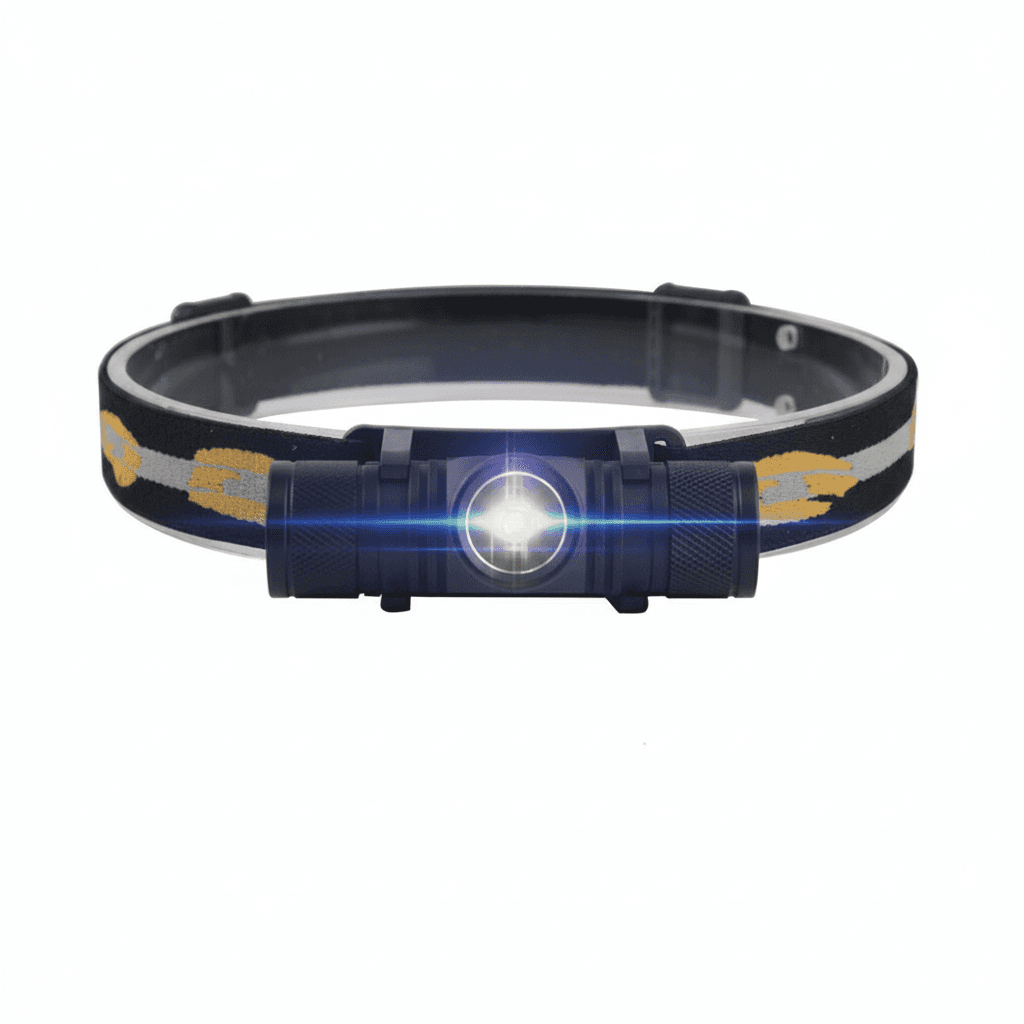
Weight and balance decide whether it gets worn. A heavy battery pack on the front makes a torch slide down your forehead all day; the same weight moved to a rear pack balances and disappears. A strap that goes over the top of the head as well as around it is what keeps a torch in place when you look down, which is the position most trade work happens in.