





The four adjustments that matter
Set seat height first, from the floor rather than from the desk. Feet flat, thighs roughly level, and no pressure under the back of the thigh. If the desk is then too high, the desk is what needs changing, with a footrest as the interim fix.
Seat depth comes next. There should be roughly two to three fingers of gap between the front edge of the seat and the back of the knee, so the backrest reaches the spine while the seat edge does not press on the leg. A seat too deep pushes people forward off the backrest entirely, which is why they stop using it.
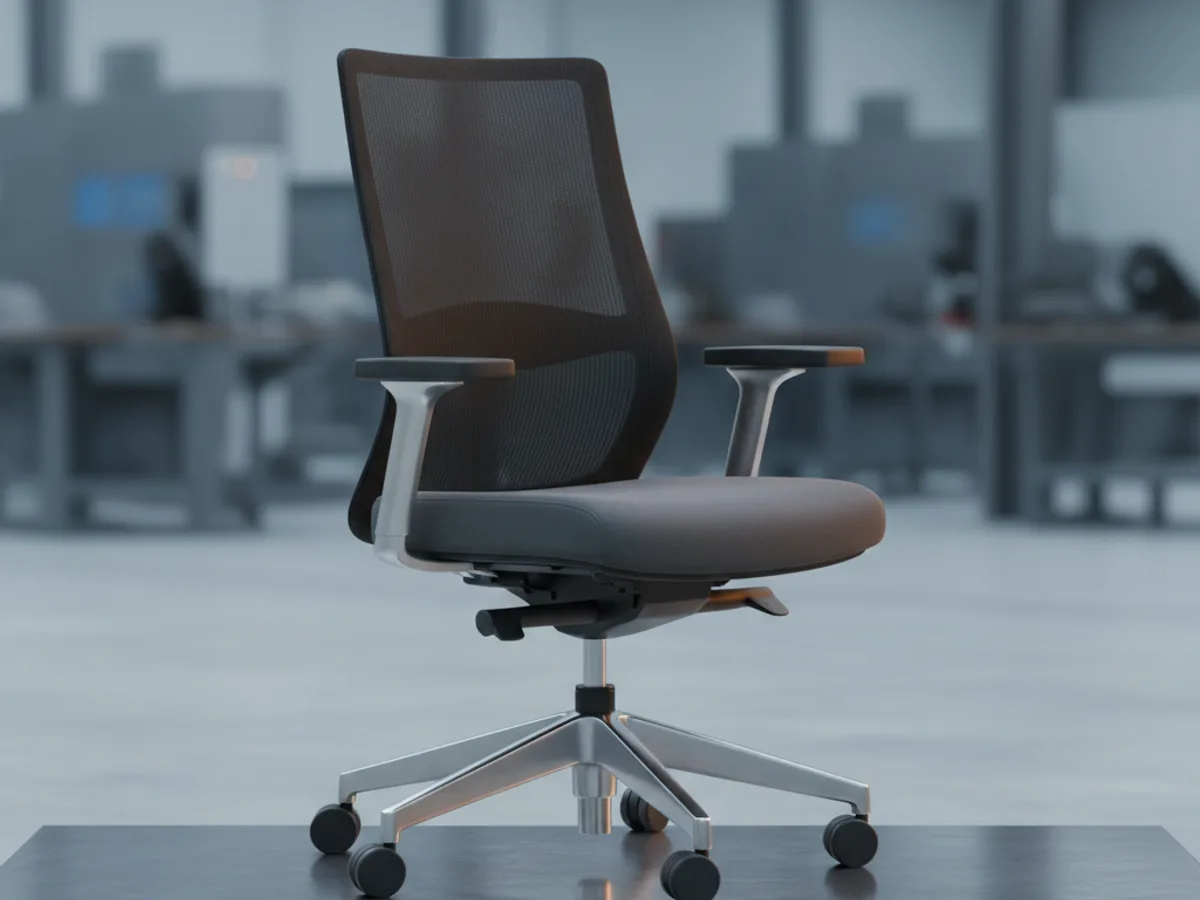
Then the backrest and lumbar support, raised or lowered so the curve meets the small of the back rather than sitting above or below it, and finally the armrests, set so the shoulders drop and the forearms rest without lifting or reaching. Armrests set too high are a common and easily fixed cause of neck and shoulder ache.
| Adjustment | Target | Sign it is wrong |
|---|---|---|
| Seat height | Feet flat, thighs level | Pressure under the thigh, dangling feet |
| Seat depth | Two to three fingers behind the knee | Perching forward off the backrest |
| Lumbar position | Curve meets the small of the back | Aching lower back after an hour |
| Armrest height | Shoulders relaxed, forearms supported | Raised shoulders, neck ache |
Tilt mechanisms and why the ratio matters
The cheapest chairs have a simple tilt that pivots the whole seat and back together, so reclining lifts the front of the seat and pushes the thighs up. It is better than nothing and it fights the body.
A synchro mechanism reclines the backrest and the seat at different rates, commonly around two to one, so as the back goes back the seat follows only slightly. The angle between torso and thigh opens, which is what relieves pressure on the lower back, while the feet stay on the floor.
Look for tension adjustment as well, so the resistance can be matched to body weight, and a lock at several positions rather than only upright. A recline mechanism that is too stiff for a lighter person or too loose for a heavier one simply gets locked upright and never used.
Mesh, foam and the gas lift
Mesh backs breathe well and support through tension across a frame, so the frame shape does the work and a poorly shaped mesh chair is uncomfortable regardless of the material. Foam moulds to the body and its density decides how long it lasts.
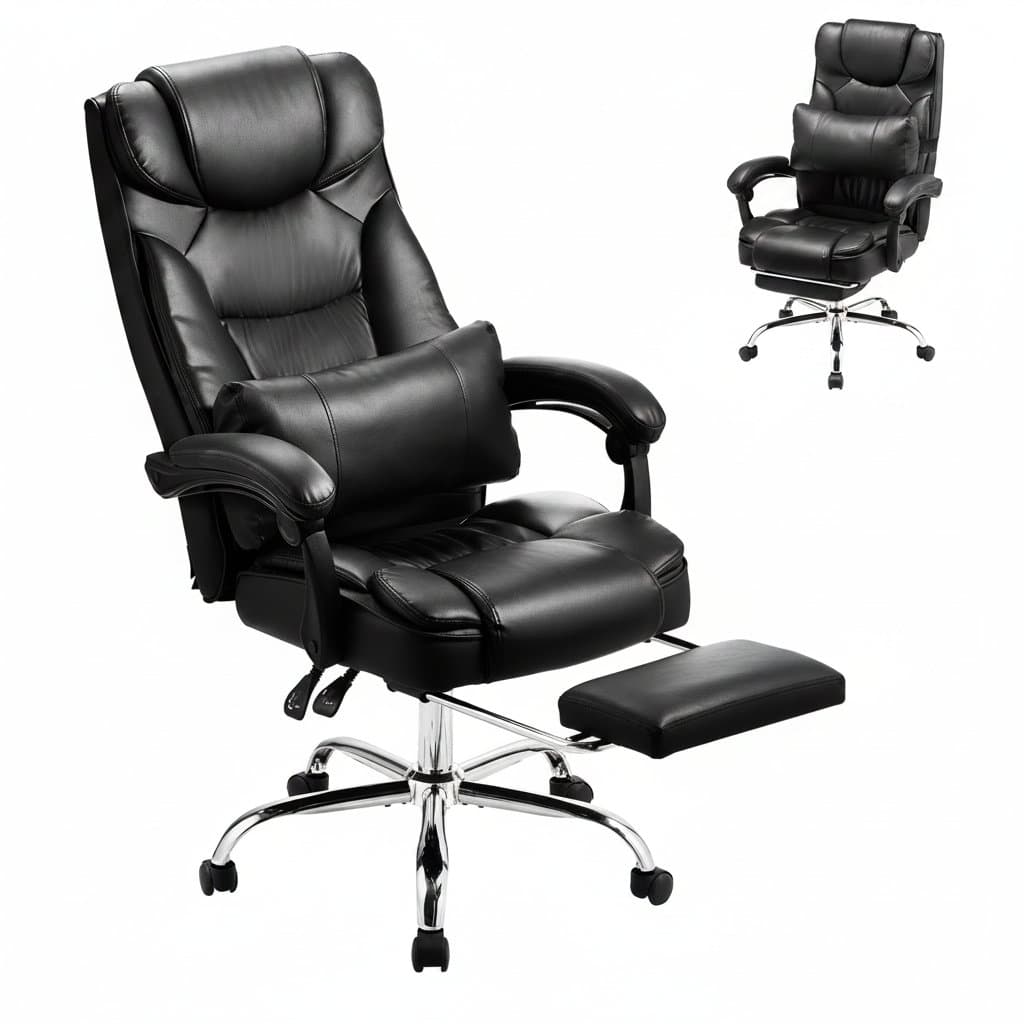
Cheap foam is where budget chairs fail. It compresses permanently within months, so the seat bottoms out and the user ends up sitting on the base through a thin layer. High density foam costs more per chair and is most of the difference between a chair that lasts five years and one that lasts one.
The gas lift is the other common failure. A chair that slowly sinks has a failed cylinder, which is a replaceable part rather than a reason to scrap the chair. Cylinders are made to defined classes and a higher class is rated for greater load and longer life, which is worth checking on a chair for heavier use or a heavier user.
Gaming chairs, castors and the rest of the desk
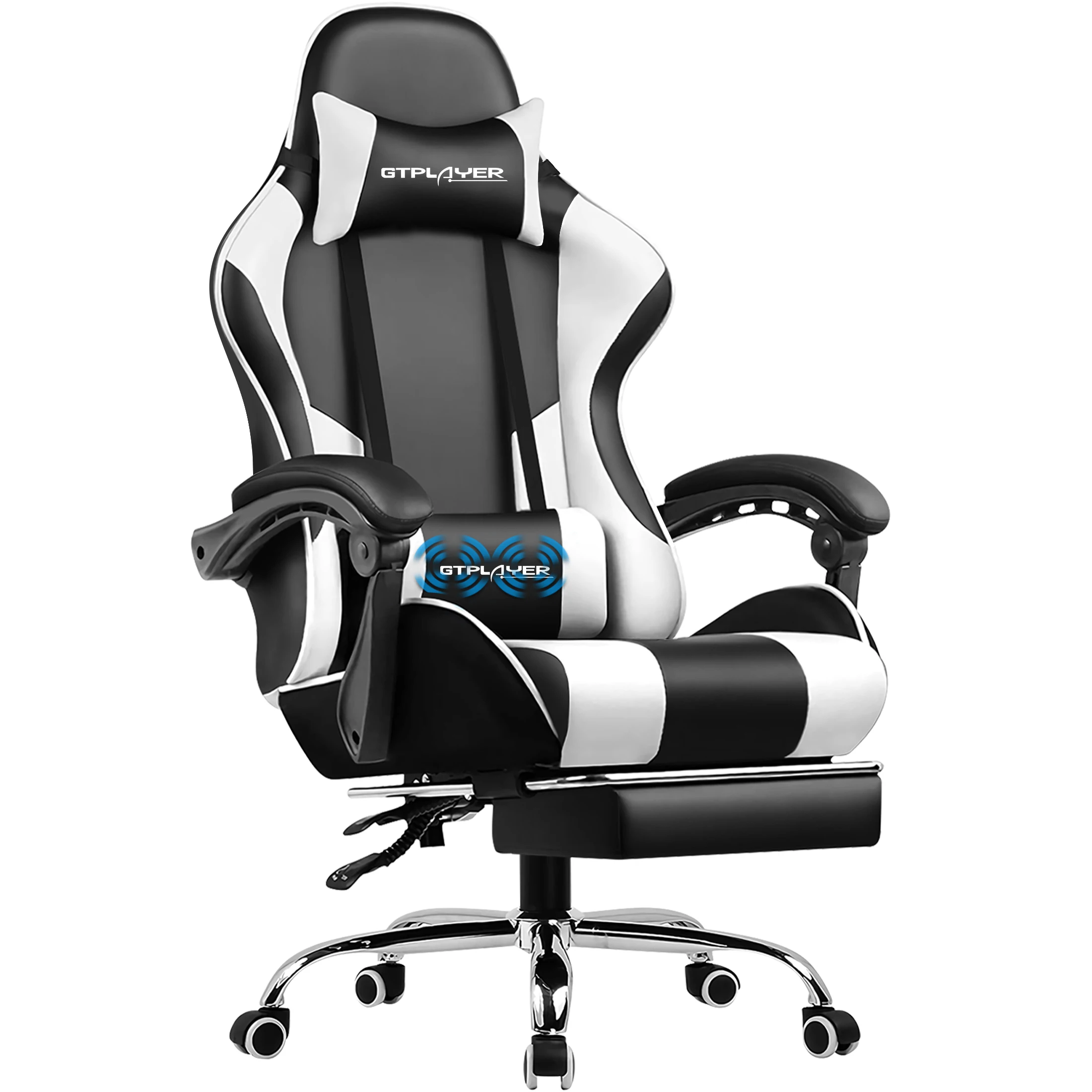
Racing style chairs look purposeful and are shaped around a bucket seat with raised side bolsters. Those bolsters hold the body in one position, which is exactly what a car seat should do and the opposite of what a chair for eight hours at a desk should do, since changing posture regularly is what keeps a back comfortable.
Castors are matched to the floor and the wrong ones cause daily annoyance. Hard nylon castors are for carpet and will mark and score a hard floor; soft polyurethane castors are for hard floors and drag on carpet. They unplug and swap in seconds, so a chair with the wrong ones is easily fixed.
Finally, the chair is one part of a set. If the desk is too high the shoulders lift whatever the chair does, and if the monitor is too low the neck bends forward all day. Fitting out a workstation means moving the chair, the desk and the screen together, and the best chair in the world does not correct the other two.