

Flow does more of the work than pressure
Pressure breaks the bond between dirt and the surface. Flow washes the loosened dirt away and keeps the working area wet enough that you are cutting through the film rather than polishing it. Raise the pressure with no flow behind it and you get a narrow, aggressive line that cleans slowly and marks softer surfaces.
That is why the two figures are quoted together and why machines are sometimes compared by multiplying them. Between two machines at similar price, the one with more litres per minute will usually finish a large area sooner even if its pressure figure is lower.
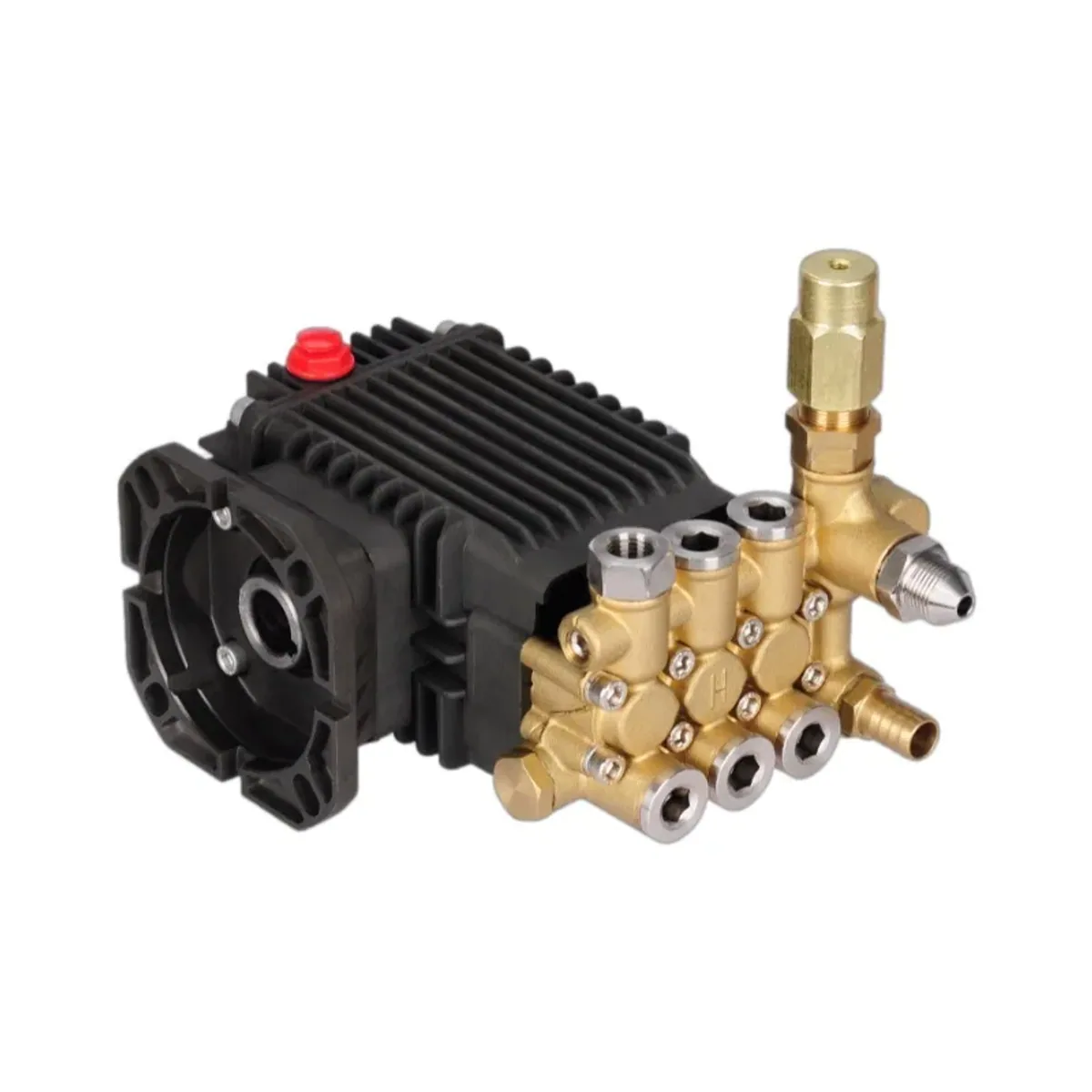
The water supply has to keep up. A machine rated at eight or nine litres a minute needs a tap and hose that can actually deliver that, and starving it makes the pump cavitate, which sounds rough, cleans badly and shortens the pump life. Checking the supply flow with a bucket and a watch takes a minute and settles the question.
| What it does | Too little means | |
|---|---|---|
| Pressure, bar or PSI | Breaks dirt off the surface | Dirt stays put, especially ingrained |
| Flow, litres per minute | Carries dirt away, covers area | Slow going over large areas |
| Supply flow at the tap | Feeds the pump | Cavitation, rough running, pump wear |
Nozzles, and what a turbo actually does
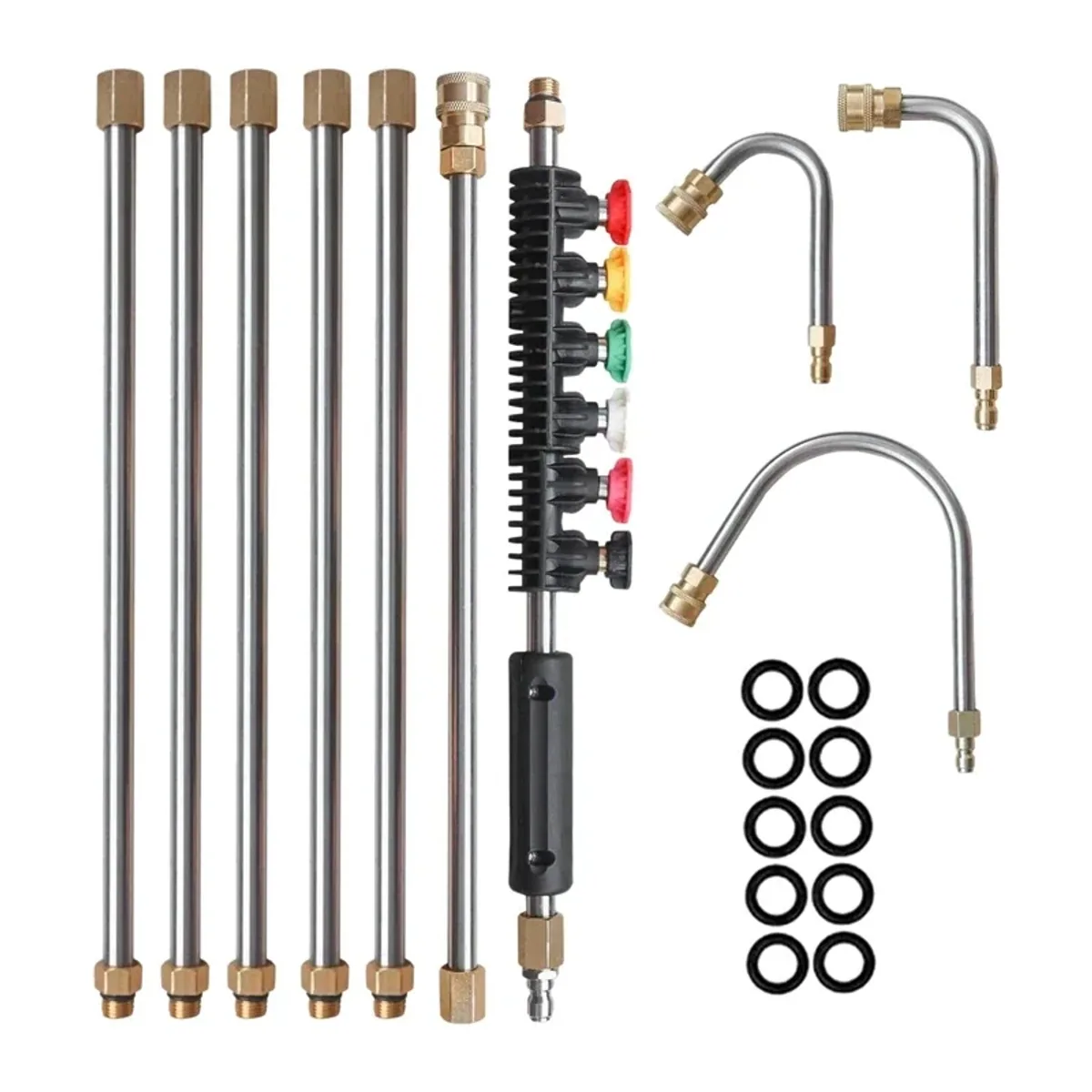
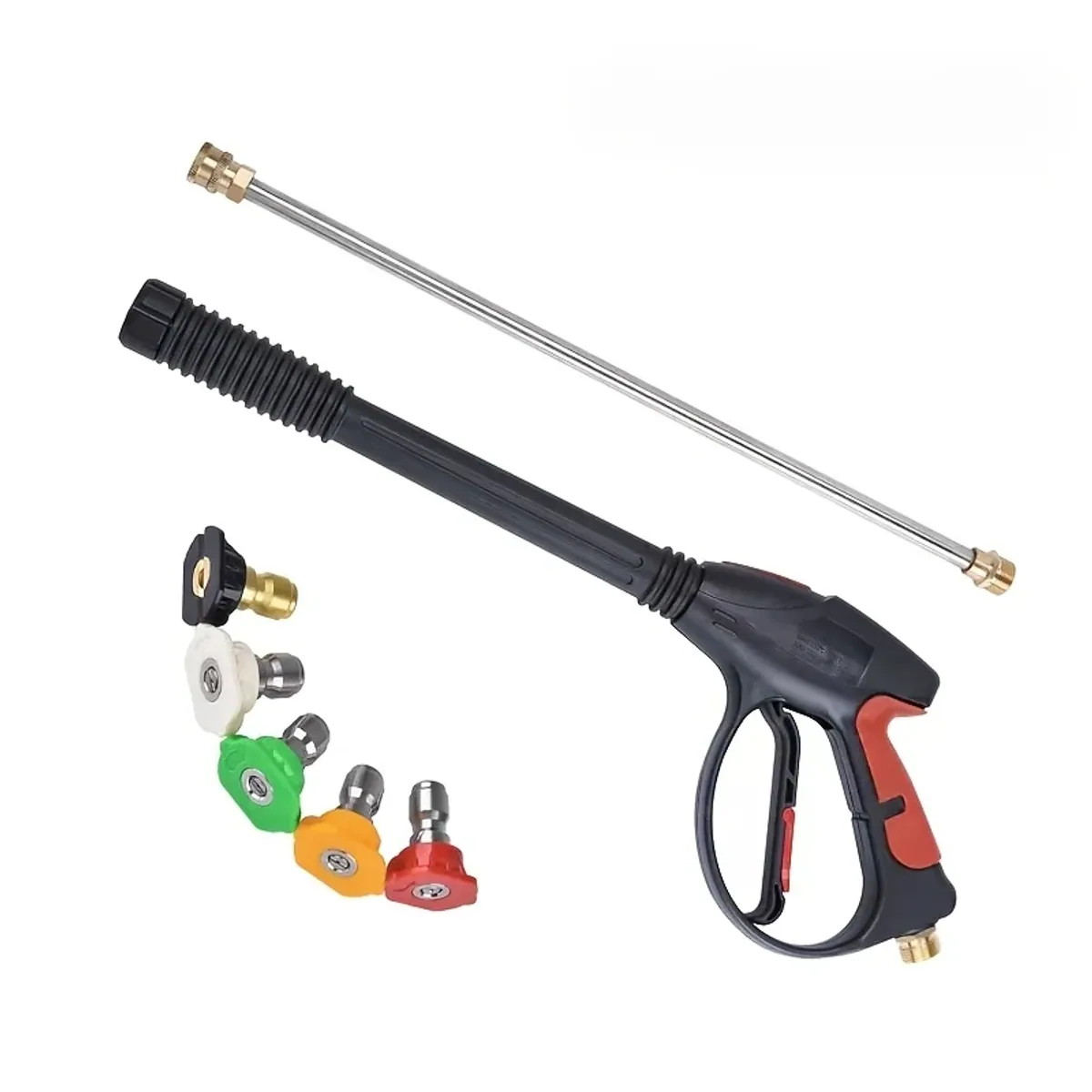
Fan nozzles are graded by the angle they spread the jet. A 40 degree nozzle is wide and gentle and suits rinsing and delicate surfaces. 25 degrees is the general purpose choice. 15 degrees concentrates the same energy into a narrower line for stubborn dirt. A zero degree pencil jet concentrates all of it into a point, and on most materials it does damage rather than cleaning, which is why it should be the nozzle you almost never fit.
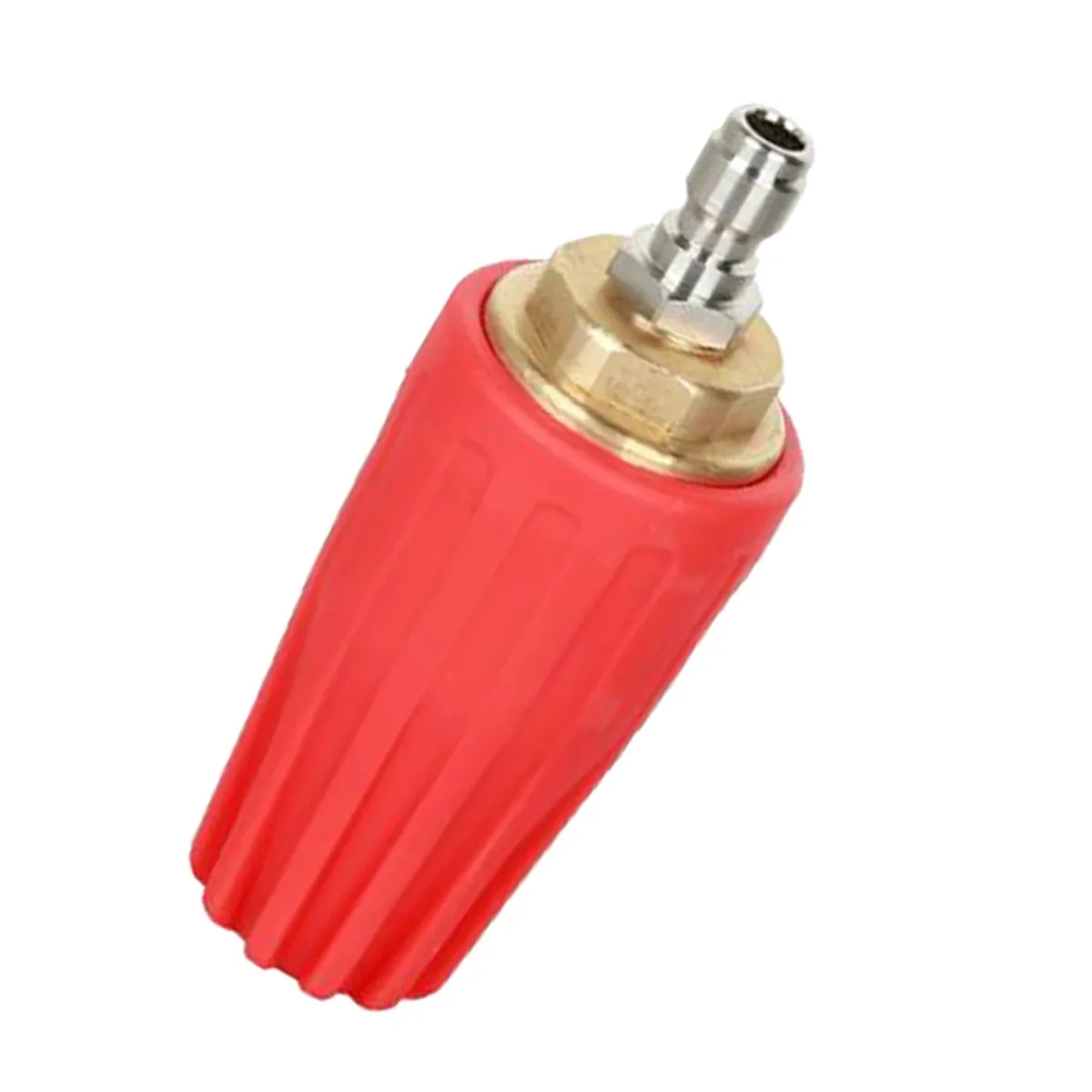
A turbo or rotary nozzle is the clever answer to that. It takes a zero degree jet and spins it round in a cone, so the surface gets the cutting power of a pencil jet while the impact keeps moving instead of dwelling in one line. On concrete and stone it does in one pass what a fan nozzle takes several to do.
A soap or low pressure nozzle has a larger orifice, which drops the pressure at the pump and lets the detergent injector draw. If detergent will not pull through, the wrong nozzle is fitted almost every time.
Induction or universal motor, and duty
Universal motors are light, cheap and spin fast, and they are what most consumer machines use. They are also noisy, they wear their brushes, and they are built around short bursts of use with cooling breaks. Used for a full day they get hot and their life shortens quickly.
Induction motors are heavier, quieter and turn more slowly with no brushes to wear. They cost more and they last far longer under continuous use, which is why machines intended for trade work use them. If a washer will be running for hours rather than minutes, that is the specification to look for.
Duty cycle is the honest expression of the same thing. Where a machine states a recommended run time or a rest interval, treat it as real rather than cautious. Bypass running, where the machine is on with the trigger released, heats the water in the pump head and is what kills pumps on machines left idling between jobs.
Where not to point it
Pressure washers remove material, and on the wrong surface that means damage rather than cleaning. Soft mortar washes out of brickwork, leaving joints that then take water. Timber decking raises its grain and the soft summer growth erodes faster than the hard rings, which is what leaves a furry, ridged surface.
On vehicles, keep the lance well back and away from paint edges, badges and any panel gap, and never point it at a wheel bearing seal, a radiator core or a brake caliper piston boot. Water forced past a seal takes the grease with it and leaves the moisture behind.
A flat surface cleaner attachment is worth having for driveways and patios. It holds two spinning jets under a shroud at a fixed height, so the whole area gets the same treatment without the striping a hand-held lance leaves, and it keeps the spray and the mess contained.