Cable, jet or flail
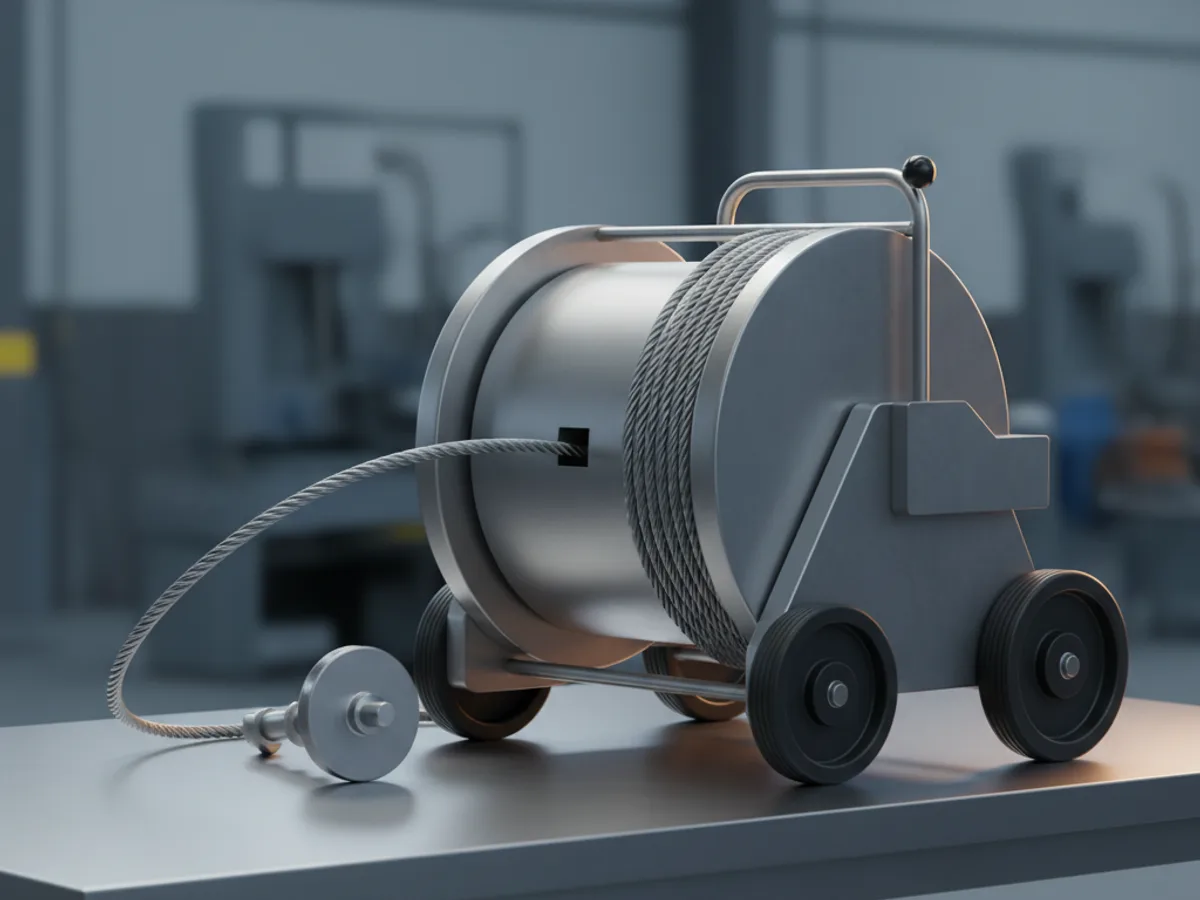
A drum machine spins a steel cable with a cutting or retrieving head on the end. It is the tool for a solid obstruction, roots, or something that has to be physically broken up and pulled back, and it makes a hole through a blockage rather than removing everything.
A jetter pushes a hose with a rear facing nozzle set up the pipe, and the jets both propel the hose and wash debris backwards toward the chamber. That is the difference: jetting removes grease, silt and sediment from the whole bore, whereas a cable punches through them.
A flexible shaft with a chain flail spins inside the pipe and scours the wall. It is what descales cast iron and takes hardened deposits back to the pipe surface, which neither of the others do well.
| Blockage | Method | Why |
|---|---|---|
| Solid obstruction or roots | Rotating cable with a cutter | Breaks it up and retrieves it |
| Grease, silt, general build up | Jetter with rear facing nozzle | Flushes the full bore back to the chamber |
| Hard scale in cast iron | Chain flail on a flexible shaft | Scours the wall back to the surface |
| Recurring blockage in one place | Camera survey first | A structural fault will not be cleared |
Cable size, and the danger in handling it
Cable diameter is matched to pipe diameter. A cable too light for the pipe coils up inside it, taking a set and losing all its drive, and a cable too heavy cannot turn the bends in small waste pipe and will damage it.
The real hazard is the cable outside the machine. If the head jams and the drum keeps turning, the free length between drum and pipe twists into a loop, and that loop closes with enormous force on anything inside it. Broken fingers and wrists come from exactly this.
The controls are keeping the exposed cable as short as possible, feeding it into the pipe entrance rather than letting a length hang loose, using the machine foot pedal so power stops the instant your foot lifts, and wearing the heavy gloves designed for drain cables rather than ordinary work gloves. Never let a hand grip a rotating cable, and never wear loose sleeves near one.
Flow moves the blockage, pressure only cuts
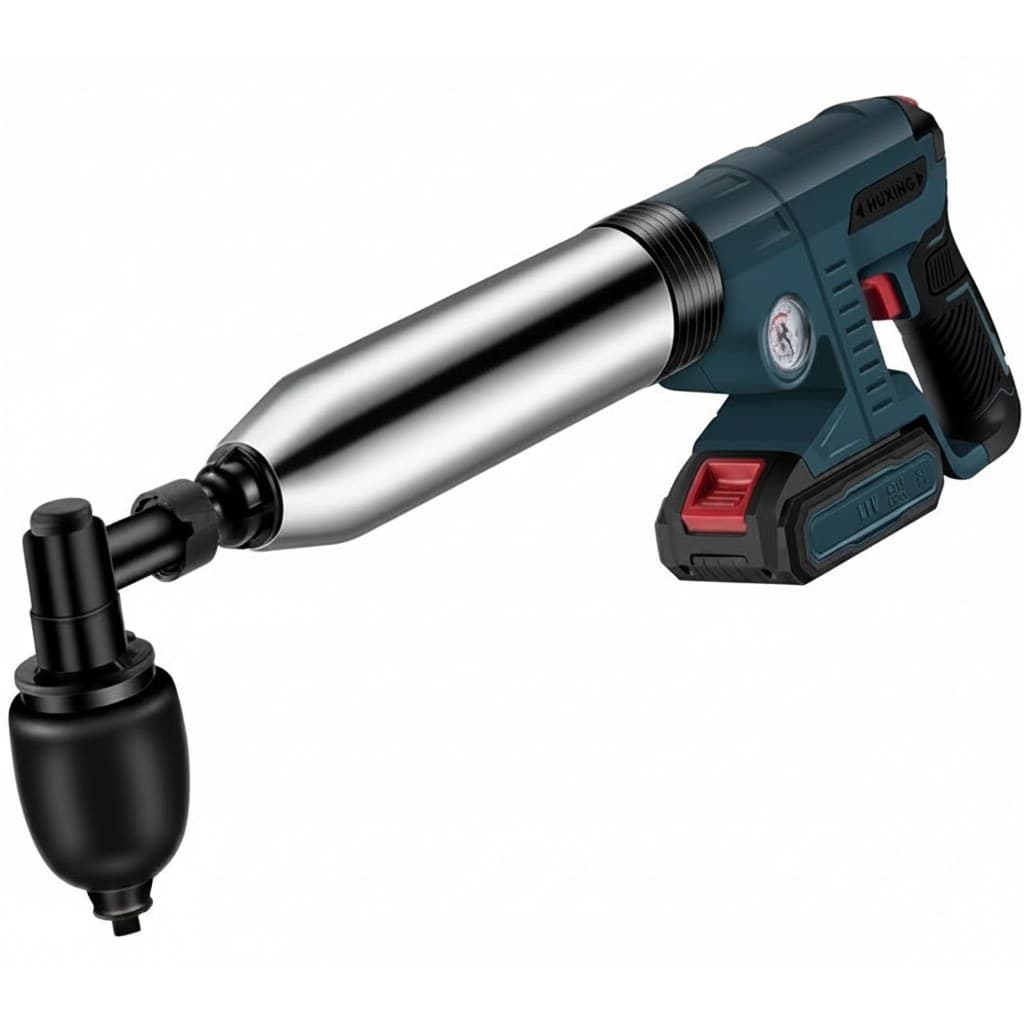
Jetter specifications quote both pressure and flow, and people buy on pressure. Flow is what carries debris back down the pipe and out, and a high pressure machine with a small flow will cut a neat hole through a grease blockage and leave the rest of it in place, so the drain blocks again shortly afterwards.
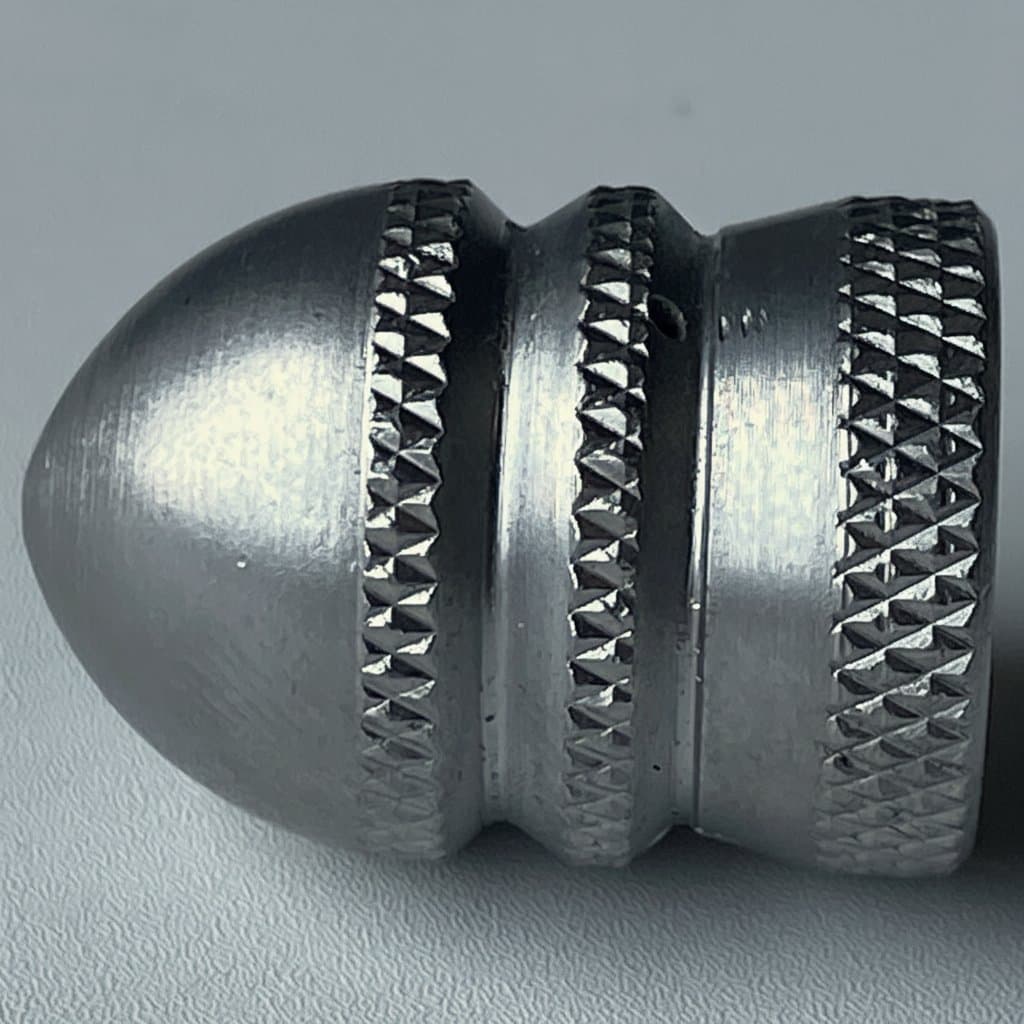
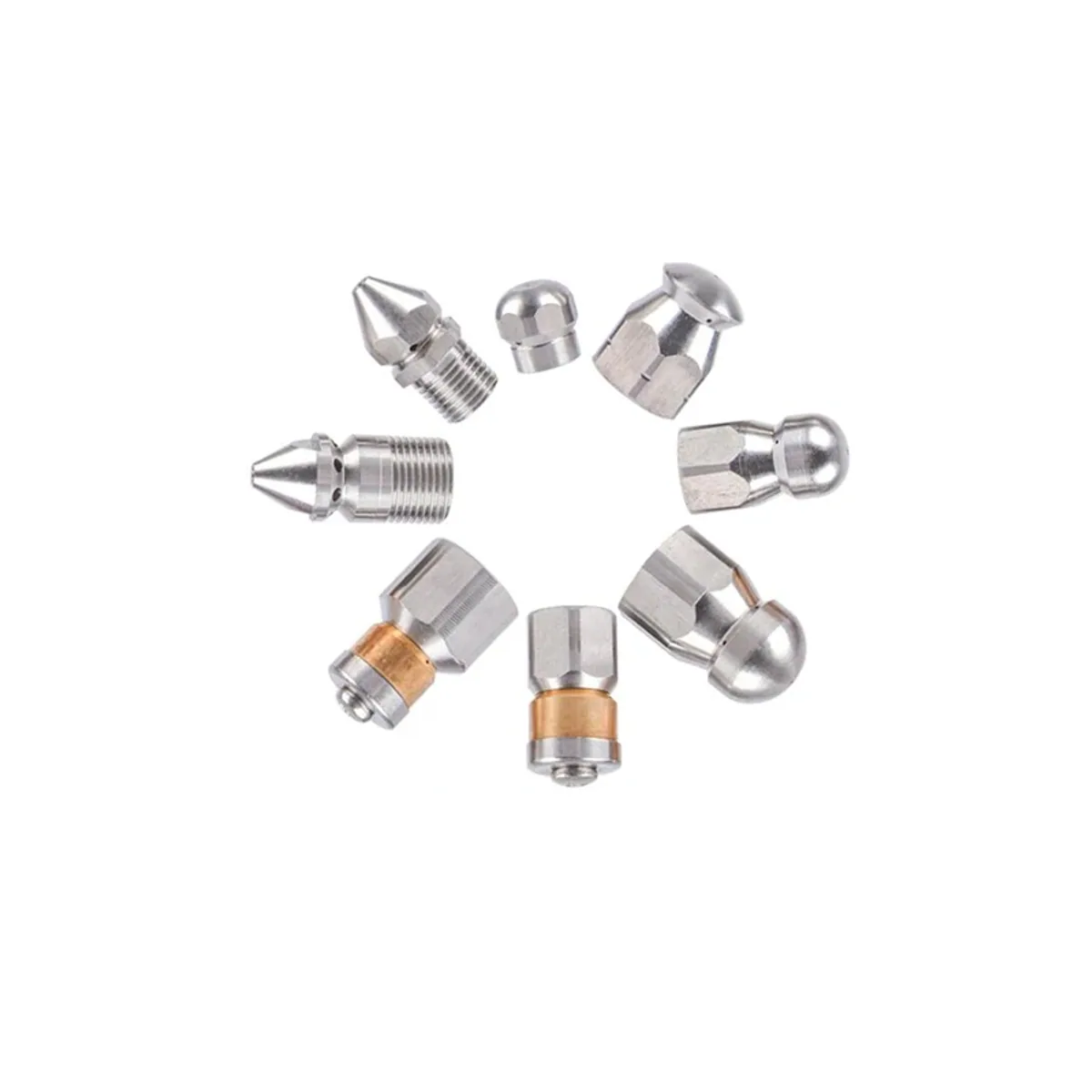
Nozzle choice does the rest. A nozzle with rear facing jets and no forward jet propels the hose and flushes behind it, which is the standard cleaning arrangement. A nozzle with a forward jet pierces a solid blockage and is used to get through before switching to cleaning.
Treat the hose with respect. It is carrying water at very high pressure, and a pinhole leak in a jetting hose is capable of injecting through skin exactly as an airless sprayer is. Never start the pump with the nozzle out of the pipe, since it will whip violently, and inspect hoses for abrasion regularly.
When clearing is the wrong answer
A drain that blocks in the same place repeatedly is not telling you it needs clearing more often. It is telling you something is wrong with the pipe: a displaced joint catching solids, a partial collapse, a back fall where the gradient is wrong, or roots that will simply grow back.
That is the point to put a camera down rather than the machine, because clearing a structural defect buys weeks. The survey turns a recurring callout into a defined repair, and it also protects you from being blamed for damage that was already there.
Chemical drain cleaners deserve a mention only to be discouraged. They are strongly caustic or acidic, they are hazardous to handle and to the person who opens the trap afterwards, they can damage older pipework, and they do nothing at all about a structural fault. Mechanical clearing and a proper diagnosis are the professional route.