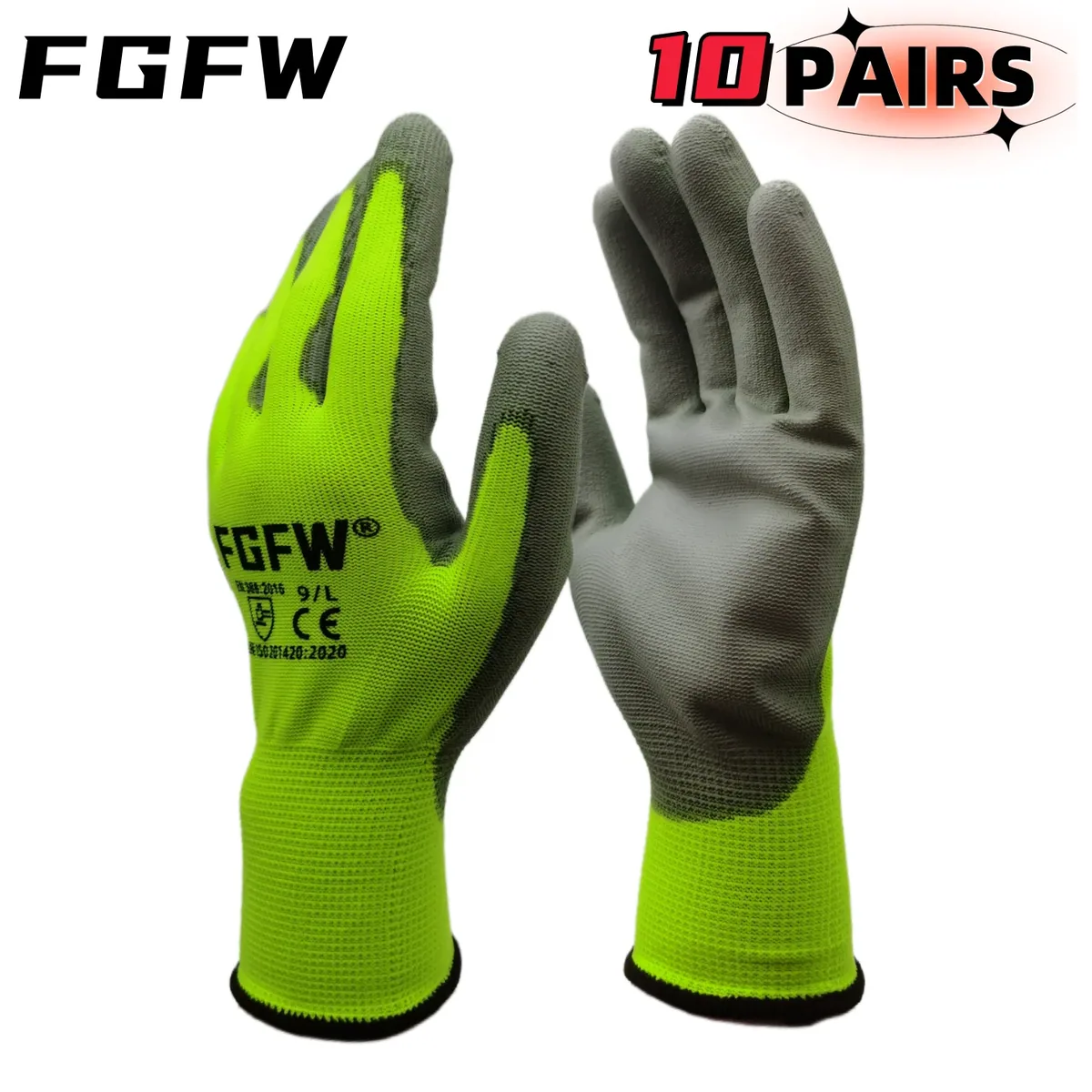



Reading the numbers on the back of the glove
The mechanical performance mark gives abrasion, cut, tear and puncture in that order, each scored against a laboratory test. Higher is better within each, and a glove scoring well on abrasion tells you nothing at all about how it handles a blade.
Cut resistance is where care is needed. The older numeric scale ran one to five and was measured with a rotating blade, and on modern high performance yarns that blade blunts during the test, which flatters the result. A separate letter scale from A to F measures the force needed to cut through and does not have that weakness.
So a glove marked with a letter is giving you the trustworthy figure, and a glove marked only with the old number on a very high performance yarn may be overstating itself. Where cut protection is the reason for the glove, look for the letter.
| Property | Tests for | Matters when |
|---|---|---|
| Abrasion | Wear against a rough surface | Handling brick, block, rough timber |
| Cut (numeric) | Rotating blade, older method | Treat with caution on high performance yarns |
| Cut (letter A to F) | Force to cut through | The figure to trust for blade work |
| Tear | Resistance to a started tear spreading | Snagging hazards |
| Puncture | Resistance to a blunt point | Wire, swarf, fixings |
Coatings, and which one grips what
The coating on the palm decides grip far more than the liner does. Polyurethane is thin and gives excellent dexterity and dry grip, which is why it dominates assembly and general handling, and it does not last against abrasion.
Nitrile is tougher and works in oil, which is what makes it the mechanic default. A sandy or foam nitrile finish adds texture that channels oil away from the contact patch, and that is the coating to reach for when parts are wet with lubricant.
Latex grips well on wet and rough surfaces and gives a coarser feel, and it is a genuine allergy risk for some wearers, which matters when buying for a team. Fully coated gloves keep liquid out and make the hand sweat; palm coated gloves breathe through the back and let liquid in over the knuckles.
Where a general work glove is the wrong glove
Gloves for live electrical work are a separate category entirely. They are insulating rubber, rated to a voltage class, and they are subject to periodic testing with a date on the record. A general work glove marketed at electricians is a glove for handling cable and conduit, not protection against contact with live parts, and treating one as the other is a serious mistake.
Chemical protection is likewise its own standard, and the important idea is breakthrough time. A glove material resists a given chemical for a stated period and then lets it through, so a glove is chosen against the specific substance and changed on time. Nitrile is not universal and no single glove covers everything.
Heat and cold are separate marks again. Welding gloves are built for radiant heat and spatter with a long cuff, and insulated gloves for cold work trade dexterity for warmth. Buying one glove to cover all of these produces something that does none of them well.
Fit, and the machines where gloves are banned
There are machines where gloves must not be worn, and this is not a preference. Anything with an exposed rotating part that can catch fabric, such as a pedestal drill, a lathe or a bench grinder, will pull a glove in, and the hand goes with it. Bare hands can pull away from a snag; a glove cannot.
Where gloves are correct, fit is what makes them work. Too large and the fingertips are empty, dexterity goes and the loose material becomes the snag hazard. Too small and the hand tires quickly and the wearer takes them off, which is the most common way protection fails.
Sizes vary considerably between makers, so buy a sample before committing to a box, and buy for the people rather than one size for everyone. A glove that is comfortable gets worn all day, which is worth more than a higher rating on a glove that lives in a pocket.