

The nosepiece must match the rivet
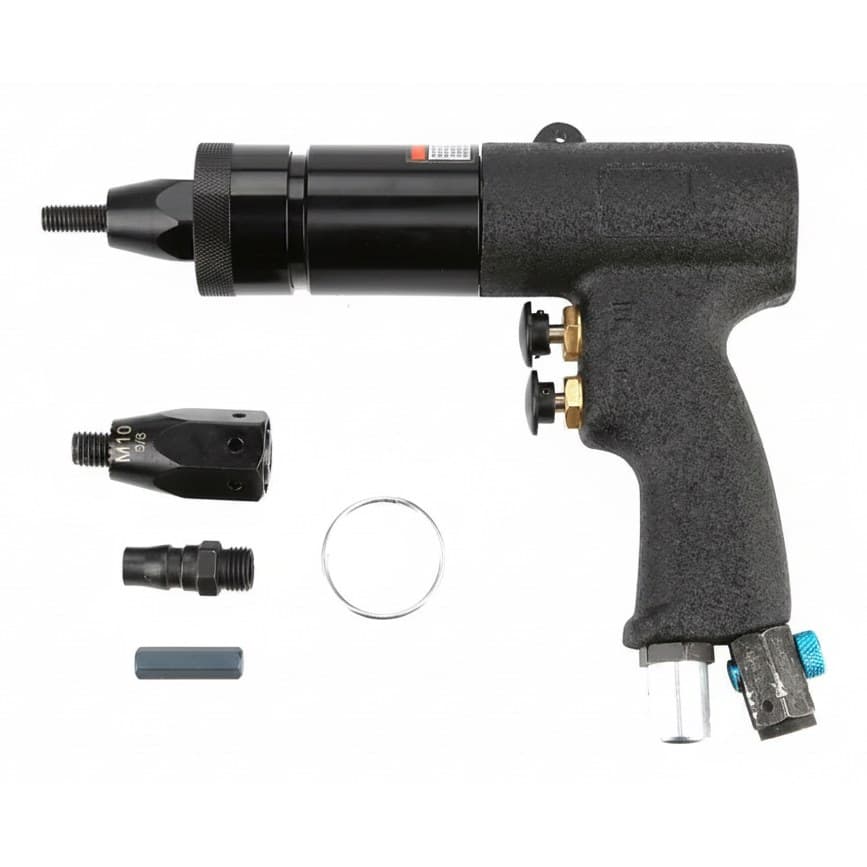
The nosepiece is the interchangeable tip the mandrel passes through, and each one suits a specific rivet diameter. A nose that is too large lets the rivet head pull into it rather than being held against the work, so the rivet is drawn out of the hole instead of being set.
A nose that is too small will not pass the mandrel at all, which is at least obvious. The insidious case is the one size too large, because it produces something that looks like a rivet and holds nothing.
Guns are supplied with a set of noses and usually somewhere to store them in the handle. Losing them is the normal failure, and it turns a working tool into one that only does one size. Check what sizes a gun covers against the rivets you actually use before buying.
| Specification | Controls | Getting it wrong |
|---|---|---|
| Nosepiece size | Which rivet diameter the tool sets | Oversize nose pulls the rivet out of the hole |
| Hole diameter | How the rivet body fills the hole | Too big and the joint is loose and rattles |
| Grip range | Material thickness the rivet suits | Too thin and the tail forms in mid air |
| Rivet material | Strength and corrosion behaviour | Mismatched metals corrode at the joint |
Grip range, and why a rivet rattles
Every blind rivet states a grip range, meaning the total material thickness it is designed to clamp. Inside that range the tail forms tight against the back face and the joint is solid.
Below the range, the rivet is too long for the material and the tail forms out in free air behind the work rather than against it, leaving a joint that is loose from the moment it is made. Above the range, the rivet is too short and the mandrel breaks before the tail has properly formed.
Hole size compounds it. Drill oversize and the body cannot expand enough to fill the hole, so even a correctly set rivet leaves the joint able to move. Use the drill size the rivet specifies, and drill both parts together where you can so the holes line up exactly.
Rivet material and galvanic corrosion
Aluminium rivets are the common default: soft, cheap and easy to set with a hand tool. Steel rivets are stronger and need more force. Stainless is stronger again and is what damp and outdoor work needs.
The trap is putting dissimilar metals together. An aluminium rivet in a steel panel, or a steel rivet in aluminium, creates a galvanic couple, and with moisture present one of the two corrodes preferentially at exactly the point that is holding the joint together. On a vehicle or anything outdoors, that is a joint with a limited life built in.
Match the rivet to the panel where you can, and where you cannot, isolate them. Stainless rivets in aluminium are a common compromise that works because the corrosion rate is low, but it is a compromise rather than a free choice, and sealant at the joint helps considerably.
Hand, pneumatic or cordless
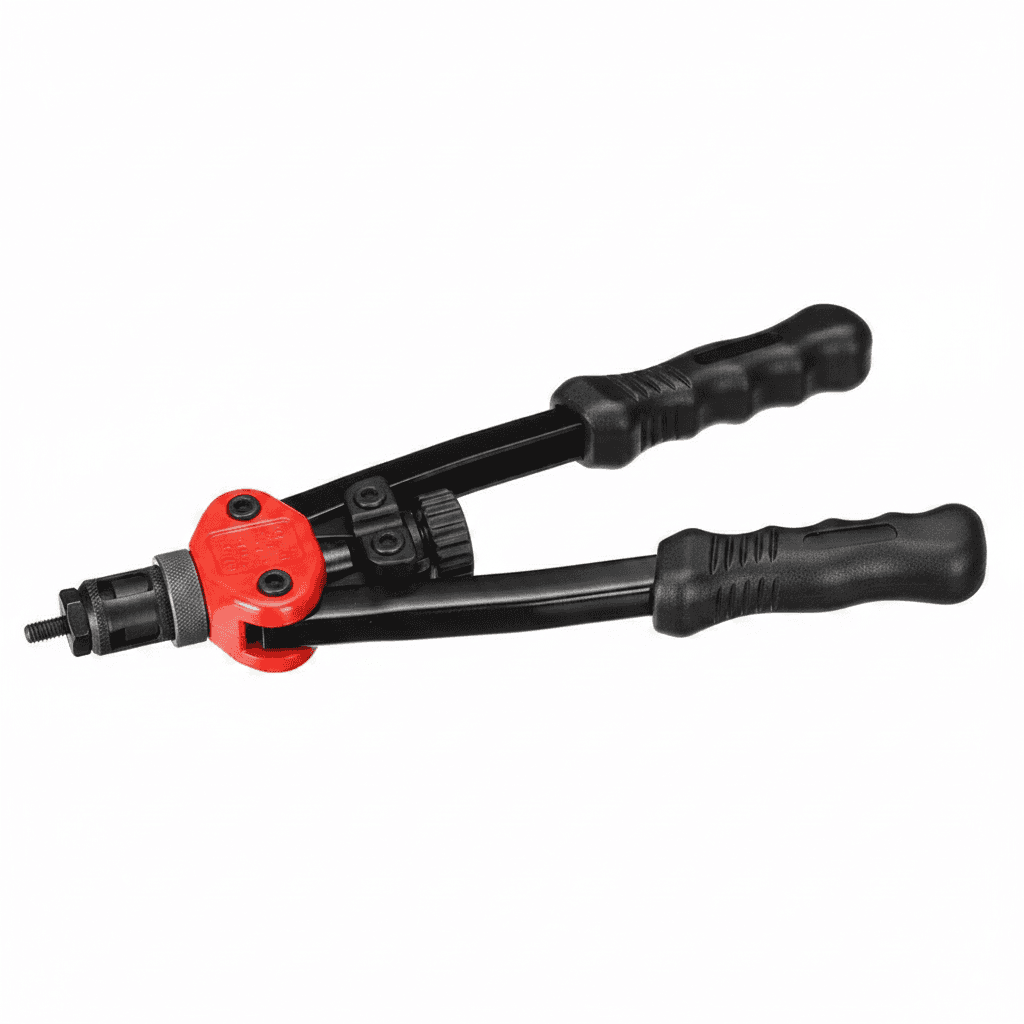
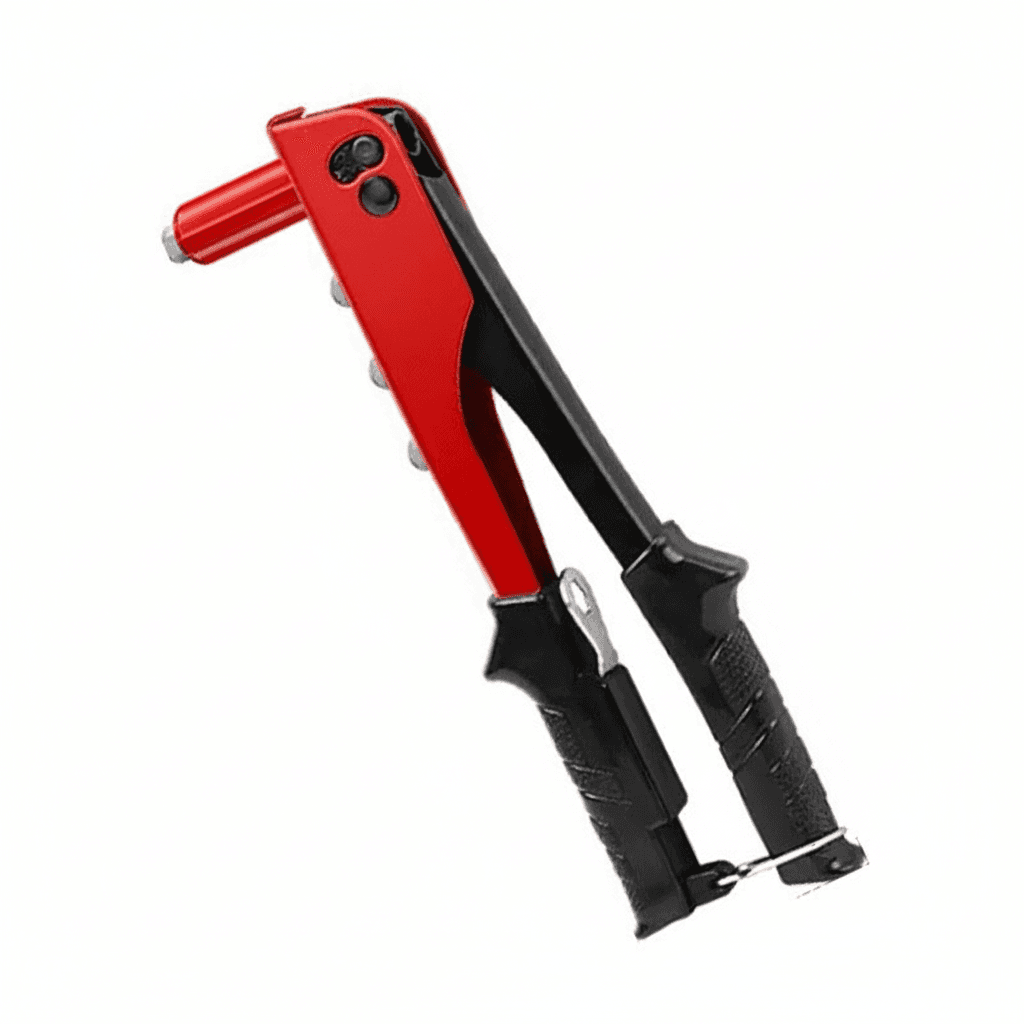
A hand riveter is cheap, needs nothing, and is hard work above about four millimetres in aluminium and impractical in steel. For a handful of rivets it is the right tool and for a hundred it is not.
Pneumatic riveters are what production uses. They set a rivet per trigger pull with no effort, they are light in the hand, and they need a compressor and an airline, which is why they live in workshops rather than vans.
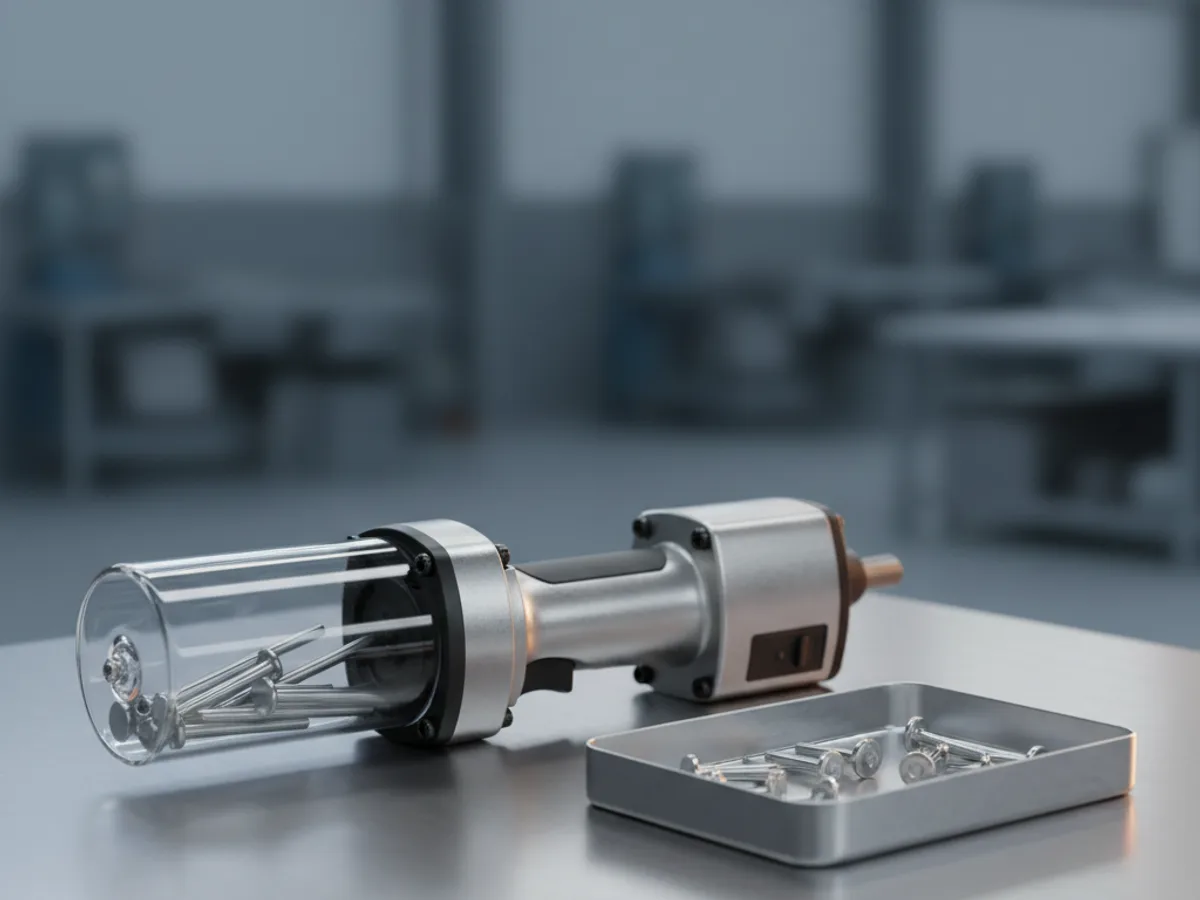
Cordless guns have taken over mobile work for the same reason as every other cordless tool. They set larger rivets than a hand tool comfortably reaches, they collect spent mandrels in a bottle rather than firing them across the floor, and they cost considerably more. For anyone setting rivets regularly away from a compressor, that is the tool. Empty the mandrel bottle before it jams, which is the one maintenance job these tools reliably need.