What 80 PLUS actually certifies
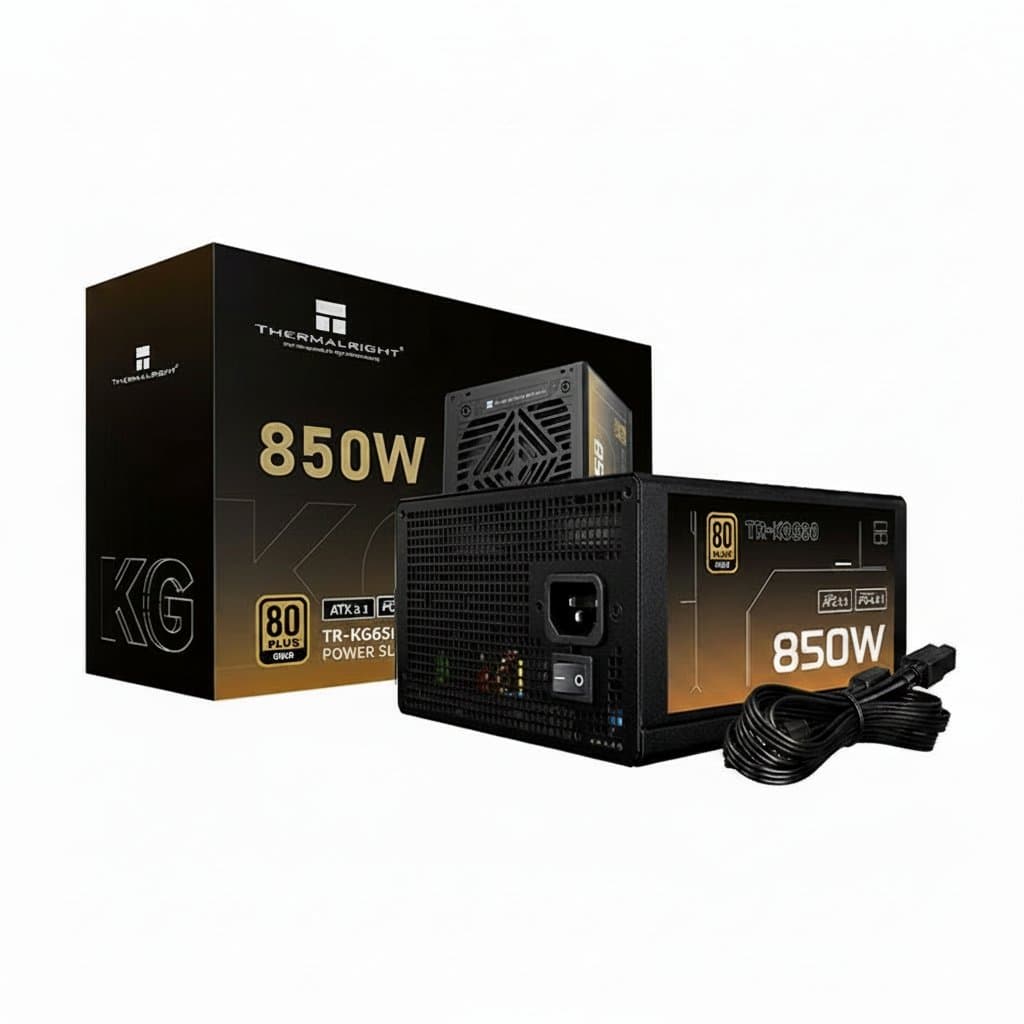
The 80 PLUS tiers describe efficiency, meaning how much of the mains power drawn ends up as usable DC instead of heat. A unit is tested at low, medium and full load, and the tier is the worst of those results. Bronze, Gold and Platinum are not build-quality grades, though in practice a maker willing to pay for Platinum is rarely cutting corners elsewhere.
The saving on the electricity bill is real but modest for a home machine. The reason to care is heat and noise: a more efficient unit throws less waste heat into the case, so its own fan works less and the rest of the system runs in cooler air. Efficiency also peaks near half load, which is a genuine argument for not buying a unit sized exactly to your maximum draw.
Sizing for continuous load and transient spikes
Add up the continuous draw of the components you own, not the ones you might buy. The processor and graphics card dominate and everything else is noise by comparison. That total is the number a supply has to deliver all day without its fan screaming.
Modern graphics cards then complicate it by drawing very short spikes far above their rated power. A unit that copes with the average but trips on a millisecond excursion produces the classic symptom: the machine shuts off instantly under load with no warning and no error. That behaviour is a protection circuit doing its job, not a fault, and it is why headroom above the calculated figure is worth paying for.
| Form factor | Size | Suits | Watch out for |
|---|---|---|---|
| ATX | Standard, 150 mm wide | Mid and full tower cases | Check depth against the case, not just the standard |
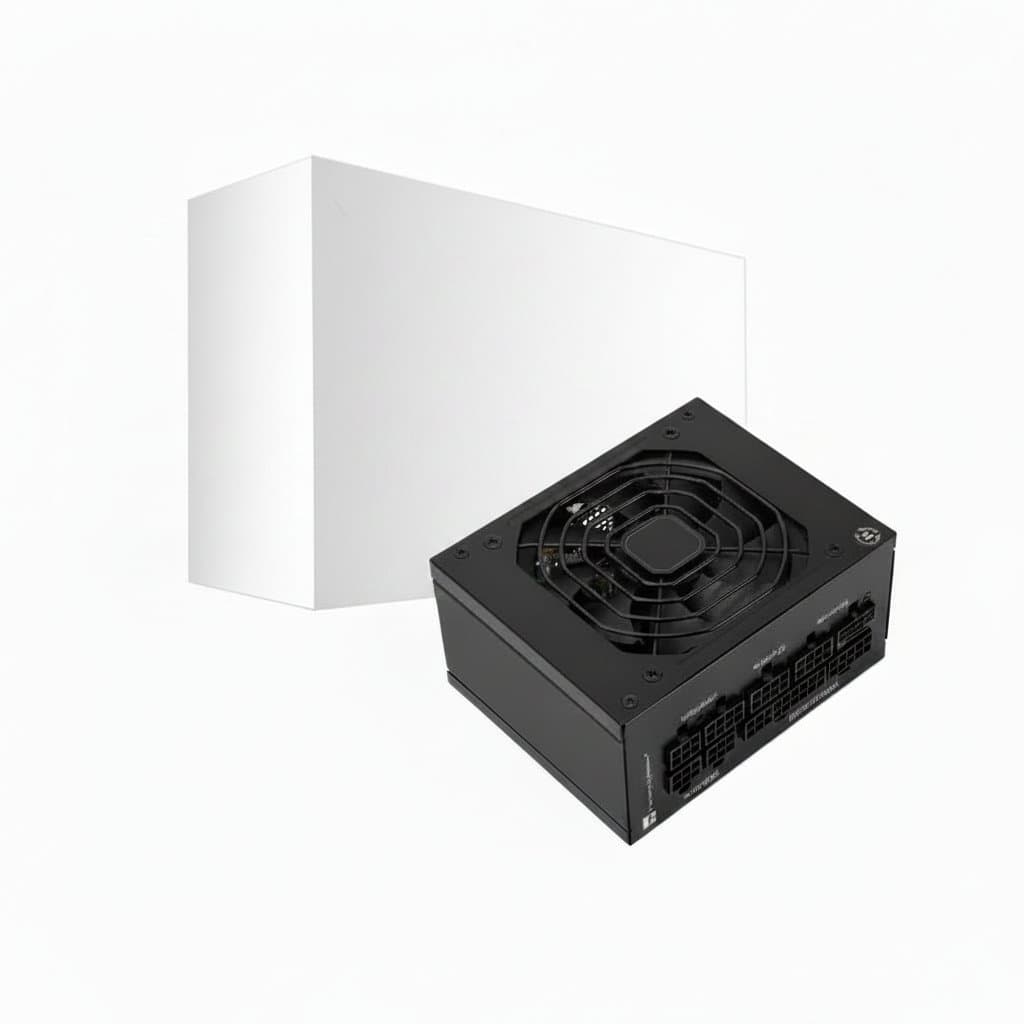
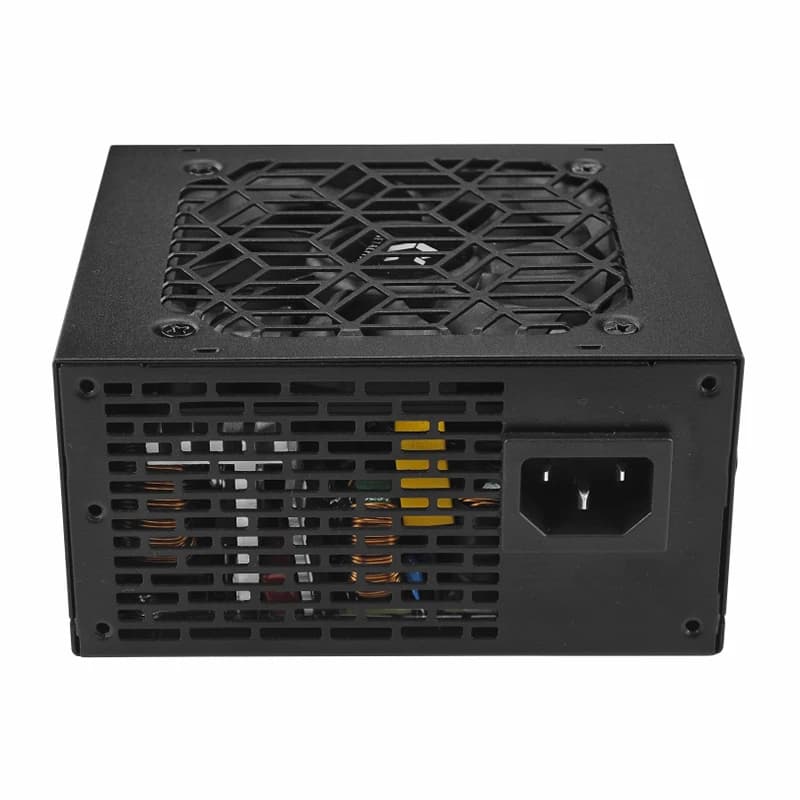
| SFX | Compact, 125 mm wide | Mini-ITX and small form factor builds | Smaller fan, so often louder for the same output |
| SFX-L | SFX width, longer body | Small cases that accept the extra length | Fits an SFX bracket but needs the depth |
Modular, semi-modular and the cables in between
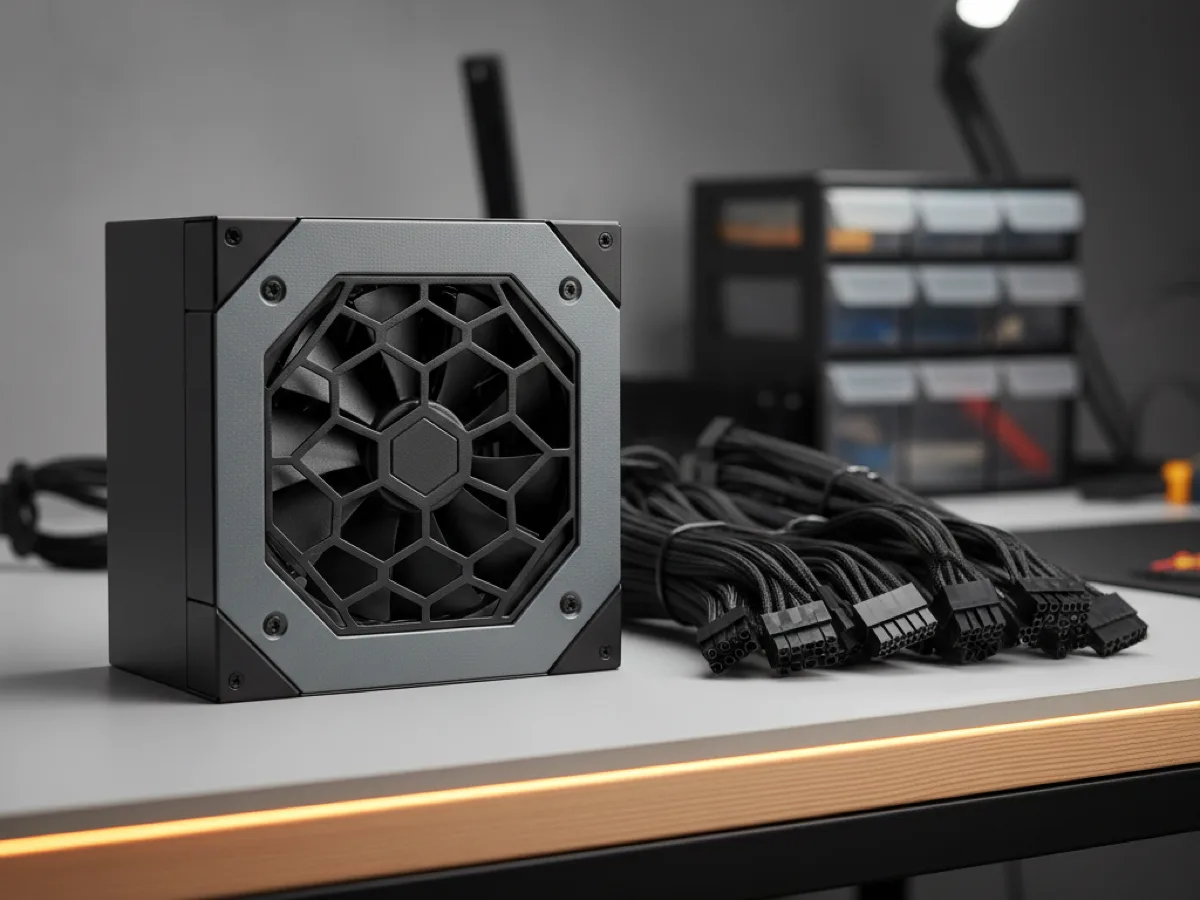
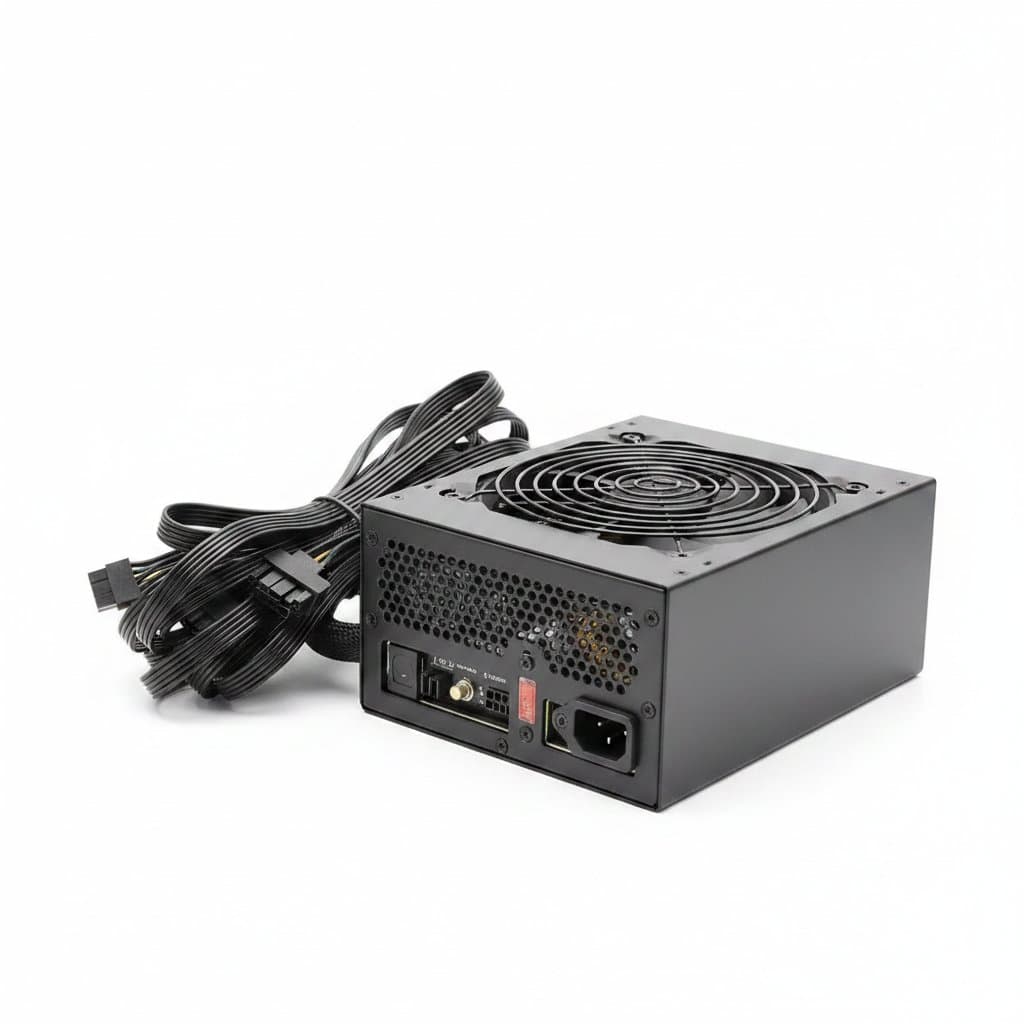
A fully modular unit lets you plug in only the cables the build needs, which matters for airflow and for getting the loom into a small case. Semi-modular hard-wires the motherboard and processor cables, which every build uses anyway, and makes the rest detachable. Non-modular hangs everything off the unit whether you need it or not.
One rule with no exceptions: never reuse modular cables between different power supplies, even from the same maker. The socket pinouts are not standardised, and a cable that fits physically can deliver 12 volts to a pin expecting ground. That mistake destroys hardware, and it is the single most expensive avoidable error in PC building.
Protections and hold-up time
The protection set is the specification that decides what happens on a bad day. Over-current, over-voltage, under-voltage, over-power, short-circuit and over-temperature protection between them mean a fault shuts the supply down rather than passing the problem to the motherboard. A unit that lists all of them has been designed to fail safely; one that lists none has usually not been tested to find out.
Hold-up time is how long the output stays in specification after mains is lost, and the ATX specification calls for at least 16 milliseconds. It exists so a brief dip does not crash the machine, and it is what lets an uninterruptible supply switch over without the PC noticing. It is a quiet indicator of build quality because holding the rails up needs real capacitance.