Compel Groupgroup

Cabinet, Door and Gate Hinges

Author: James Whitfield, Equipment Desk5 min read
Updated

Concealed cup hinges sit in a 35 millimetre bored hole in the door and are invisible when it is shut, and they adjust in three directions after fitting, which is why kitchens use them. Butt and piano hinges are surface fitted, carry more weight and adjust not at all. Overlay is the next decision after type.

12 products from £68.99 to £294.99

Specs and prices

Specifications as declared by the seller of each listing, not our own measurements. Prices update with the catalogue.

ProductPriceMaterialProduct TypeApplicationFinishType
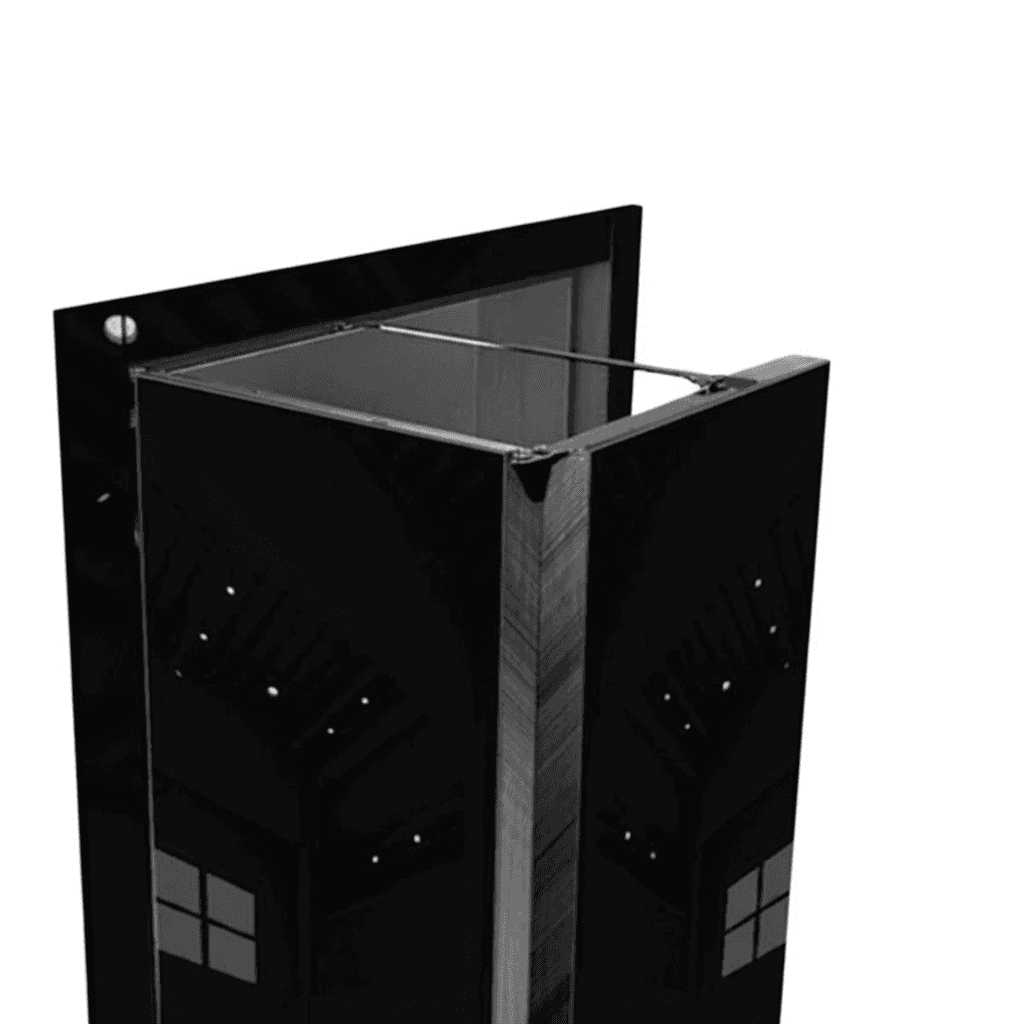
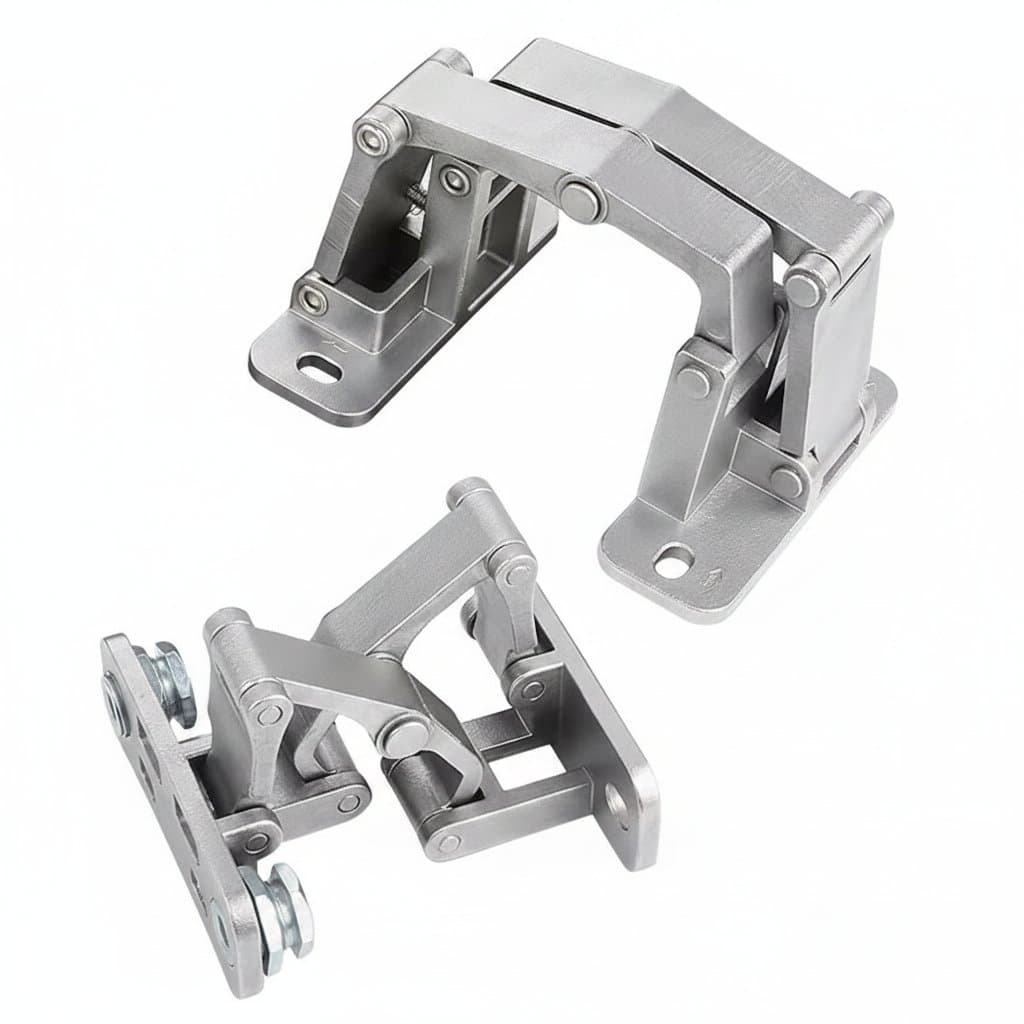
Folding Gate Hinges, a pair of silver hinges for gates.Folding Door Hinges£294.99Stainless Steel-Folding Door--
Heavy Duty Gate Hinges, a pair of black metal hinges.Heavy Duty Gate Hinges£219.99304 stainless steel---Door Hinges
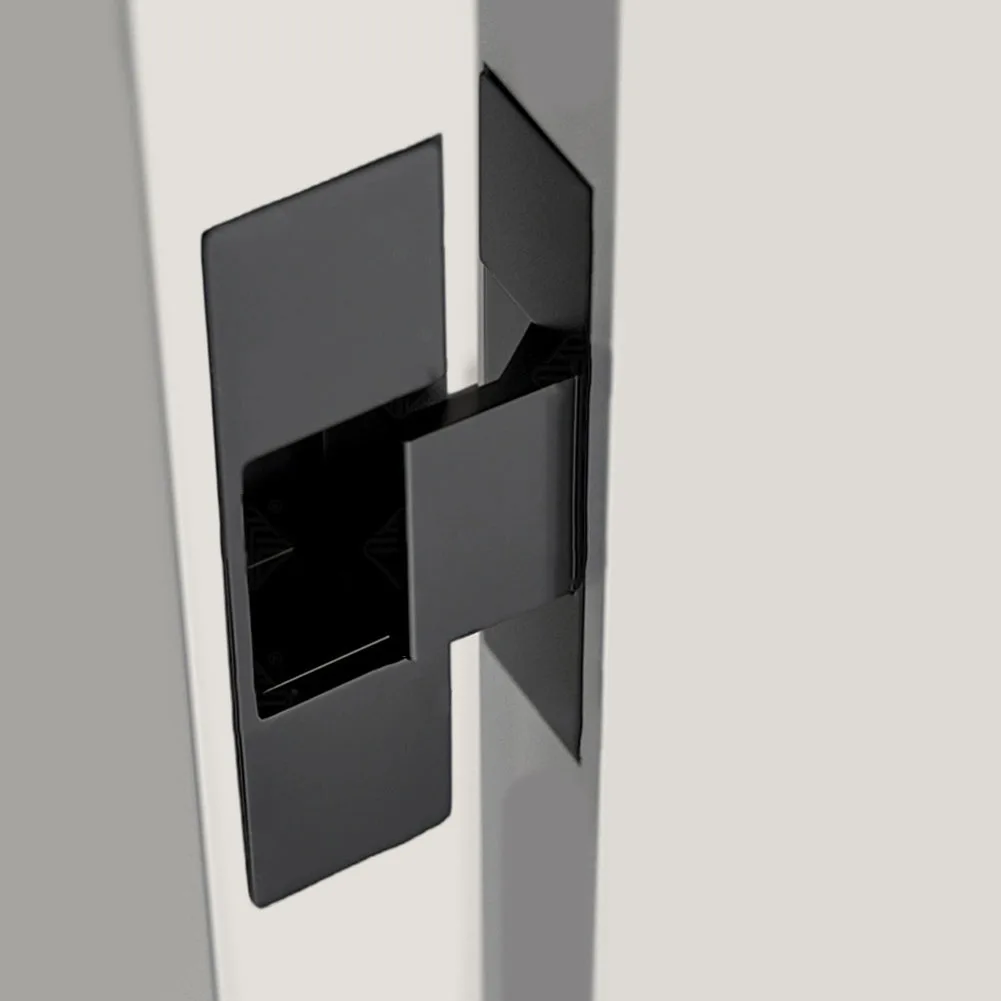
Heavy-duty stone door hinge for 180-degree invisible installation on fire hydrant, dark doors, marble tiles, and large entryways.Stone & Fire Door Hinge£177.99Stainless steel--Dark bronze-
Heavy Duty Gate Hinges, a pair of robust black hinges.Heavy Duty Gate Hinges£136.99Stainless steel---Door Hinges
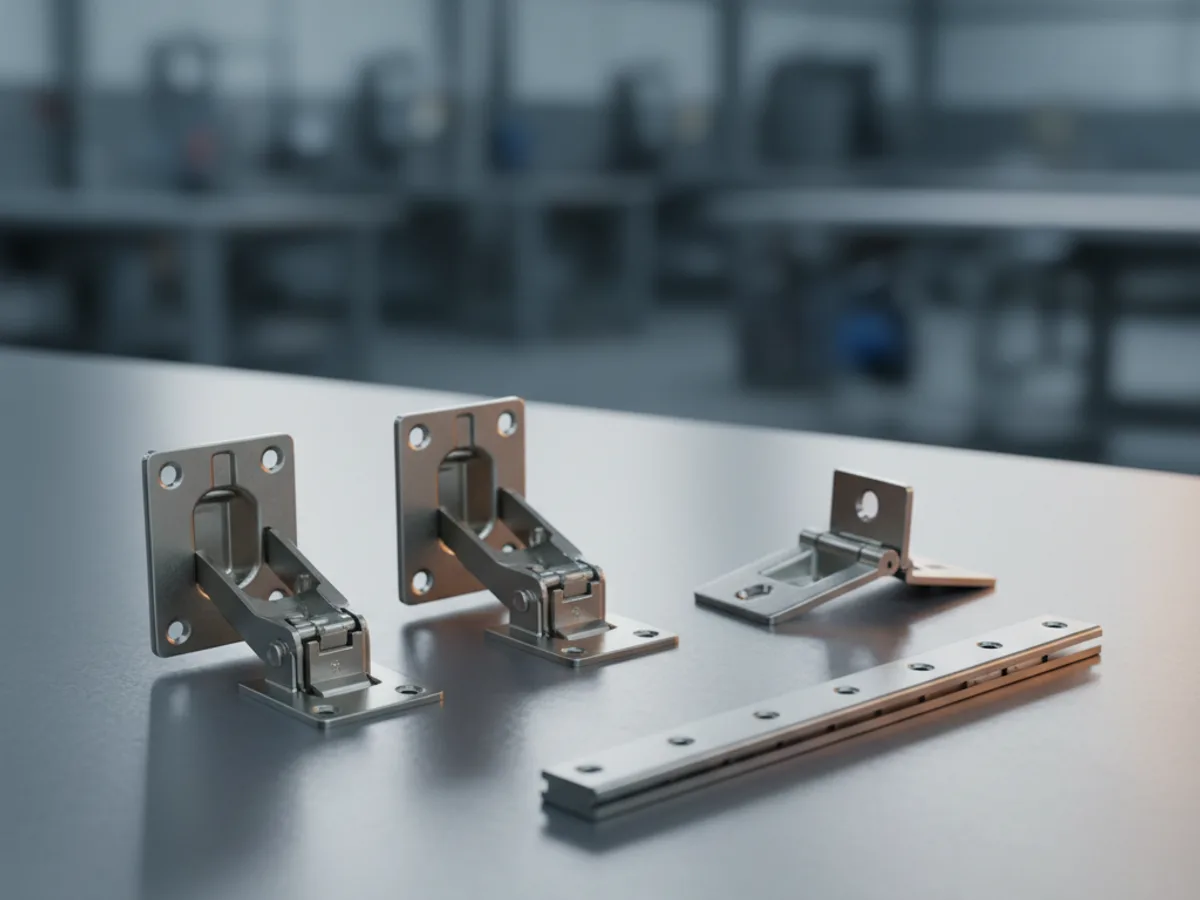
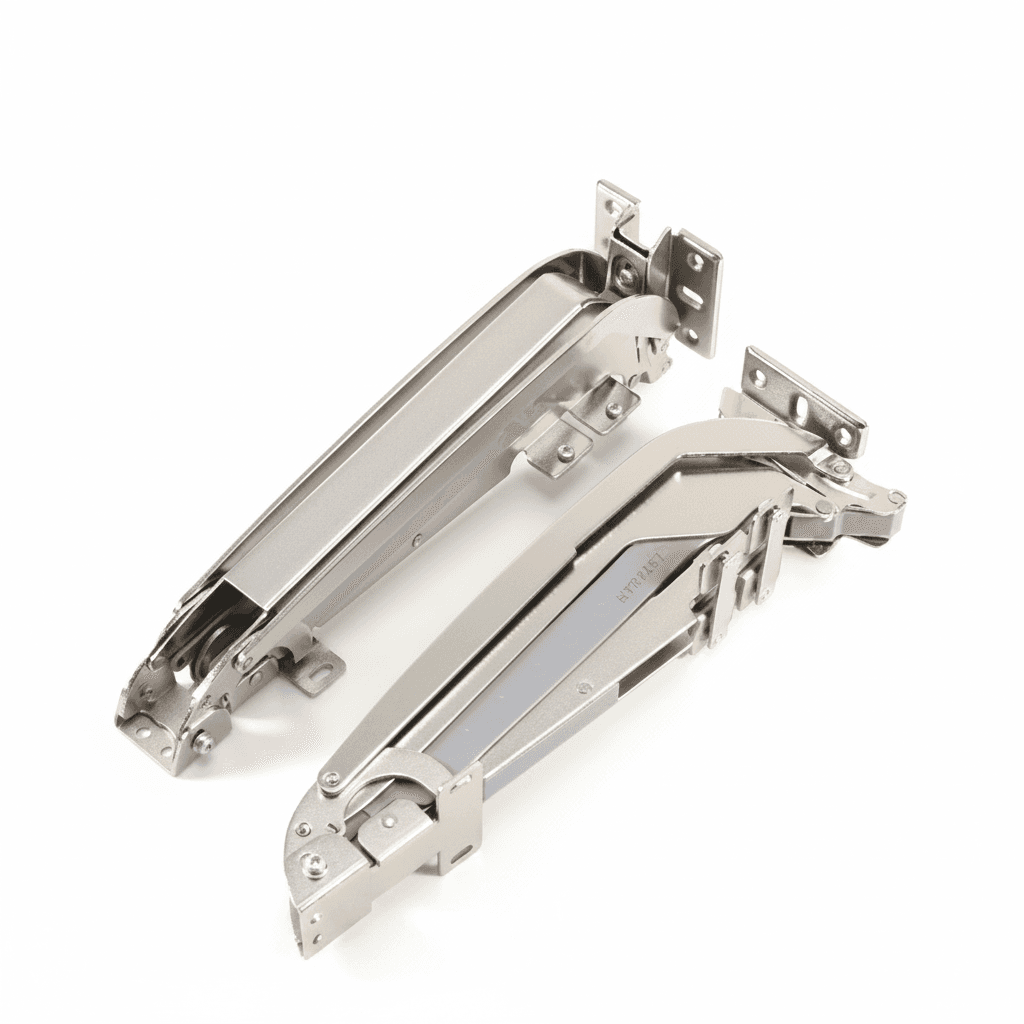
Garment Hanging Rail Hinge System, a complete product view.Garment Hanging Rail Hinge System£120.99Stainless steel---Furniture Hinge
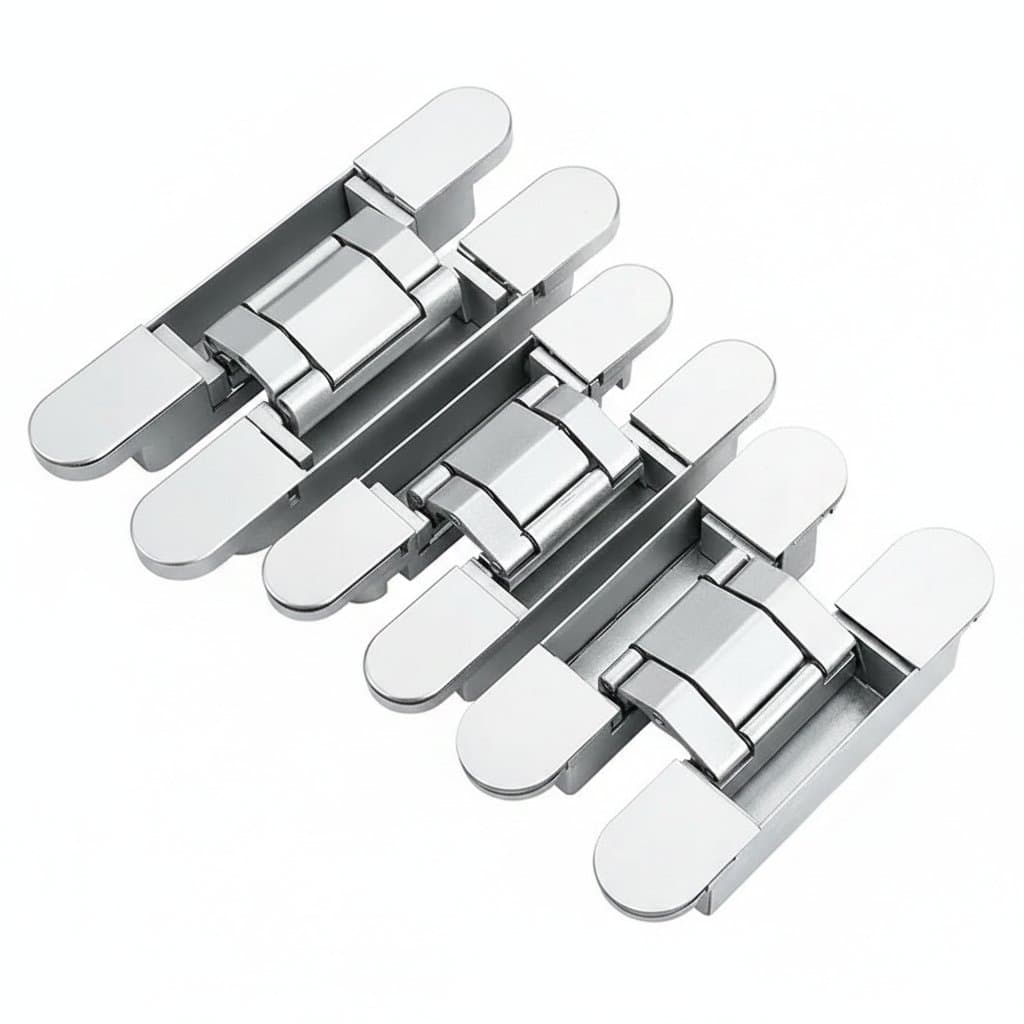
Invisible Gate Hinges: Three identical hinges on wood and dark grey background.Invisible Gate Hinges£116.99Aluminum alloy---Door Hinges
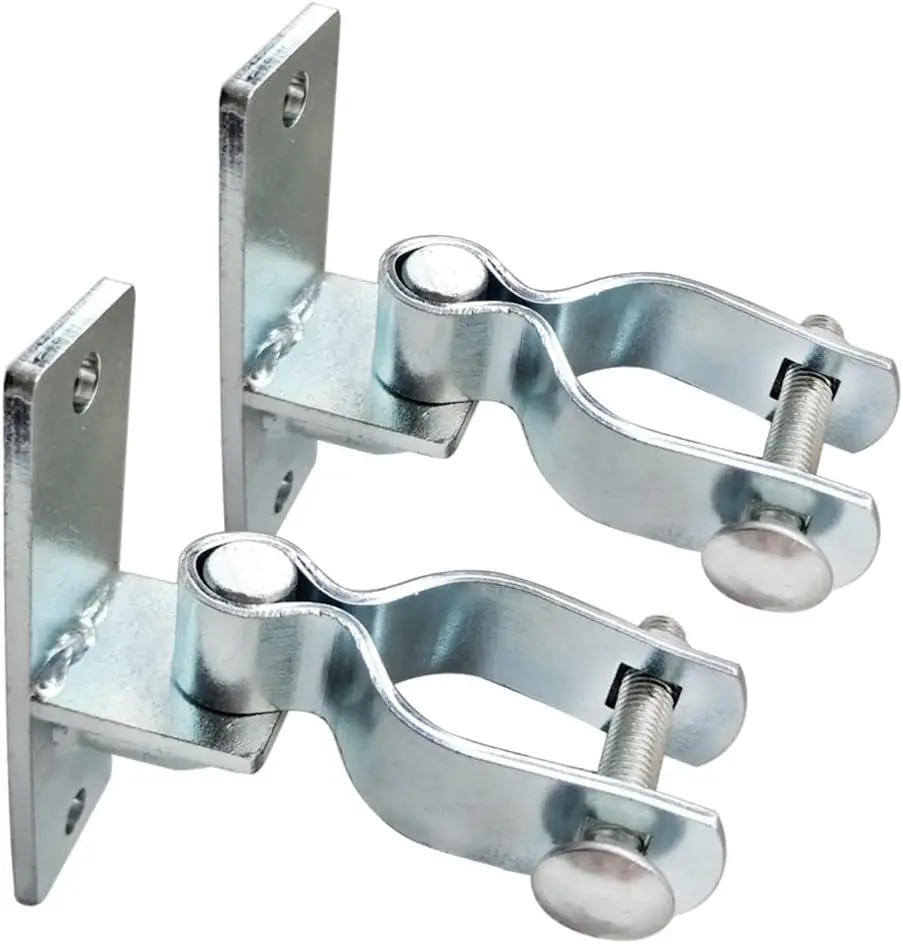
Gate hinges, two identical metal hinges on a white background.Gate Hinges 1-3/8" Wall Mount£112.99Aluminum alloy---Door Hinges
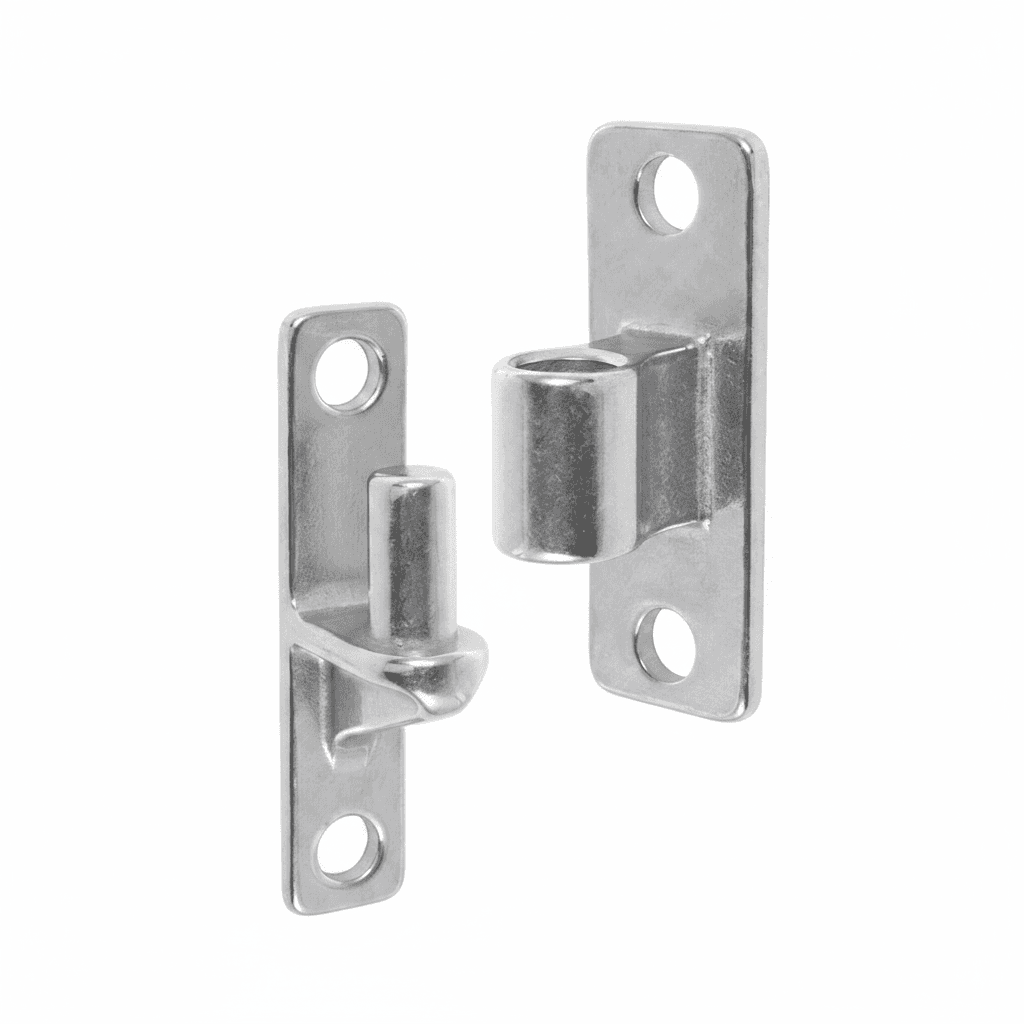
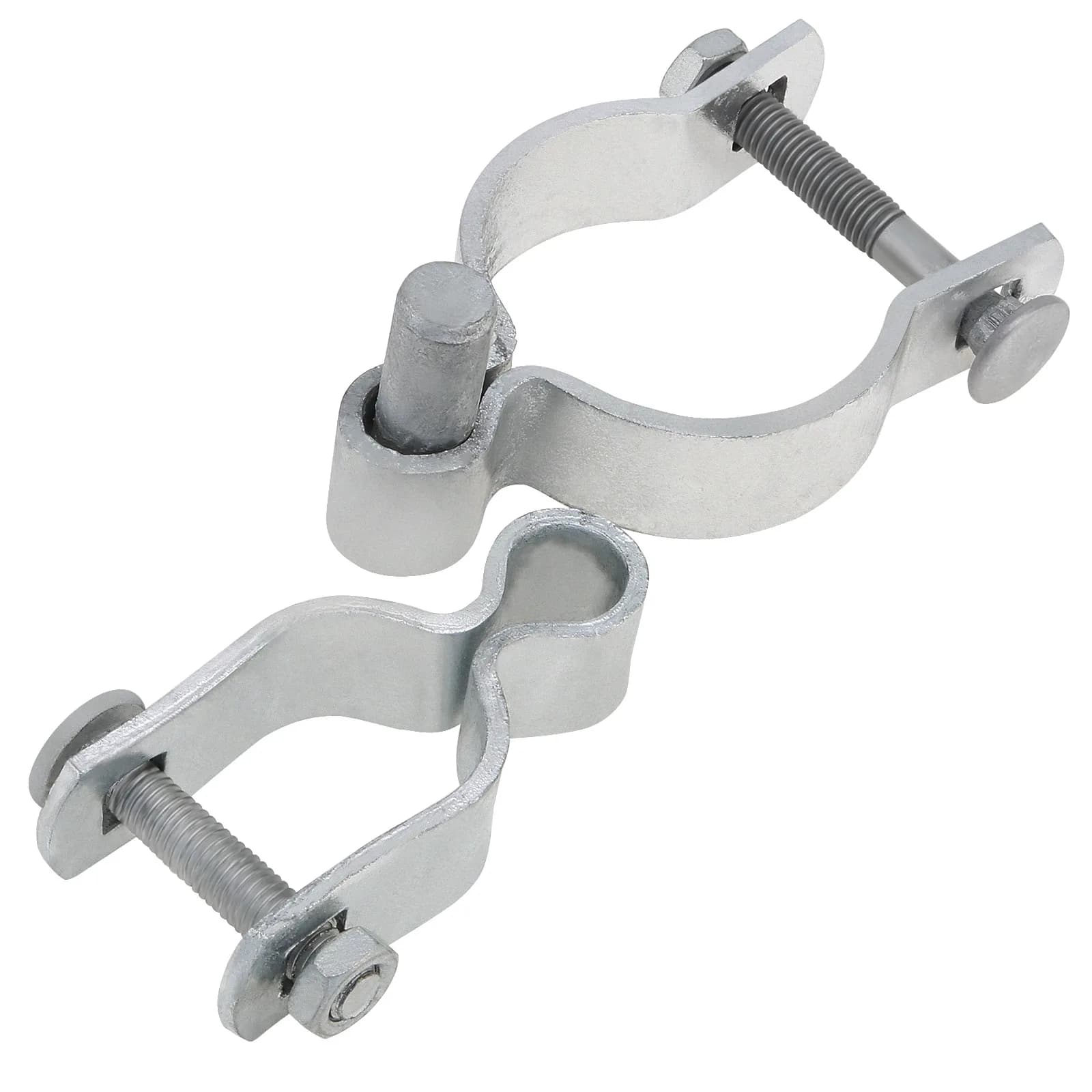
Two heavy-duty chain link fence gate post hinges with 1-3/8 inch female and 2-3/8 inch male components for secure gate installation.Duty Gate Hinges£84.99Galvanized steelChain link fence gate hinge set---

Concealed cup hinges and the three adjustments

A concealed hinge has two halves: a cup pressed into a bored hole in the door, and a mounting plate screwed to the carcase. Almost all of them use a 35 millimetre cup at a standard distance from the door edge, which is why hinges from different makers usually interchange.

The reason they dominate is adjustment. After fitting, screws on the hinge move the door in and out, up and down, and side to side, so a run of doors can be aligned to a consistent gap without touching the boring. Nothing surface mounted offers that.

Opening angle is the specification people overlook. A standard hinge opens around 110 degrees, which is fine until a drawer inside the cabinet needs to clear a door that is not far enough out of the way. Wide angle hinges exist for exactly that, and for corner cabinets where the geometry is awkward.

Overlay: how the door sits on the carcase
TypeDoor positionUsed for
Full overlayCovers the side panel almost fullyEnd cabinets and single doors
Half overlayTwo doors share one side panelA panel between two cabinets
InsetDoor sits flush inside the frameTraditional and framed furniture

Soft close, integrated or added on

Soft close works by a small hydraulic damper that slows the last part of the closing travel. Integrated hinges build it into the arm, which is neat, consistent and the reason a modern kitchen closes quietly.

Clip on dampers do the same job on existing hinges and cost far less than replacing them. They are the sensible route when a kitchen is otherwise sound, and they can be added to some doors and not others without anything looking wrong.

Two things stop soft close working. A door that is too light does not carry enough momentum to trigger the damper properly, and a damper set to its heaviest position on a light door simply stops the door short of closed. Most integrated hinges have an adjustment for exactly this, and it is worth using rather than assuming the hinge is faulty.

Butt, piano and gate hinges

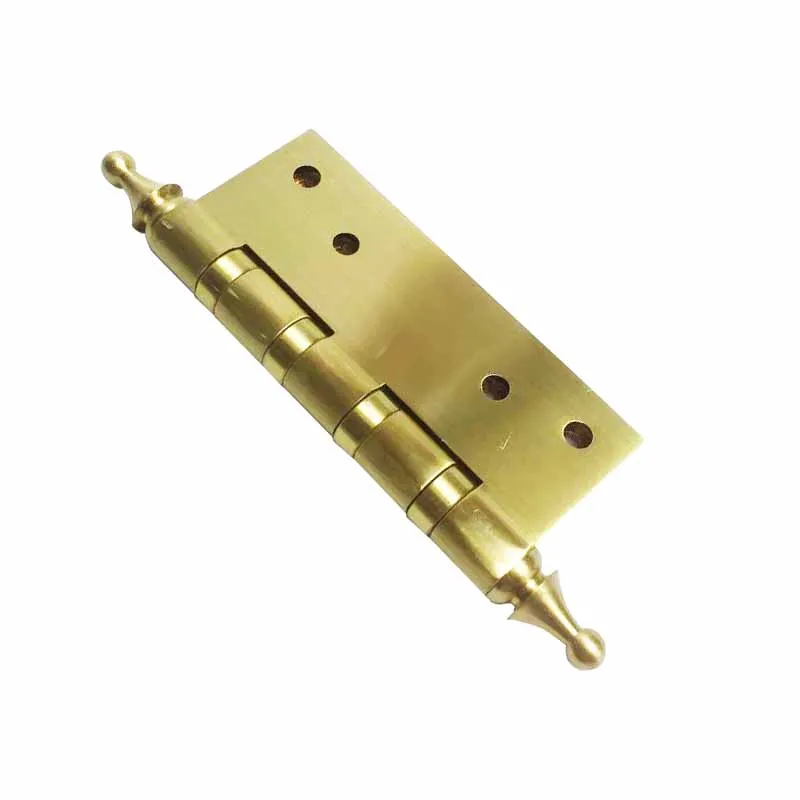
A butt hinge is the traditional pair of leaves and a pin, usually let into a recess so the leaves sit flush. It carries far more weight than a cup hinge and offers no adjustment, so the accuracy has to be in the fitting.

A piano or continuous hinge runs the full length of the joint, spreading the load along the whole edge. That is what suits a lid, a long access panel or a thin door that would distort if hung on two points, and it is also the more secure option because there is no easily attacked short leaf.

Gate hinges are a separate world again, sized by the weight and width of the gate rather than by cabinet conventions. Adjustable bearing hinges let a gate be trued after the posts have moved, which they will, and that adjustment is worth having on anything outdoors.

How many hinges and what finish

Hinge count follows door height and weight rather than taste. Two hinges suit an ordinary cabinet door; a tall larder door wants three or more, and a heavy solid door more again. The failure of an under hinged door is not dramatic: it sags, the gap goes uneven, and the screws in the top hinge slowly pull out.

Screw fixing is where most hinge problems actually start. Chipboard and MDF hold ordinary screws poorly under repeated load, and the top hinge takes the most. Fixings sized for the board, or an insert where the load is real, prevent a repair that is much harder once the hole has opened up.

Finish is about corrosion, not appearance, once a hinge is outdoors or in a damp room. Stainless resists a bathroom or a coastal site where zinc plated steel will bloom, and on a gate the pin is the part that seizes, so a hinge with a stainless or greasable pin lasts far longer than its price difference suggests.

James Whitfield, Equipment Desk editor at Compel GroupJames WhitfieldEquipment Desk

James edits the machine and equipment buying guides. The specifications on these pages are the declared figures from the live listings we hold, with a note wherever a number comes from a published standard instead. Pages are re-checked as the catalogue changes.

Share
Add Compel Group as a preferred source on Google

Buying guide

Cabinet, Door and Gate Hinges questions

Are concealed hinges interchangeable between brands?
Usually, because almost all use a 35 millimetre cup at a standard distance from the door edge. Check the mounting plate and overlay type as well, since those vary more than the cup boring does.
What is the difference between full and half overlay?
Full overlay means the door covers the side panel almost entirely, which suits an end cabinet. Half overlay is used where two doors share one panel between cabinets, so each covers half of it.
Can I add soft close to existing hinges?
Yes, with clip on dampers, which cost far less than replacing the hinges. They can be fitted to some doors and not others without anything looking inconsistent.
Why does my soft close door not shut fully?
Usually the damper is set too strong for a light door, so it stops the door short. Most integrated hinges have an adjustment for damping force, which is the first thing to try.
How many hinges does a tall door need?
Two suit an ordinary cabinet door, three or more a tall larder door, and more again for heavy solid doors. An under hinged door sags gradually and pulls the top hinge screws out of the board.
Which hinge for a long lid or access panel?
A piano or continuous hinge, which spreads the load along the whole edge rather than concentrating it at two points. It also resists attack better, since there is no short leaf to lever.

We use cookies. Some keep the store working, others show us what to fix. No third-party trackers, and we never sell your data. Learn more about cookies and your privacy