


Matching air delivery to pneumatic tools
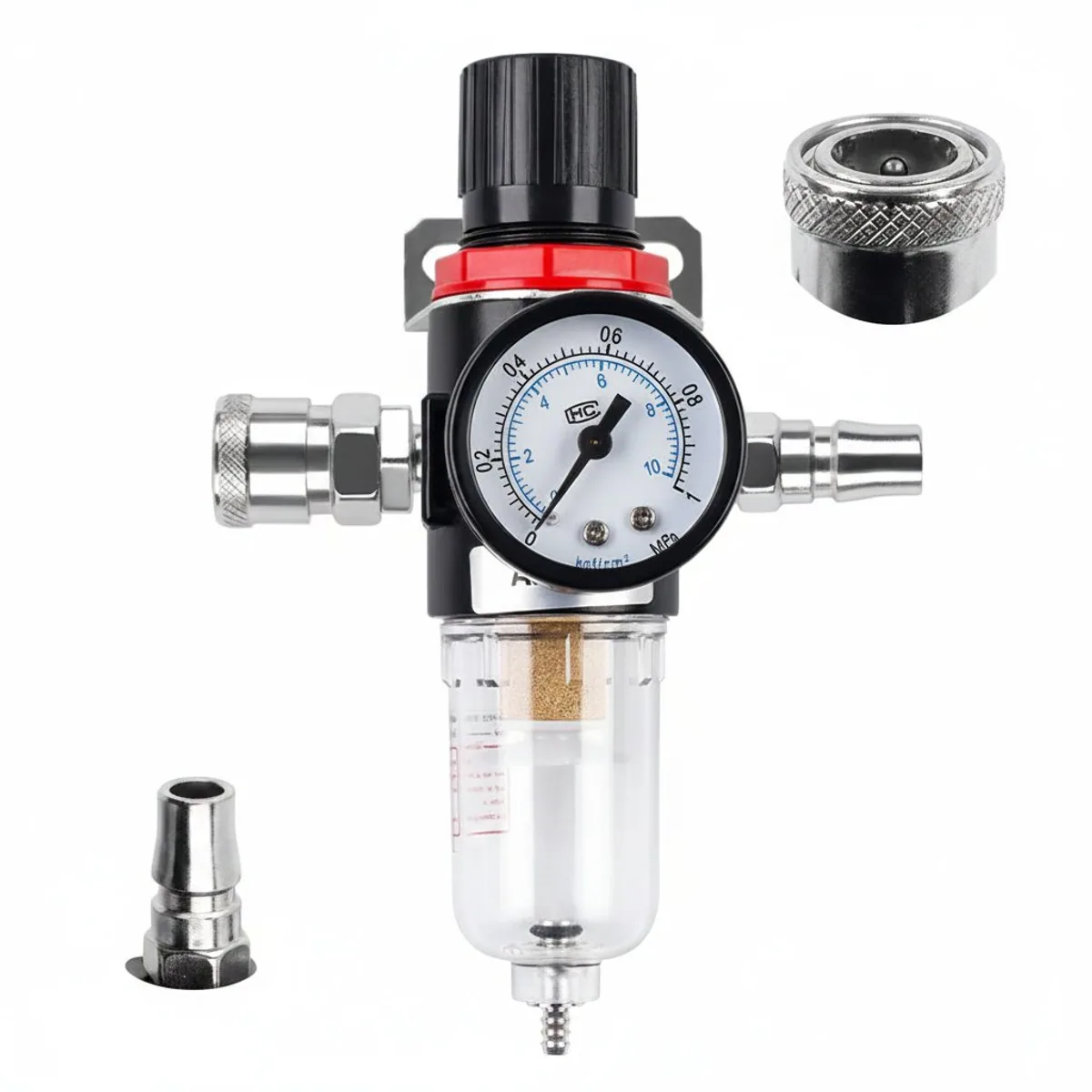
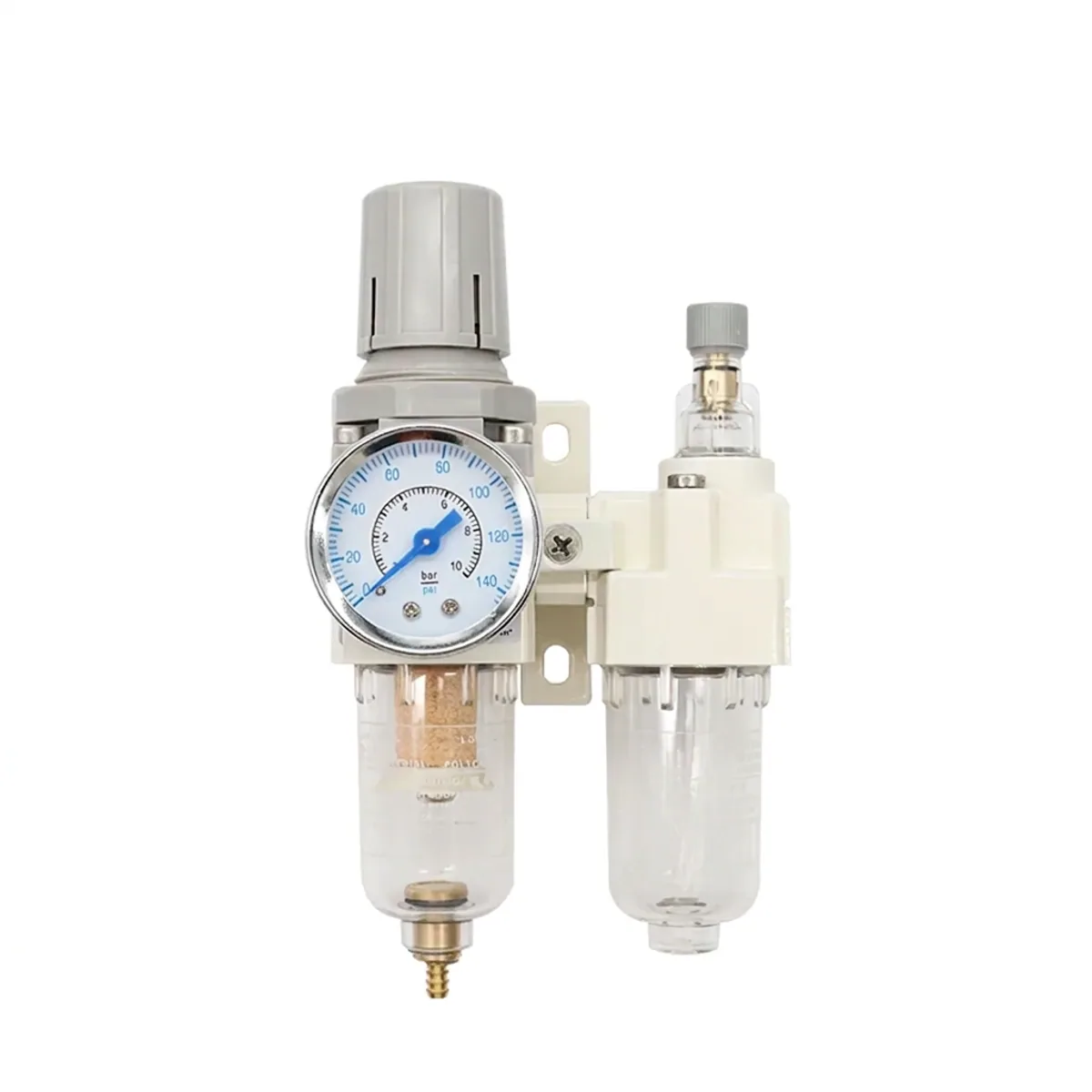
I rely on a compressor pressure regulator to stop high tank pressure from damaging nailers, spray guns, and air wrenches. Most workshop compressors build pressure to 1.0 MPa (10 bar, 145 psi), but few tools need that full force. By turning the control knob, I set the output anywhere within an adjustable pressure range of 0.05 - 0.85 MPa (0.5 - 8.5 bar, 7 - 123 psi) to match tool ratings.
Running tools at raw tank pressure wastes compressed air and wears out internal seals prematurely. For standard workshop cut-in settings, a unit like the Compressor Pressure Switch manages a pressure range of 90-120 PSI (0.62-0.83 MPa). Once air enters the distribution pipe, steady regulation prevents fluctuating spray patterns and inconsistent fastener depths. I check the pressure gauge regularly while running tools to make sure downstream pressure stays steady.
Picking the right port size for air flow
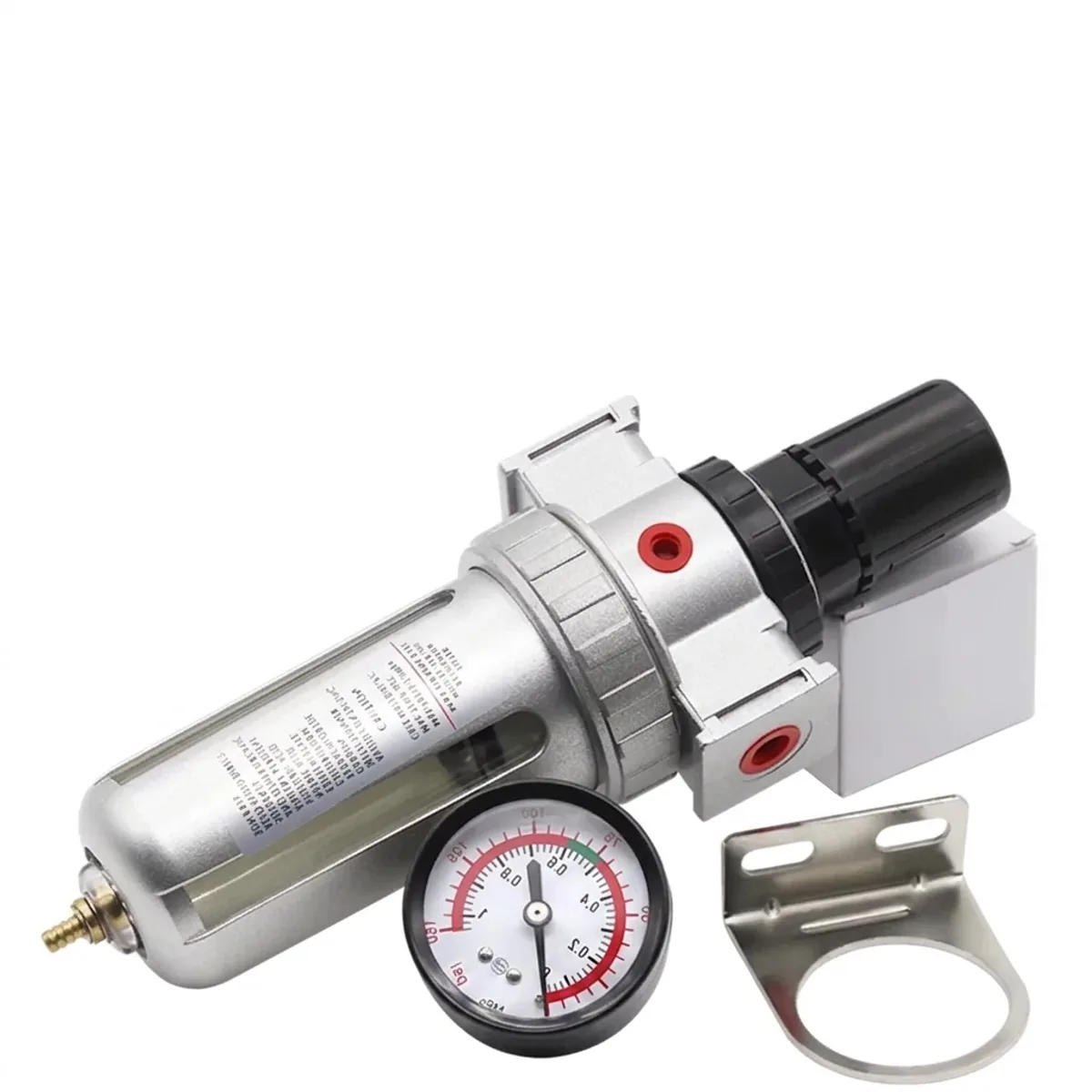
When choosing a pressure regulator for air compressor setups, pipe size and flow capacity matter as much as pressure. If the regulator body is too small, air flow drops sharply during heavy demand. I check thread types before ordering, as hardware uses G1/4, G 3/8", 1/4" NPT, 3/8" NPT, or 1/2" NPT connections. Matching threads prevents restrictive adaptors that choke airflow right at the outlet.
Flow ratings guide the installation point. A compact unit moves up to 2000 L/min (SFC-200), which works well for single bench tools. Larger workshop main lines require high delivery, reaching up to 7000 L/min (SFC-400). If air volume is undersized, tools starve under continuous use. I always verify that the maximum operating pressure of 1.0 MPa (10 bar, 145 psi) handles the receiver output.
| Model | Port Size | Maximum Flow Rate | Adjustable Pressure Range |
|---|---|---|---|
| SFC-200 | 1/4" NPT | 2000 L/min | 0.05 - 0.85 MPa (0.5 - 8.5 bar, 7 - 123 psi) |
| SFC-300 | 3/8" NPT | 4000 L/min | 0.05 - 0.85 MPa (0.5 - 8.5 bar, 7 - 123 psi) |
| SFC-400 | 1/2" NPT | 7000 L/min | 0.05 - 0.85 MPa (0.5 - 8.5 bar, 7 - 123 psi) |
Filtering water and oil out of the line
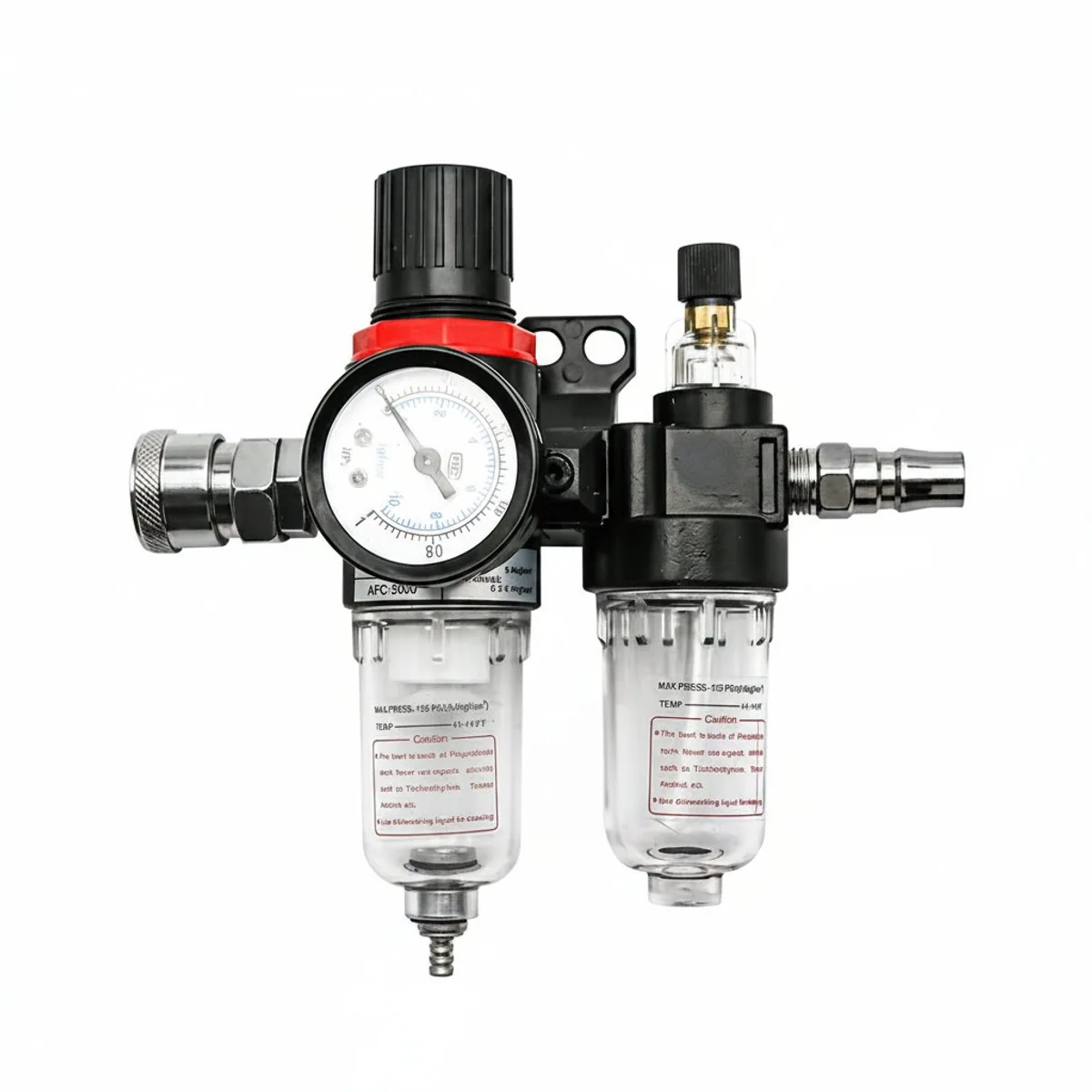
Dry, clean air protects tools from corrosion and contamination. Fitting an air compressor pressure reducer that includes a filter bowl removes airborne water, rust, and particulate matter before it hits delicate valves. Units featuring a filtration grade of 5 µm or a filtration precision of 5 - 40 µm capture fine debris. Sintered bronze or copper filter elements strip out foreign bodies without restricting the downstream air stream.
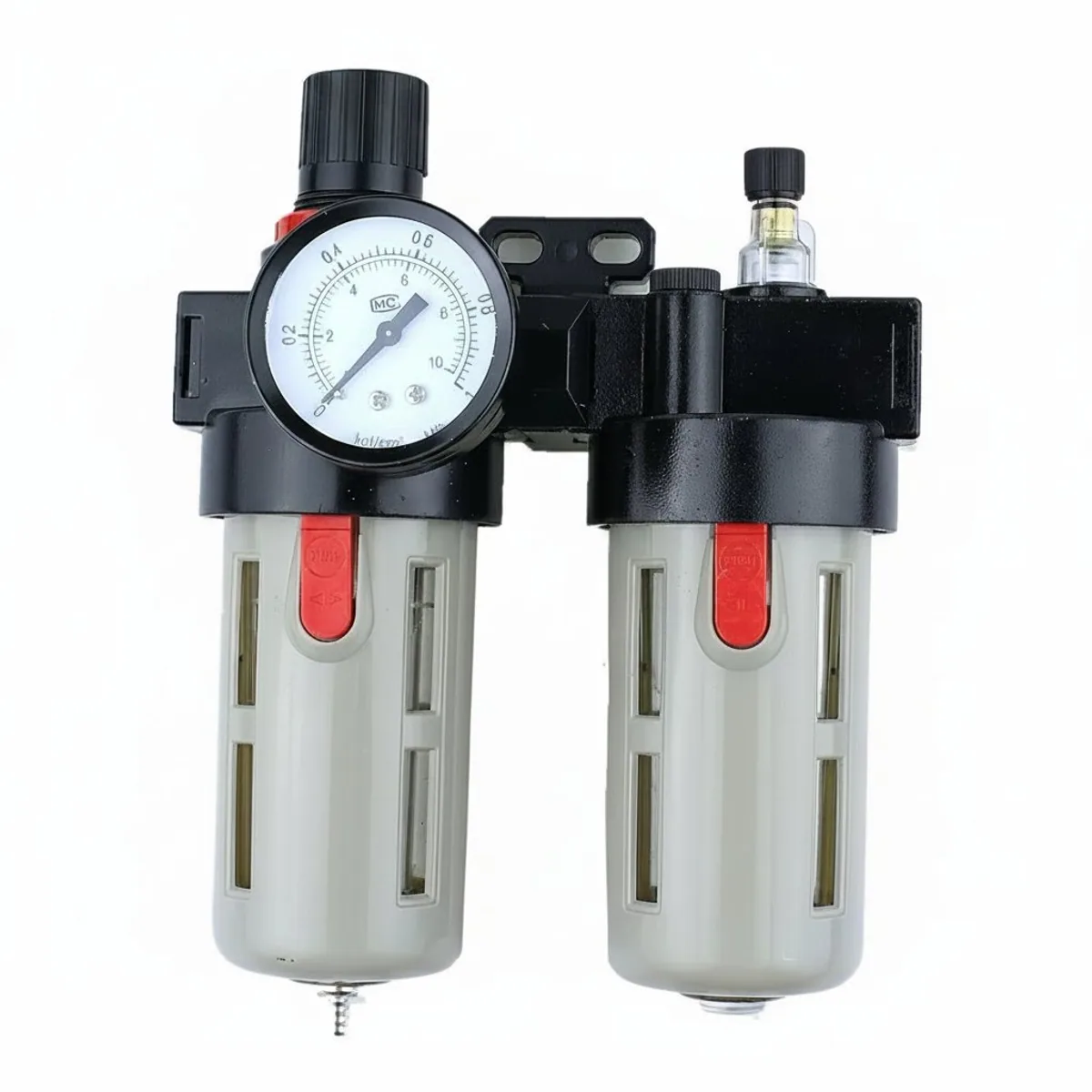
Condensation builds up quickly in workshop airlines, making water removal critical. Many combination setups use a centrifugal separation method inside a polycarbonate bowl to spin liquid out of the airflow. Draining that water is done through manual drainage or an automatic drain with an electronic timer. For lubricated air tools, I add a lubricator with 200 cm³ oil capacity to meter fine oil mist into the supply.
Fitting combination units into the pipework
I prefer mounting an air compressor pressure regulator as part of a modular filter-regulator-lubricator unit. The body material is typically aluminum alloy with a mounting bracket for direct wall fixing. These assemblies handle an operating temperature range of 5°C to 60°C, or -5 - 60 °C on specific models like the AC3010-03. Rigid mounting prevents strain on threaded joints when hoses get pulled around the shop floor.
Before pressurising the line, I ensure the flow arrows on the housing follow the air stream from the tank to the tool. Some units can take a maximum operating pressure of 1.6 MPa, but I always set the working output according to tool requirements. Periodic cleaning of the filter element and checking bowl seals prevents pressure drops. Once locked in position, the regulator maintains steady tool operation day in and day out.