
Air Regulators & Filters
Air Compressor Filter | Automatic Drainage System | Oil-Water Separator for Clean Air Tools
TBS-02544HYDR-00185
£39.99
157 products available
A compressed air system provides reliable motive power and process air to manufacturing lines, spray bays, and production workshops. Maintaining steady line pressure and dry air requires the right compressed air equipment between your receiver tank and tool couplings. Compel supplies trade-grade compressed air supplies to plant operators, contractors, and maintenance teams worldwide.
Our inventory covers air regulators and filters, pressure switches, and replacement compressor hardware. Choose from standard modular filter-regulator-lubricator (FRL) assemblies, multi-port manifold switches, and brass safety check valves built for continuous duty cycles. We ship standard BSP and NPT threaded components directly from industrial stock, keeping your workshop compressed air lines online with zero downtime.
157 products in Compressed Air
Air Regulators & Filters
Air Regulators & Filters
Air Regulators & Filters
Pressure Switches
Air Regulators & Filters
Air Regulators & Filters
Air Regulators & Filters
Air Regulators & Filters
Air Regulators & Filters
Air Regulators & Filters
Air Regulators & Filters
Air Regulators & Filters
Air Regulators & Filters
Air Compressor Parts

Air Regulators & Filters

Air Regulators & Filters
Air Regulators & Filters

Air Regulators & Filters

Air Regulators & Filters
Air Regulators & Filters

Air Regulators & Filters
Air Regulators & Filters

Air Regulators & Filters

Air Regulators & Filters
Air Regulators & Filters
Air Regulators & Filters

Air Regulators & Filters

Air Regulators & Filters
Showing page 4 of 6 (157 products)
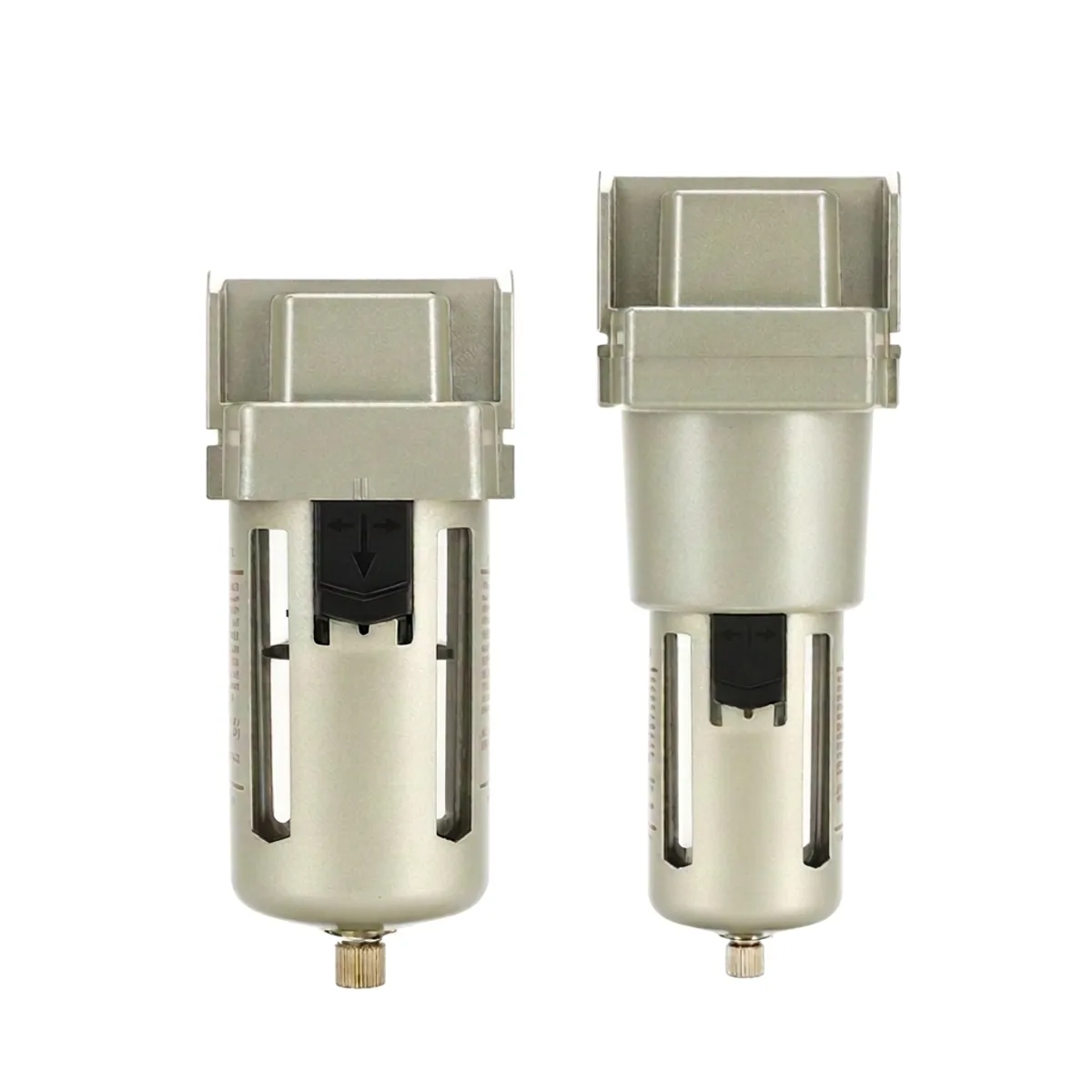
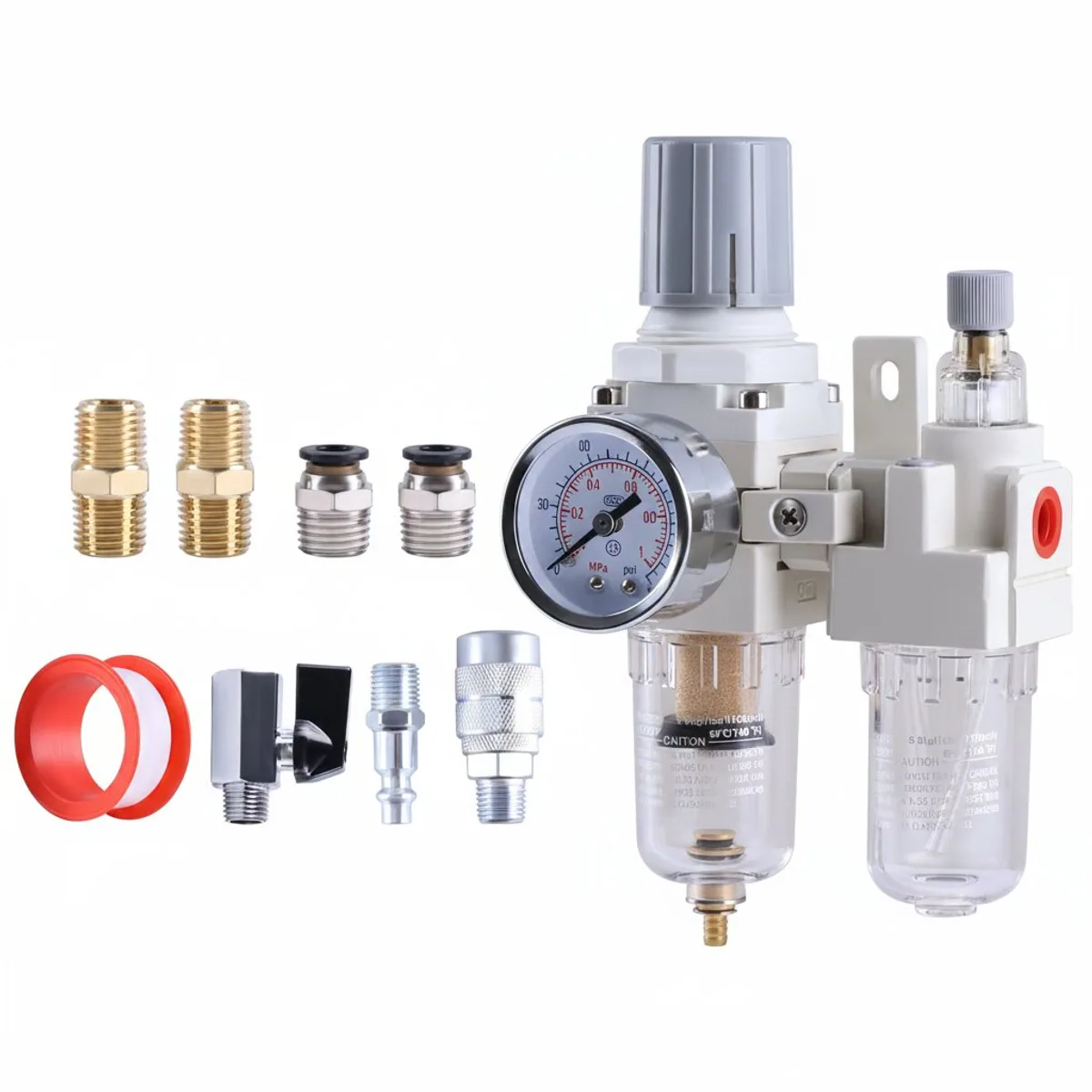
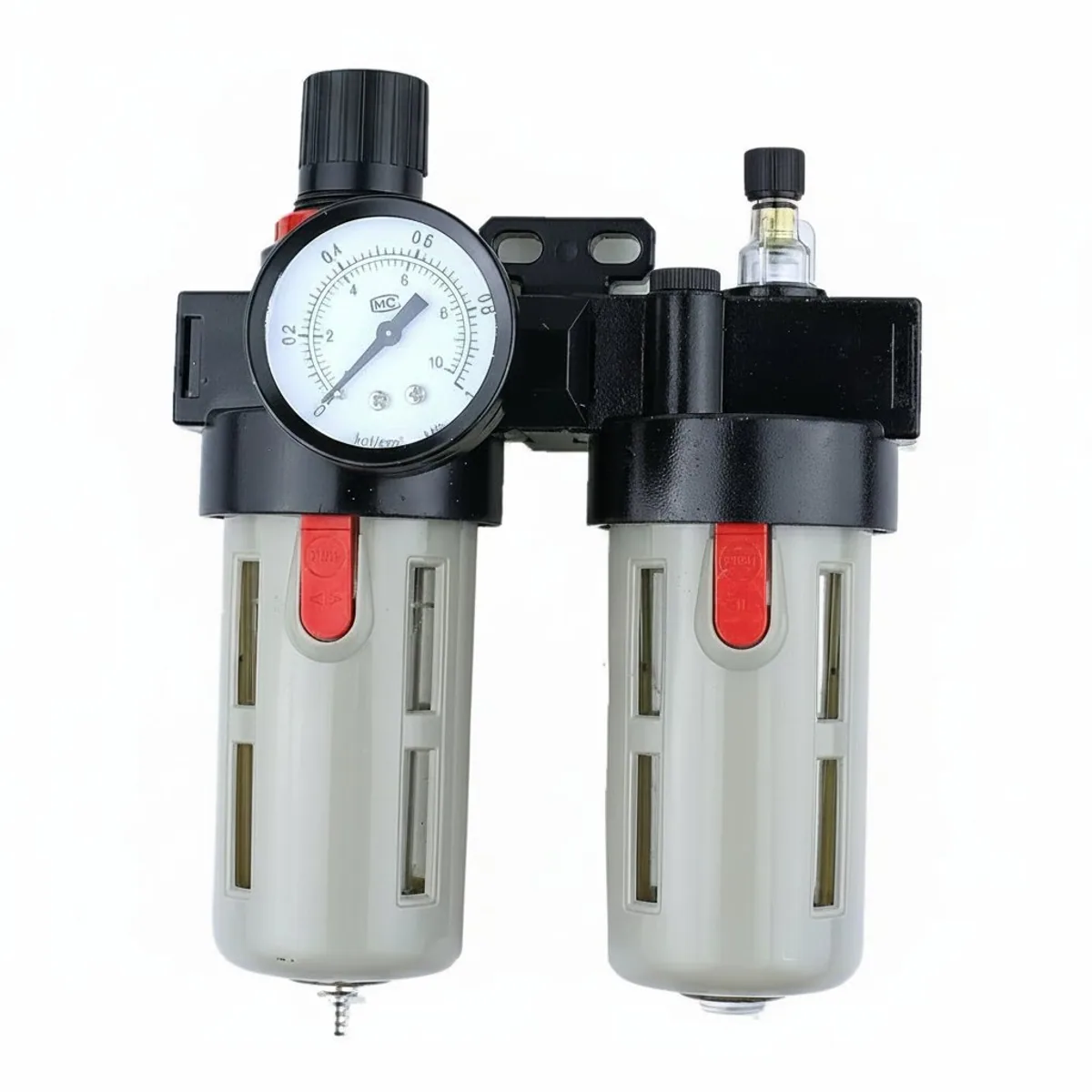
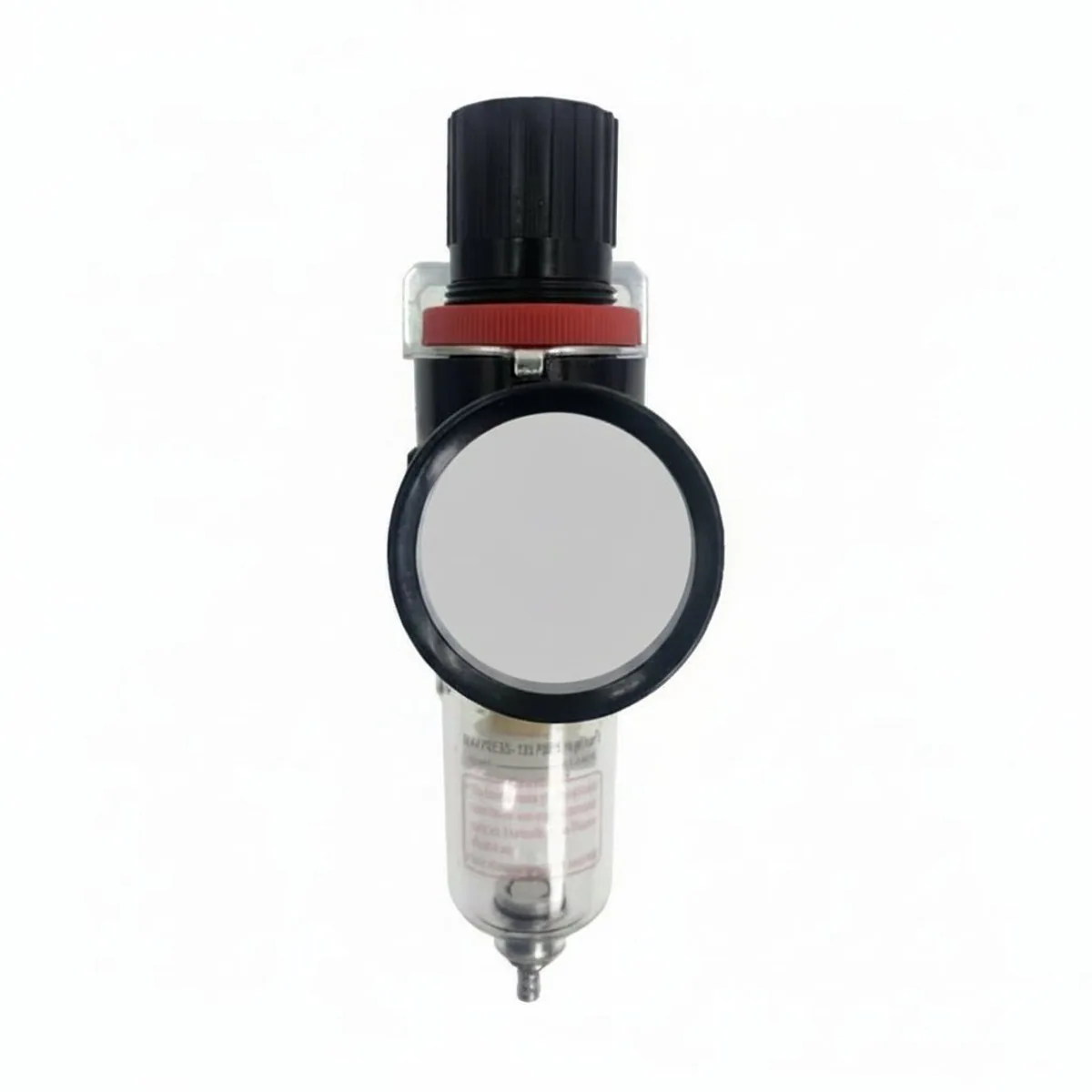
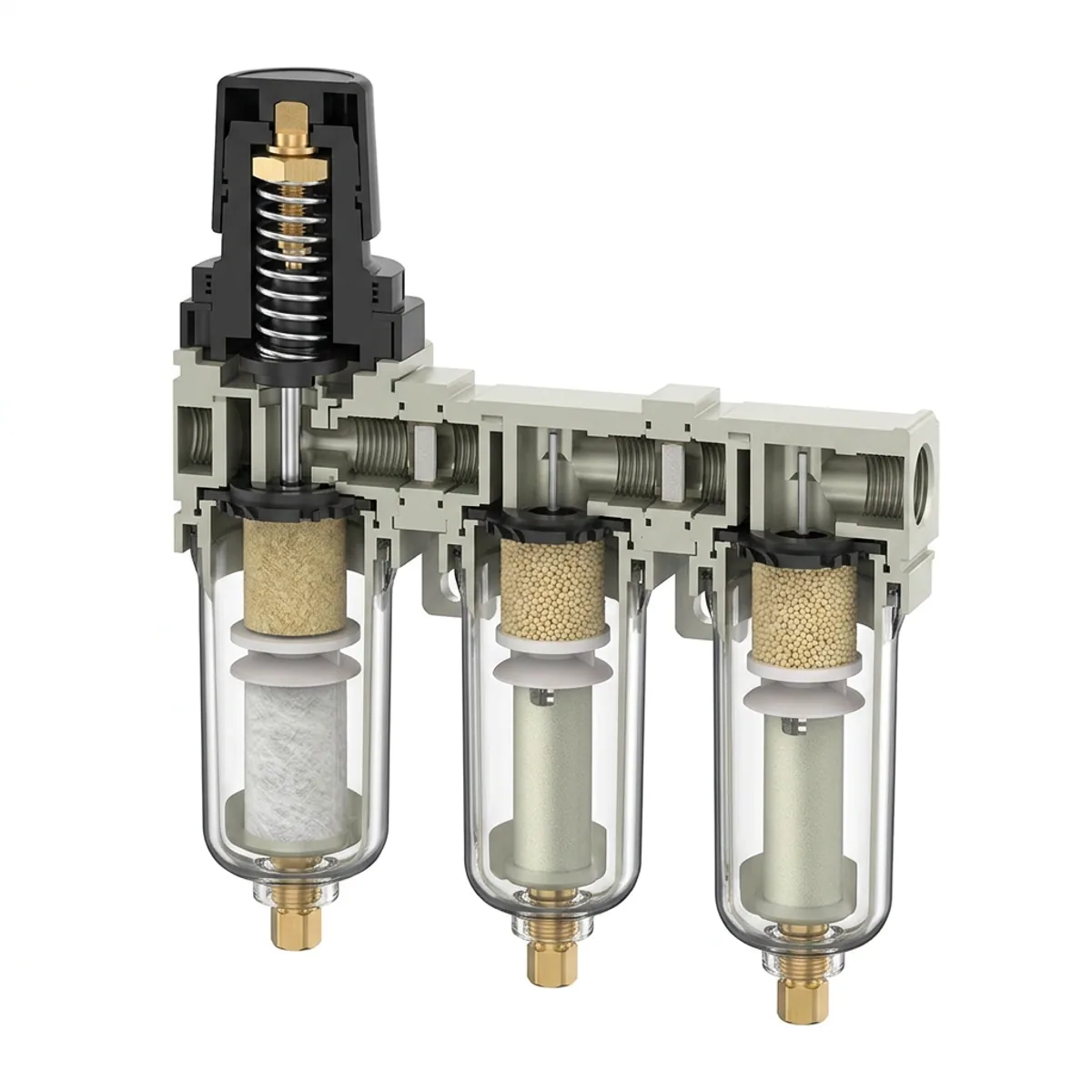
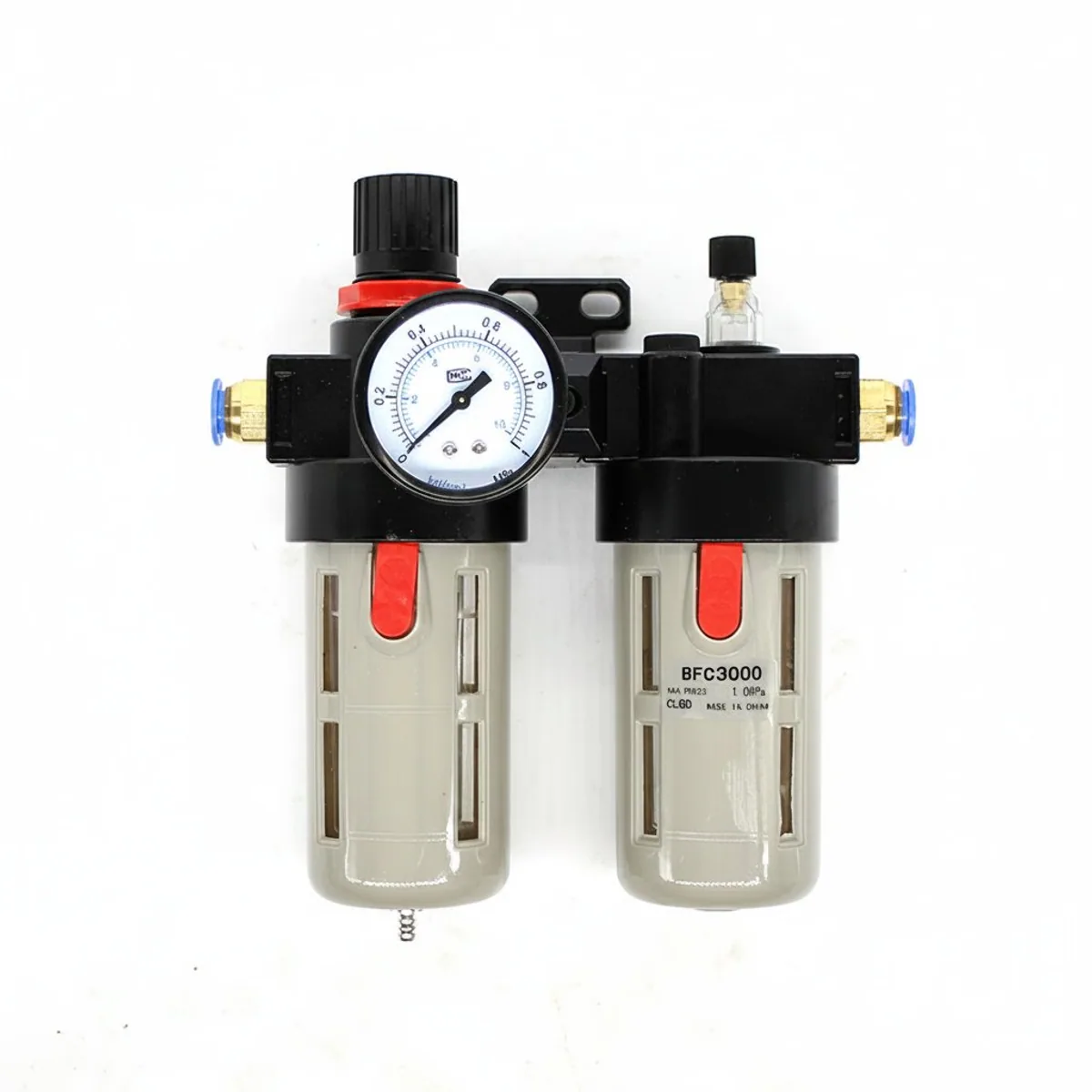
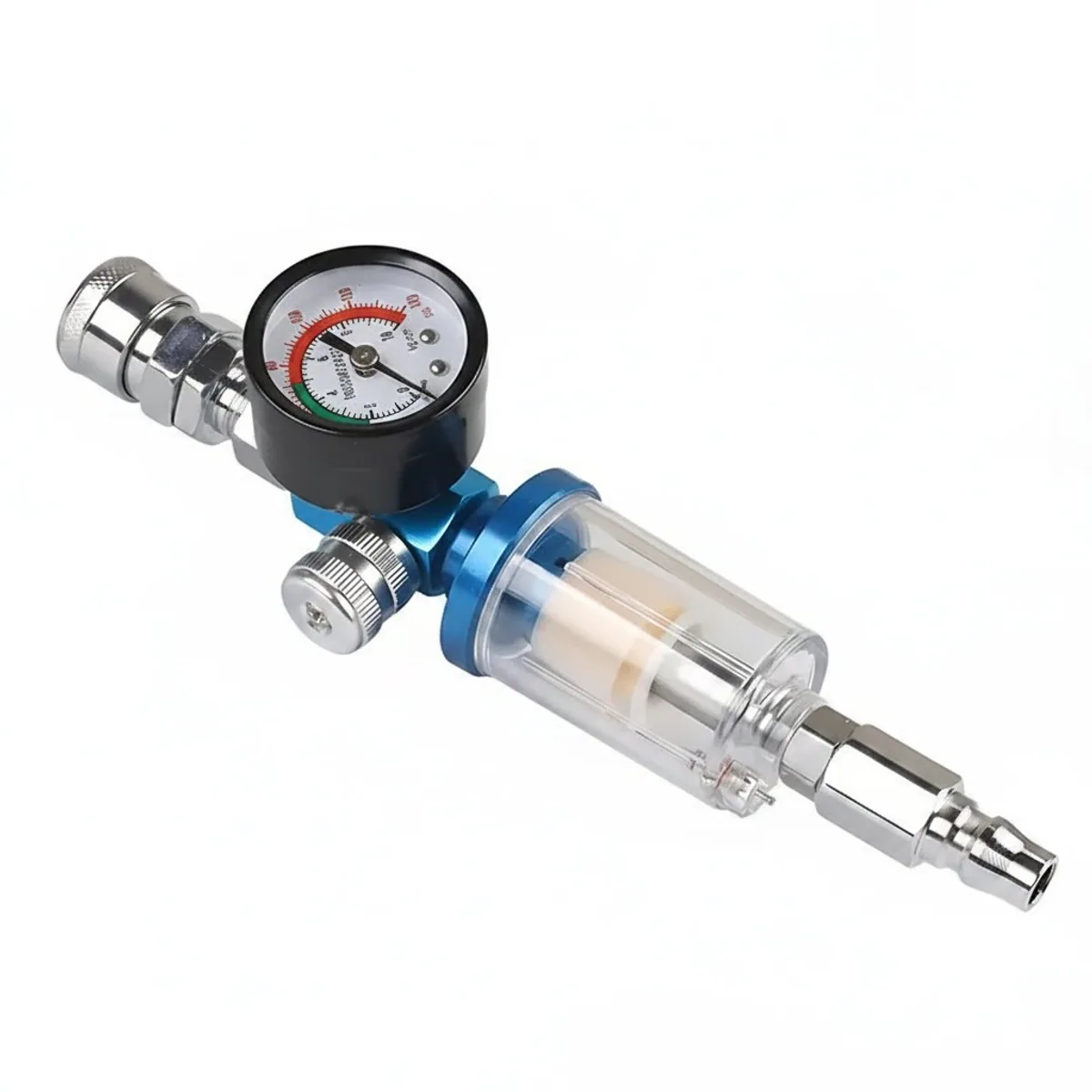
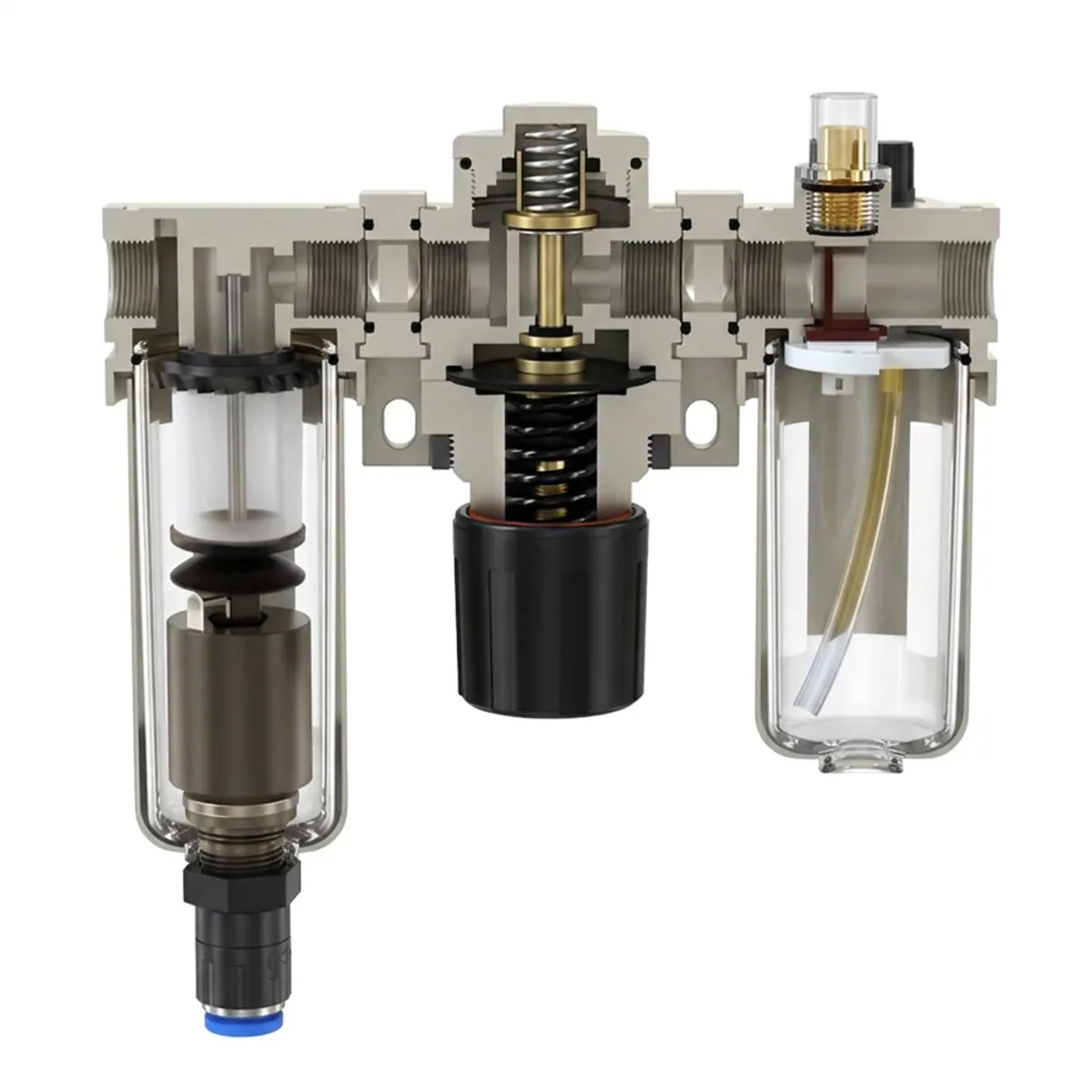
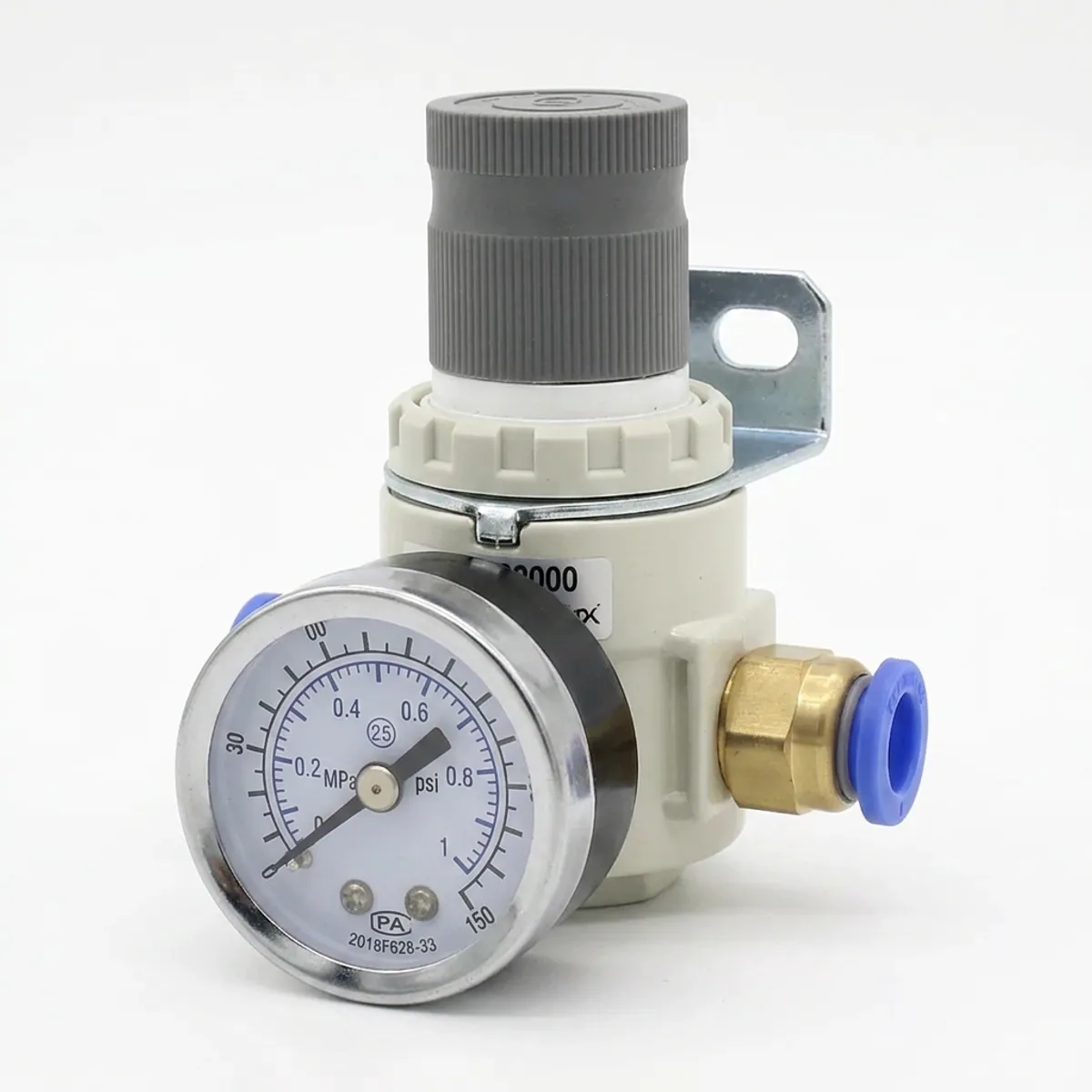
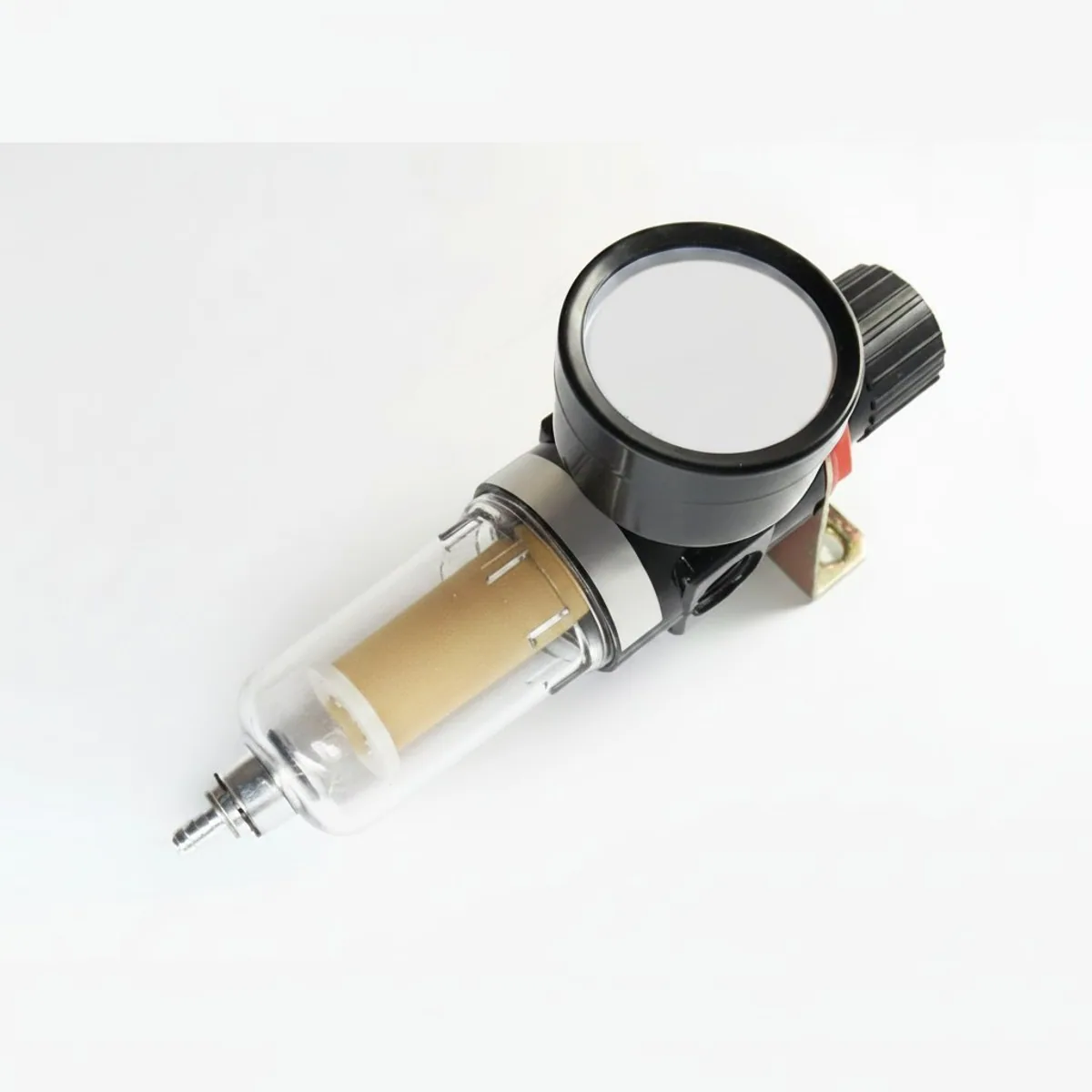
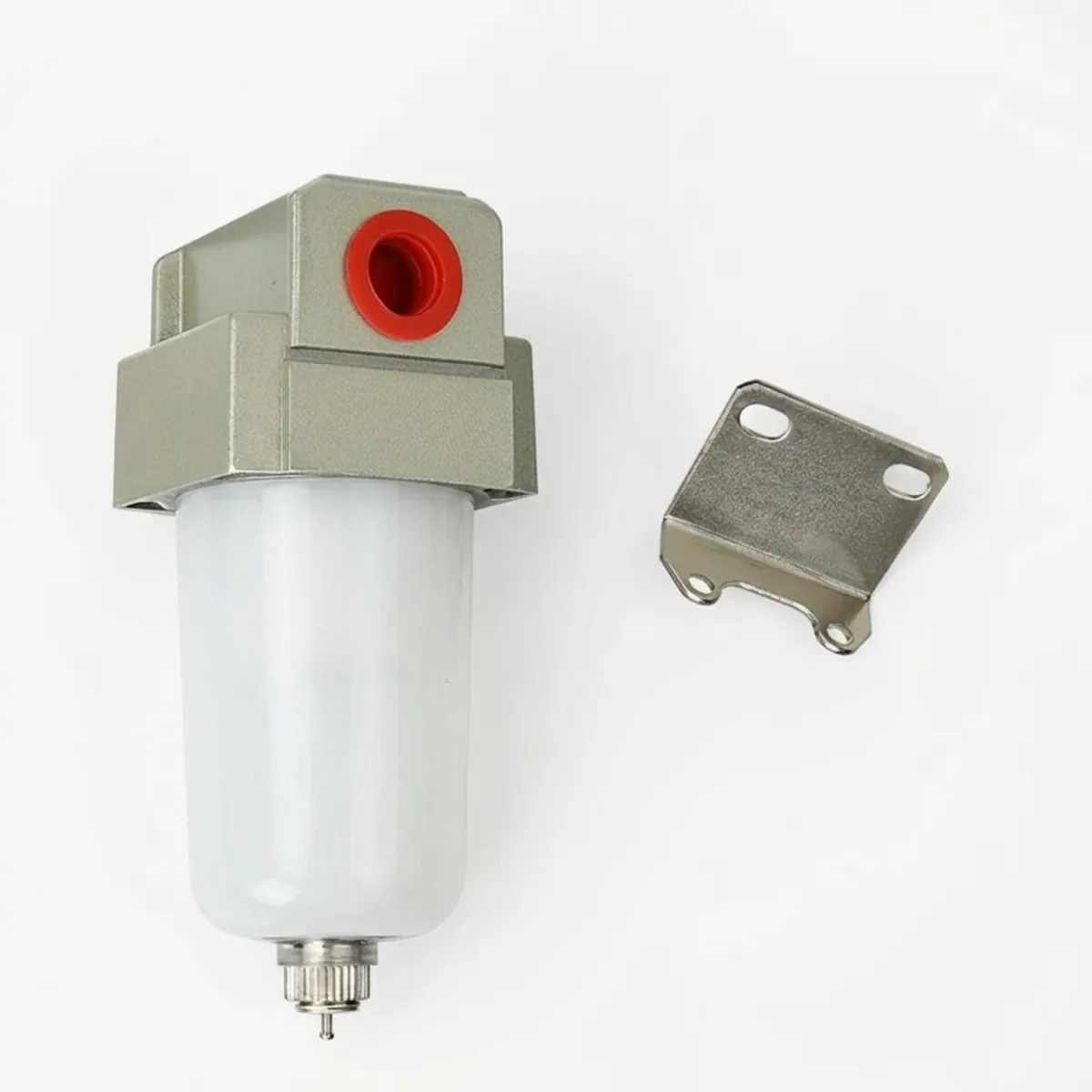
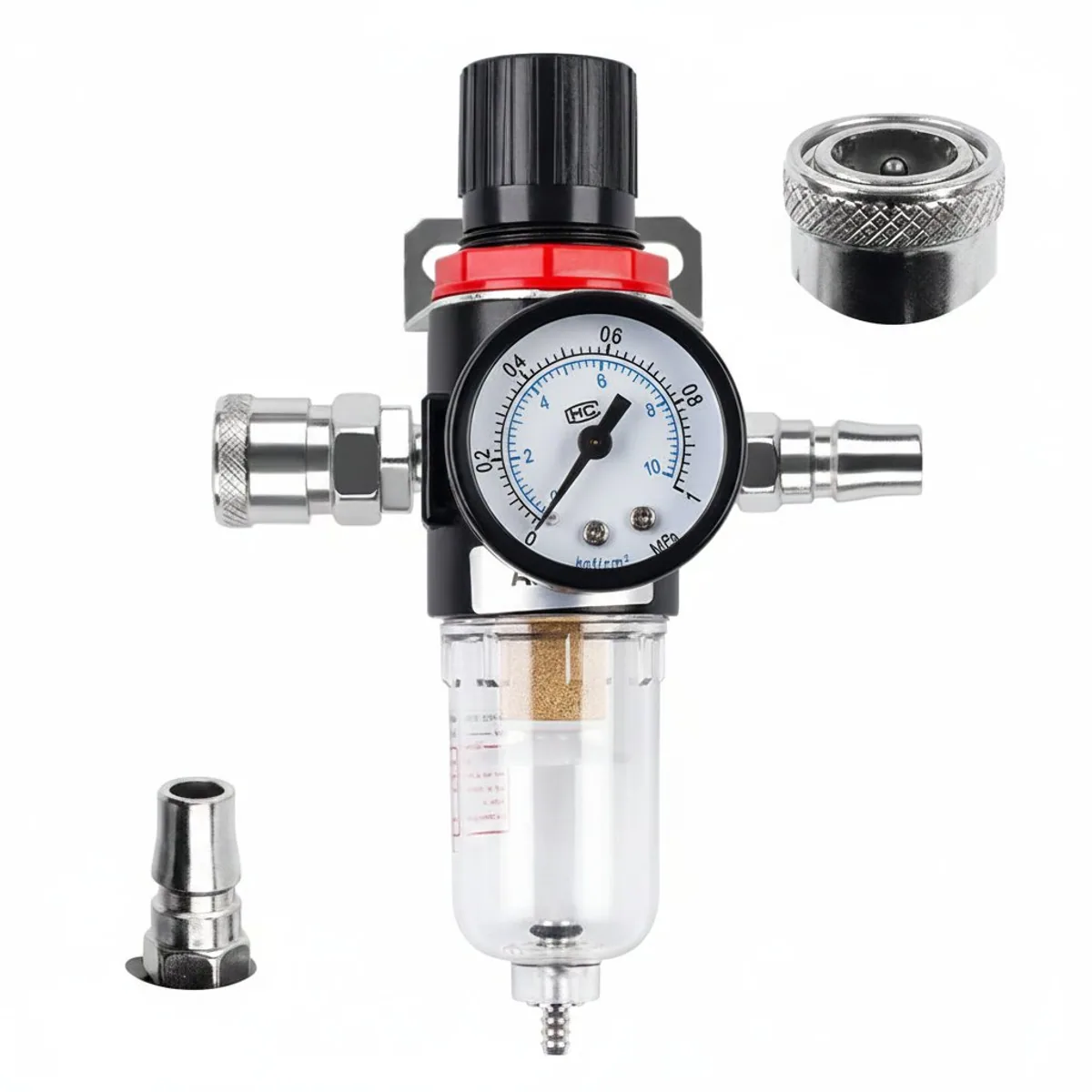
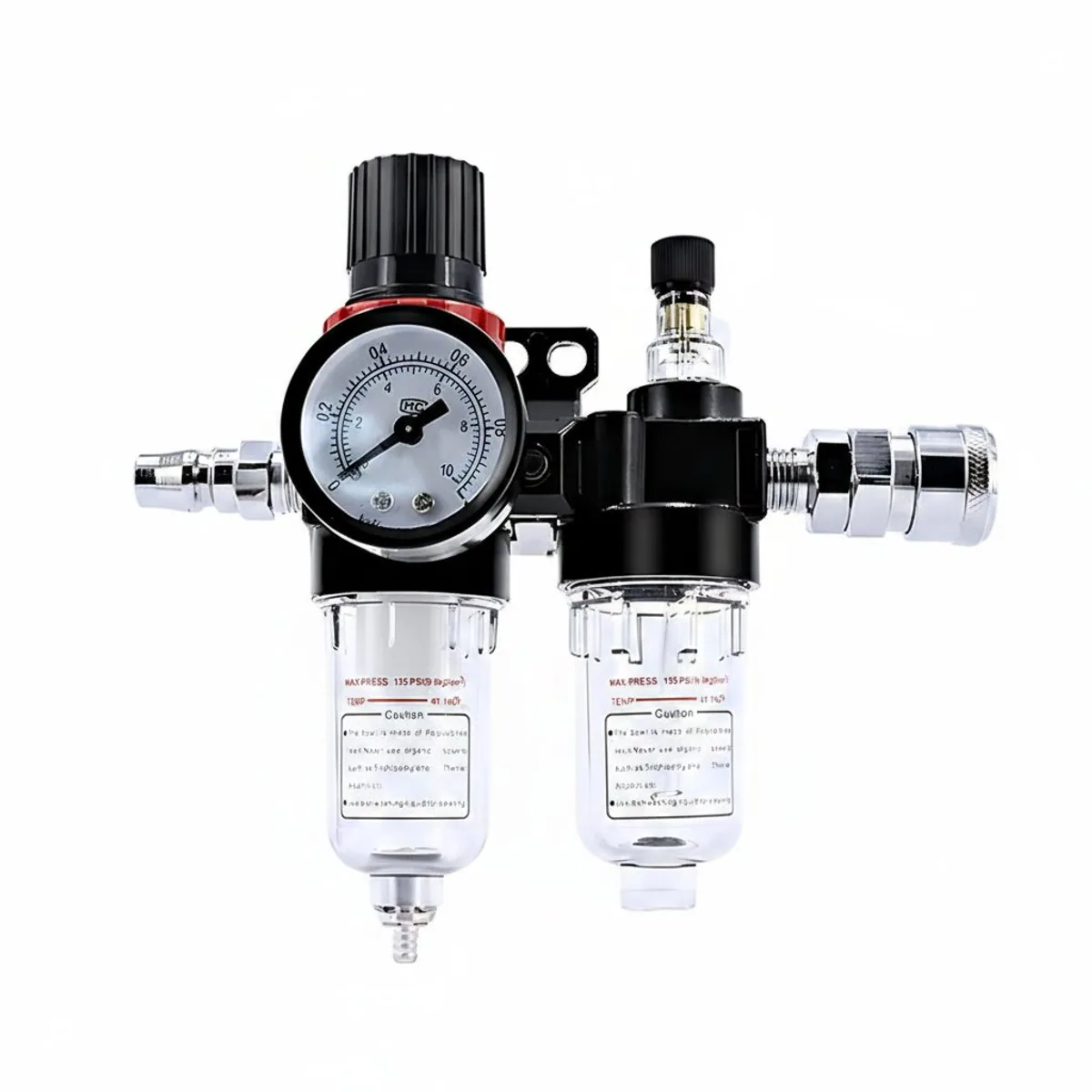
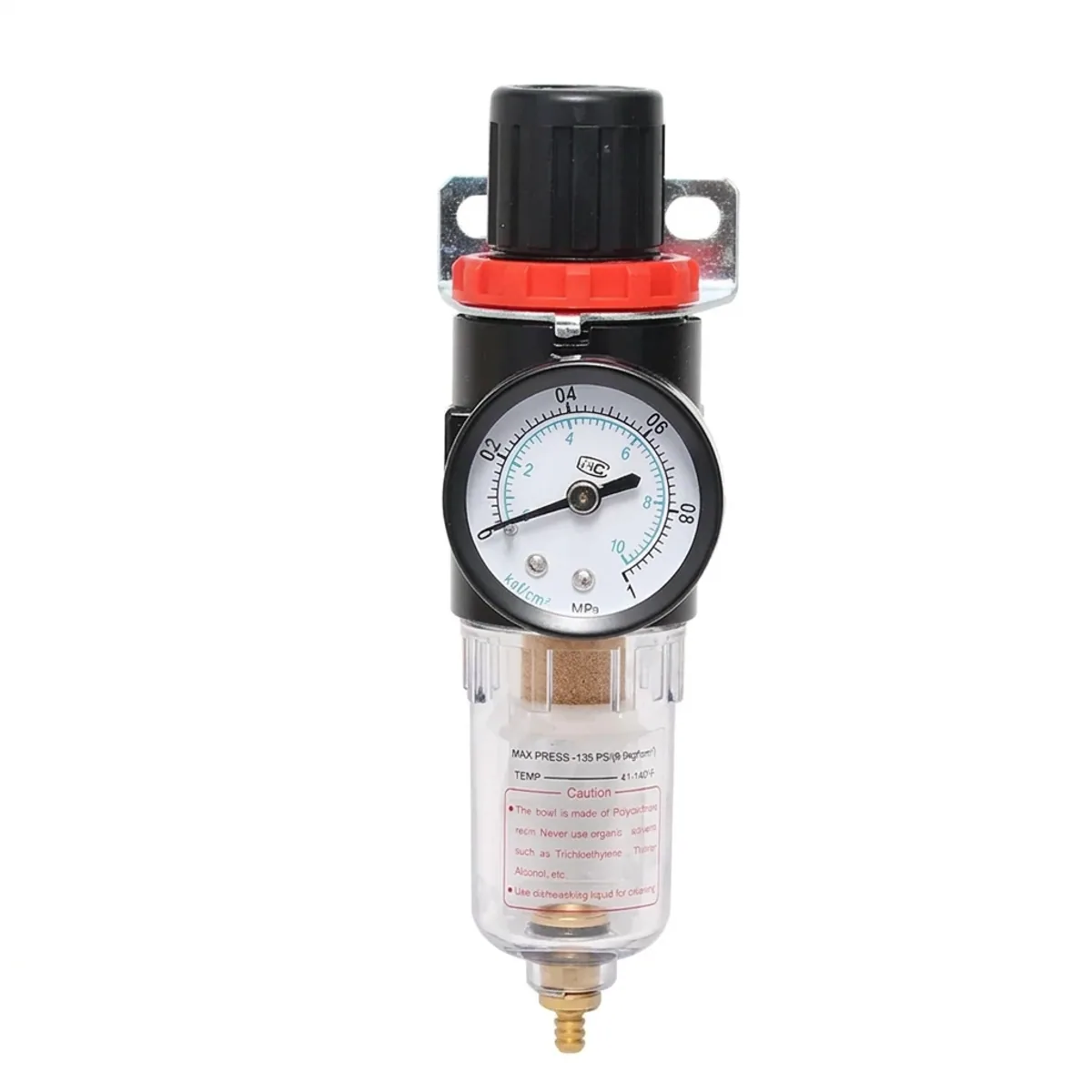
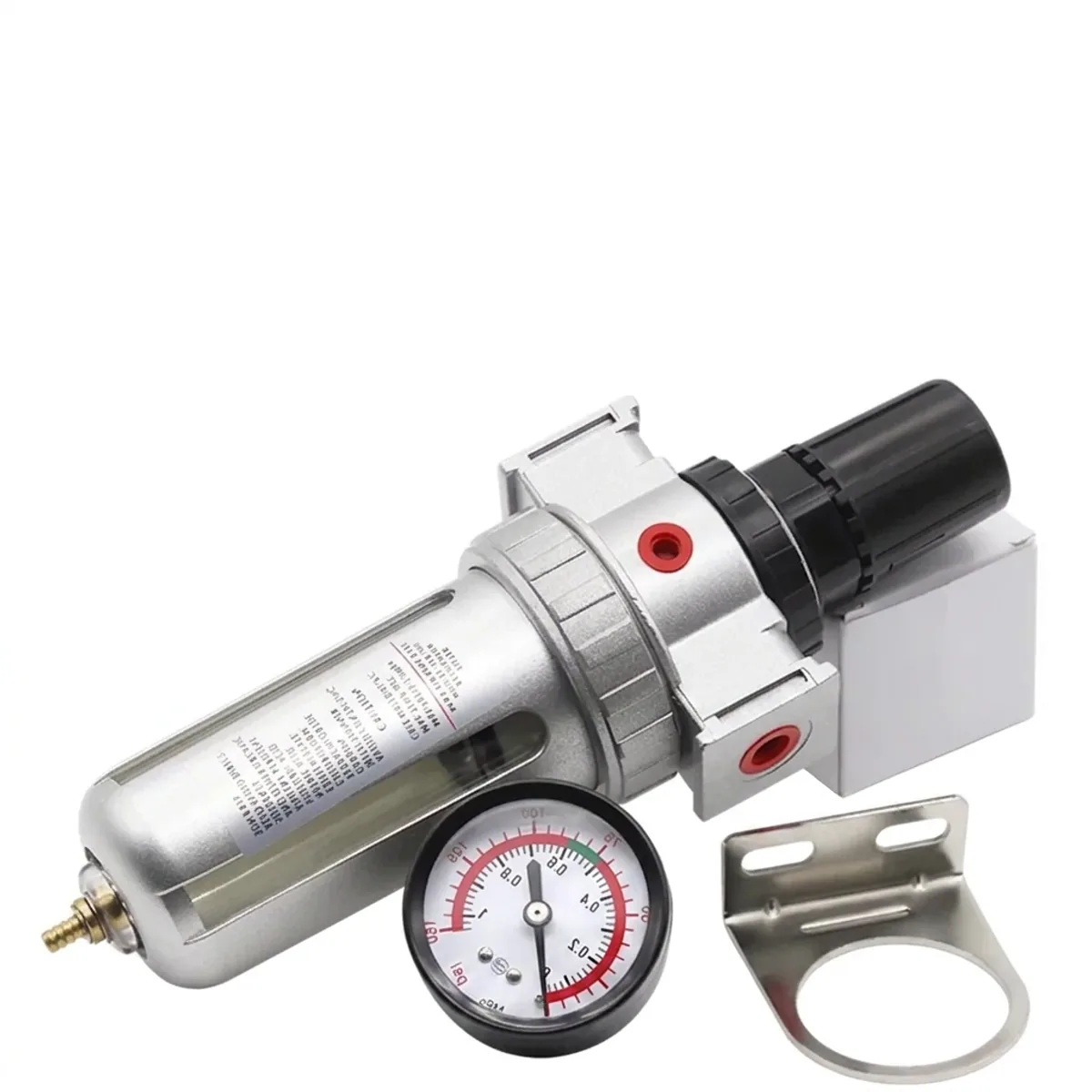
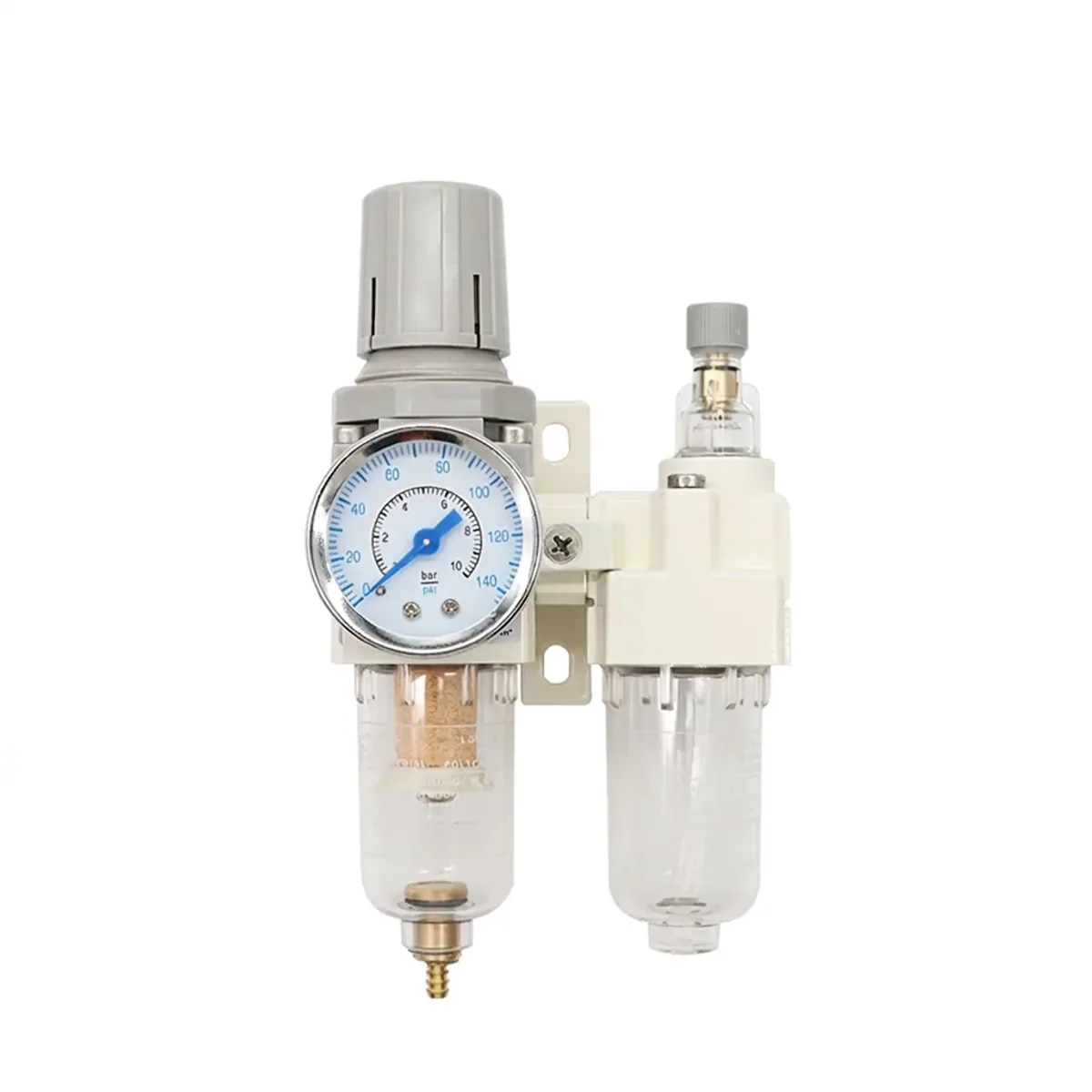
Downstream pneumatic tools require clean, pressure-controlled air to prevent internal seal wear and finish defects. Point-of-use units like the AFR2000 regulate working pressures between 0.05 and 0.85 MPa while stripping line moisture. For multi-stage conditioning, paired AFC2000 units integrate an air filter, pressure regulator, and lubricator into one rail.
Match the air preparation component to your specific application rather than using a single line setup for the entire shop.
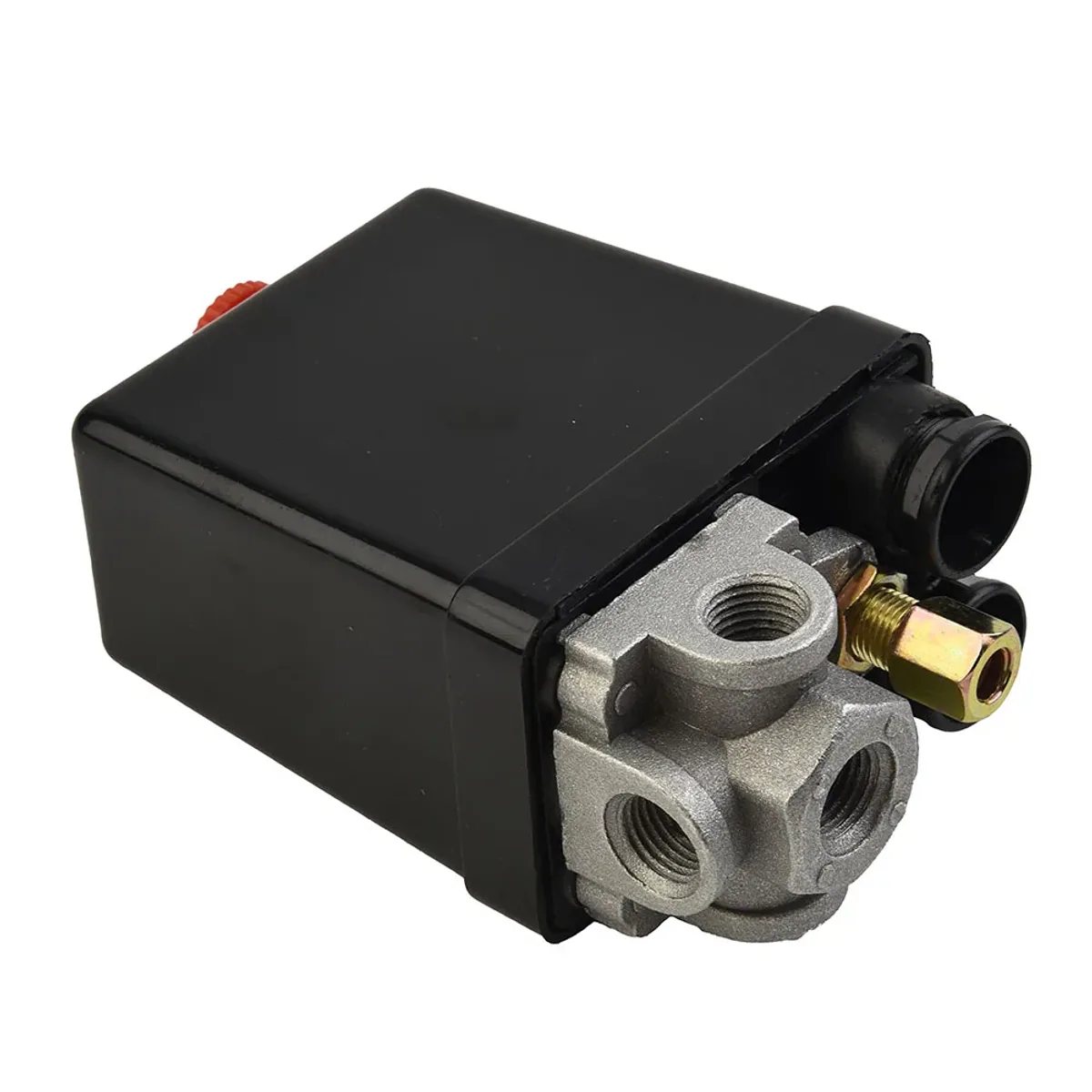
The pressure switch automates compressor cycling to maintain safe tank pressure bands. Standard workshop switches operate across a 90 to 120 PSI (6.2 to 8.3 bar) pressure range. They trigger motor start when pressure drops to the lower threshold and cut power when the tank reaches peak pressure.
Multi-port manifold assemblies simplify compressor head plumbing. A 4-way 1/4-inch NPT manifold allows direct mounting of tank pressure gauges, an unloader valve, a safety relief valve, and delivery outlets on one compact cast block. Verify the maximum pressure ceiling matches your pump; industrial manifold switches regularly handle up to 175 PSI (12 bar).
Reliable compressor maintenance depends on properly rated physical valves. A 3-port brass check valve prevents pressurized tank air from bleeding back into the compressor pump head once the motor stops. Standard configurations feature 20 x 16 x 10 mm male threads with an integrated port for the unloader exhaust line.
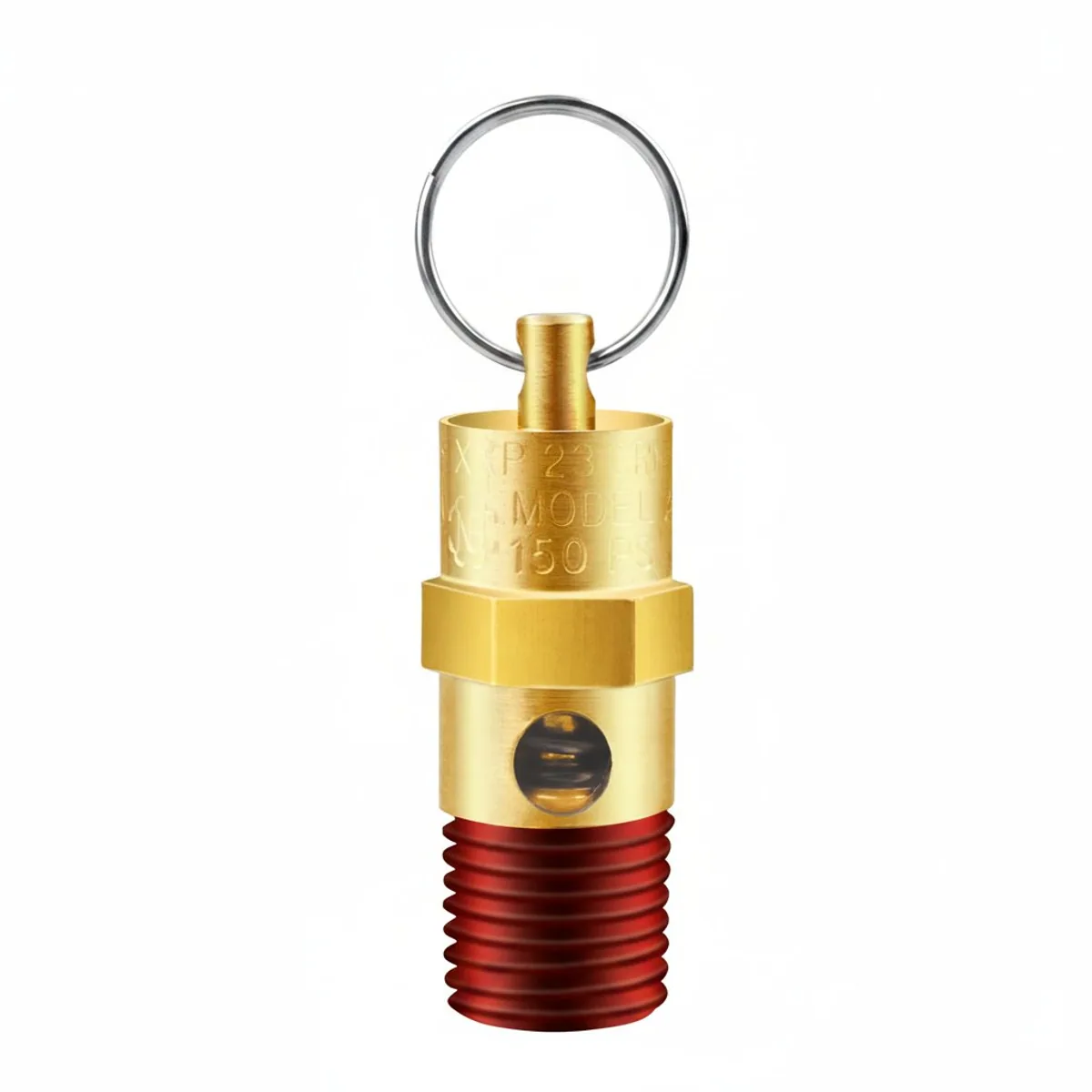
Never run an air tank without a calibrated relief valve. Our 1/4-inch NPT male brass safety valves discharge tank overpressure between 125 and 200 PSI (8.6 to 13.8 bar). Zinc alloy and brass replacement parts ensure corrosion resistance on both lubricated and mute oil-free compressor tanks.
Buying guide
We use cookies. Some keep the store working, others show us what to fix. No third-party trackers, and we never sell your data. Learn more about cookies and your privacy