
 Out of stock
Safety Equipment
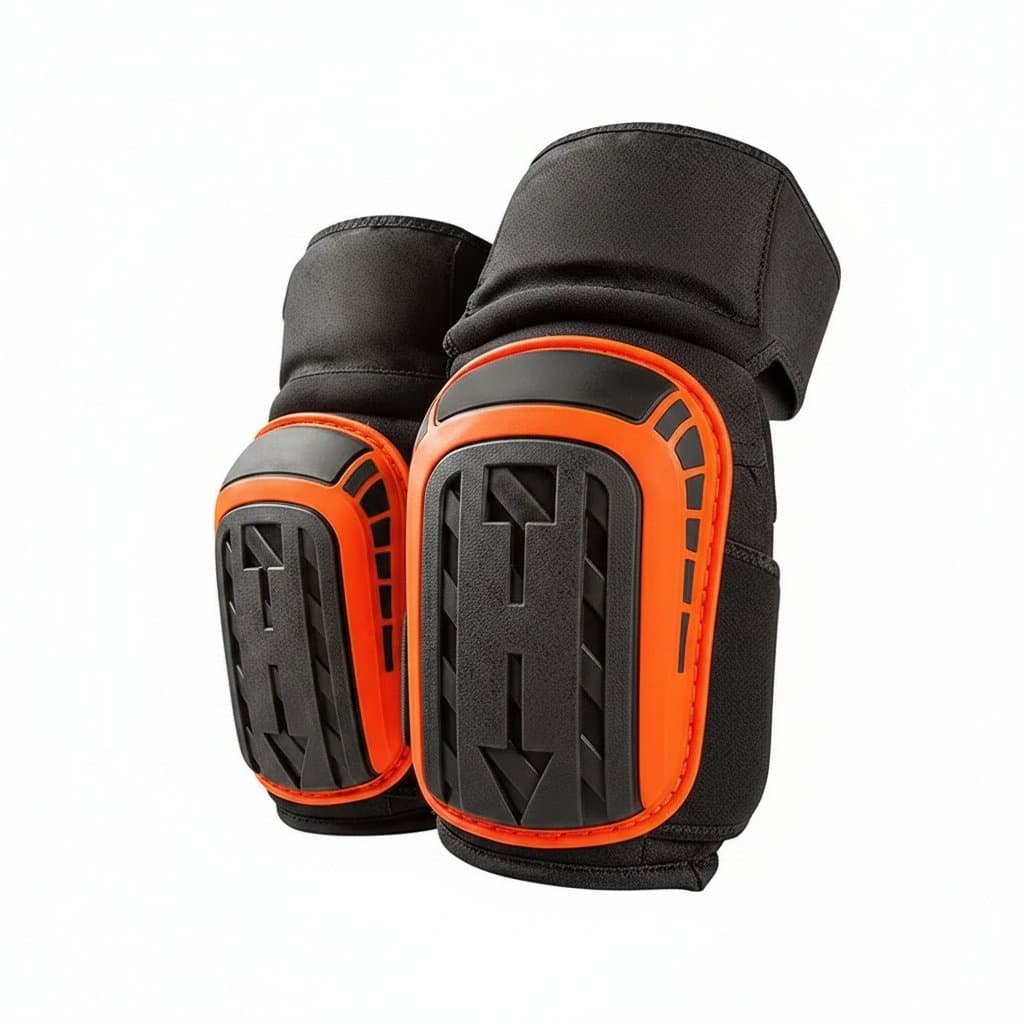
Knee Pads with Gel Cushion | Heavy-Duty EVA Foam | Adjustable Straps for Work & Gardening
TBS-00224SAFE-00001
£60.99
62 products available
Looking for certified safety equipment to protect your workforce and maintain regulatory compliance? Compel supplies industrial-grade personal protective equipment (PPE) designed for demanding trade, construction, and manufacturing environments. Our inventory covers head-to-toe protection, including high-visibility EN 388 work gloves, ANSI Z87.1 eye protection, puncture-resistant safety footwear, and specialized laser safety glasses. We focus exclusively on professional-grade gear that meets strict international testing standards.
Procurement professionals choose Compel because we streamline bulk supply and deliver reliable protection that reduces workplace injuries. Whether you need to outfit a commercial construction crew with reflective helmets and gel knee pads, or supply a laboratory with anti-fog face shields, we provide the technical specifications and certifications your safety officers require.
62 products in Safety Equipment
Out of stockSafety Equipment
 Out of stock
Safety Equipment
 Out of stock
Safety Equipment
 Out of stock
Safety Equipment
 Out of stock
Safety Equipment
 Out of stock
Safety Equipment
Showing page 3 of 3 (62 products)
Choosing the right work glove requires balancing dexterity with the specific hazards of your job site. For handling sharp materials like glass, sheet metal, or machinery parts, select gloves made from High-Performance Polyethylene (HPPE) with an EN 388 Level 5 cut-resistance rating. If your primary concern is grip and abrasion resistance in assembly or maintenance, polyurethane (PU) coated nylon or polyester gloves provide excellent tactile sensitivity.
Consider the glove closure style and material weight. Lightweight gloves around 45 grams per glove offer high flexibility for precision assembly work. Black PU-coated gloves with cotton liners and hook-and-loop straps help keep dirt out while maintaining comfort during long shifts.
Standard safety glasses must meet ANSI Z87.1 or equivalent standards for impact protection, featuring scratch-resistant and anti-fog polycarbonate lenses. For full-face coverage against splashes, droplets, or flying debris, choose a polycarbonate face shield with an adjustable ratchet headband to ensure a secure fit. Specialized environments require wavelength-specific protection.
In medical, aesthetic, or industrial settings where laser equipment is operated, standard impact glasses are insufficient. You must match the optical density and wavelength protection of the eyewear to the specific laser emissions.
Industrial work shoes must protect against heavy falling objects and sharp underfoot hazards. Ensure your work shoes feature either a steel or composite anti-piercing midsole to stop punctures from nails or metal shards. For electrical hazards, verify the EH rating of the shoe to ensure proper insulation.
The choice of upper and closure mechanism also impacts daily utility. Leather uppers offer durability and water resistance, while synthetic options lower overall weight. Rotary button closures allow workers to quickly adjust fit without loose laces catching on machinery.
Buying guide
We use cookies. Some keep the store working, others show us what to fix. No third-party trackers, and we never sell your data. Learn more about cookies and your privacy