V-Belts
Twist V Belt | Adjustable Polyurethane Links | Low Noise Operation
CMP-04575VBEL-00001
£75.99
3 products available
V-belts are a fundamental component for power transmission, used to mechanically link and transfer power between rotating shafts in machinery. They are defined by their trapezoidal, or 'V', shape which wedges into a pulley's groove to increase friction and improve torque transfer. Our selection is for trade professionals and industrial maintenance, repair, and operations (MRO) teams.
Compel provides a focused range of industrial v-belts, including standard rubber belts, serrated motor drive belts, and adjustable polyurethane link belts. As specialist v-belt suppliers, we provide precise specifications for materials and available v-belt sizes, allowing you to match components correctly and procure replacements with confidence.
3 products in V-Belts
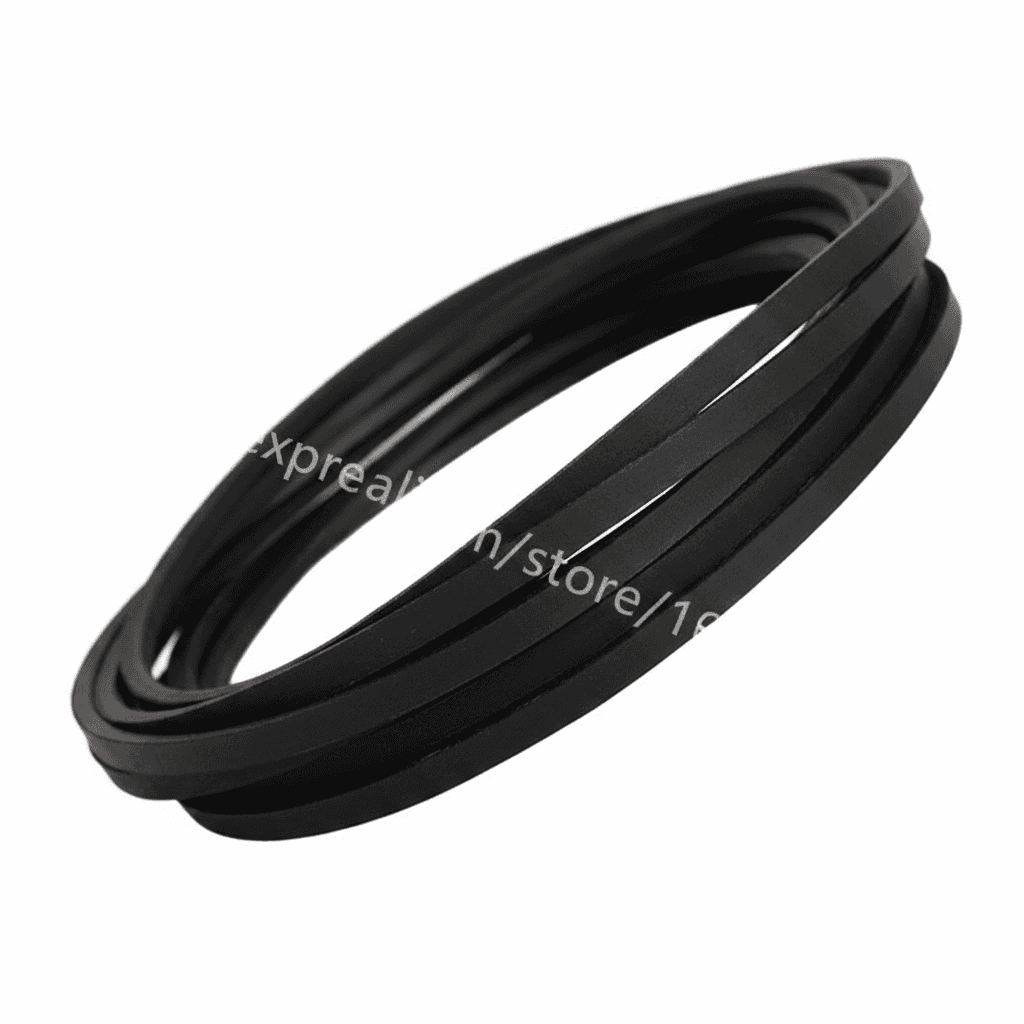
The first step is to identify the correct belt construction for your application. Our catalog includes several distinct v-belt types. Standard endless rubber belts, such as Type A, are common for general-purpose power transmission in a wide range of machinery.
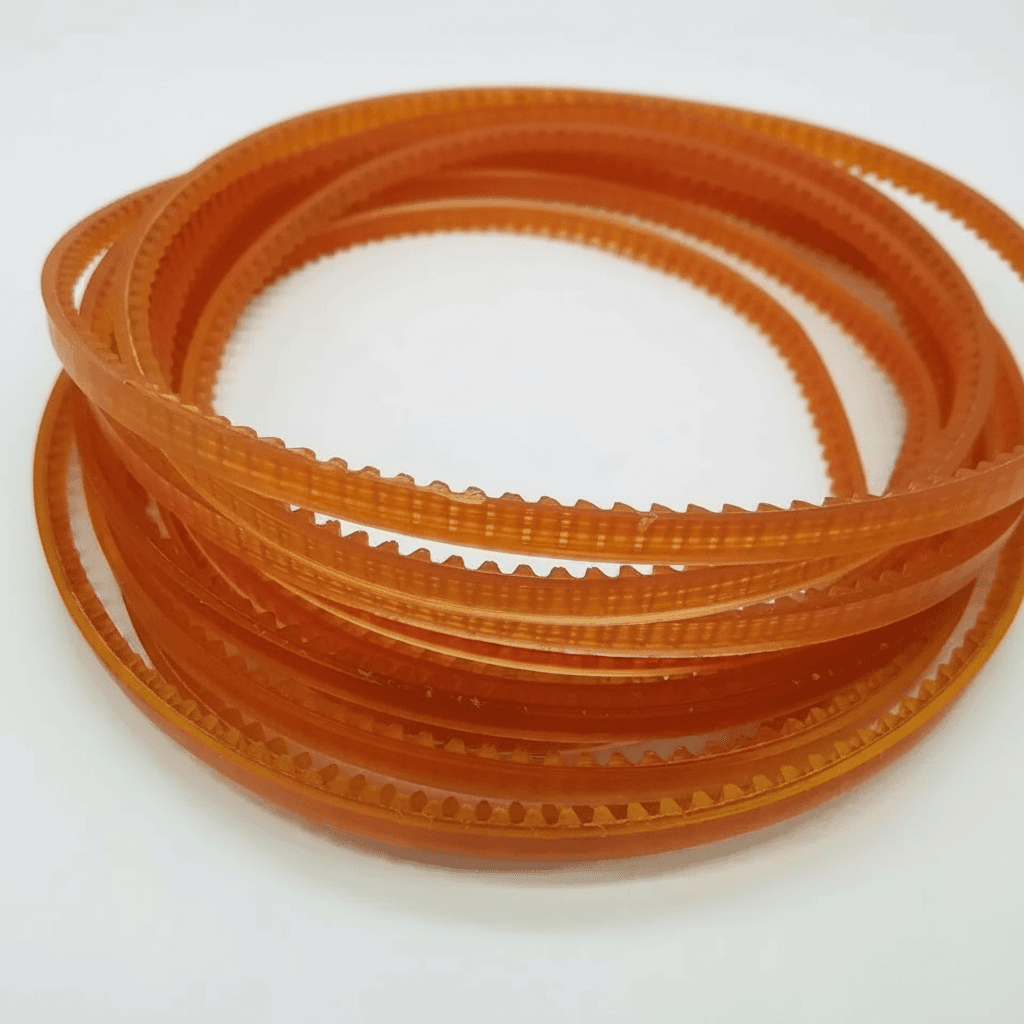
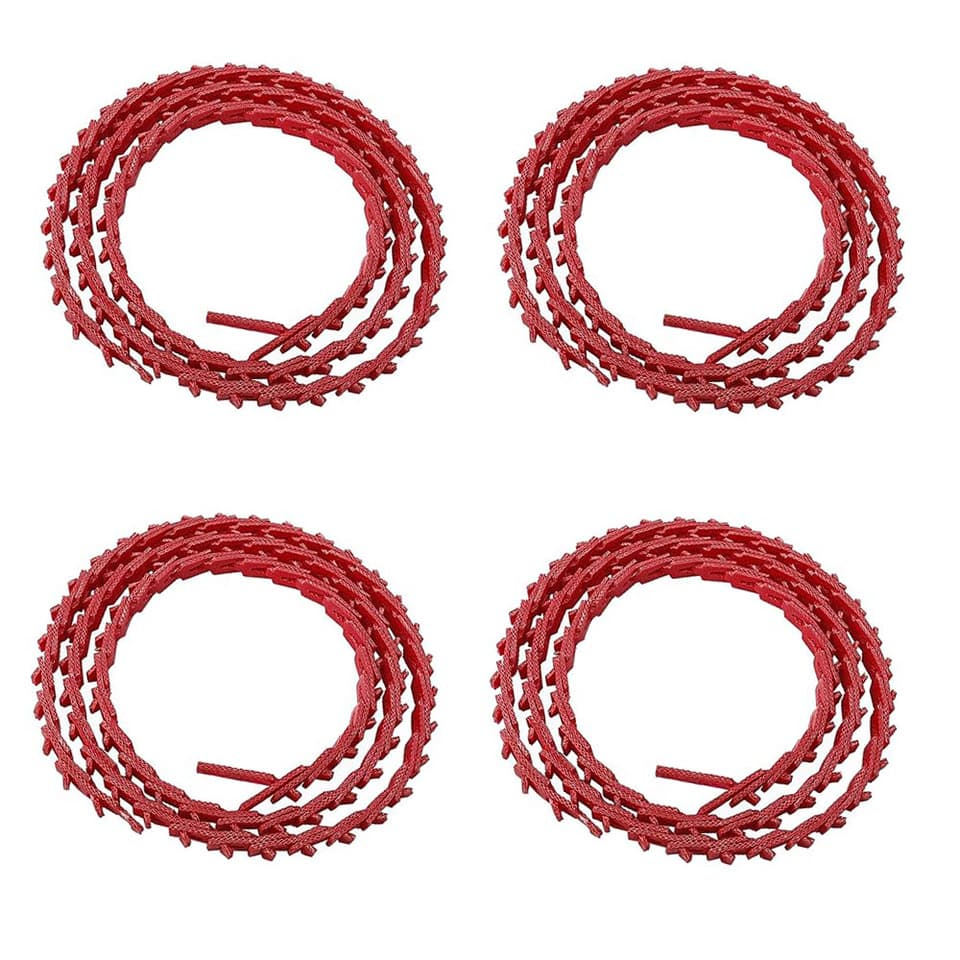
For drives with smaller pulley diameters, a serrated or cogged v-belt may be required. The serrations allow the belt to bend more easily around a tight radius without building up excess heat or stress. For unique situations, polyurethane link v-belts offer a key advantage: they can be assembled to any length by hand. This makes them a practical solution for emergency repairs, difficult-to-access drives, or applications like industrial furnaces where a custom fit is necessary.
Proper fit is critical for performance and belt lifespan. An incorrect length will lead to improper tension, causing slippage or excessive strain on bearings. Always check the existing belt for markings indicating its size and type, such as 'A38' for a Type A belt with a 38-inch length.
Our v-belts are available in specific metric and imperial lengths. We offer metric serrated belts in lengths from 300mm to 400mm and standard imperial belts from 16 to 66 inches. Adjustable link belts are supplied in 1m lengths that can be customized on-site. If the old belt is missing or its markings are unreadable, you will need to measure the required length along the pulley path.
Buying guide
We use cookies. Some keep the store working, others show us what to fix. No third-party trackers, and we never sell your data. Learn more about cookies and your privacy