
Roller Chain
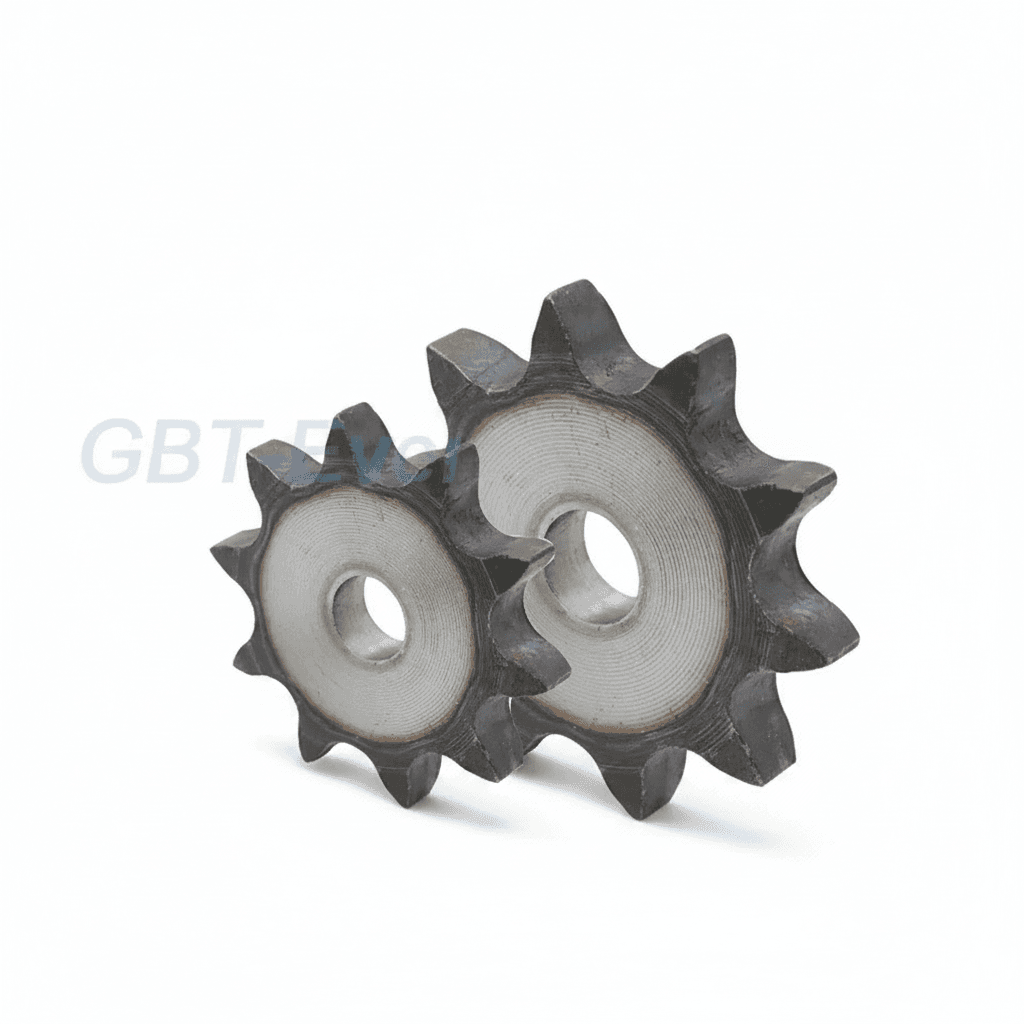
Roller Chain Sprocket | 10-25 Teeth | Carbon Steel Drive Gear
CMP-04558ROLL-00001
£24.99
3 products available
Roller chain is a fundamental component for creating chain drives in industrial machinery. Used to transmit mechanical power, this type of chain is common in conveyors, agricultural equipment, and various manufacturing applications. Our selection is curated for professional maintenance, repair, and operations (MRO) and original equipment manufacturing (OEM). We supply standard industrial roller chain components needed to build or service reliable power transmission systems.
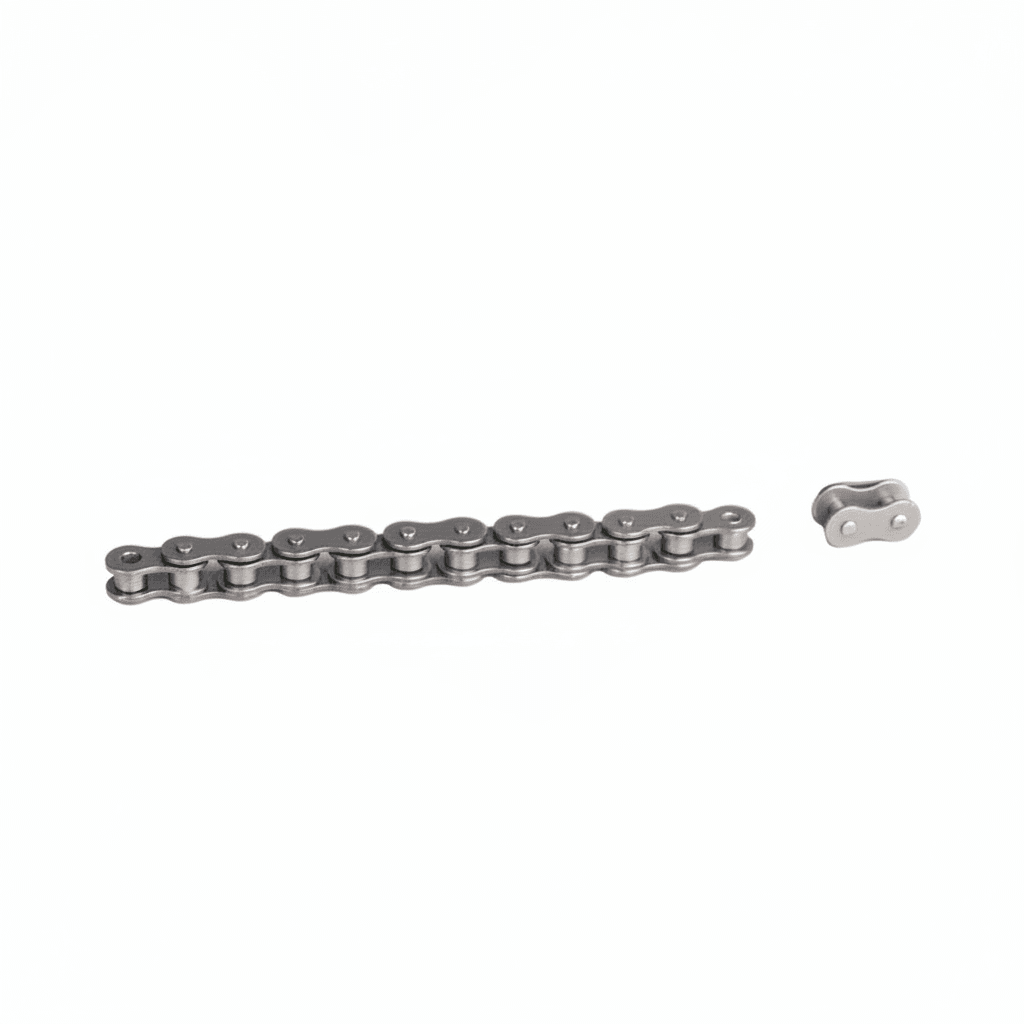
Our range focuses on the core elements of a drive system. This includes single-row drive chains in specified lengths, carbon steel sprockets in common tooth counts, and stainless steel chain connector links. These components are specified by standard sizes like 06B, 08B, and 10A to ensure compatibility. Compel provides the specific, standardized parts required for dependable machinery operation.
3 products in Roller Chain
Roller Chain
Roller Chain
Roller Chain
The most important step in selecting roller chain components is matching the size standard. Every part of a chain drive-the chain, the sprockets, and any connecting links-must share the same size designation to function correctly. These sizes, such as 08B or 10A, define the chain's pitch, roller diameter, and width.
Using mismatched components will lead to rapid wear, chain skipping, and eventual system failure. Always verify the required chain size from the machine's technical manual or by measuring the existing chain if you are making a repair. All compatible Compel components will list the chain sizes they are designed for.
Your operating environment determines the best material for your chain components. Carbon steel is the standard for most industrial applications, offering high tensile strength and wear resistance for general power transmission.
For environments with moisture, frequent washdowns, or corrosive chemicals, a stainless steel chain is the correct choice. Components made from 304 stainless steel provide excellent corrosion resistance, preventing rust that can contaminate products or seize the drive. While its tensile strength is typically lower than carbon steel, its durability in wet or chemical-laden settings is superior.
A functional drive requires more than just the chain. Sprockets are the toothed gears that engage with the chain to transmit power; the number of teeth determines the drive's speed ratio. Our carbon steel sprockets are available in common tooth counts for standard chain sizes.
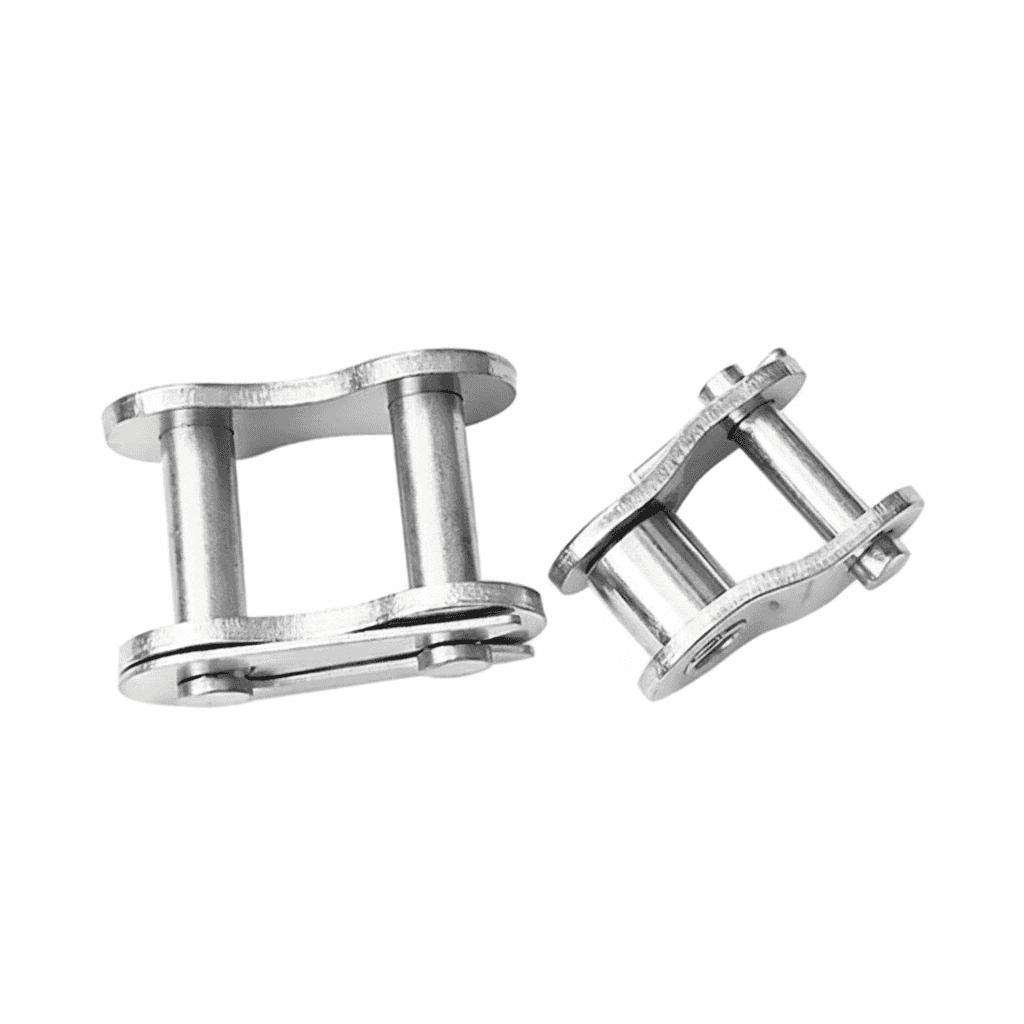
Connector links are used to join chain ends into a continuous loop. Full links (connecting links) maintain the chain's pitch pattern, while half links (offset links) allow for length adjustments of a single pitch. Chains are supplied in standard lengths, such as 1 meter to 5 meters, which you can cut to fit your specific application.
Buying guide
We use cookies. Some keep the store working, others show us what to fix. No third-party trackers, and we never sell your data. Learn more about cookies and your privacy