
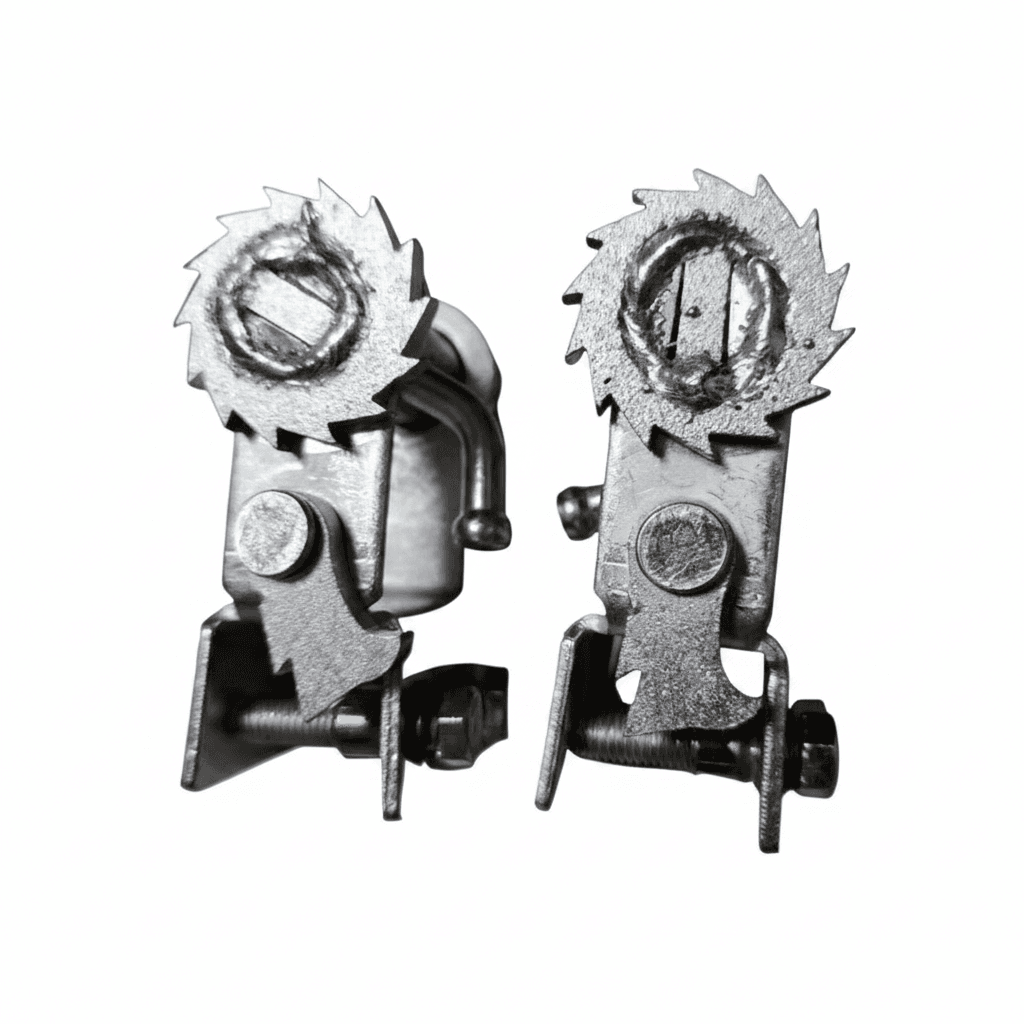
Lever Hoists
Rope Lever Hoist | Ratchet Tensioner | Manual Load Binding Fastener
CMP-04594LEVE-00001
£72.99
5 products available
Lever hoists are manual lifting devices used across industrial settings for pulling, lifting, and tensioning heavy loads. These tools, also known as a ratchet lever hoist or manual lever hoist, provide mechanical advantage without needing external power. Compel offers a range of lever hoists designed for professional use, from heavy-duty construction sites to garages and workshops.
Our selection includes chain lever hoists with high-strength G80 steel chains for vertical lifting, as well as rope hoists and hand winches for pulling and load binding. Whether you need to lift machinery, tension a line, or recover a vehicle, you can find a suitable tool. We stock 0.5 and 1 ton models, with bodies in materials like manganese steel to ensure durability for your specific application.
5 products in Lever Hoists
Lever Hoists
Lever Hoists
Lever Hoists
Lever Hoists
 Out of stock
Lever Hoists
The first step is to match the hoist type to your primary task. The mechanism directly impacts its ideal use case. Your choice will be between a chain, rope, or crank-operated winch.
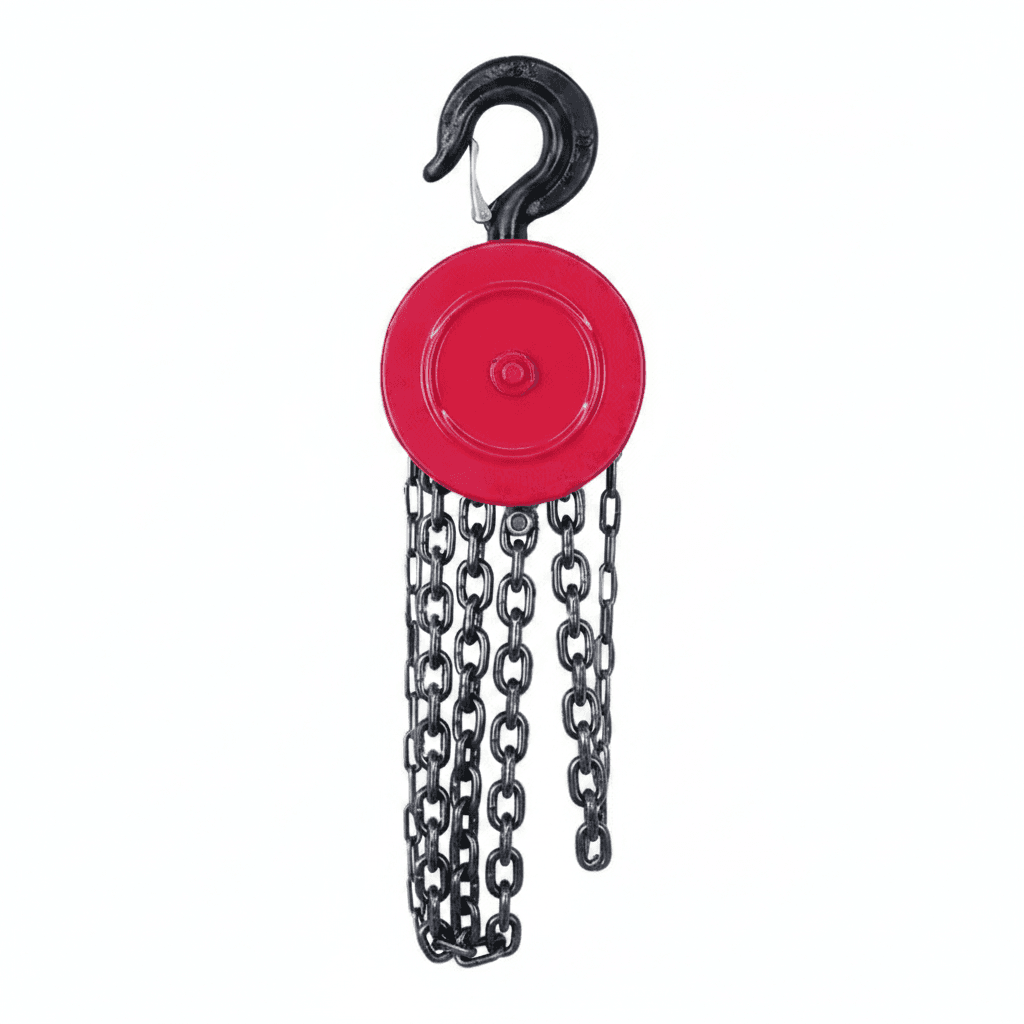
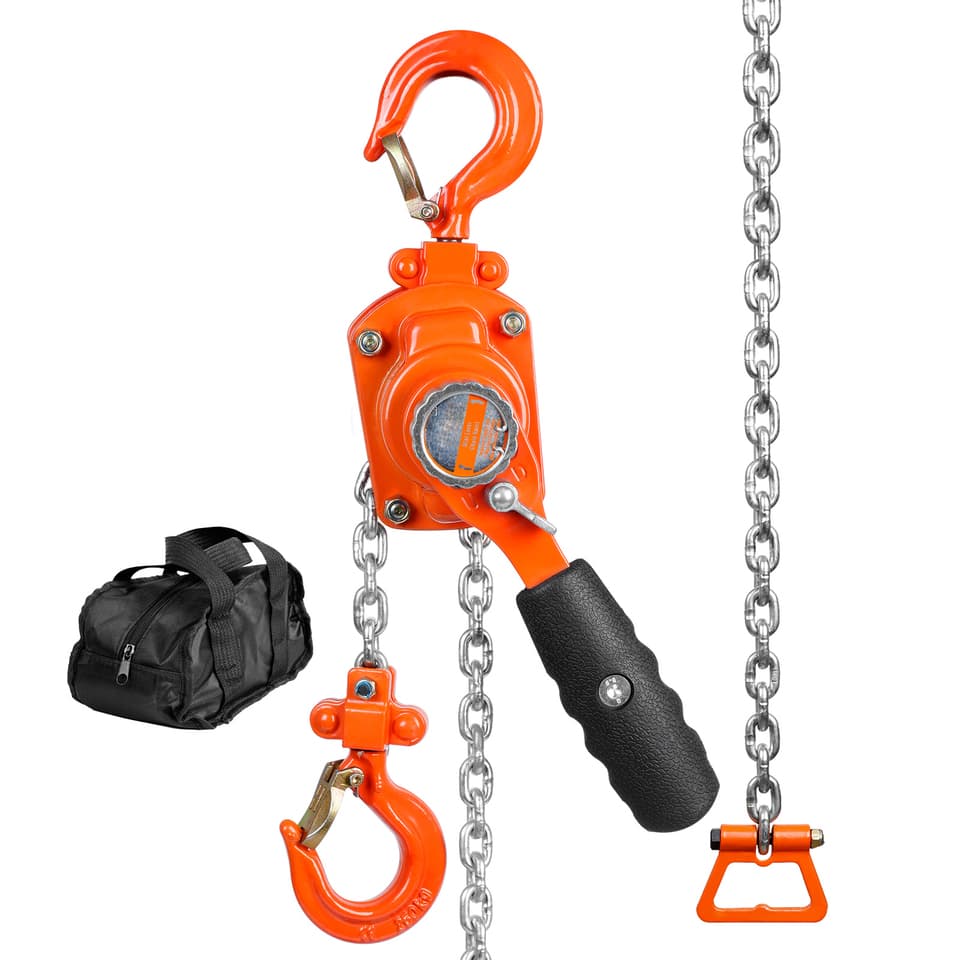
A chain lever hoist is the standard for vertical lifting and lowering. The load chain engages securely with the hoist mechanism, allowing for precise and safe positioning of heavy equipment in construction or industrial maintenance. Models with G80 alloy steel chains offer high strength for overhead lifting.
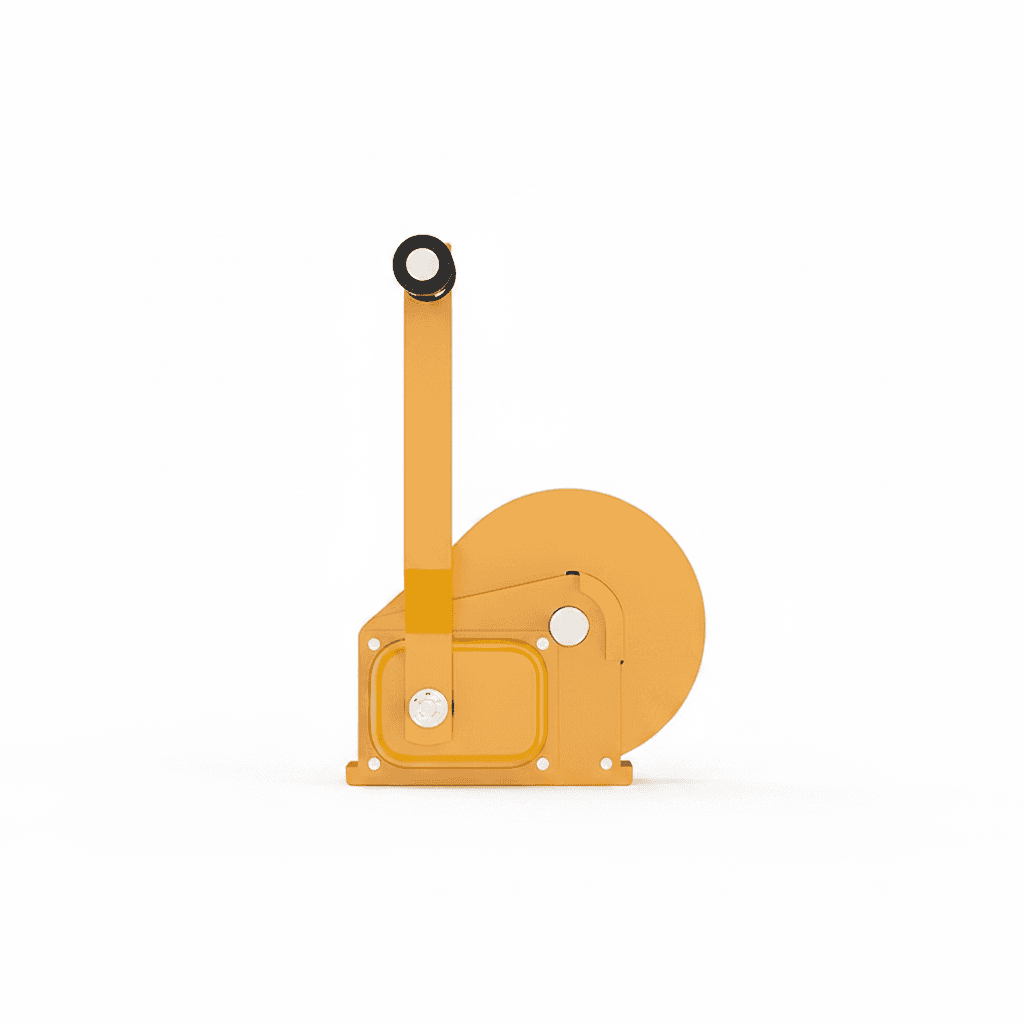
A rope lever hoist is typically a lighter tool used for pulling, tensioning, and load binding rather than high-precision lifting. These are often used with small trucks for securing cargo. Hand winches are designed specifically for horizontal pulling, using a crank to wind a strap or rope. They are common for vehicle recovery and loading boats onto trailers.
A hoist's load capacity is its most important safety specification. You must never exceed the manufacturer's working load limit (WLL). We carry lever hoists rated at 0.5 ton for light tensioning and 1 ton for heavier workshop lifting.
To choose correctly, calculate the maximum weight of the load you intend to lift or pull. Then, select a hoist with a rated capacity that safely exceeds that weight. This provides a critical safety margin to account for dynamic forces or unforeseen variables. Always confirm the WLL on the product's identification tag before use.
The material of the hoist body and its components determines its durability and suitability for the work environment. For demanding applications, material choice is key.
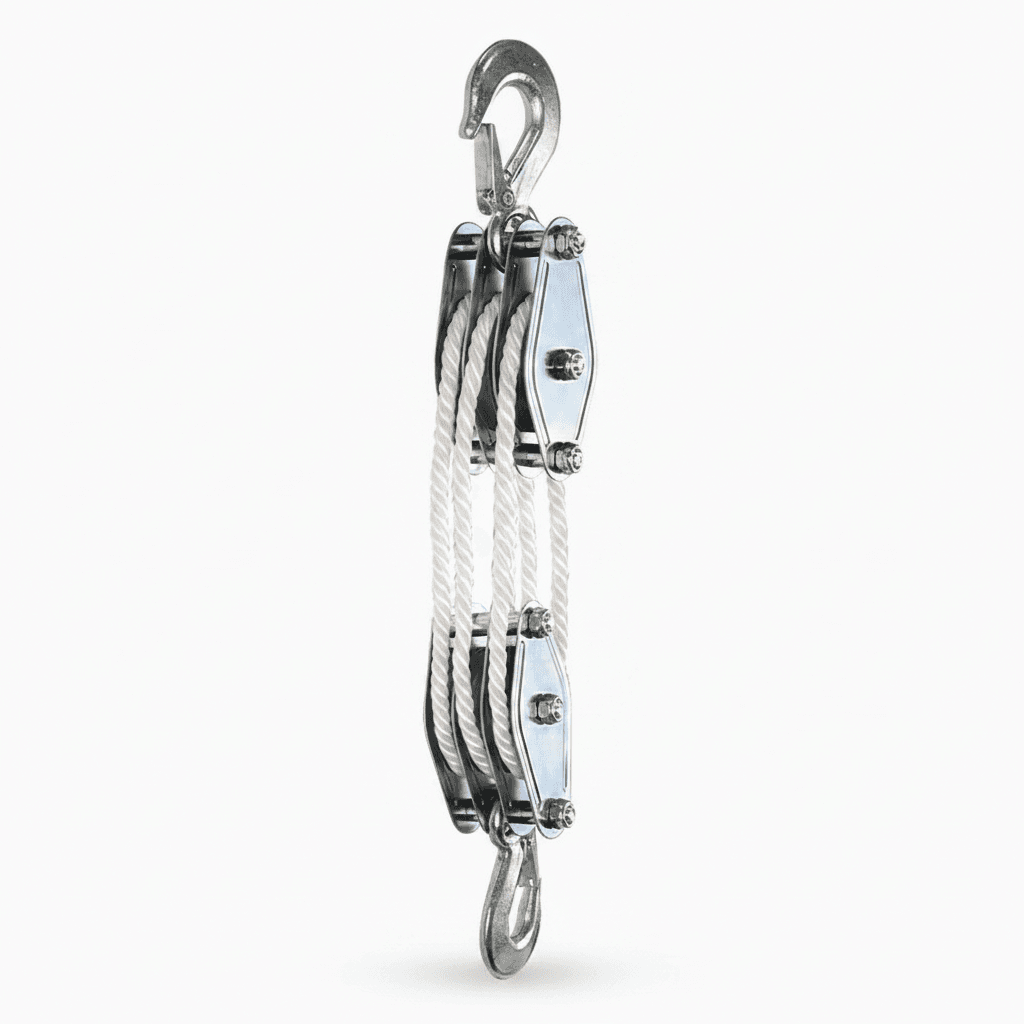
Manganese steel is a common choice for a heavy duty lever hoist body, offering excellent strength and resistance to wear and impact. This makes it ideal for harsh environments like construction sites. For the lifting medium, G80 galvanized steel chain provides both high tensile strength and corrosion resistance, extending its service life in damp or outdoor conditions. For lighter duty tools like rope tensioners or pulley blocks, general-purpose steel and zinc alloys provide adequate performance.
Buying guide
We use cookies. Some keep the store working, others show us what to fix. No third-party trackers, and we never sell your data. Learn more about cookies and your privacy