
Hydraulic Cylinders
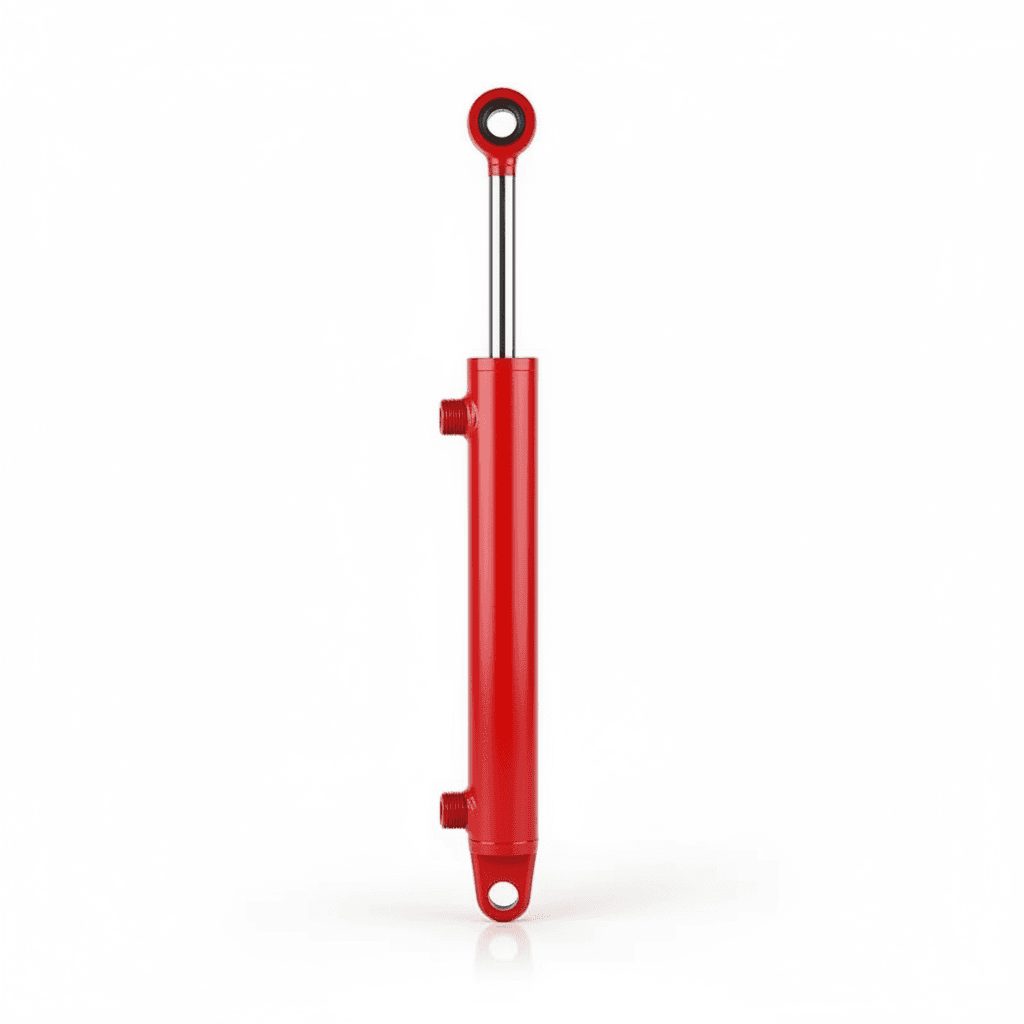
Hydraulic Cylinder | Double-Acting Piston | 40mm Bore x 25mm Stroke
CMP-04551HYDR-00353
£143.99
3 products available
Hydraulic cylinders are mechanical actuators that convert hydraulic fluid power into linear force and motion. Often called hydraulic rams, they are fundamental components in industrial machinery, construction equipment, and manufacturing systems. They provide the force needed for lifting, pushing, pulling, and pressing operations.
Compel supplies industrial hydraulic cylinders for MRO and OEM applications. Our focused selection includes standard double-acting cylinders in common metric sizes and specific replacement parts for vehicle systems. We provide the detailed specifications required by engineers and technicians to source a direct-fit component for their equipment.
3 products in Hydraulic Cylinders
Hydraulic Cylinders
Hydraulic Cylinders
Hydraulic Cylinders
The primary decision is the cylinder's action type. A double acting hydraulic cylinder uses fluid pressure for both extension and retraction strokes, providing precise, powered control in both directions. This is common in applications requiring both pushing and pulling forces.
A single acting hydraulic cylinder uses hydraulic pressure for one direction of travel, typically extension. The return stroke is accomplished by an internal spring or the load's weight. Our range centers on double-acting piston designs for bidirectional industrial use.
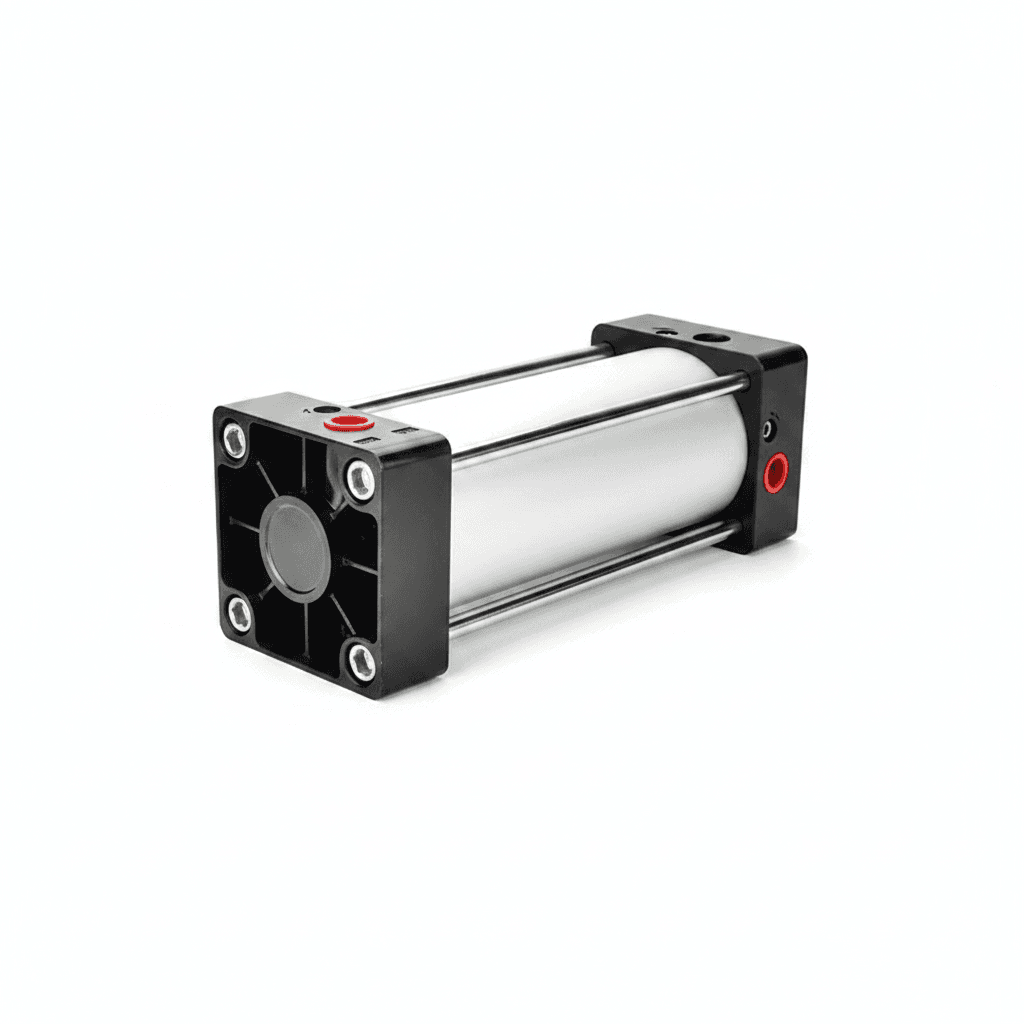
Correctly sizing a cylinder is for performance. The bore diameter-the internal diameter of the cylinder barrel-determines the force output at a given system pressure. A larger bore generates more force. Stroke length is the maximum distance the piston and rod can travel from fully retracted to fully extended.
To choose the right size, measure your existing unit or calculate the force and travel requirements for your application. Our stock includes common industrial sizes with bore diameters from 32mm to 63mm and stroke lengths ranging from 50mm to 1000mm.
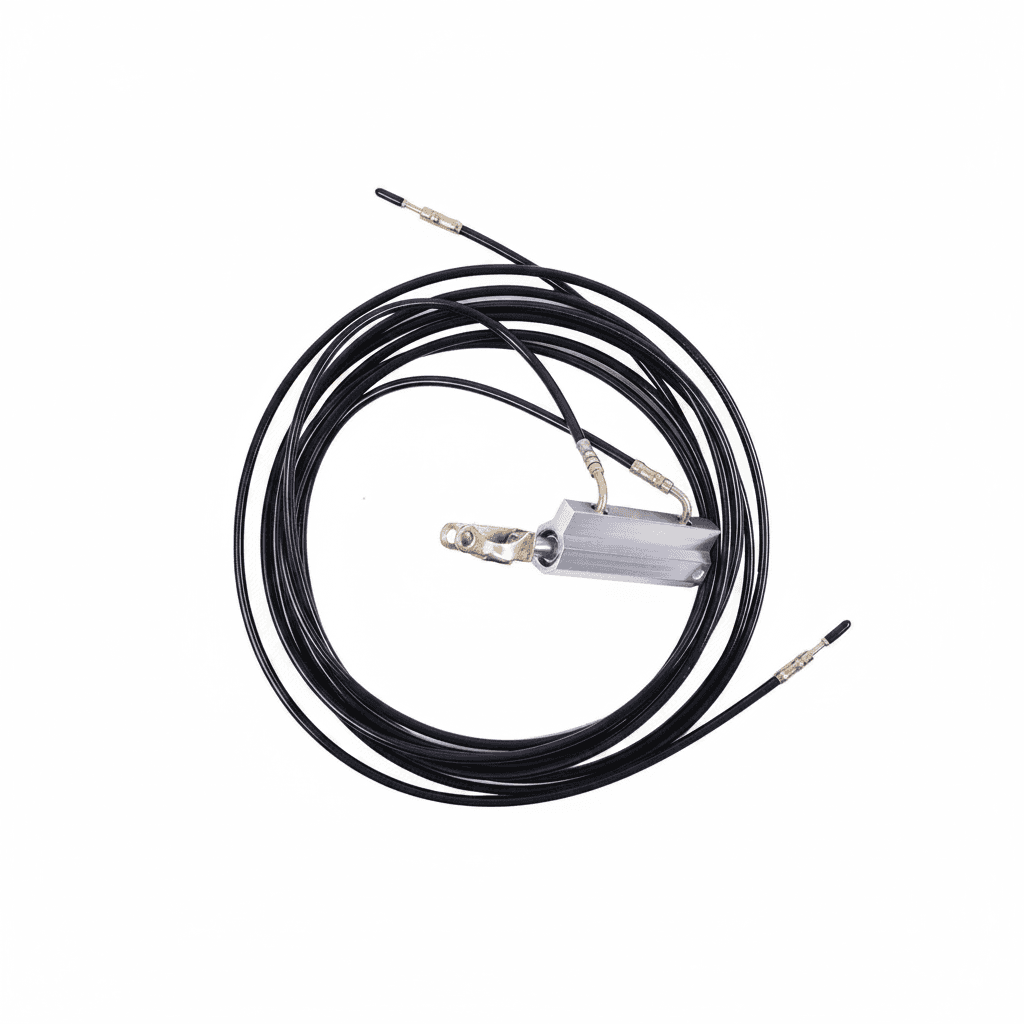
Ensure the cylinder's construction and mounting style match your equipment. Tie rod cylinders, for example, are a common and serviceable design for industrial settings. For replacement parts, especially in automotive applications like a convertible top mechanism, compatibility is non-negotiable. Always verify that the replacement part matches the specified OEM number, such as 1708000072 for certain Mercedes-Benz models.
Finally, confirm the drive type. Hydraulic and pneumatic systems are not interchangeable. A hydraulic cylinder is designed for incompressible oil, while a pneumatic cylinder uses compressed air. Always check the product's specifications to ensure it matches your power source.
Buying guide
We use cookies. Some keep the store working, others show us what to fix. No third-party trackers, and we never sell your data. Learn more about cookies and your privacy