
Hand Winches
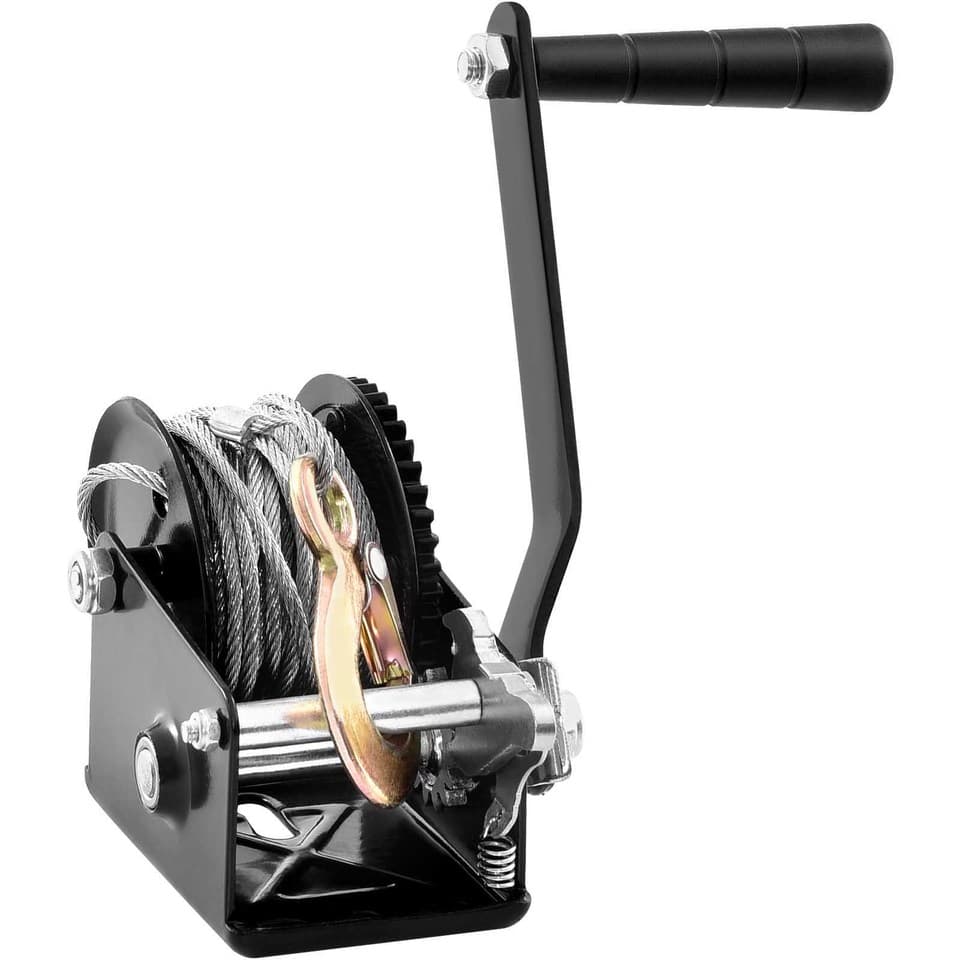
Crank Come Along Winch | Two-Way Ratchet | 33ft Steel Cable for Boats
CMP-04597HAND-00004
£137.99
6 products available
Hand winches provide mechanical advantage for pulling, lifting, and positioning heavy loads in industrial settings. They are used for vehicle recovery, material handling in workshops, and marine applications. A manual winch offers control and portability where power is unavailable, while powered models handle heavier tasks with speed and remote operation. Compel supplies a focused range of hand winches, from manual crank models to powerful electric units for vehicles and fixed installations.
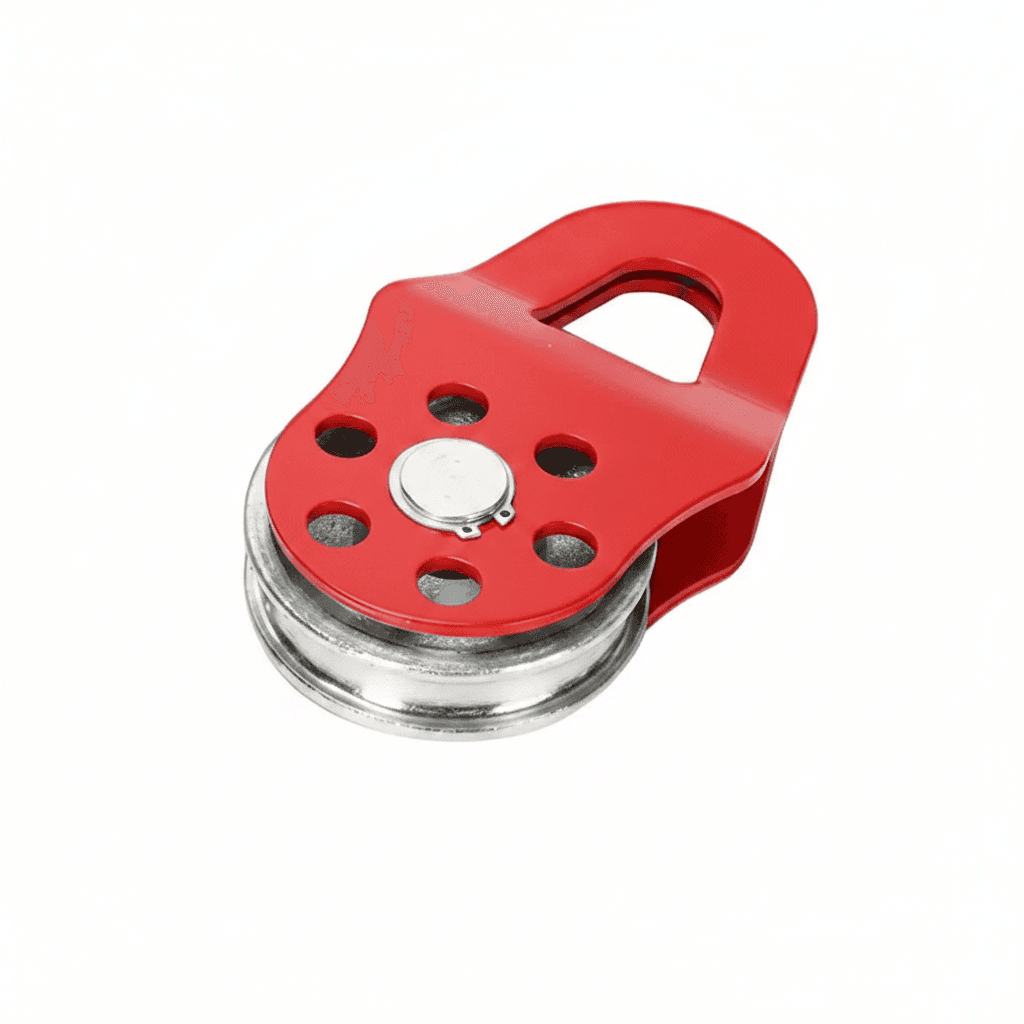
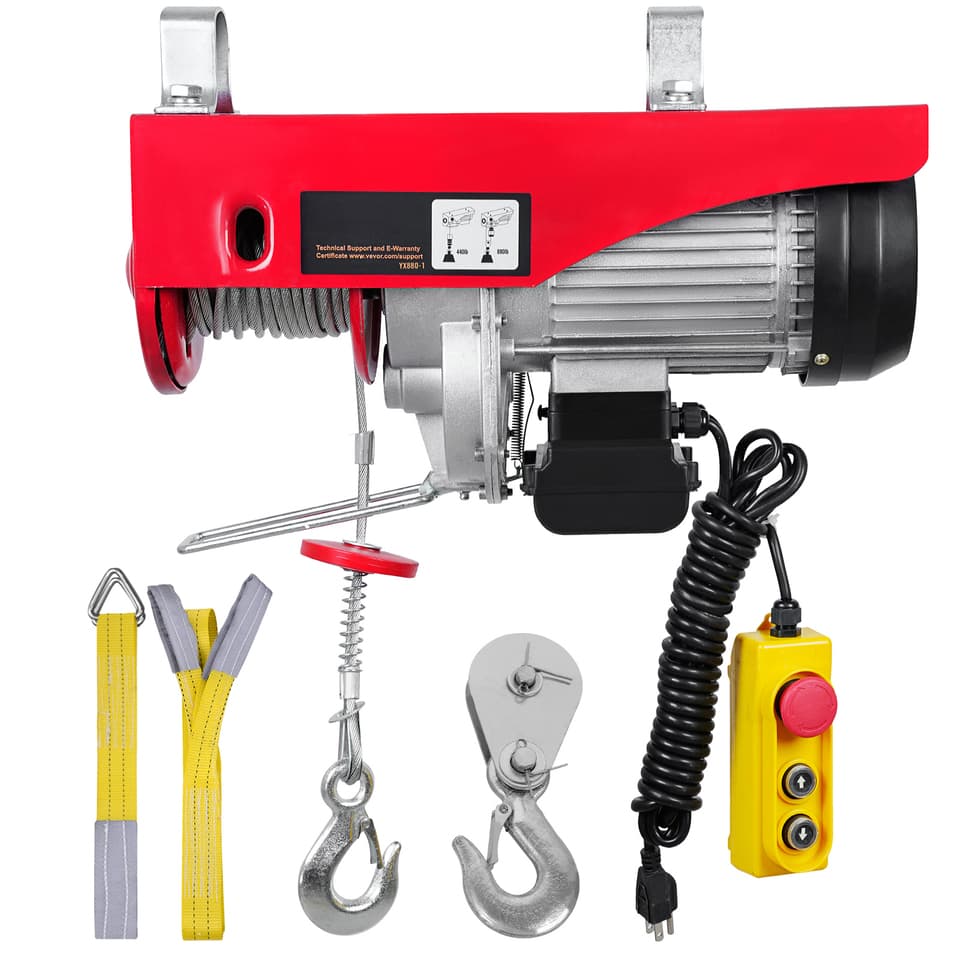
Our selection includes heavy duty hand winch options with capacities suited for UTVs, trucks, and tractors, as well as specialized boat trailer winch models. We carry devices with steel wire cables and synthetic ropes, along with accessories like remote control kits and snatch blocks. By stocking job-specific equipment, we ensure you can find a reliable pulling solution that matches your exact load and application requirements.
6 products in Hand Winches
Hand Winches
Hand Winches
Hand Winches
 Out of stock
Hand Winches
 Out of stock
Hand Winches
 Out of stock
Hand Winches
The first decision is how the winch is powered. A manual winch with a hand crank is a dependable choice for controlled pulls where no power source is available. They are common for applications like positioning equipment on a boat trailer. The two-way ratchet mechanism on these models allows for secure pulling and safe, controlled tension release.
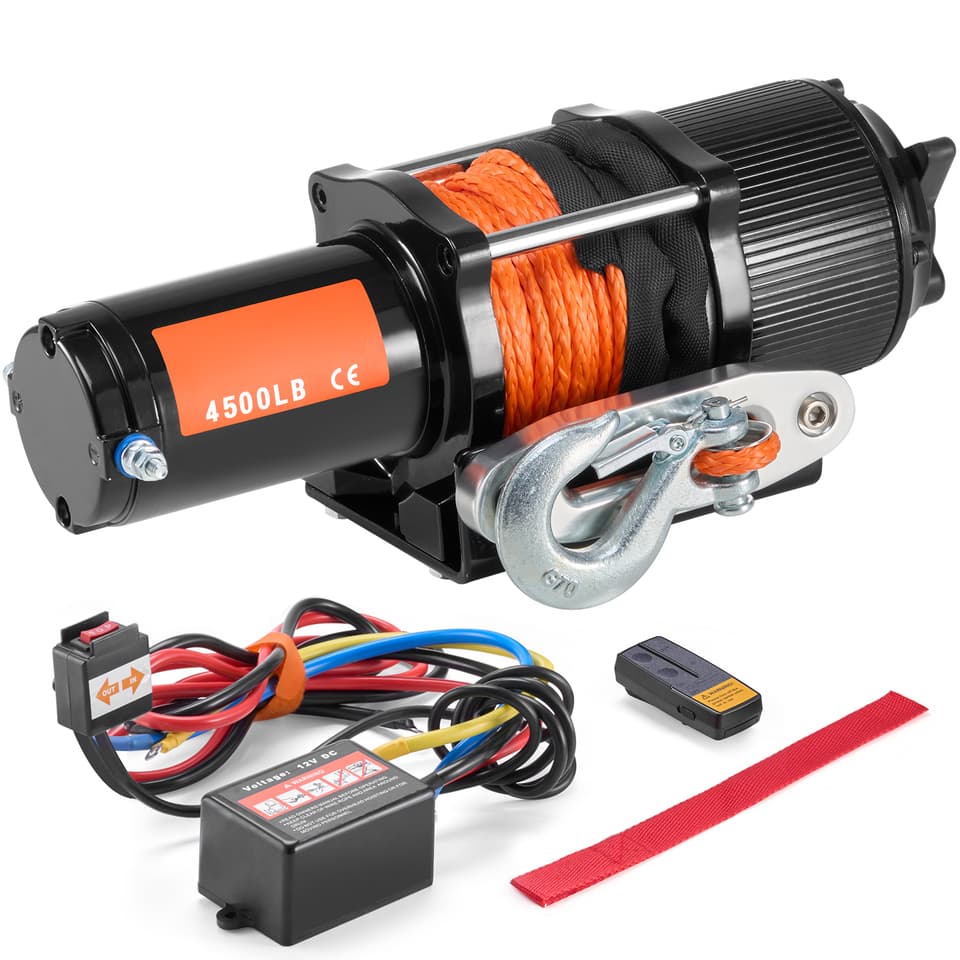
Powered winches, typically 12V or 24V DC, are designed for much heavier loads and faster operation. They are standard for off-road vehicle recovery, UTVs, and heavy towing. These units often feature wireless remote controls, allowing the operator to manage the pull from a safer distance. Choose a powered model when dealing with loads over a few thousand pounds or when speed is a factor.
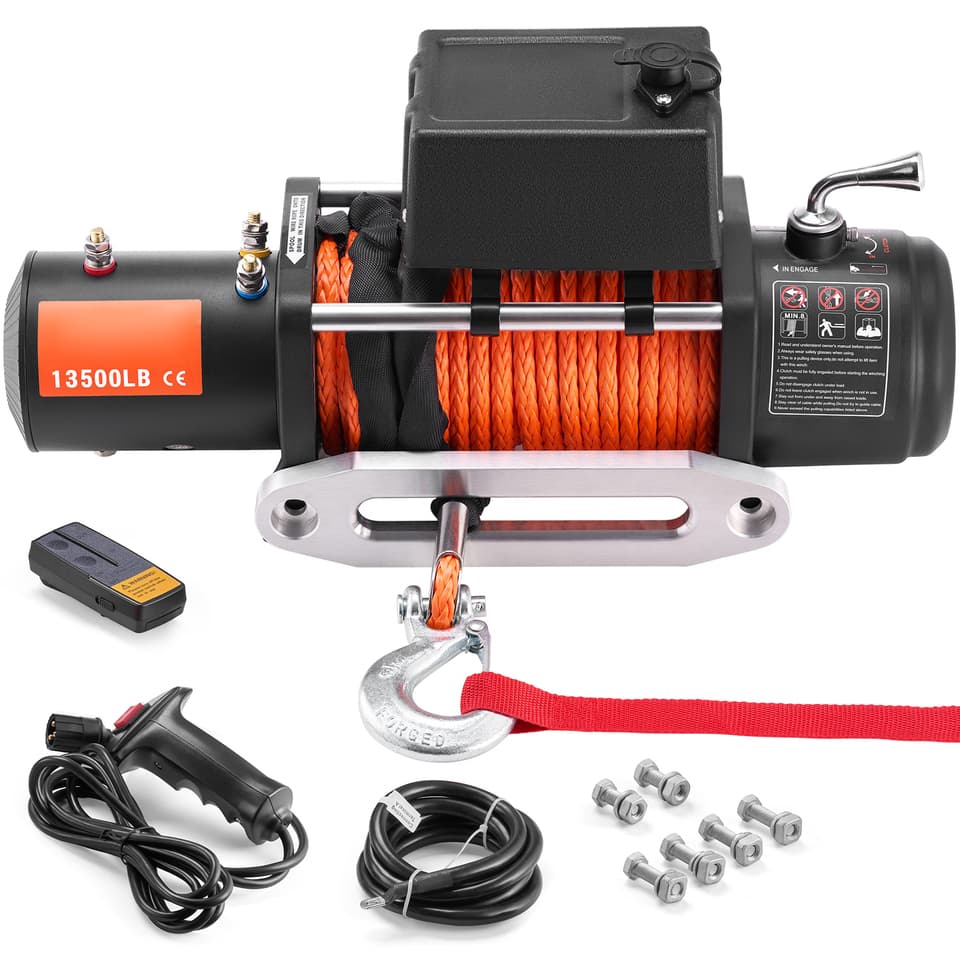
Winch capacity is the single most important specification. It must safely exceed the maximum load you intend to pull. For vehicle recovery, a common guideline is to select a winch with a capacity of at least 1.5 times the vehicle's gross weight. Our range includes units for lighter garage lifting from 800kg lifting units up to heavy duty models rated at 13,500 lbs.
The choice between a steel cable hand winch and one with synthetic rope depends on the application. Steel cable is abrasion-resistant and durable but is also heavy and can store significant kinetic energy if it snaps. Synthetic rope is lighter, easier to handle, and safer in case of failure. However, it is more susceptible to abrasion and UV degradation. Check the specific product's line material to match your work environment.
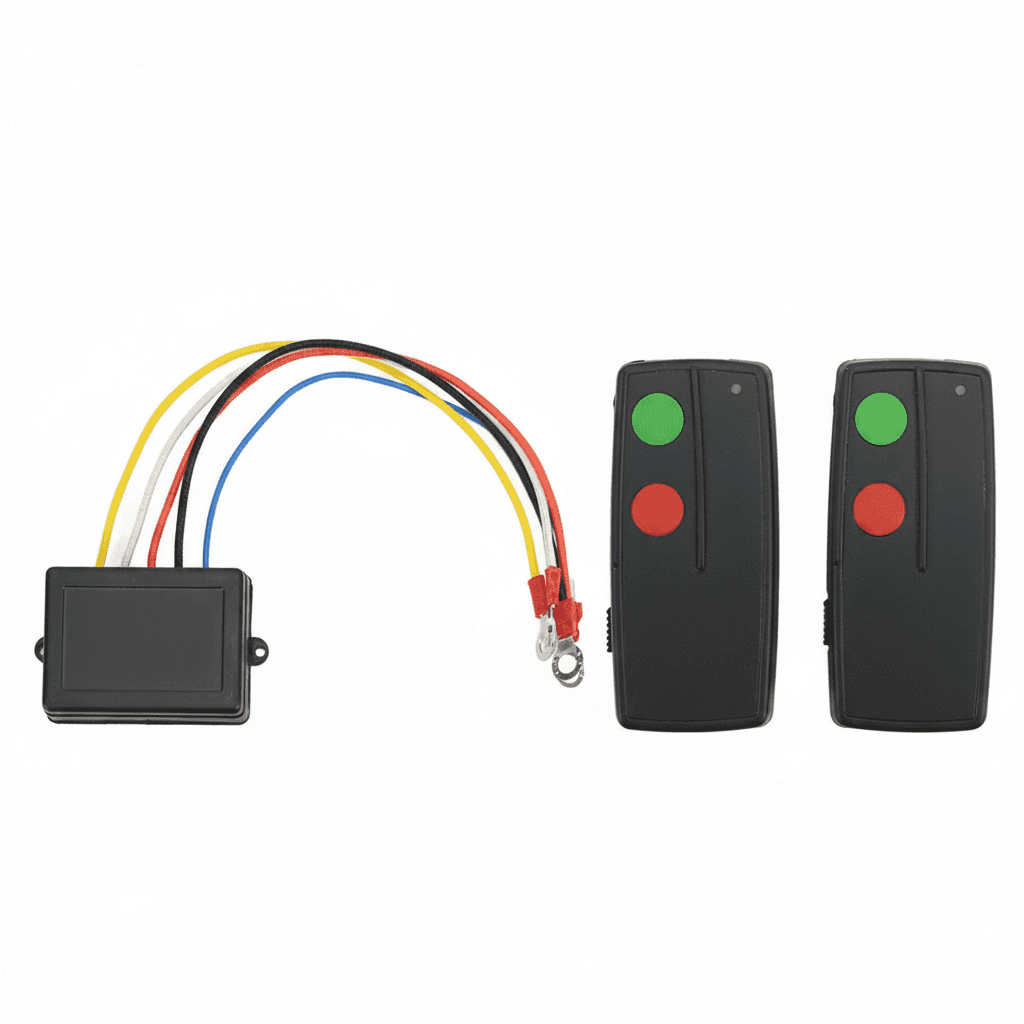
Control methods vary between winch types. Manual winches use a physical crank and ratchet system. Powered winches offer more options, including wired pendants and wireless remote controls. Wireless kits, available for 12V and 24V systems, provide flexibility and enhance operator safety by removing them from the immediate vicinity of the load.
Accessories can significantly expand a winch's capability. A snatch block, for example, can be used to double the pulling power of your winch or to facilitate angled pulls. When selecting a snatch block, ensure its load capacity (e.g., 6 tons) meets or exceeds the winch's maximum line pull.
Buying guide
We use cookies. Some keep the store working, others show us what to fix. No third-party trackers, and we never sell your data. Learn more about cookies and your privacy