

Profile first, then size
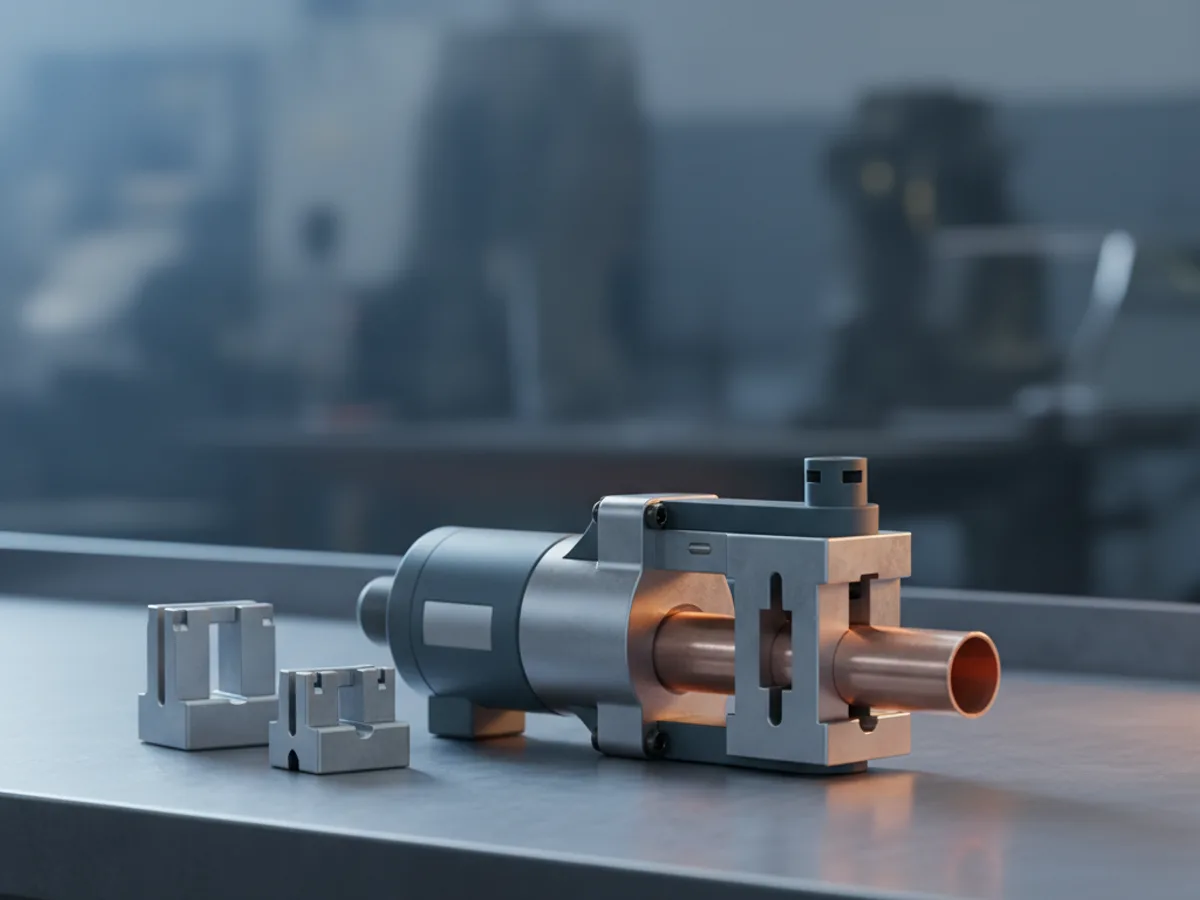
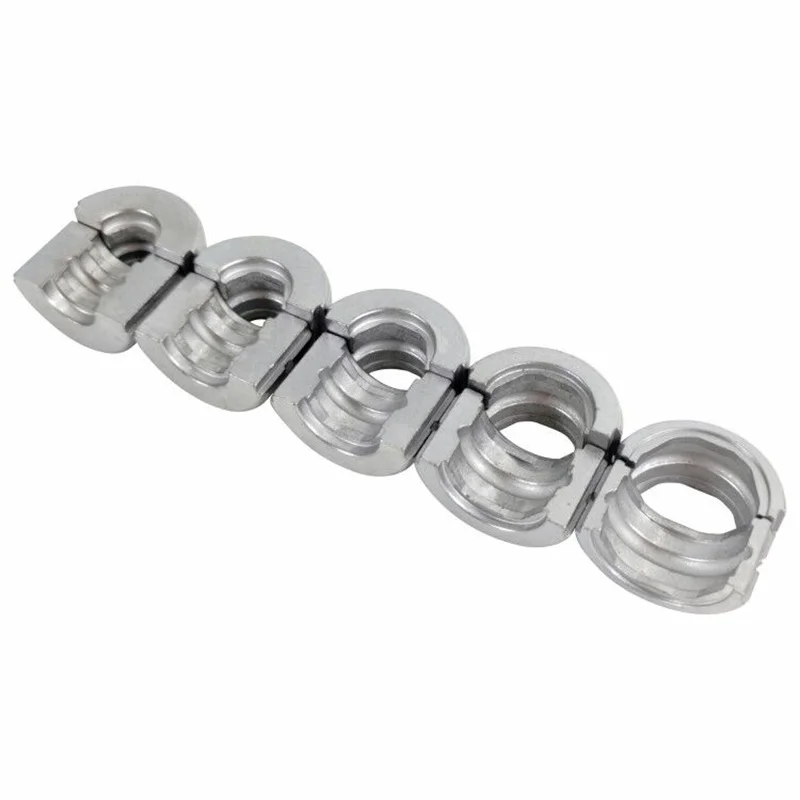
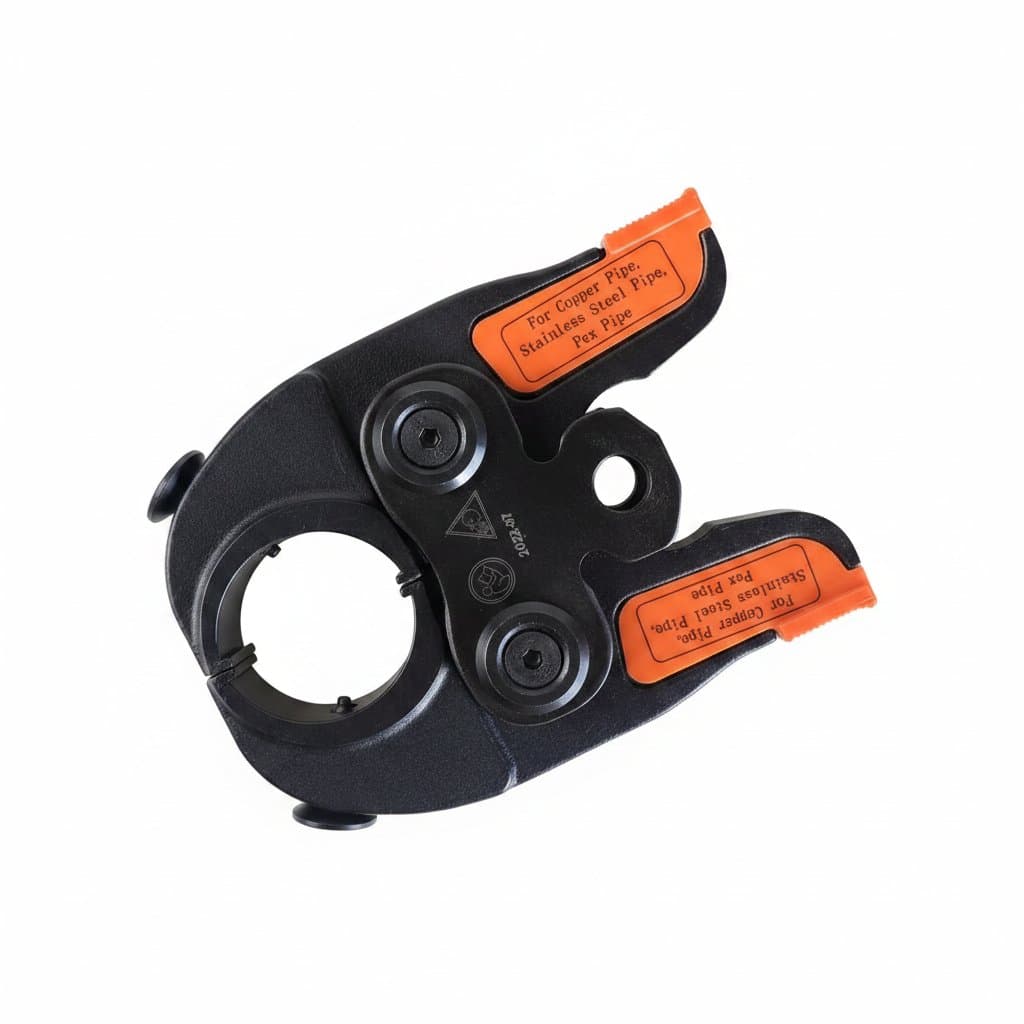
A press fitting contains a rubber seal in a bead near its mouth. The tool squeezes the fitting onto the tube in a specific pattern, and the shape of that squeeze is the jaw profile. Systems on the market use different profiles, and each manufacturer specifies which one their fittings need.
Using the wrong profile is a real failure mode rather than a theoretical one. The fitting compresses, the joint appears made, and the seal is either not compressed correctly or is damaged. It may hold at test pressure and fail later, which is the worst possible outcome inside a wall.
So the buying order is profile first, then diameter. Every tube size needs its own jaw within the profile, and a set covering the common sizes is usually better value than buying them one at a time. Check what the fitting manufacturer approves rather than assuming a jaw that physically fits is correct.
| Element | Must match | If it does not |
|---|---|---|
| Jaw profile | The fitting system | Seal compressed wrongly, later failure |
| Jaw size | The tube diameter | Tool will not close or joint not formed |
| Seal material | The service, water or gas | Seal degrades in the wrong medium |
| Tool force class | The fitting range | Larger sizes need a bigger tool |
Seal material is chosen by service, not by size
The rubber ring inside the fitting is specified for what will flow through it. The common seal for water and heating systems handles those well and is attacked by hydrocarbons. Gas and oil applications use a different compound, and the fittings are marked and usually colour coded to distinguish them.
Fitting a water rated seal on a gas line is a serious error, and it is easy to make because the fittings look almost identical in a van. Keeping gas fittings physically separate from water fittings is the practical control.
Temperature and the medium matter too. Solar circuits, high temperature heating and compressed air all have their own approved seal materials, and the manufacturer literature is the authority. Where a system will carry something unusual, check before installing rather than after.
Cutting, deburring and marking depth
Tube has to be cut square. An angled cut enters the fitting crooked, so the seal is compressed unevenly around its circumference and the joint has a weak side from the moment it is made.
Deburring matters more here than in a soldered joint. The sharp edge left by a cutter will slice the rubber seal as the tube is pushed home, and a cut seal leaks. Deburr inside and out, and wipe the tube clean, since grit does the same job as a burr.
Mark the insertion depth on the tube before assembly. Press the joint with the tube short of full engagement and the seal sits in the wrong place, and the only way to know afterwards is that the mark is visible. It takes seconds and it is the single most useful habit on this kind of work.
Unpressed joints, cycles and servicing
Modern systems are designed so an unpressed joint leaks visibly when the system is filled and tested, rather than holding by friction and failing later. That feature exists because missing a joint on a large installation is entirely possible, and it means a proper pressure test finds the mistake while the pipework is still accessible.
Let the tool complete its cycle. Most press tools run an automatic cycle that must finish for the joint to be correctly formed, and interrupting it leaves a partially pressed fitting that has to be cut out. If a cycle is interrupted, replace the fitting rather than pressing again.
Press tools are serviced on cycle count as well as time, and the tool counts its own cycles. Manufacturers specify an interval, commonly in the region of twenty thousand cycles or annually, at which the tool is inspected and recalibrated. Inspect jaws regularly for cracks, since a jaw that fails under load does so at considerable force.