Compel Groupgroup

12V Water Pumps and Transfer Pumps

Author: James Whitfield, Equipment Desk5 min read
Updated

The type decides almost everything. A diaphragm pump is self priming, will lift water up to its inlet, tolerates being switched on dry for a moment, and delivers a pulsing flow. A centrifugal pump is smoother and moves far more water, and it must be primed and must never run dry. Pick the type first, then the numbers.

12 products from £168.99 to £646.99

Specs and prices

Specifications as declared by the seller of each listing, not our own measurements. Prices update with the catalogue.

ProductPricePump TypeVoltage
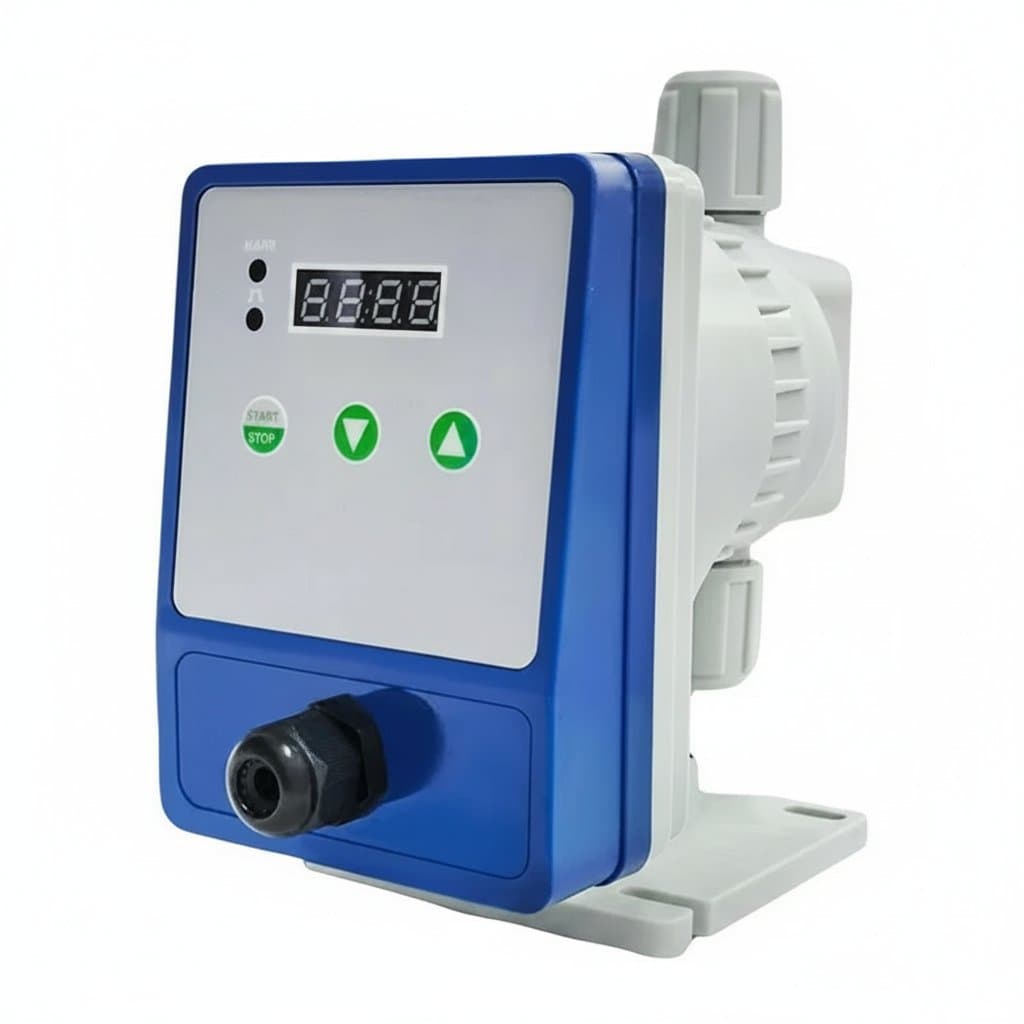
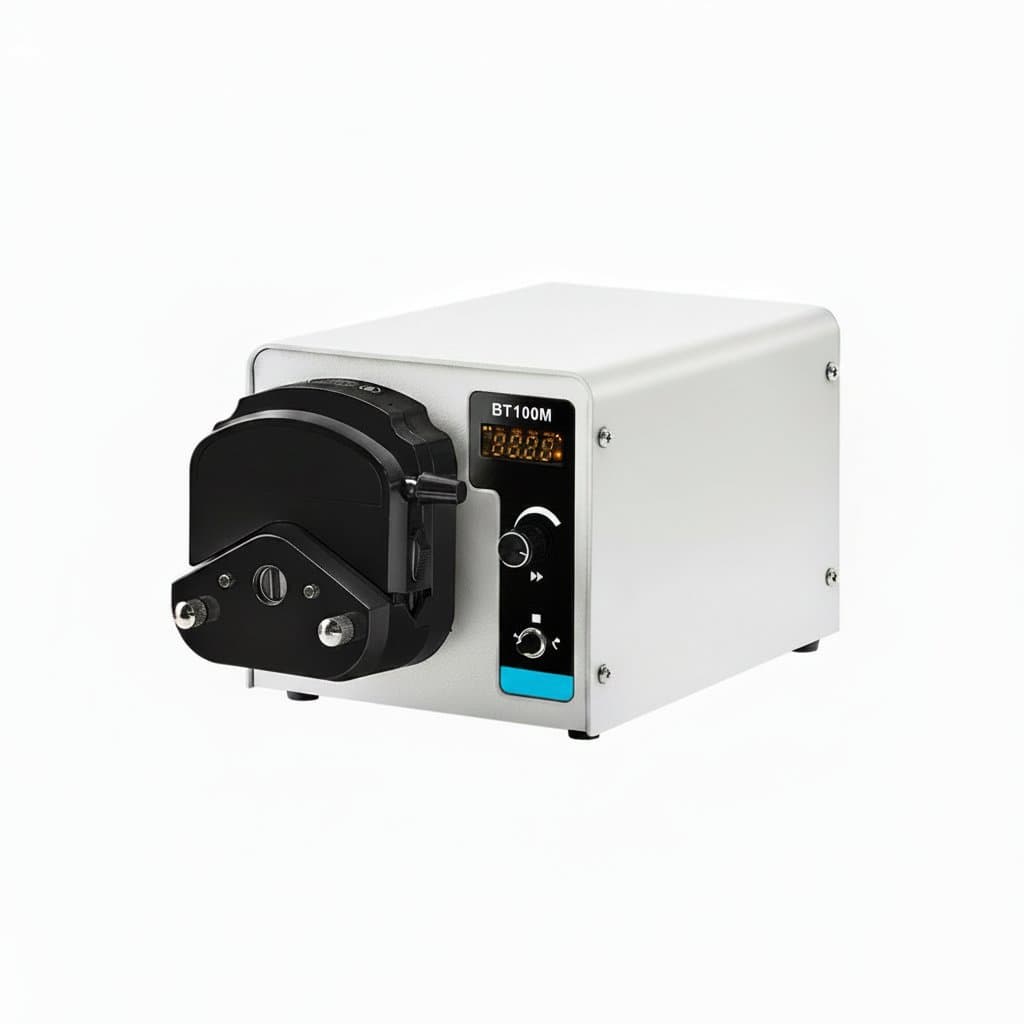
CHONRY BT100M Digital Peristaltic Pump, 110V/220V, 380ml/min, ideal for precise liquid transfer like a power steering pump.Peristaltic Pump£646.99Peristaltic110V/220V
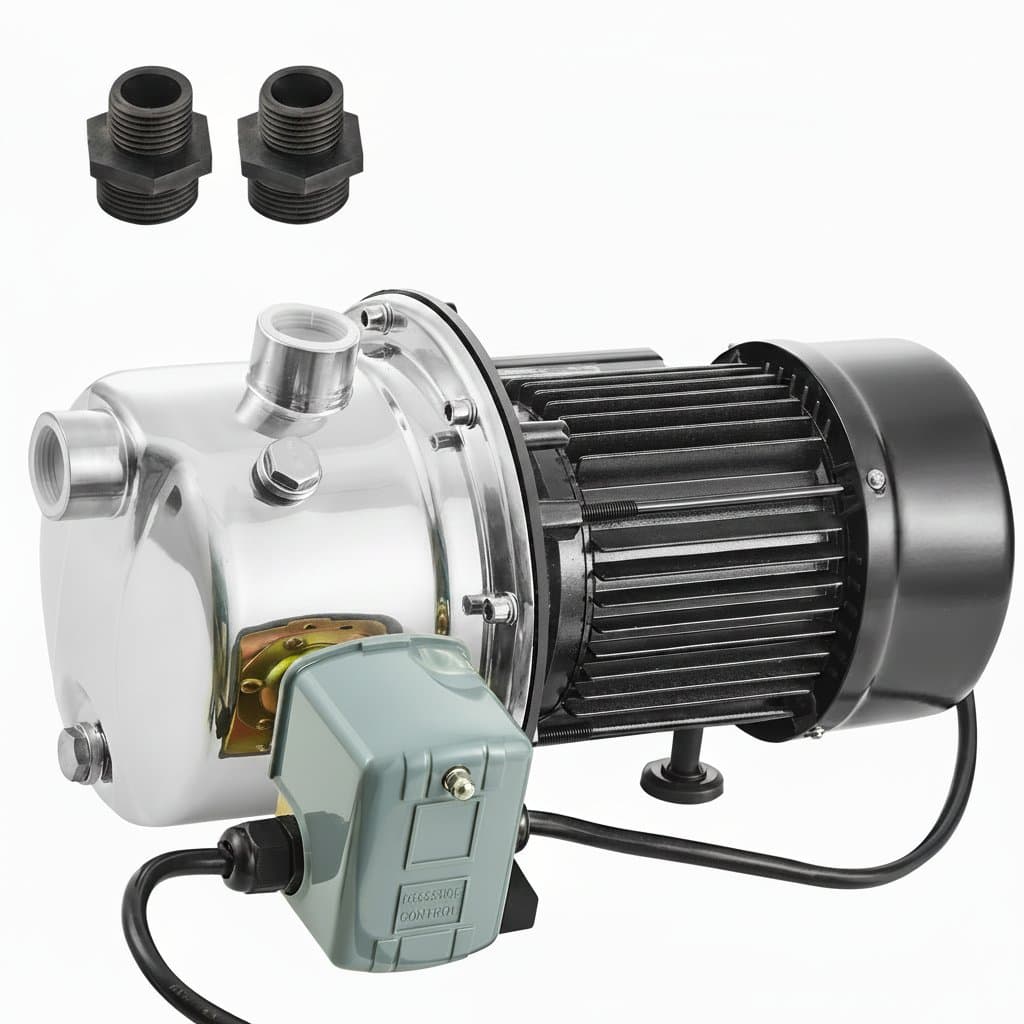
SucceBuy shallow well jet pump with 115V power, constructed from cast iron and stainless steel for agricultural garden irrigation.Shallow Well Jet Pump£233.99Shallow Well Jet Pump115V AC
3216H Condensate Pump, a compact unit for HVAC systems.3216H Condensate Pump£216.99-12V
Condensate pump.Pump£215.99-110V
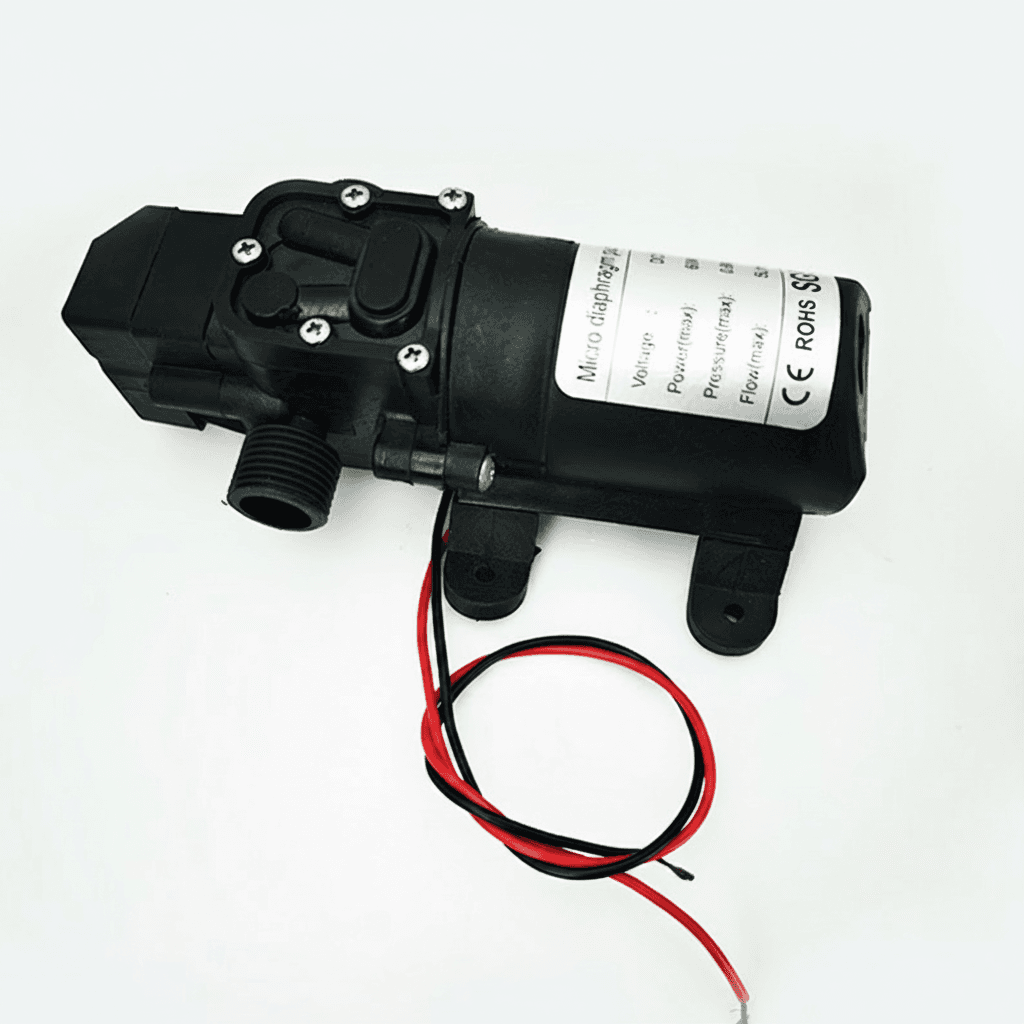
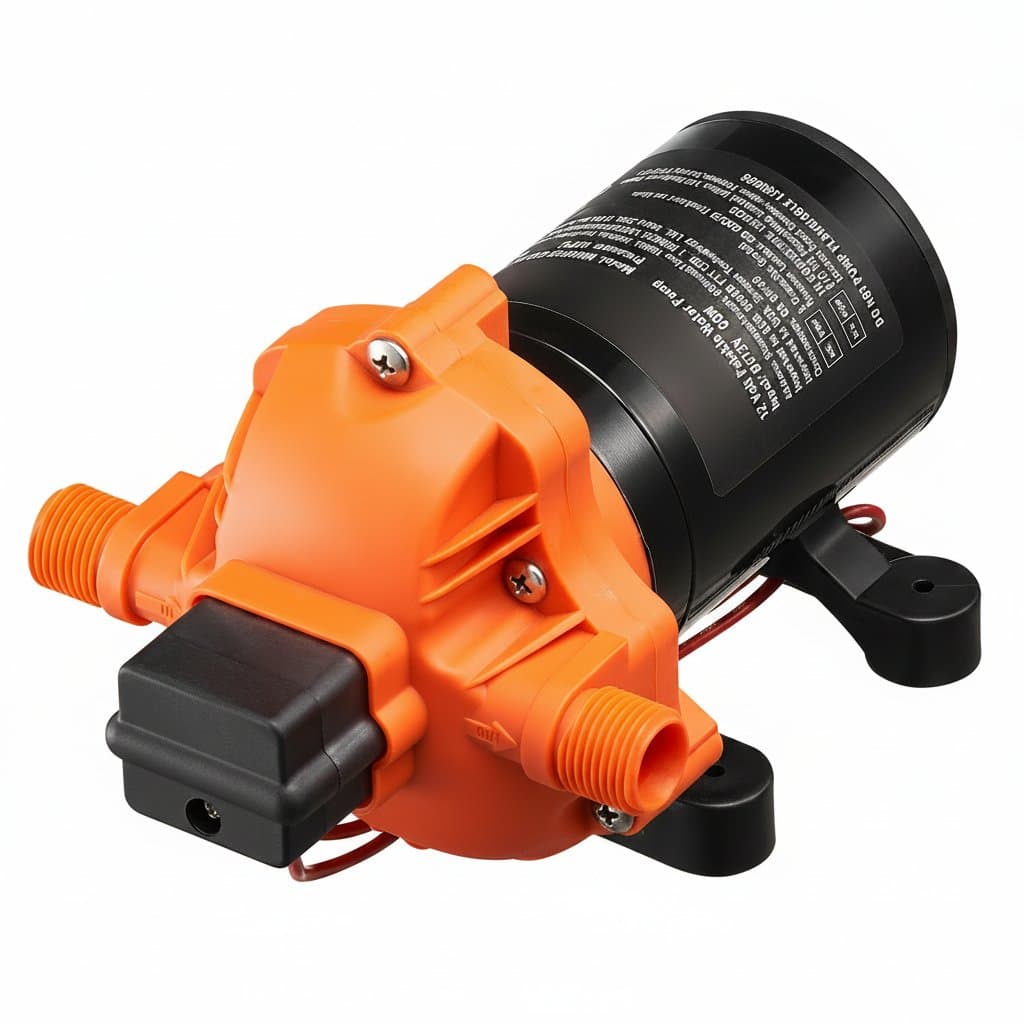
SucceBuy 12V diaphragm pump with adjustable flow rates from 1.8 to 5 GPM and pressure up to 100 PSI, featuring a 1/2'' MNPT port for RV, yacht, food truck, and camper applications.12V Diaphragm Water Pump£205.99-12V DC
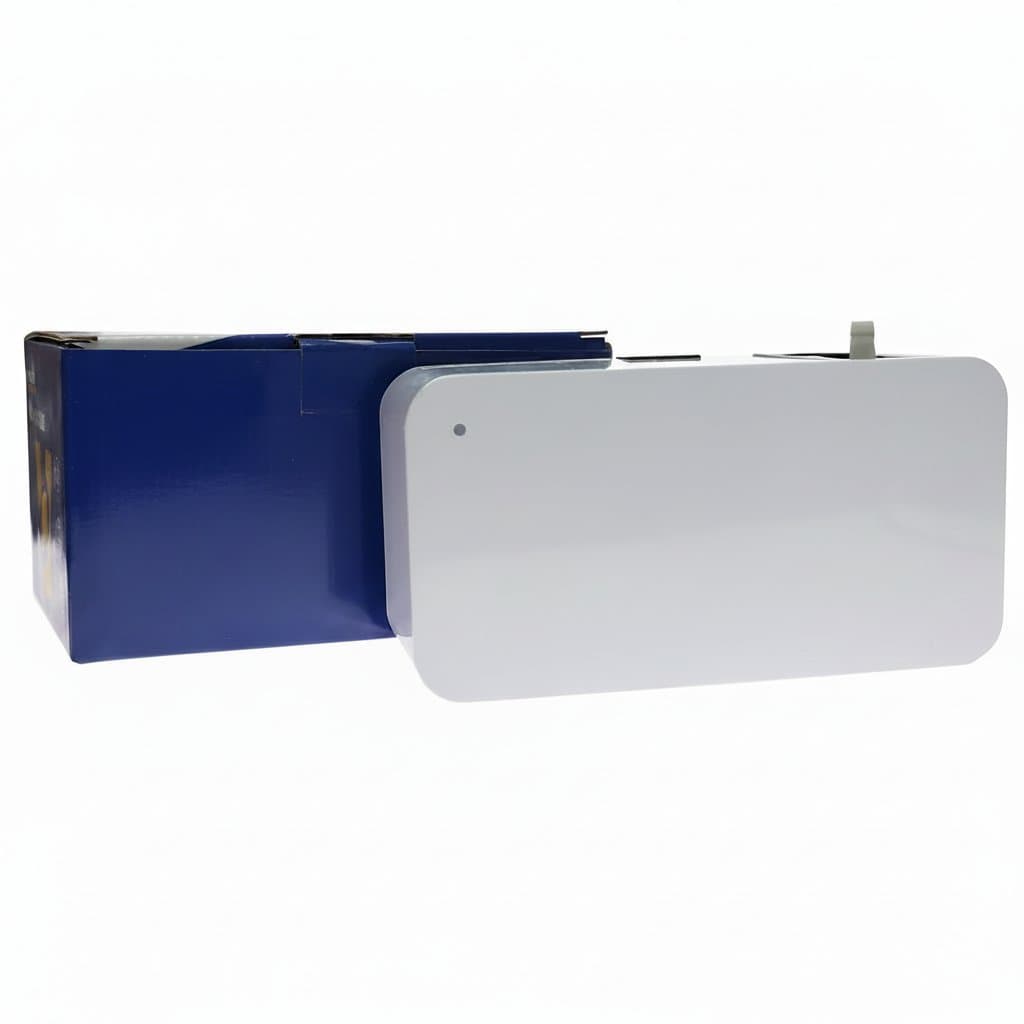
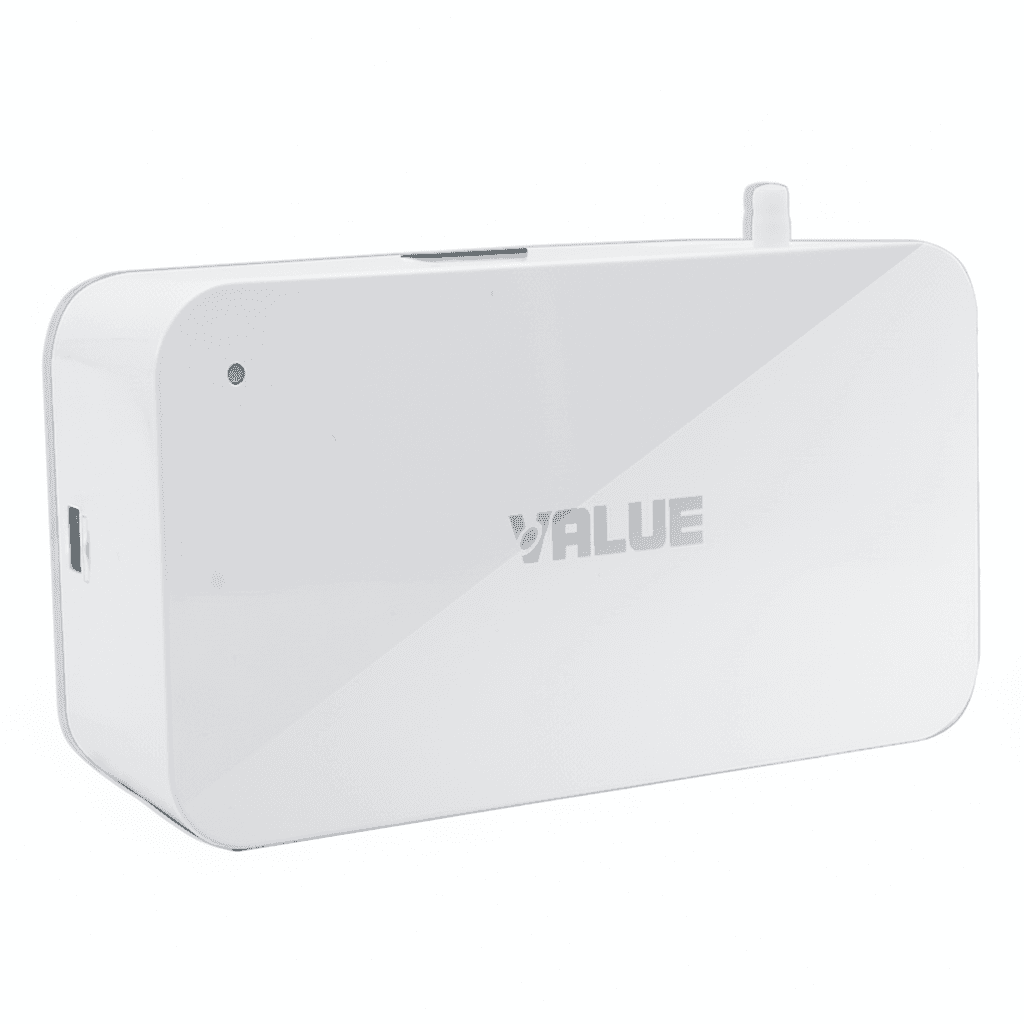
Pump for AC. A white rectangular device.Pump for AC£196.99Condensate Pump100-240V
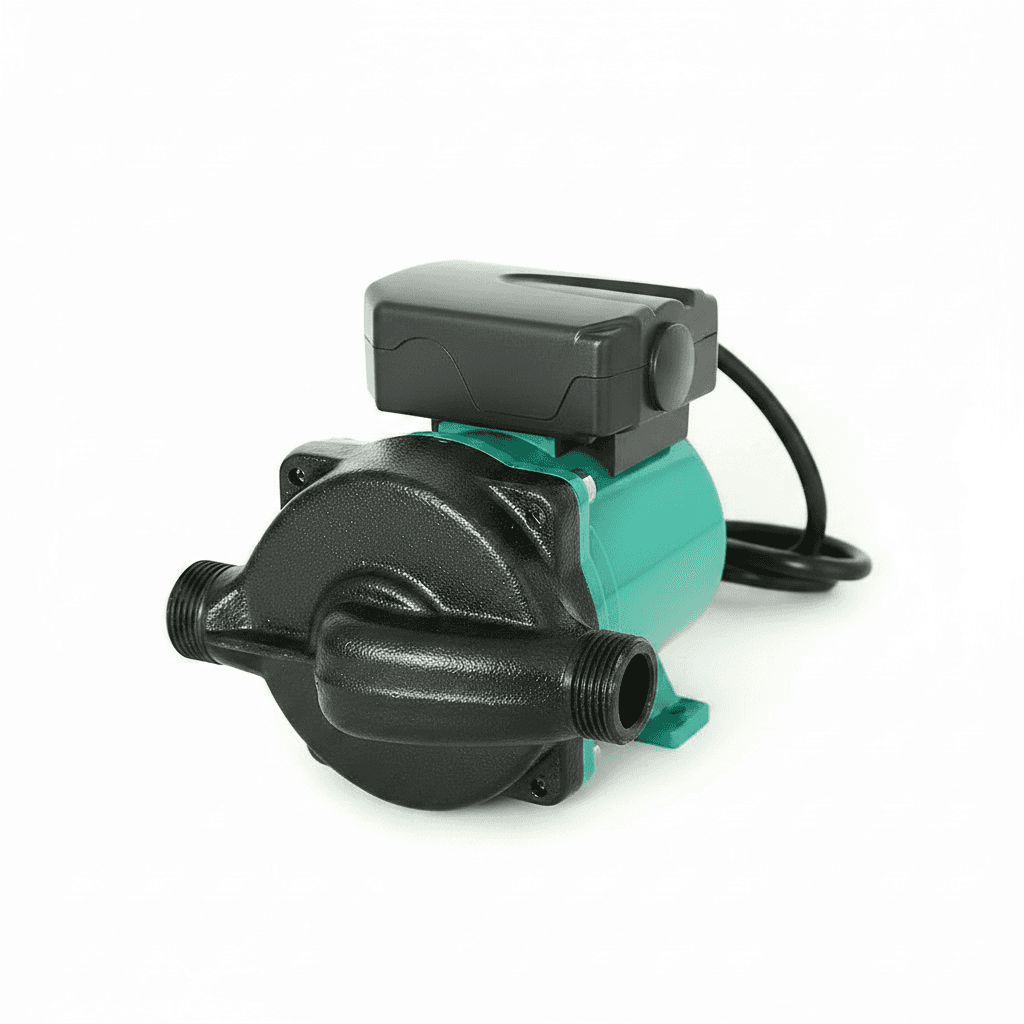
220V 100W ultra-quiet circulation pump for central heating, boiler systems, and hot water, designed for household heating applications.Ultra-quiet 220V Hot Water Circulation Pump£189.99-220V
Condensate pump.Condensate Pump£176.99-DC12V/24V

Diaphragm or centrifugal

A diaphragm pump moves water by flexing a membrane in a chamber with one way valves either side. Because it displaces a fixed volume each stroke it can pull air out of the inlet line, which is what self priming means, and it can lift water from below itself without being filled first.

A centrifugal pump throws water outward with a spinning impeller. It moves much more water for its size and cost and it does it smoothly, but an impeller spinning in air does nothing at all, so the pump must be filled before it will move anything. It also relies on the water for cooling and lubrication of its seal.

That gives a simple rule. If the pump sits above the water, or will be switched on before anyone checks, choose diaphragm. If it is fed by gravity or a pressurised supply and needs volume, choose centrifugal.

Which type suits the job
DiaphragmCentrifugal
Self primingYesNo, must be filled
Runs dryBriefly, without damageDamages the seal quickly
FlowModest, pulsingHigh, smooth
Typical useTransfer, spraying, caravan and marine supplyBooster and circulation

Flow and head describe the same curve

Every pump is quoted with a maximum flow and a maximum head, and it never delivers both at once. Maximum flow is what it moves with nothing to push against; maximum head is the height at which flow has fallen to zero. Real duty sits somewhere on the curve between them.

That is why a pump quoted at a generous number of litres a minute can disappoint in a system with vertical lift and a long hose. Work out the actual lift plus the friction in the pipe, then look for a pump that still gives the flow you need at that figure.

Pipe size is usually the cheapest lever. Friction loss rises steeply as bore falls, so a longer run in slightly larger hose often delivers more than a bigger pump through the original hose, and costs a fraction as much.

Pressure switches, accumulators and short cycling

Many 12 volt diaphragm pumps have a built in pressure switch, so they start when a tap opens and stop when pressure builds again. That makes them behave like a mains supply on a boat, caravan or site cabin without any extra control.

The nuisance is cycling. Open a tap slightly and the pump starts and stops rapidly as pressure fluctuates, which is noisy, wears the switch and pulses the flow. A small accumulator, a tank with an air cushion behind a diaphragm, absorbs those fluctuations and lets the pump run in longer, quieter bursts.

Where the pump feeds equipment rather than a tap, the same problem appears at low draw. Fitting an accumulator is almost always cheaper than replacing pumps that have worn out their pressure switches.

What the pump is allowed to move

The wetted parts, meaning the diaphragm, valves and seals, decide what a pump can handle. A pump made for clean water may swell, harden or dissolve if used with fuel, solvent or a chemical dose, and the failure is usually a leak rather than a stoppage.

Dosing and chemical transfer pumps exist precisely because of this, with material sets chosen for the fluid. Where the listing states a material for the diaphragm and seals, match it against what you are moving rather than assuming that a pump that looks similar will cope.

Solids are the other limit. Diaphragm pumps pass small particles reasonably well because of their valve design; centrifugal pumps in this class do not, and a pump drawing from an open tank should have a strainer on the inlet whatever type it is.

James Whitfield, Equipment Desk editor at Compel GroupJames WhitfieldEquipment Desk

James edits the machine and equipment buying guides. The specifications on these pages are the declared figures from the live listings we hold, with a note wherever a number comes from a published standard instead. Pages are re-checked as the catalogue changes.

Share
Add Compel Group as a preferred source on Google

12V water pumps and transfer pumps

See the full range

Buying guide

12V Water Pumps and Transfer Pumps questions

What does self priming actually mean?
The pump can clear air out of its inlet line and start moving water without being filled first, which lets it sit above the water it is drawing from. Diaphragm pumps do this; centrifugal pumps must be primed.
Can a water pump run dry?
A diaphragm pump tolerates it briefly. A centrifugal pump relies on the water to cool and lubricate its seal, so running it dry damages the seal quickly and often permanently.
Why does my pump deliver less than its rating?
Maximum flow assumes nothing to push against. Real duty sits on the curve between maximum flow and maximum head, so vertical lift and pipe friction both reduce it. Going up a hose size is usually the cheapest fix.
Why does my pump keep clicking on and off?
Short cycling on the pressure switch when the draw is small. Fit an accumulator, which uses an air cushion to absorb pressure fluctuations so the pump runs in longer, quieter bursts.
Can I pump fuel or chemicals with a water pump?
Only if the diaphragm, valves and seals are rated for it. The wrong materials swell, harden or dissolve, and the usual failure is a leak. Match the stated wetted materials to the fluid.
Do I need a strainer on the inlet?
On anything drawing from an open tank or container, yes. Diaphragm pumps tolerate small particles better than centrifugal ones, but neither is improved by grit reaching the valves or impeller.

We use cookies. Some keep the store working, others show us what to fix. No third-party trackers, and we never sell your data. Learn more about cookies and your privacy