
Hand & Siphon Pumps
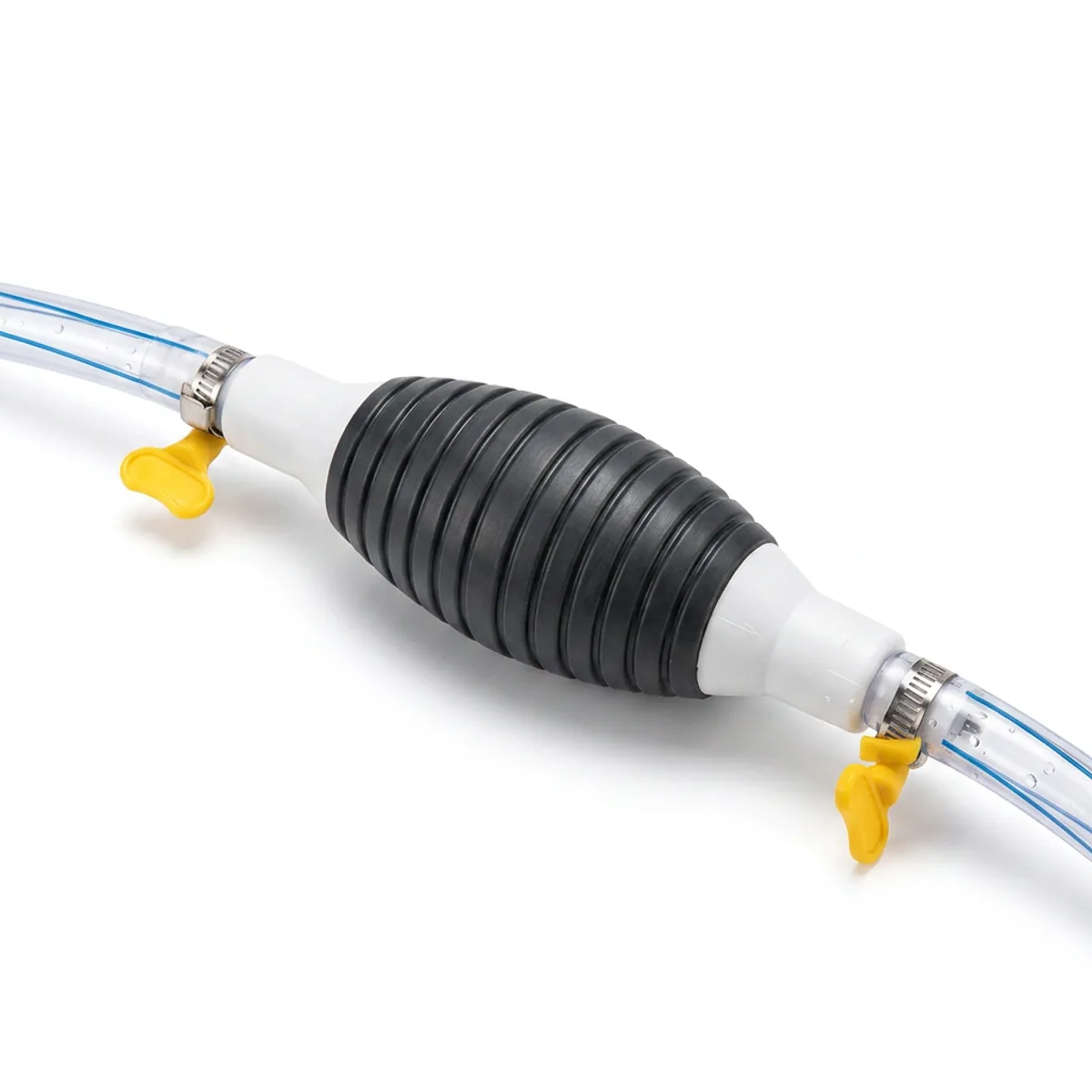
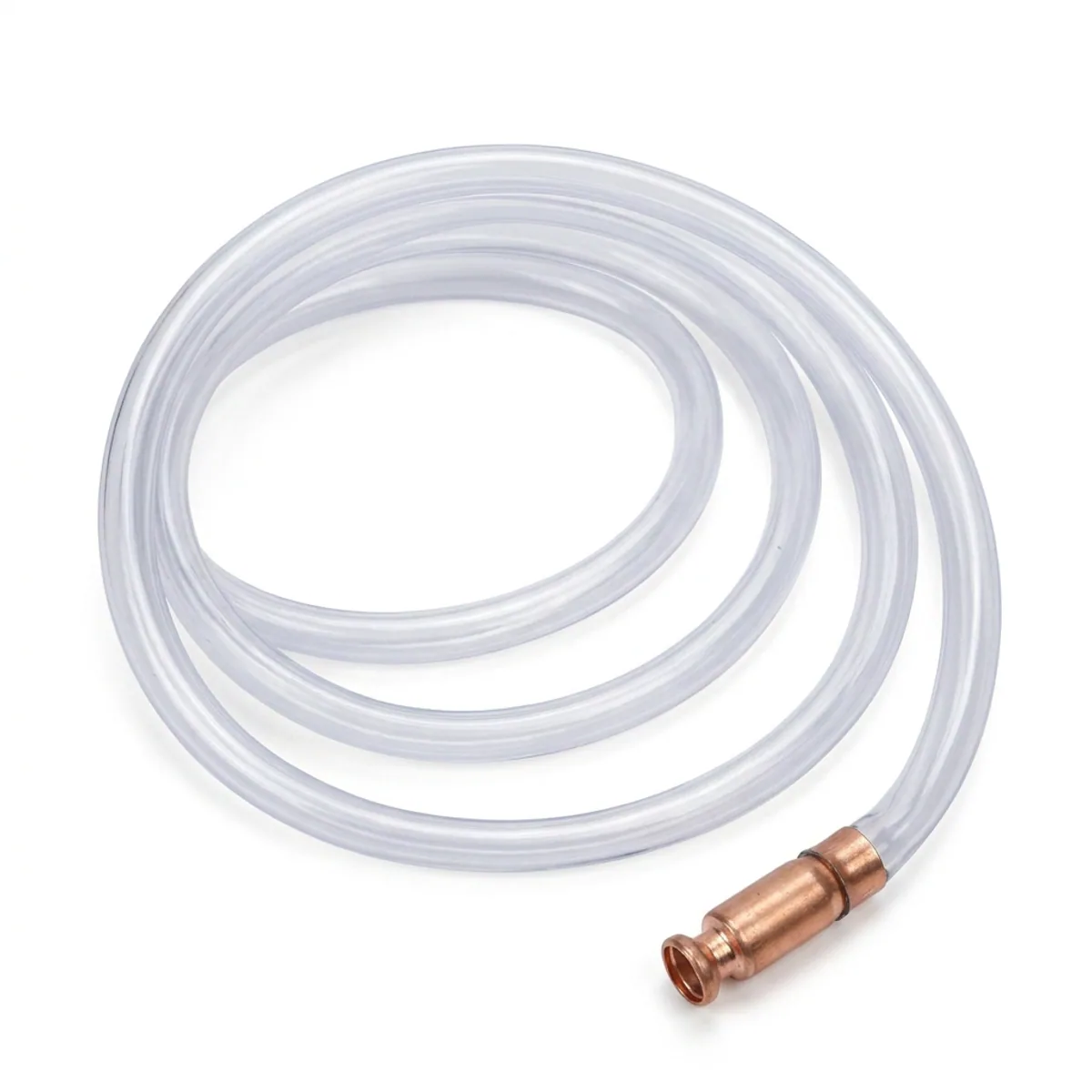
Siphon Pump Kit | 1.5m Fuel Hose | Car and Truck Liquid Transfer
TBS-06818PUMP-00043
£52.99
30 products available
Compel supplies professional-grade hand fuel pump units and siphon pump assemblies for maintenance facilities, commercial fleet depots, and industrial plants. When powered transfer pumps are unavailable or hazardous, a dependable manual fuel pump provides controlled dispensing and fluid evacuation. Our inventory covers heavy-duty primer bulbs, manual suction syringes, shaker assemblies, and lever-action drum press heads designed for routine workshop and site service.
Whether technicians need a hand pump for fuel lines or an oil pump extractor for gearboxes, we stock reliable configurations built from fuel-grade rubber, PVC, brass, and aluminum alloy. Compel delivers tested transfer equipment directly to your site with consistent stock availability and rapid international dispatch.
30 products in Hand & Siphon Pumps
Hand & Siphon Pumps
Hand & Siphon Pumps
Showing page 2 of 2 (30 products)
Different maintenance routines demand distinct pumping actions. Primer bulbs and squeeze assemblies use continuous manual compression to initiate gravity flow, making them ideal as an emergency siphon pump for fuel tanks and drums. For measured fluid extraction, manual syringe pumps provide calibrated suction to pull exact volumes from reservoirs without spillage.
Bulk transfer from 200-litre containers requires a mechanical drum press head or lever action unit. Self-priming shaker pumps offer rapid fuel transfer without electric power by using an internal check valve activated through vertical oscillation.
Matching the pump material to the media is necessary to prevent seal degradation and fluid contamination. Petrol, diesel, engine oil, and hydraulic fluid degrade standard plastics over time. Industrial transfer assemblies use oil-resistant rubber bulbs, clear PVC transfer hoses, and aluminum alloy fittings to maintain vacuum integrity.
For heavier lubricants and non-corrosive workshop liquids, check fluid ratings closely. Syringe extractors built with chemical-resistant plungers handle aggressive fluids like brake fluid and gear lube, whereas standard fuel siphon tubes target light petroleum distillates, diesel, and water.
Hose dimensions determine transfer speed and access clearance. Most standard hand siphon systems feature an 8 mm inner diameter hose with lengths ranging from 1 m to 2 m. Shorter 20 cm or 200 mm rigid tubes suit precise syringe work in tight engine bays.
Look for integral backflow prevention valves to prevent fluid drain-back and maintain prime between pump strokes. For marine gearboxes and lower units, select units equipped with threaded adapters, such as a 3/8-inch metal swivel fitting, to ensure a leakproof mechanical seal during oil injection.
Buying guide
We use cookies. Some keep the store working, others show us what to fix. No third-party trackers, and we never sell your data. Learn more about cookies and your privacy