
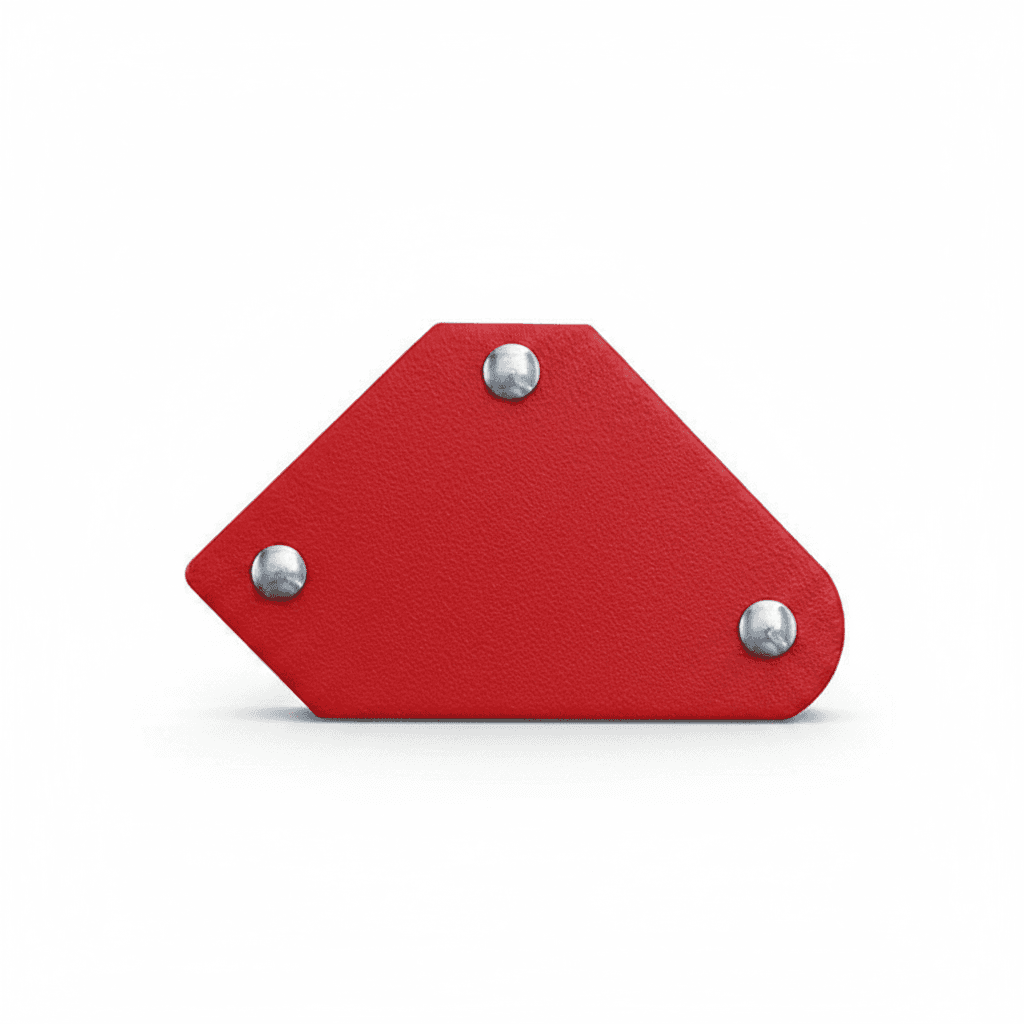
Welding Squares
Welding Square | 9LB Arrow Holder | 45/90/135 Degree Positioning
CMP-04500WELD-00567
£55.99
3 products available
Welding squares are welding angle tools for accurately positioning and holding metal workpieces. They ensure precise angles during fabrication, welding, and soldering tasks. Primarily used by welders, fabricators, and electronics technicians, these tools secure components at fixed angles like 45°, 90°, and 135°. This allows for hands-free operation, improving both accuracy and safety.
Compel offers both fixed angle welding squares and adjustable soldering holders. Fixed angle models provide strong magnetic force for heavy-duty welding, while adjustable 'helping hands' types are ideal for delicate electronics repair. These tools are built for industrial environments, using materials like ferrite magnets and durable steel. By focusing on core professional needs, we provide reliable positioning tools that meet the demands of daily trade work.
3 products in Welding Squares
Welding Squares
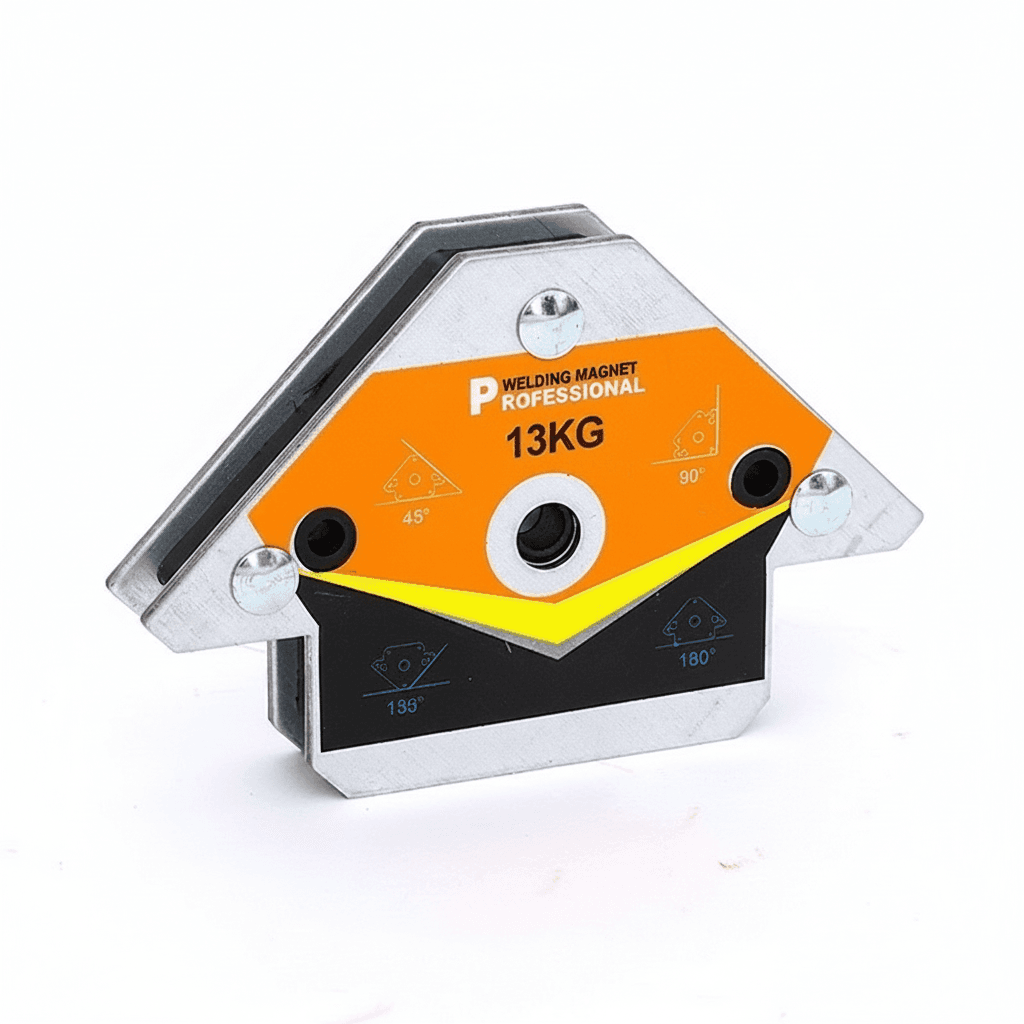
Welding Squares
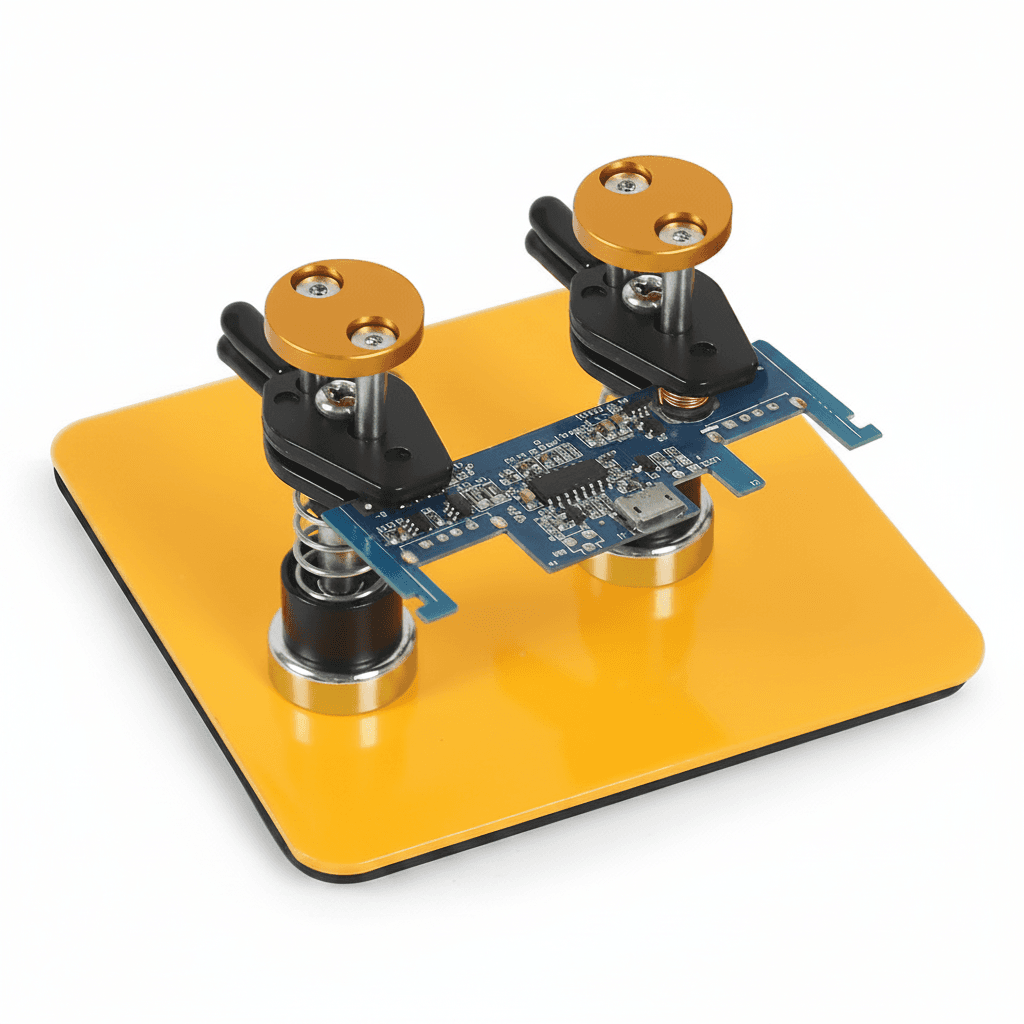
Welding Squares
The term 'welding squares' can refer to two distinct tool types for different trades. For metal fabrication, you need a magnetic welding square. These use powerful magnets made of ferrite or steel to hold workpieces at set angles. They are designed for strength and simplicity in welding and assembly.
For electronics repair and soldering, an adjustable soldering holder is the correct tool. Often called 'helping hands', these units feature a stable magnetic base with flexible arms and clips. They are designed to securely hold printed circuit boards (PCBs), wires, and small components, not for heavy fabrication.
When selecting a fixed angle welding square, holding force is the main specification. A force of around 9 lb (approx. 4 kg) is sufficient for light sheet metal or small parts. For heavier structural work, look for a higher capacity, such as 13 kg, to prevent shifting during tack welding.
The material, typically a ferrite magnet or magnetic steel, determines this strength. Also, confirm the available angles. Most common arrow-style locators provide 45°, 90°, and 135° angles, which are standard for many common joint setups in fabrication.
Buying guide
We use cookies. Some keep the store working, others show us what to fix. No third-party trackers, and we never sell your data. Learn more about cookies and your privacy