
Welding Electrodes & Rods
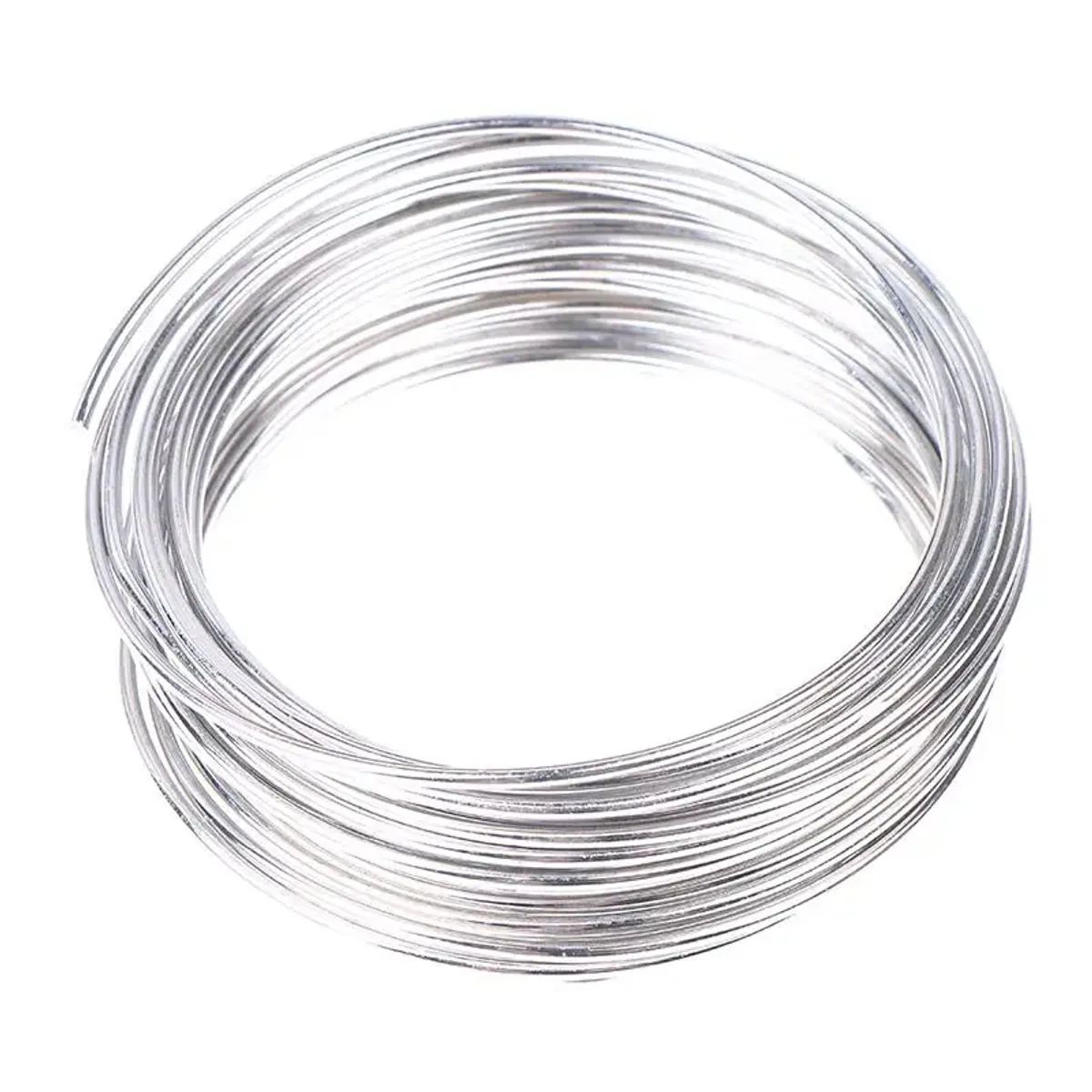
Low-Temp Aluminum Welding Rods | 1.6mm & 2.0mm Cored Wire | Easy-Melt for DIY & Metal Repair
TBS-02173WELD-00208
£25.99
3 products available
Compel supplies industrial welding electrodes for fabrication shops, structural contractors, and manufacturing plants. Our inventory includes manual metal arc stick electrodes, TIG filler wire, and spool options for production and plant maintenance. We support jointing tasks across carbon steel, stainless steel grades like 304 and 316L, and non-ferrous alloys.
From high-volume structural work using 6013 welding rods to alloy casting repair with aluminium welding rods and cast iron welding rods, we provide dependable batch metallurgy. Every product listing displays exact AWS specifications and dimensional sizes, helping procurement teams source the right welding rods for shop floor standards.
3 products in Welding Electrodes & Rods
Welding Electrodes & Rods
 Out of stock
Welding Electrodes & Rods
 Out of stock
Welding Electrodes & Rods
Stick welding (SMAW) selection begins with matching the electrode classification to your base metal and joint position. Common carbon steel fabrications rely on rutile and basic coated rods with specific mechanical properties.
Check the AWS classification on the product datasheet to ensure compatibility with your shop welding procedures and position requirements.
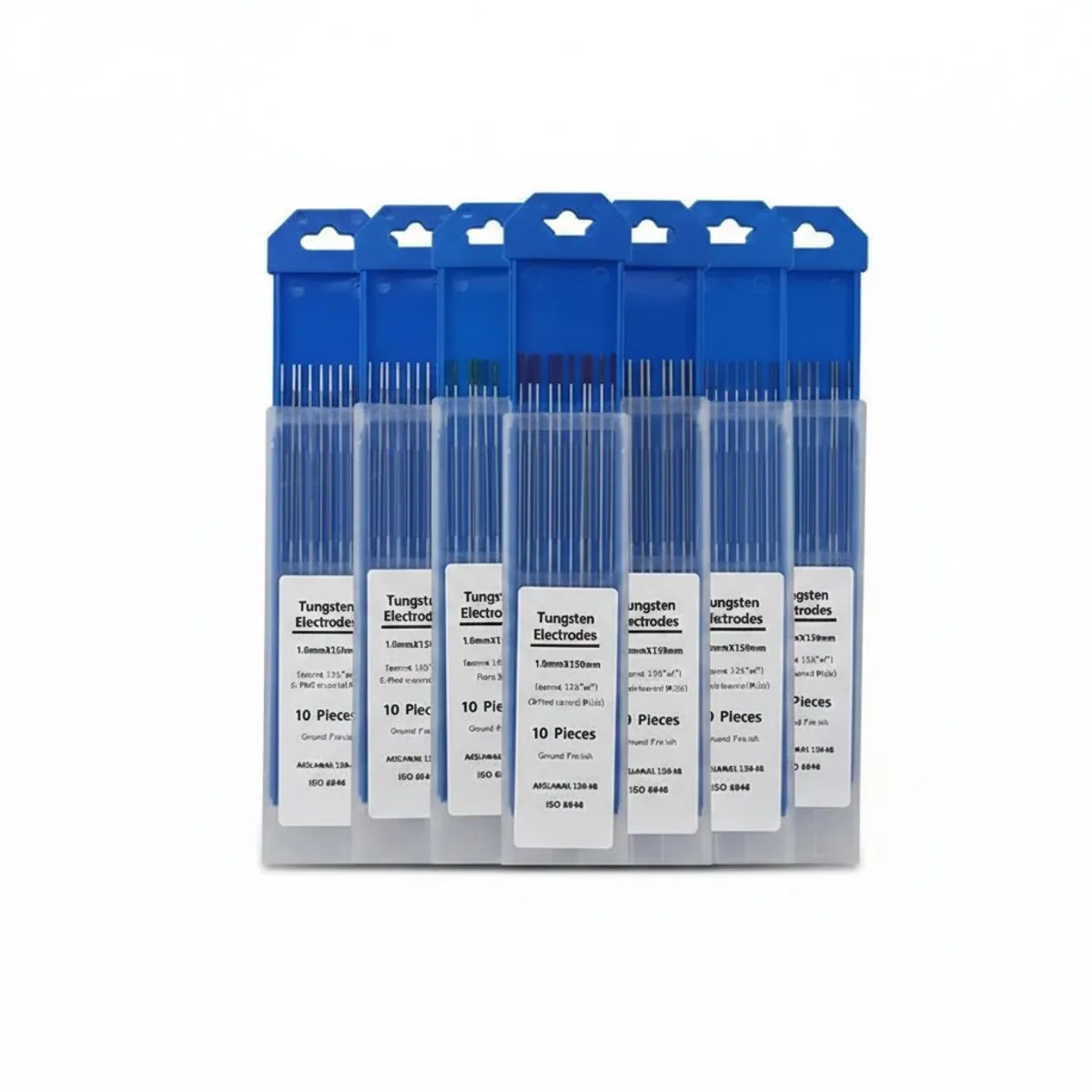
Choosing the right electrode diameter controls heat input and deposition rates. Undersized rods slow down heavy production passes, while oversized rods burn through thin cross-sections. Compel stocks electrode diameters ranging from 1.0mm up to 4.0mm.
For thin sheet metal, select 1.0mm, 1.6mm, or 2.0mm diameters to minimize thermal distortion. Structural joints, thick plates, and multi-pass bevels perform better with 2.4mm, 2.5mm, 3.0mm, 3.2mm, or 4.0mm rods to maintain stable arc transfer and fill volume.
Non-ferrous materials and alloy steels demand matched filler rods to avoid corrosion, cracking, or weld embrittlement.
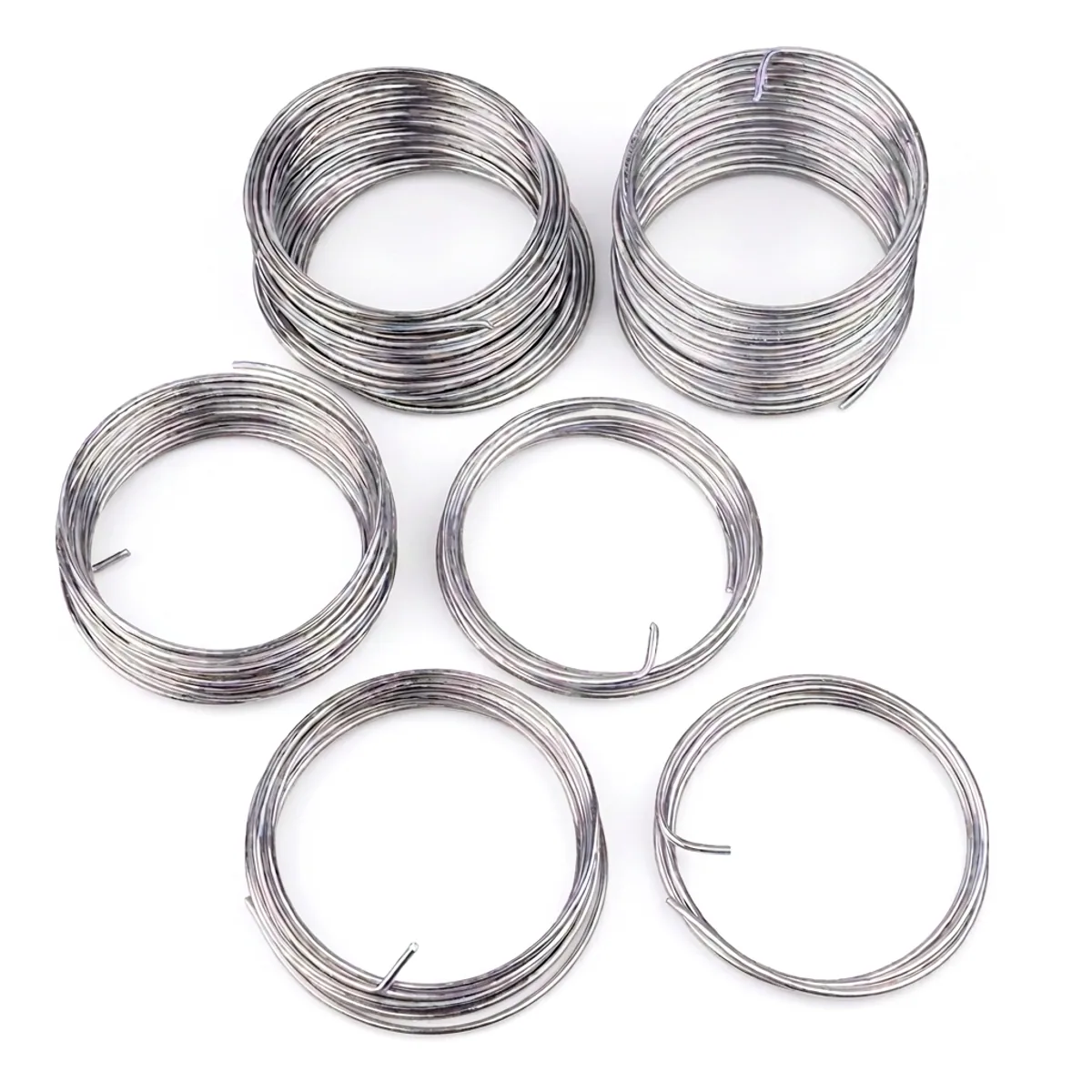
For stainless steel assemblies, choose AWS E308-16 stick rods or bare filler for 304, 308, and 316L materials. For alloy casting repairs and non-ferrous assemblies, ER4047 aluminium silicon rods supply good fluidity, while ERCuSi-A silicon bronze wire handles bronze brazing and dissimilar joints across TIG and MIG processes.
Buying guide
We use cookies. Some keep the store working, others show us what to fix. No third-party trackers, and we never sell your data. Learn more about cookies and your privacy