Vices & Clamps
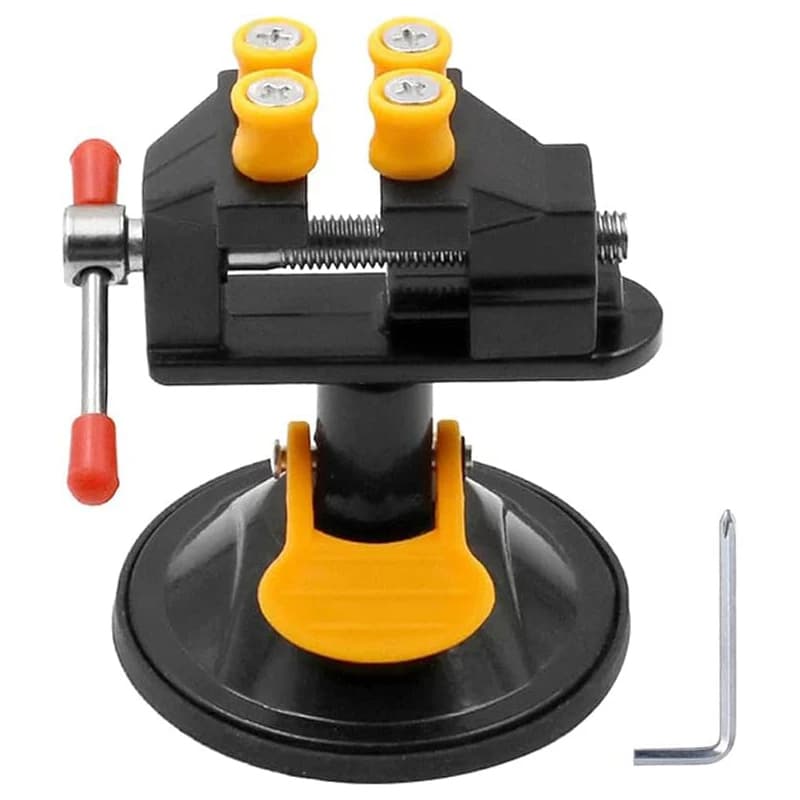
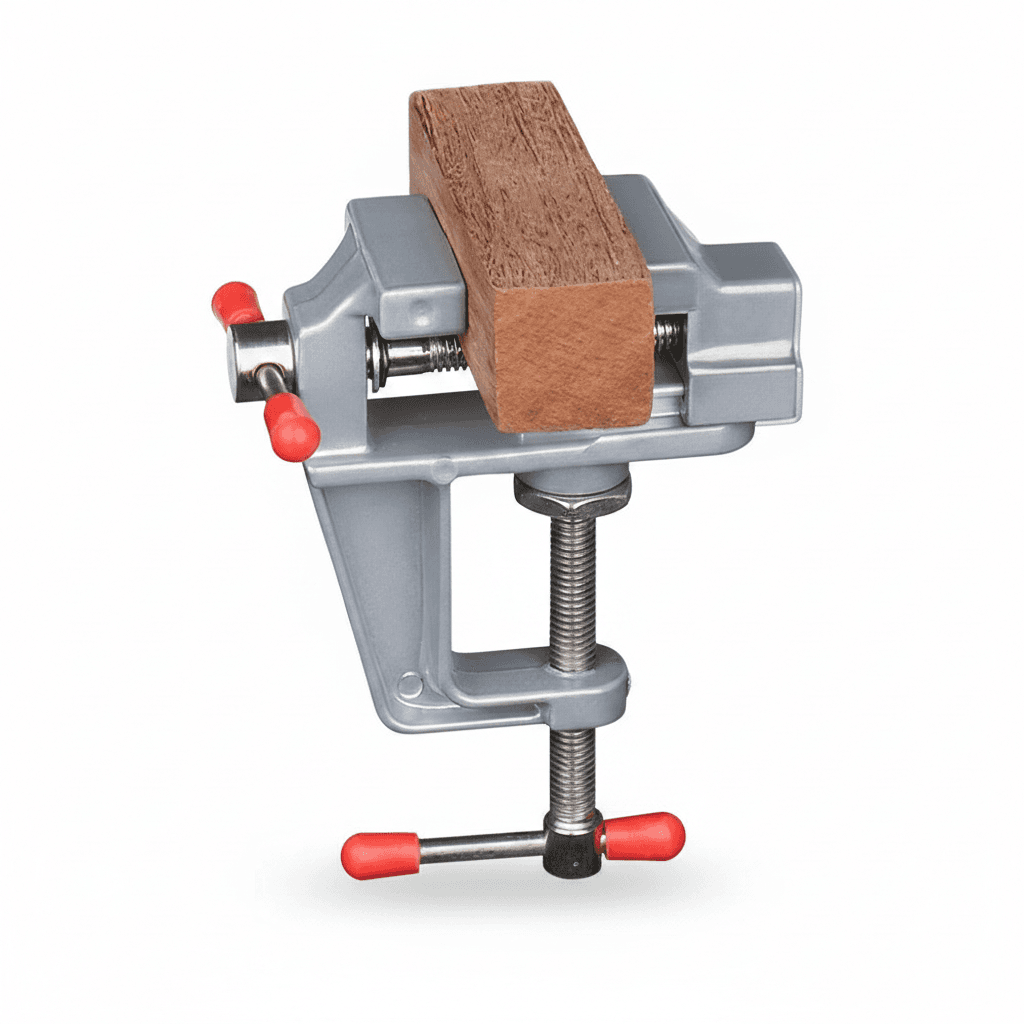
Bench Vice | Hobby Table Clamp | For Jewelry Making & Crafts
CMP-04505VICE-00001
£95.99
2 products available
Vices and clamps are fundamental work holding tools used across trade and industry to securely hold a workpiece during machining, fabrication, or assembly. The category includes stationary bench vices, machine vices for milling or drilling, and portable options like G-clamps and bar clamps. These tools ensure stability, which improves accuracy, safety, and the quality of the finished work. They are indispensable in machine shops, maintenance departments, and electronics labs.
Compel provides a focused selection of industrial vices tailored for precision applications. Our range centers on compact bench vices, including mini and jewelry bench vice models ideal for detailed tasks such as engraving, craft, and fine electronics assembly. These work holding clamps are selected for their adjustability and suitability for delicate components. For reliable and precise workpiece positioning in detailed applications, our vices offer the control required by technicians and artisans.
The primary distinction lies in function and portability. Vices are typically mounted to a workbench or a machine tool. Bench vices provide a stable, fixed platform for general workshop tasks, while machine vices are precision-engineered to hold work on drill presses or milling machines.
Clamps, such as G-clamps and bar clamps, are portable tools used to temporarily hold components together for gluing, welding, or assembly. They offer flexibility in positioning but are not a substitute for a fixed vice when high stability is needed. Our catalog focuses on specialized bench vices designed for precision work holding.
The type of bench vice you need depends entirely on the application. Large, heavy-duty cast iron vices are for general fabrication and repair, designed to withstand high torque and impacts. These are different from the specialized vices available here.
Our selection is geared toward precision. Jewelry and mini bench vices are smaller, with finer screw threads for controlled pressure. They are built for intricate tasks where over-tightening could damage the workpiece. Models with features like a 360° rotating head allow the user to adjust the workpiece angle without unclamping it, which is critical for engraving or detailed assembly.
How a vice mounts is a key consideration. Most heavy industrial vices are bolted directly onto a workbench for maximum rigidity. This permanent mounting is ideal for high-force applications.
The vices in our range often feature a table clamp or screw clamp mounting system. This allows the vice to be quickly attached to or removed from a benchtop or table. This mounting style is well-suited for labs, craft workshops, and light-duty stations where a permanent vice is not practical. It provides sufficient stability for the intended applications, such as holding small parts for drilling, jewelry making, and fine woodworking.
Buying guide
We use cookies. Some keep the store working, others show us what to fix. No third-party trackers, and we never sell your data. Learn more about cookies and your privacy