
Solder & Brazing Rods
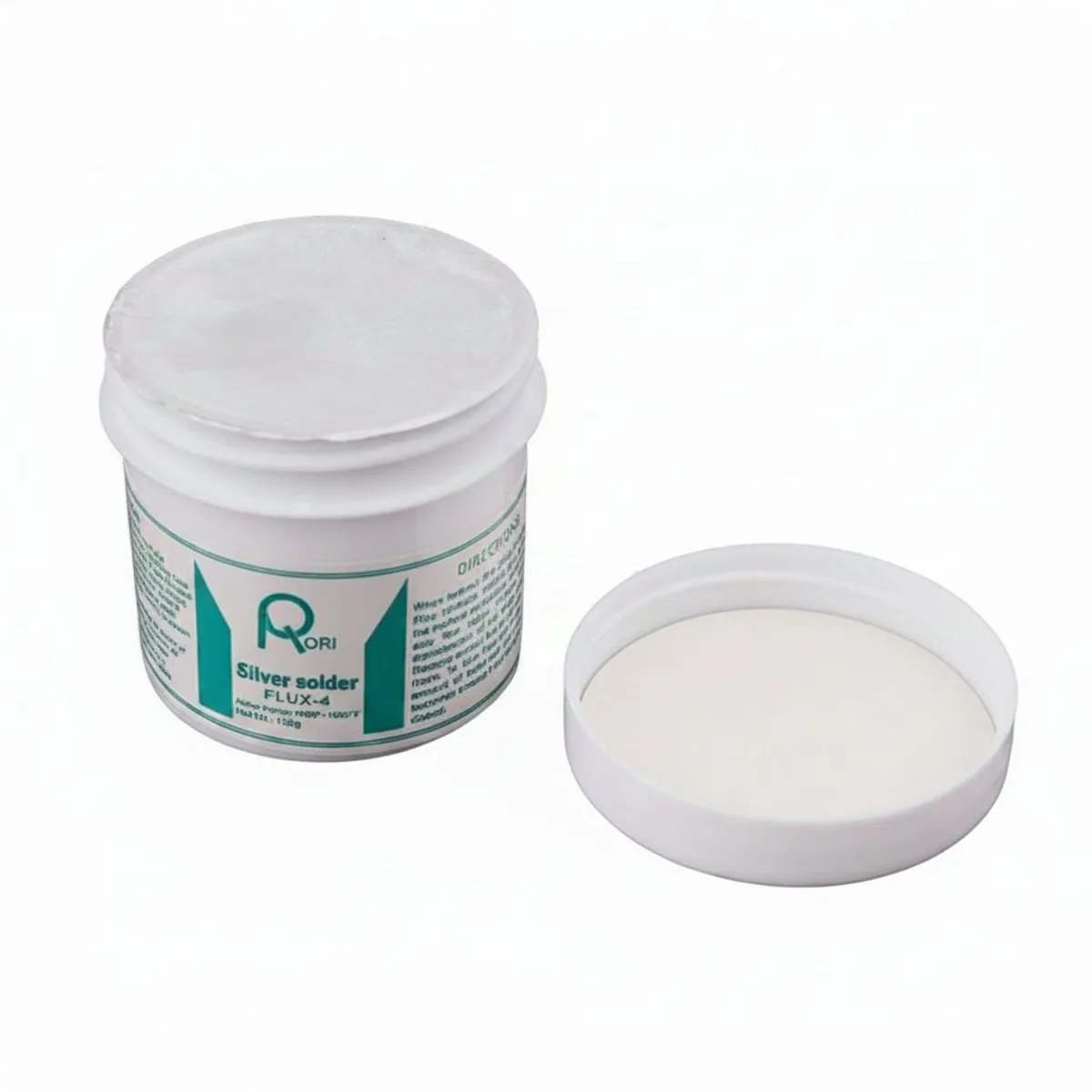
Silver Solder Paste | High-Strength Flux for Copper & Aluminum Welding | 30g/50g
TBS-02123WELD-00172
£29.99
1 product available
Selecting the proper silver solder and brazing alloys determines whether a pressurized line holds or fails under load. Compel supplies commercial trades and plant operations with production-grade brazing rods, filler wires, and fluxed sticks built for thermal systems and machine repairs. Our selection includes standard copper brazing rods for refrigeration circuits, high-strength silver brazing rods for vibration resistance, and multi-metal fillers for shop maintenance.
Whether you are stocking field service vans with a dedicated silver solder kit or outfitting plant fabrication cells, we supply exact alloy chemistries. Trade accounts receive consistent metallurgy, fast industrial dispatch, and clear technical documentation on every order.
1 products in Solder & Brazing Rods
Matching the filler alloy to your parent metals prevents brittle joints and galvanic degradation. Phosphor copper and phosphorus-copper alloys containing silver, such as AWS Classification BCuP-5 or 15% silver alloy, are the industry benchmark for air conditioning and refrigeration brazing. The phosphorus content acts as a fluxing agent on pure copper joints, speeding up installation times.
For general plant maintenance involving dissimilar metals, brass alloys like HS221 join copper, iron, steel, and carbide tools. For aluminum bronze assemblies and demanding welding filler jobs, aluminum bronze ERCuAl rods provide specialized chemistry for TIG welding and brazing.
Physical format dictates feeding speed and joint penetration during torch or TIG operations. Flat profile rods sit securely inside pipe sockets and deliver more surface contact against tube shoulders, making them common for HVAC technicians brazing copper lines. Round rods and spooled wires provide even feeding for manual gas torch or automated filler setups.
Compel stocks straight rods in 250 mm, 254mm (10 in), and 40 cm / 50 cm lengths in packs of 20, 30, 40, or 50 pieces. Continuous brazing wire comes in 5 m coils and 10 m spools in diameters of 1.6 mm, 2.0 mm, 2.5 mm, and 3.0 mm for ongoing repair work.
Bare phosphor-copper filler requires no flux when joining clean copper-to-copper tubing. The metallurgical reaction between phosphorus and copper oxide cleans the surface during heating, simplifying work on overhead HVAC lines.
When joining copper to brass or running field repairs where surface conditions vary, flux coated brazing rods eliminate the step of applying separate paste. Flux coated sticks melt cleanly to shield the puddle from atmospheric contamination, ensuring sound bonding across mixed plumbing runs.
Buying guide
We use cookies. Some keep the store working, others show us what to fix. No third-party trackers, and we never sell your data. Learn more about cookies and your privacy