
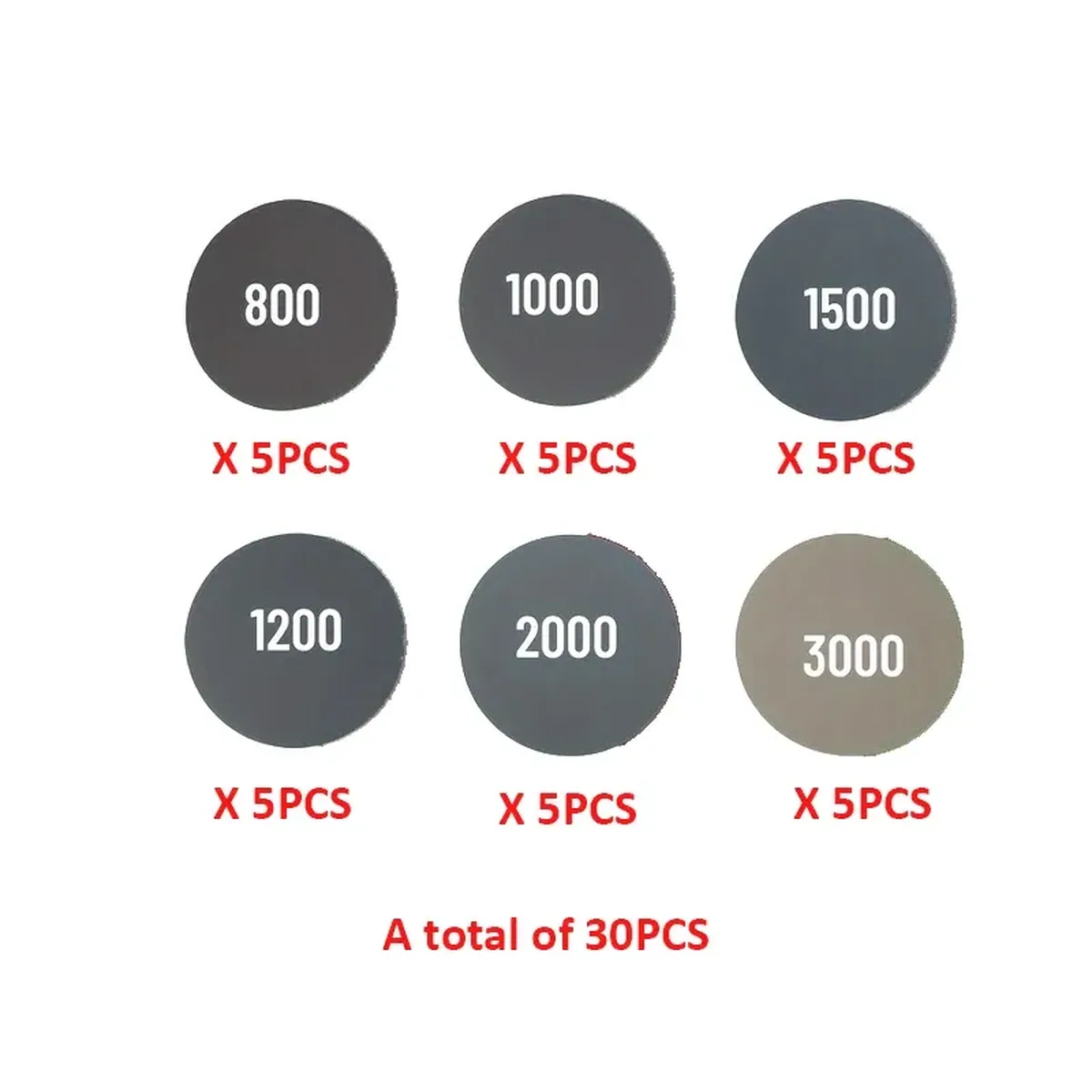
Sanding Sheets
Sanding Sheets | 3-Inch Hook & Loop | 800-3000 Grit Pack
TBS-05993SHEE-00010
£30.99
10 products available
Sanding sheets are abrasive consumables designed for power tools and manual finishing applications. Used with a sheet sander, detail sander, or rotary tool, they provide the consistent abrasion needed for surface preparation, finishing, and polishing across metalworking, woodworking, and automotive trades. Professionals rely on them for tasks from heavy material removal to achieving a mirror-like polish.
Compel stocks sanding sheets for trade and industrial use. Our range includes pre-cut sheets for orbital sanders, triangular pads for detail sanders, and discs for rotary tools and grinders. We stock materials like Aluminum Oxide and Silicon Carbide in grit sizes from a coarse 40 to an ultra-fine 10,000. Find the exact size, material, and grit sanding sheets required for your specific application and tooling.
10 products in Sanding Sheets
Sanding Sheets

Sanding Sheets

Sanding Sheets
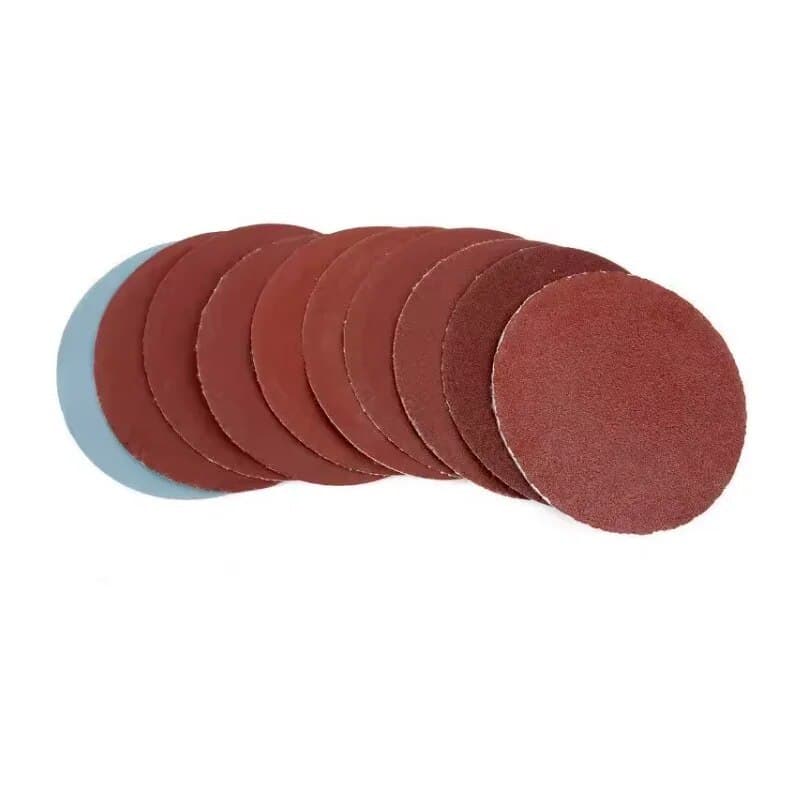
Sanding Sheets

Sanding Sheets

Sanding Sheets

Sanding Sheets

Sanding Sheets
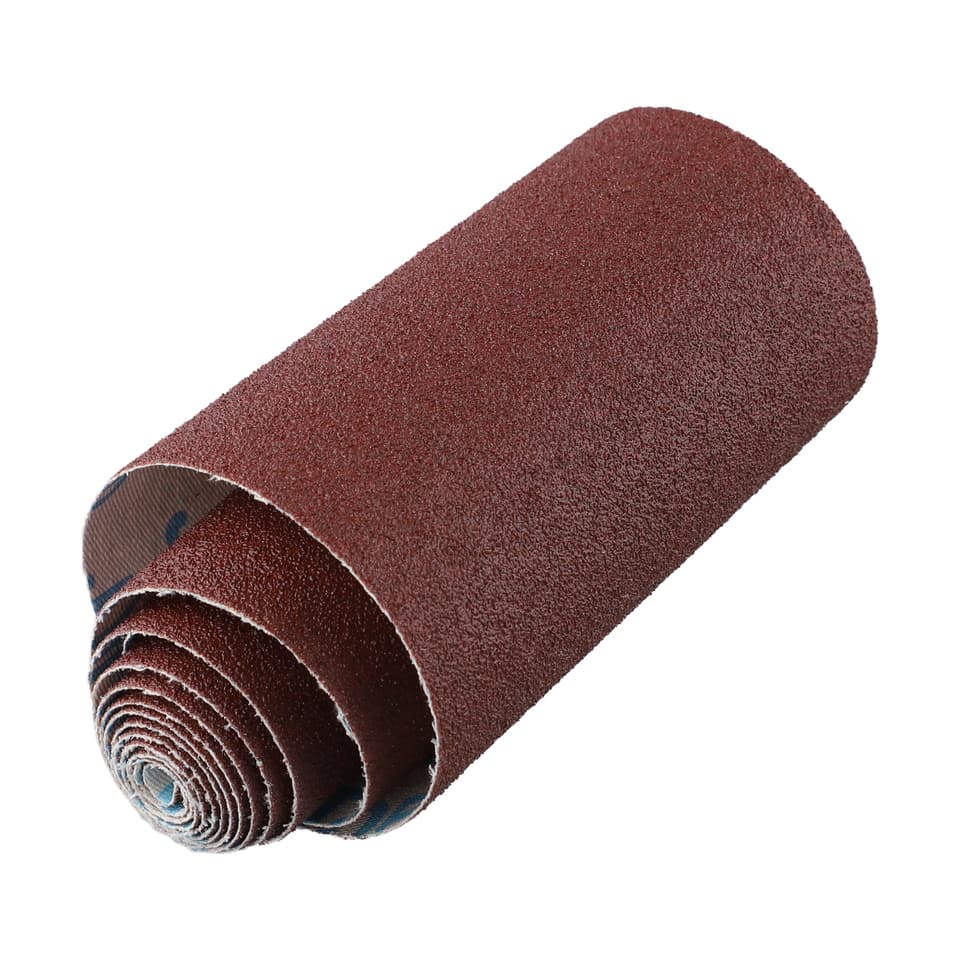
Sanding Sheets

Sanding Sheets
Grit selection is the most critical factor for achieving the desired surface finish. The grit number comes from the mesh used to grade the grain; a lower number means coarser, more aggressive abrasion, while a higher number means finer, smoother abrasion.
For heavy stock removal, paint stripping, or shaping fillers, start with a coarse grit between 40 and 80. For general purpose sanding and smoothing of intermediate surfaces, use a medium grit from 120 to 240. For final finishing before applying coatings or for ultra-smooth surfaces, select fine grits from 400 to 800. For polishing metal or wet sanding clear coats, use very fine to ultra-fine grits, which can range from 1000 to 10,000.
The abrasive material determines the sheet's cutting performance and lifespan on different substrates. Choosing the correct material prevents premature wear and ensures an efficient process.
Aluminum Oxide is a durable general purpose abrasive, making it a standard choice for sanding wood, metal, and painted surfaces. Silicon Carbide is harder and sharper than aluminum oxide. It is highly effective for sanding harder materials and is the preferred choice for wet sanding applications, as it provides a consistent finish on metal, plastic, and automotive clear coats. Emery cloth offers a durable, fabric-backed abrasive ideal for metal polishing and rust removal.
Sanding sheets must match your tool's specific size, shape, and mounting system. Using an incorrect sheet reduces performance and can damage the tool's backing pad.
Orbital sheet sanders typically use rectangular sheets (e.g., 93x185mm) secured by clamps or a hook-and-loop system. Detail or 'mouse' sanders require triangular pads with specific hole patterns for dust extraction. Rotary tools, drills, and grinders use circular discs, available in diameters like 25mm and 50mm, often with a hook-and-loop backing. For custom sizes or manual sanding, cut-to-size rolls provide maximum flexibility.
Buying guide
We use cookies. Some keep the store working, others show us what to fix. No third-party trackers, and we never sell your data. Learn more about cookies and your privacy