 Out of stock
Sandblasting Guns & Kits
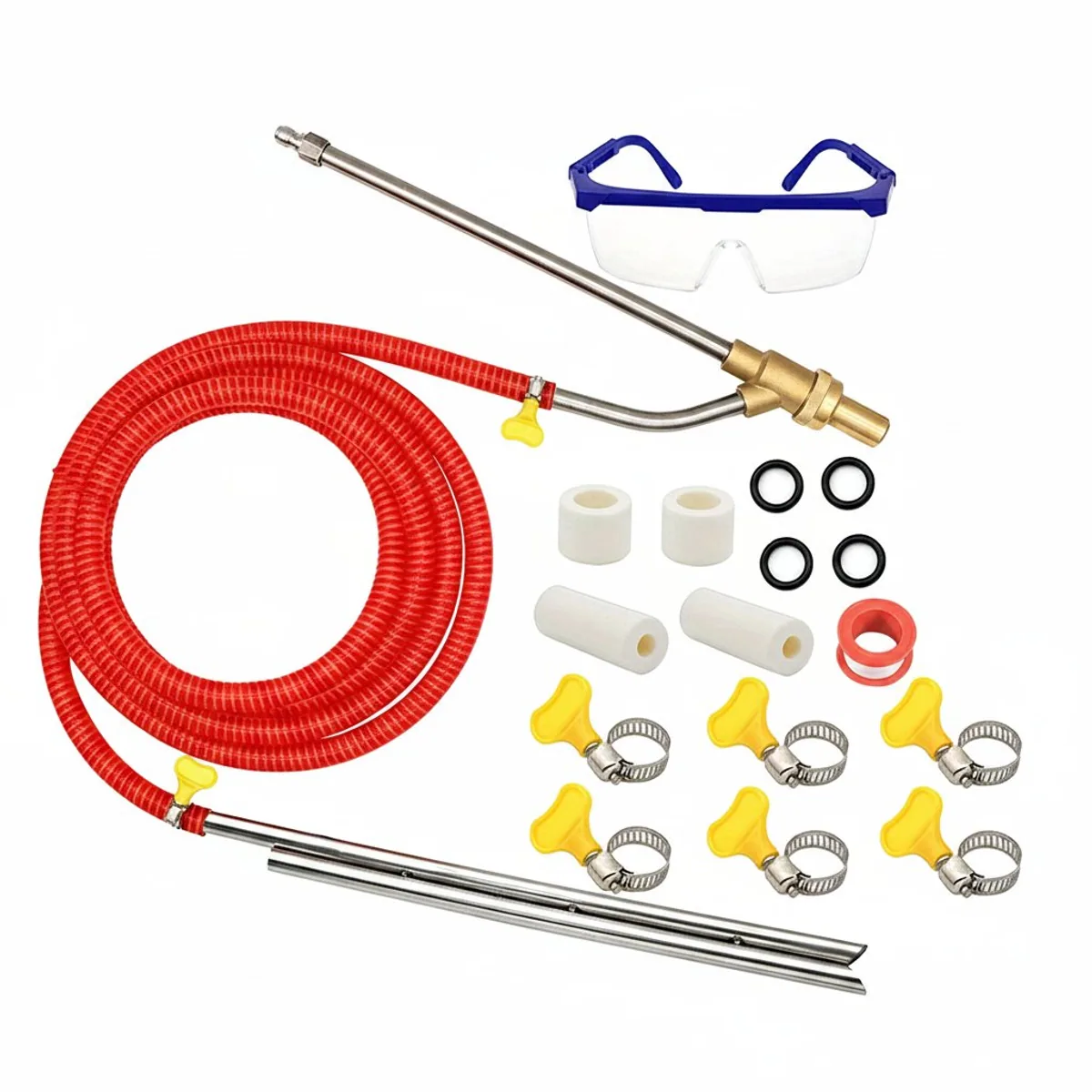
Washer Sandblasting Kit | 5000 PSI Wet Sandblaster Attachment | 1/4 Quick Connect
TBS-05359CLEA-00003
£110.99
2 products available
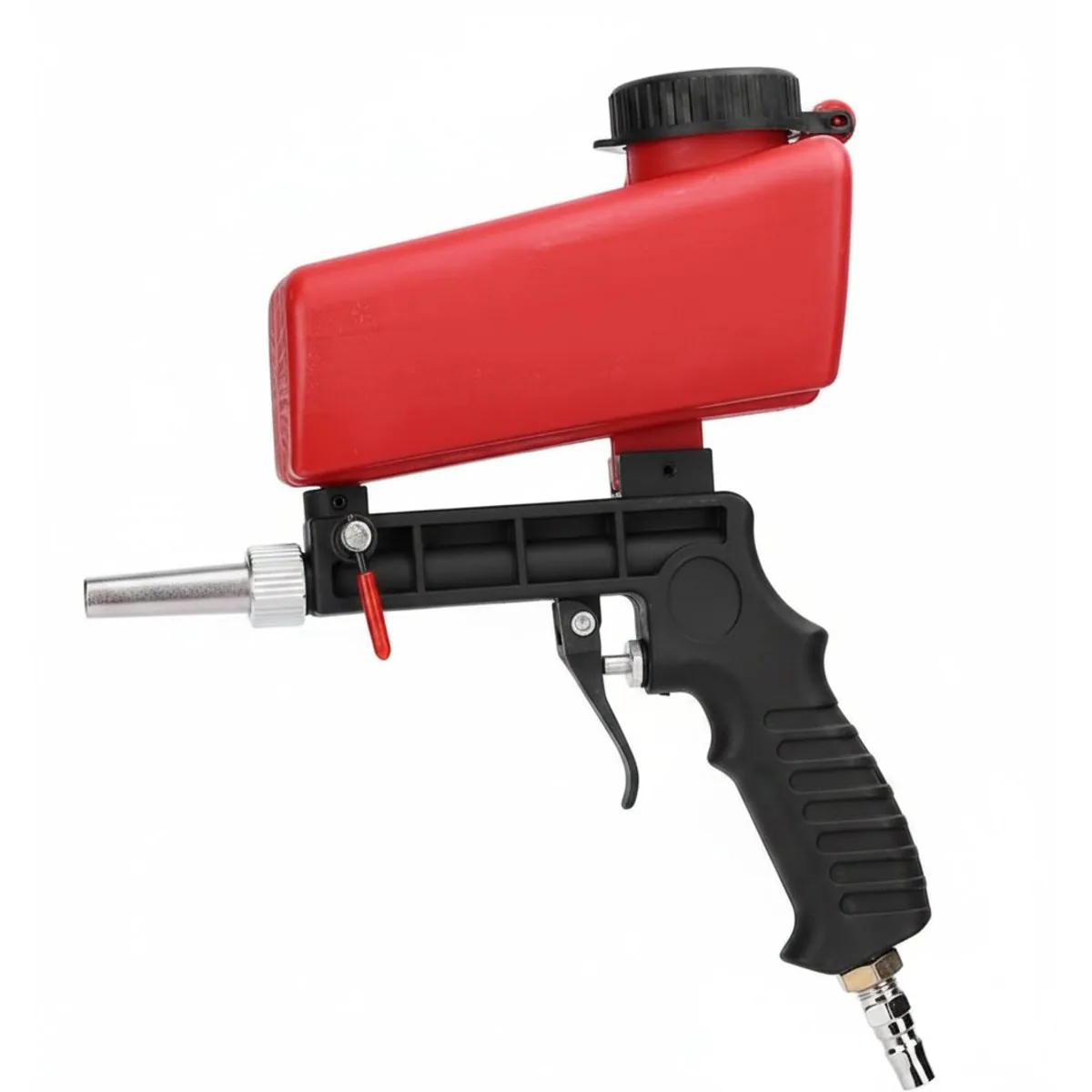
A sandblasting gun is a primary pneumatic tool for industrial surface preparation, scale cleaning, and rust removal. Compel supplies industrial sandblasting kits and air blast guns built for maintenance workshops, fabrication bays, and production facilities. Our inventory spans compact gravity feed units, siphon tube setups, and mobile pressurized blast tanks designed for heavy cleaning schedules. Whether you need a portable sandblasting kit for spot repair or hardware compatible with delicate media like a soda blaster, you will find direct-feed pneumatic tools to suit your line.
Industrial operations depend on Compel for reliable MRO delivery and clear mechanical specifications. Every sandblaster kit lists exact inlet pressure limits, nozzle geometries, and feed mechanisms upfront, helping you maintain consistent blast profiles and reduce abrasive consumption across shop operations.
2 products in Sandblasting Guns & Kits
Handheld gravity feed hoppers deliver continuous media flow straight to the nozzle via top-mounted reservoirs. They work best for spot rust repair, dust cleaning, and localized paint removal. Siphon feed guns draw abrasive through a pick-up tube from a separate reservoir, allowing longer run times during glass etching and surface prep without constant hopper refills.
For large-area prep, a pressurized sandblaster kit featuring a wheeled 38 L (10 gallon) tank supplies abrasive under constant line pressure up to 8.6 bar (125 psi).
Standard pneumatic guns operate at 6.2 bar (90 psi). Maintaining line pressure around this threshold ensures steady media velocity without fracturing fragile abrasives or causing excessive tip wear. High-capacity mobile systems scale up to 8.6 bar (125 psi) maximum pressure when stripping heavy industrial scale.
Look for models with built-in adjustable flow valves. Regulating media flow directly at the gun prevents feed clogging and lets operators tune abrasive volume for delicate tasks like glass etching or non-destructive soda blasting.
Media wear directly determines how often you replace blast tips. Standard 6.5 mm steel nozzles handle basic maintenance and intermittent rust removal. For continuous production lines or high-abrasion media, choose guns equipped with boron carbide nozzle tips. Boron carbide offers superior wear resistance against hard abrasives, maintaining consistent blast pattern diameter over long operational shifts.
Buying guide
We use cookies. Some keep the store working, others show us what to fix. No third-party trackers, and we never sell your data. Learn more about cookies and your privacy