
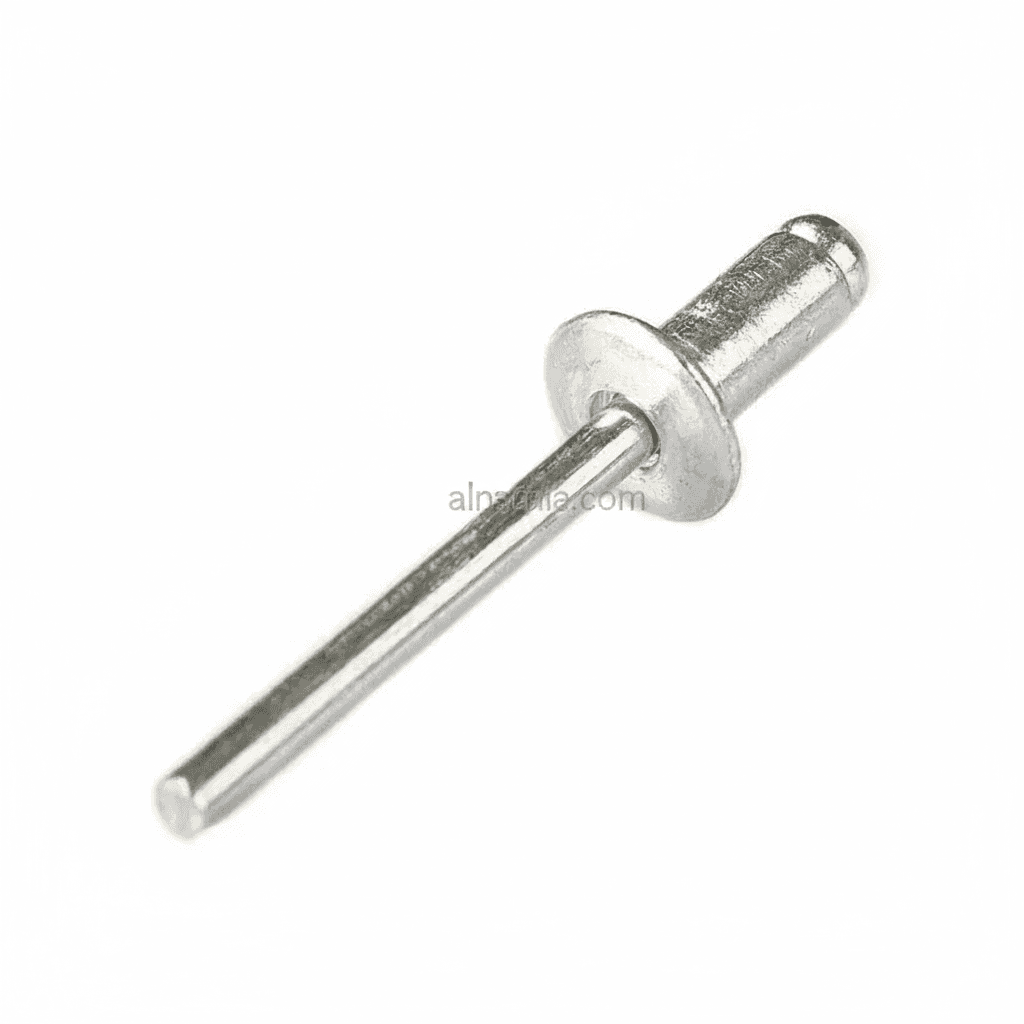
Riveters
Heavy Duty Rivet Gun Kit | 120pc Blind Rivets Assortment | Hand Tool Set
CMP-04498RIVE-00001
£71.99
3 products available
Riveters, also known as rivet guns, provide a fast and reliable method for joining materials when you only have access to one side. These blind rivet tools are indispensable in metal fabrication, vehicle repair, and industrial maintenance for permanently fastening metal sheets, pipes, and other components. They work by pulling a mandrel through the rivet body, causing it to expand and form a secure joint.
Compel supplies a focused range of industrial riveters built for professional trade use. Our selection includes manual hand riveters, such as high-leverage models for setting blind rivets and double-handle rivet nut setters for installing threaded inserts. We provide tools designed for durability and consistent performance in demanding work environments. Each product listing includes detailed specifications to help you select the correct tool for your application.
3 products in Riveters
Riveters
Riveters
Riveters
Your first decision is choosing between a tool for setting blind rivets or one for installing rivet nuts. These are not interchangeable and serve different functions.
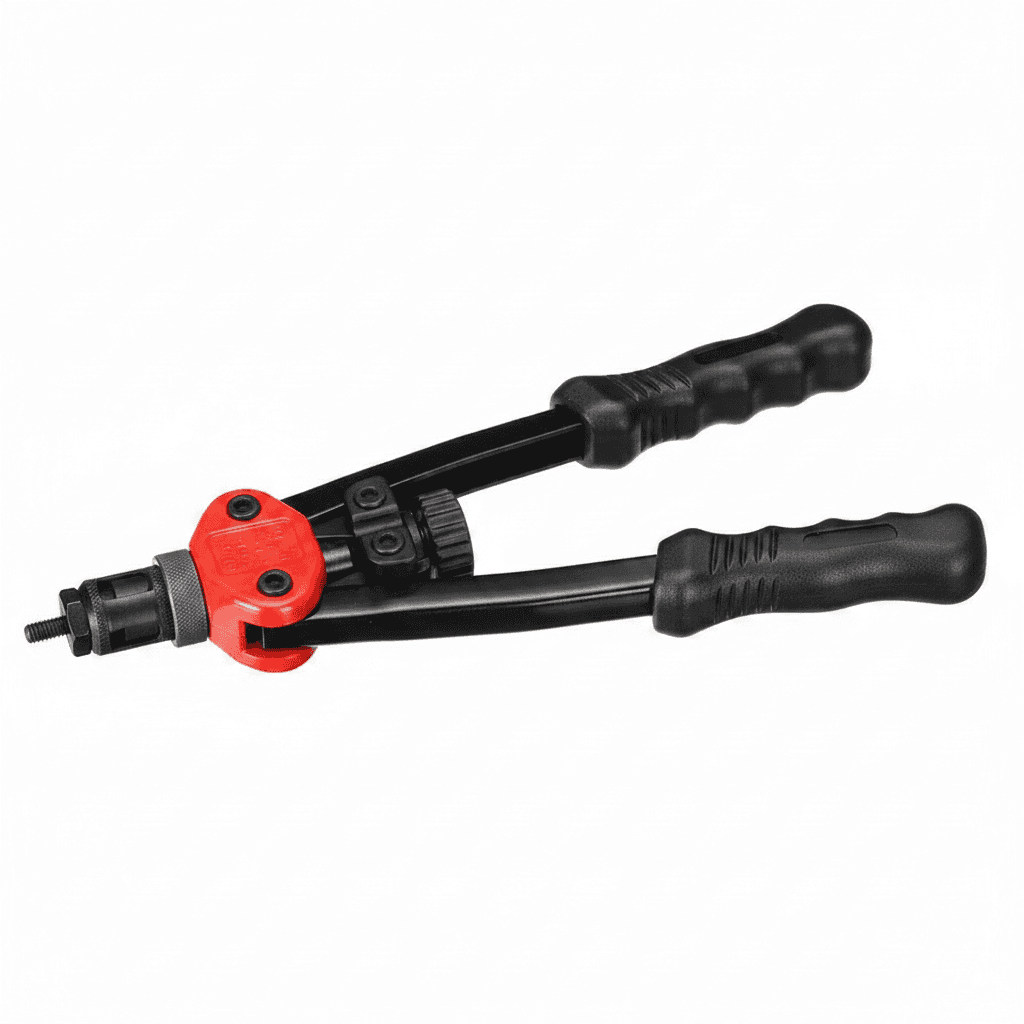
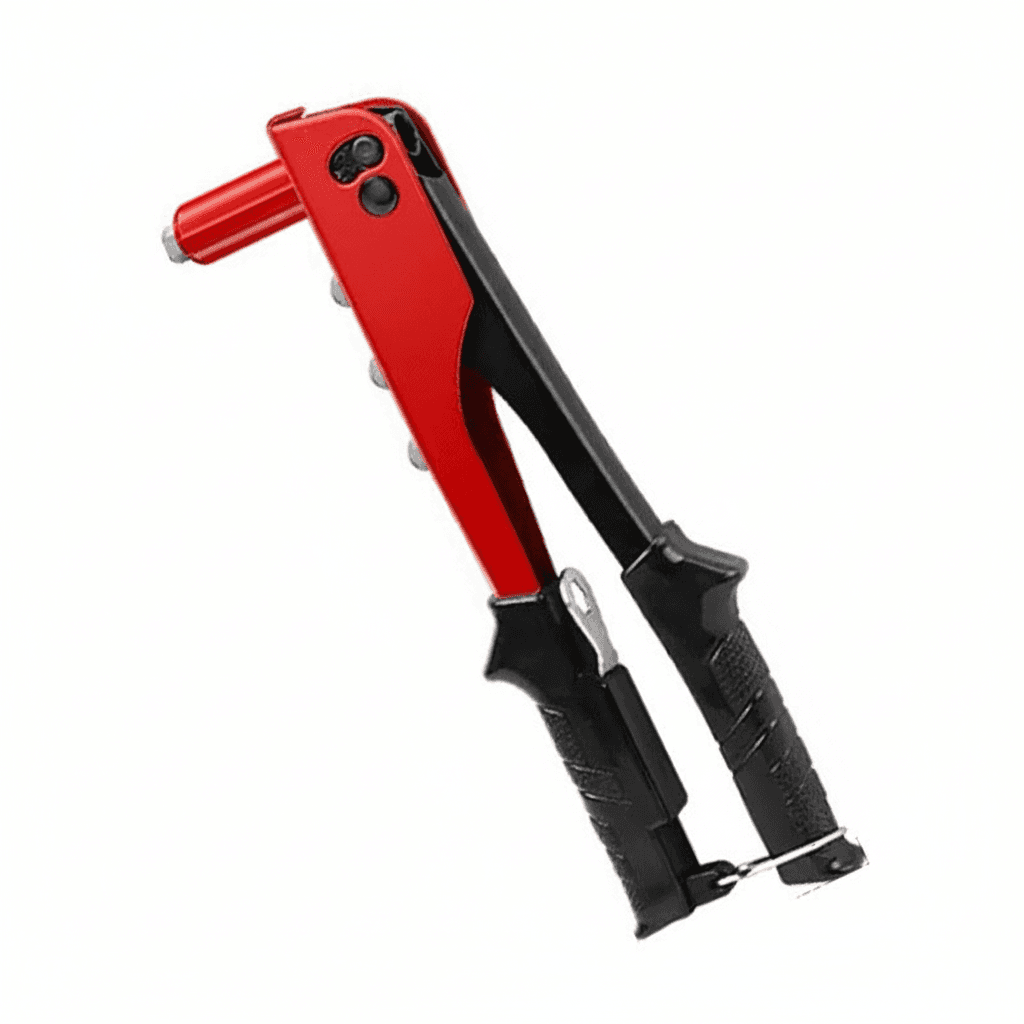
A blind rivet gun is used to create a permanent, non-threaded joint between two or more pieces of material. It's the standard tool for general riveting tasks. A rivet nut setter, or threaded nut setter, installs a threaded insert into a single piece of material. This creates a durable, load-bearing thread in thin sheet metal where tapping a thread is not possible.
The power source affects the tool's speed, portability, and suitability for different workloads. Our catalog focuses on manual riveters, which offer excellent portability for fieldwork and repairs.
Manual hand riveters rely on operator strength, with features like long, high-leverage handles or ergonomic grips to reduce fatigue and increase pulling force. They are ideal for maintenance, custom fabrication, and low-volume assembly. While we do not currently list them, air riveters (pneumatic) use compressed air for rapid, repetitive setting and are best suited for production line environments.
Every riveter is designed to work within a specific range of fastener sizes and materials. Using the wrong size can lead to tool damage or a failed joint. For rivet nut setters, the compatible thread sizes are clearly defined, such as the M3, M4, M5, M6, and M8 sizes supported by our handle rivet gun.
For blind rivet tools, you must match the tool's included nosepieces to the diameter of the rivets you plan to use. Heavy-duty rivet guns have the necessary pulling force to set harder rivets made from steel, in addition to standard aluminum rivets. Always confirm the tool's capacity on its product datasheet before purchasing.
Buying guide
We use cookies. Some keep the store working, others show us what to fix. No third-party trackers, and we never sell your data. Learn more about cookies and your privacy