Metal Cutting Saw Blades
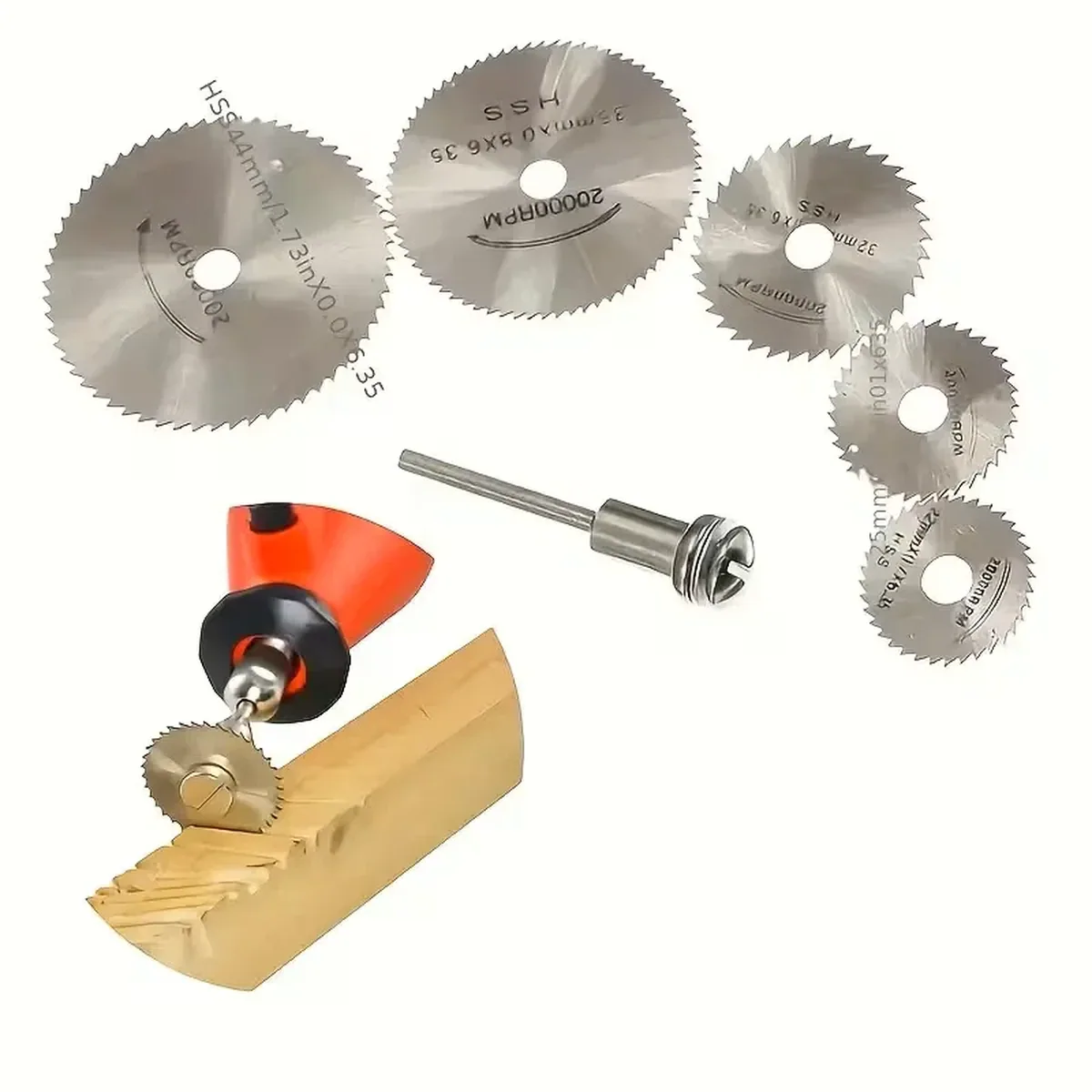
6-Piece High-Speed Steel Circular Saw Blade Set | For Metal Cutting & Grinder Slicing
TBS-00466ACCS-00127
£33.99
2 products available
Selecting the right chop saw blade ensures clean, cold cuts through industrial structural steel, pipe, and conduit without burning or heavy burrs. Compel supplies maintenance teams, fabrication workshops, and structural installers with high-performance cutting solutions. Our inventory covers circular cold-cut discs, portable bandsaw loops, and continuous bandsaw stock.
We supply tungsten carbide tipped (TCT) discs, alloy steel discs, and M42 bi-metal bandsaw stock for steel, iron, aluminum, and stainless steel pipe. Sourced directly from manufacturers such as okerqi and XCAN, these blades provide reliable chip clearing and long service life during demanding cutting schedules.
2 products in Metal Cutting Saw Blades
Metal cutting tooling splits between continuous-feed band saws and direct-drive circular saws. Your equipment setup and section profile determine the right category choice.
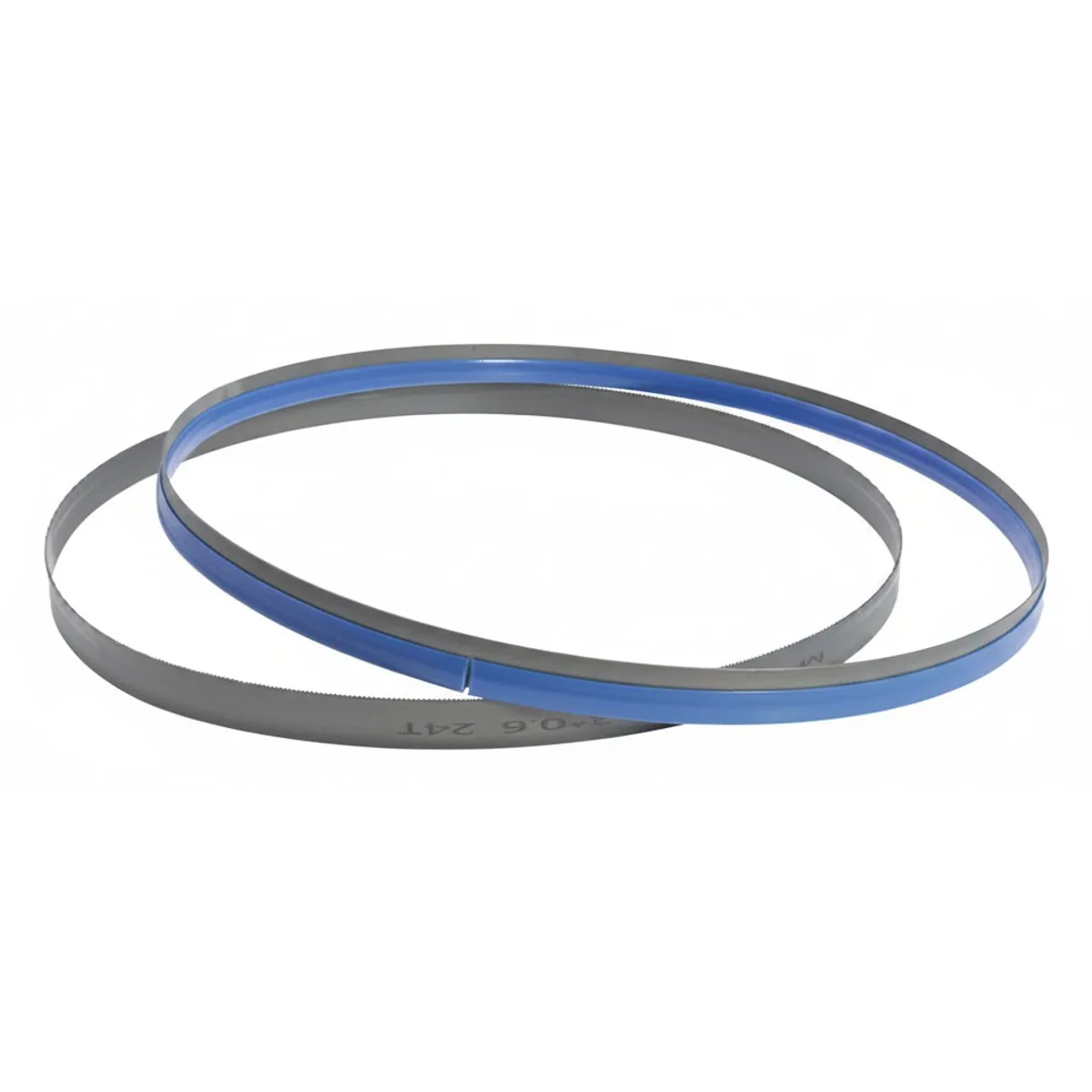
A metal cutting circular saw blade or dedicated chop saw disc suits fast cross-cuts on jobsites and fabrication benches. For continuous stock cutoff, bundling, and slicing solid bar, bandsaw blades for metal provide a narrower kerf with minimal material waste.
Matching the disc diameter and tooth geometry to your workpiece prevents chipped teeth and motor strain. When selecting chop saw blades for steel, diameter choices span from compact 110 mm and 115 mm discs up to 355 mm (14 in) cut-off wheels. Diameters such as 185 mm, 254 mm, and 305 mm (12 in) fit specific shop machines.
Tooth count directly controls cutting speed and surface finish on iron and steel stock. High tooth configurations such as 80T and 90T give smooth finishes on thin profiles. Lower counts like 66T clear chips faster when cutting thick iron and structural steel. Select carbide tipped edges or Nano Blue coated tungsten carbide for long life during dry-cut metal operations.
A metal cutting blade for bandsaw equipment must match the machine's exact mechanical loop specifications. Sizing begins with length and band width. Our catalog includes compact lengths like 1140 mm, 1425 mm, and 1435 mm, along with heavy production lengths up to 2908 - 3810 mm.
Band width and gauge dictate beam strength. A 13 mm width with 0.65 mm thickness provides flex for portable bandsaws. A 27 mm (1 in) width with 0.9 mm (0.035 in) thickness delivers stability on large horizontal cutoff machines. Select M42 bi-metal with 6, 10, or 14 TPI depending on wall thickness.
Buying guide
We use cookies. Some keep the store working, others show us what to fix. No third-party trackers, and we never sell your data. Learn more about cookies and your privacy