Help
Compel Groupgroup

Inspection

12 products available

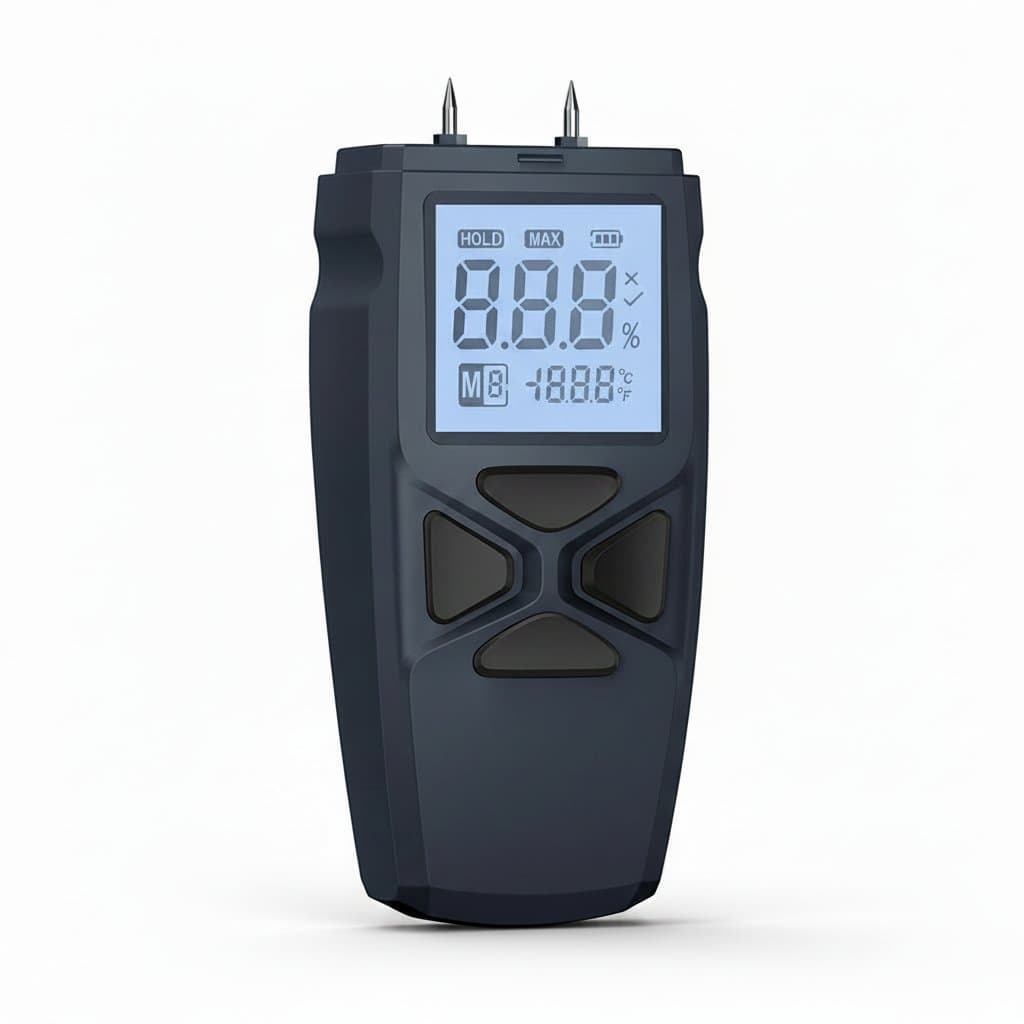
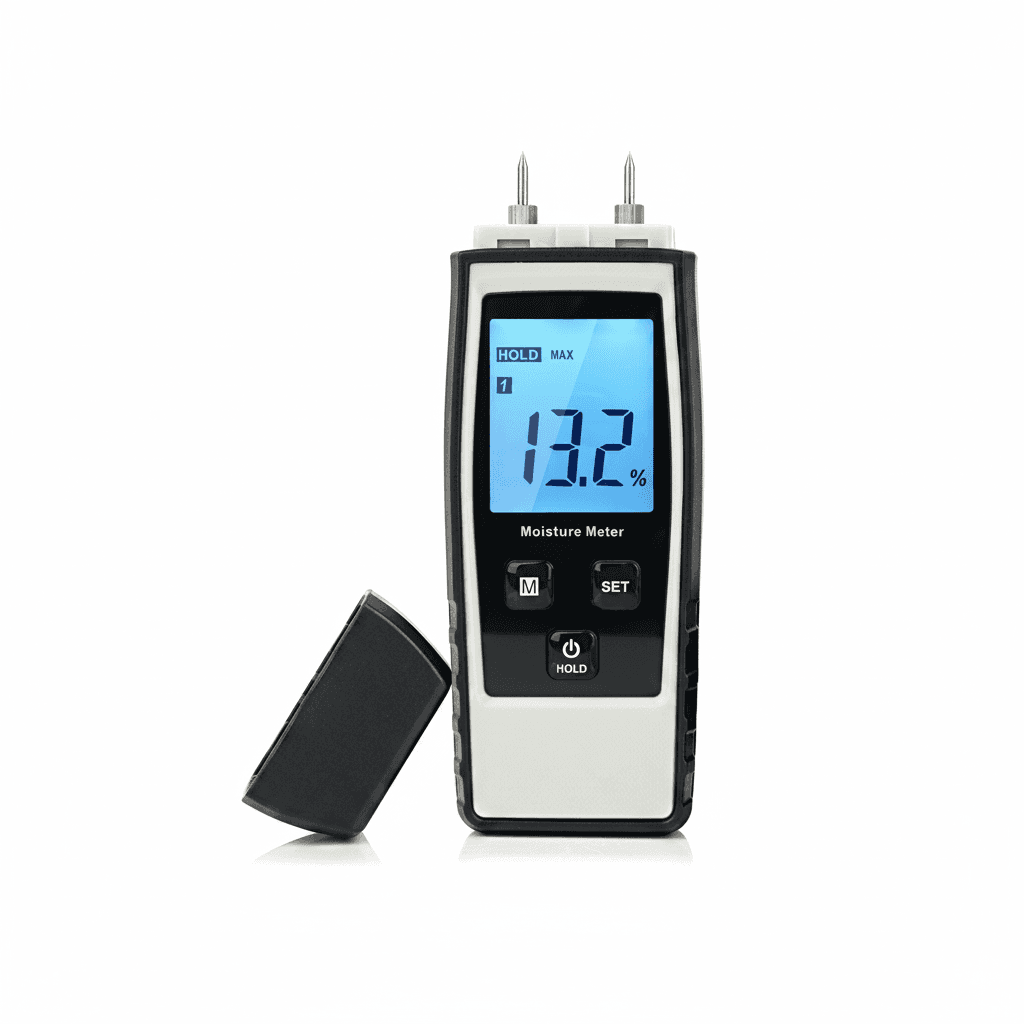
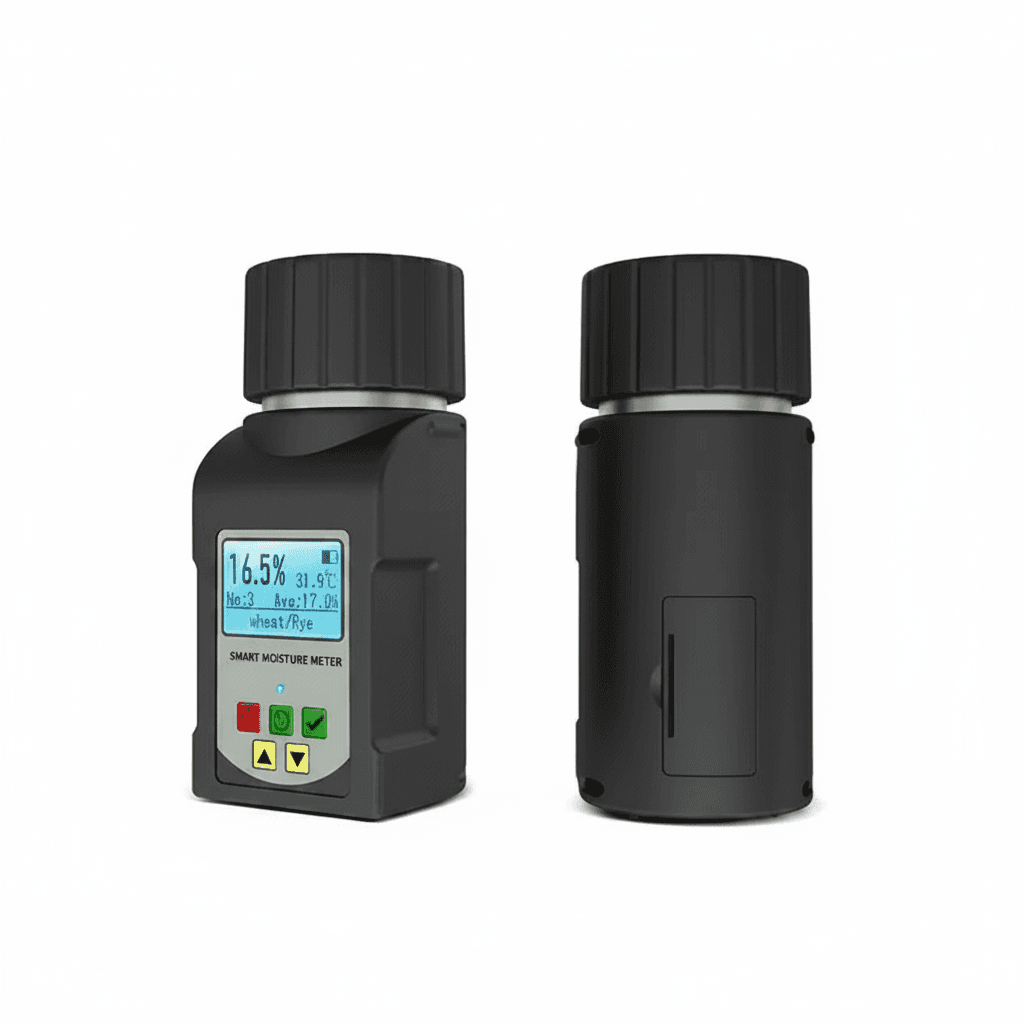
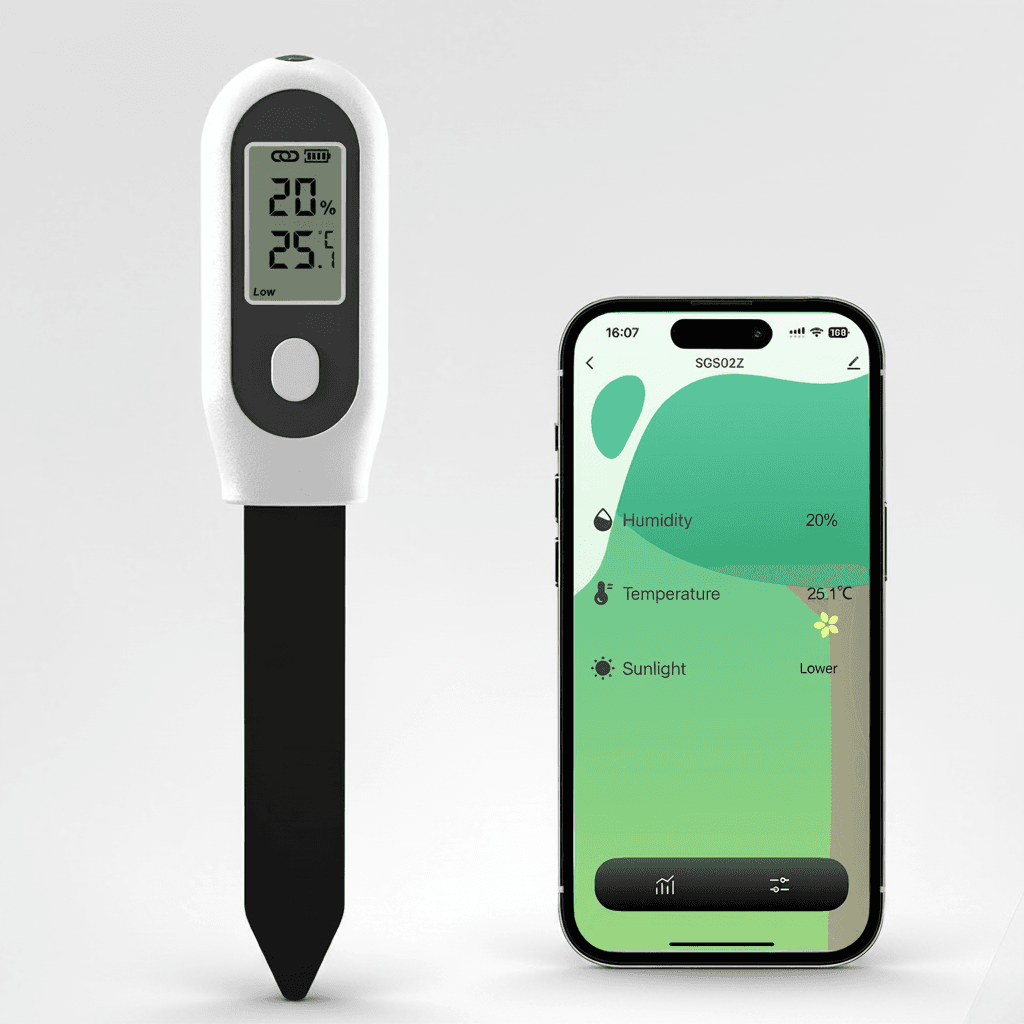
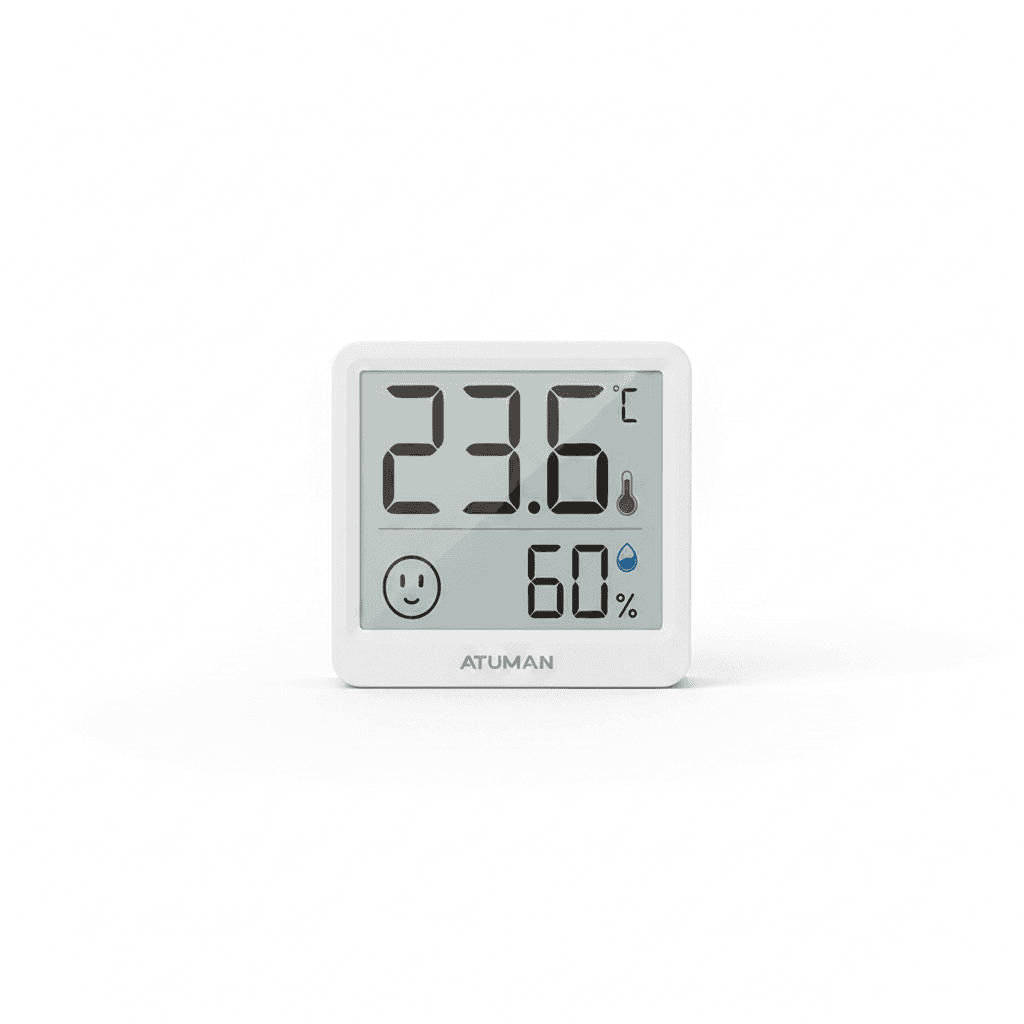
Compel supplies professional inspection tools designed for fast diagnostic verification across building maintenance, processing facilities, and jobsite quality control. Our range of field-ready inspection equipment covers everything from ambient humidity sensors to inductive timber moisture meter units, moisture detector instruments, and bulk grain moisture meter devices. Whether diagnosing moisture intrusion behind drywall or tracking drying progress in lumber, trade technicians rely on accurate readings to avoid structural failures and product spoilage.

We stock handheld pin moisture meter options, non-destructive moisture meter for walls, and industrial damp meter models built with ABS Plastic material housings. Every unit ships with verified factory specifications, clear documentation, and direct dispatch to keep your diagnostic teams operating without site delays.

12 products in Inspection

Pin Versus Inductive Non-Destructive Sensing

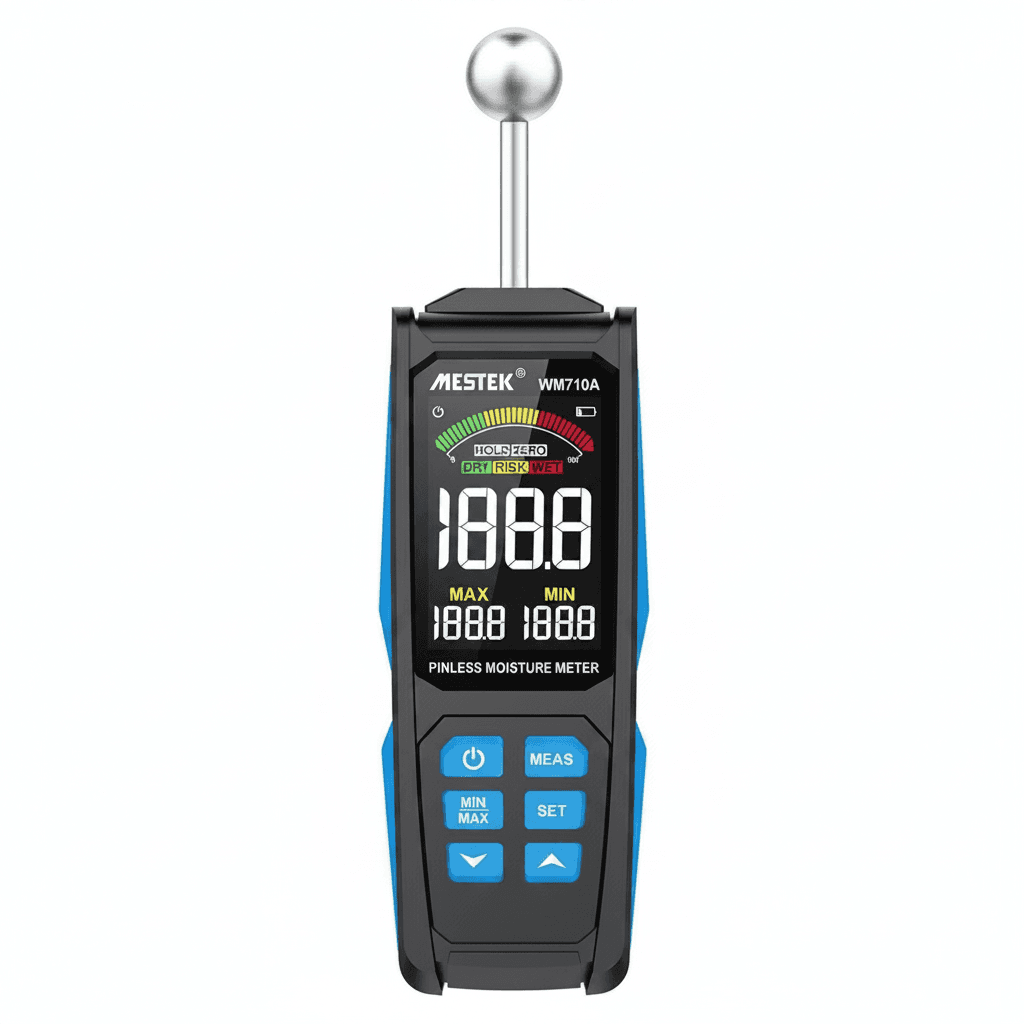
Selecting the correct damp meter starts with determining whether your test surface allows electrode penetration. Pin meters push metal contact pins directly into timber or wallboard to measure electrical resistance across the substrate.

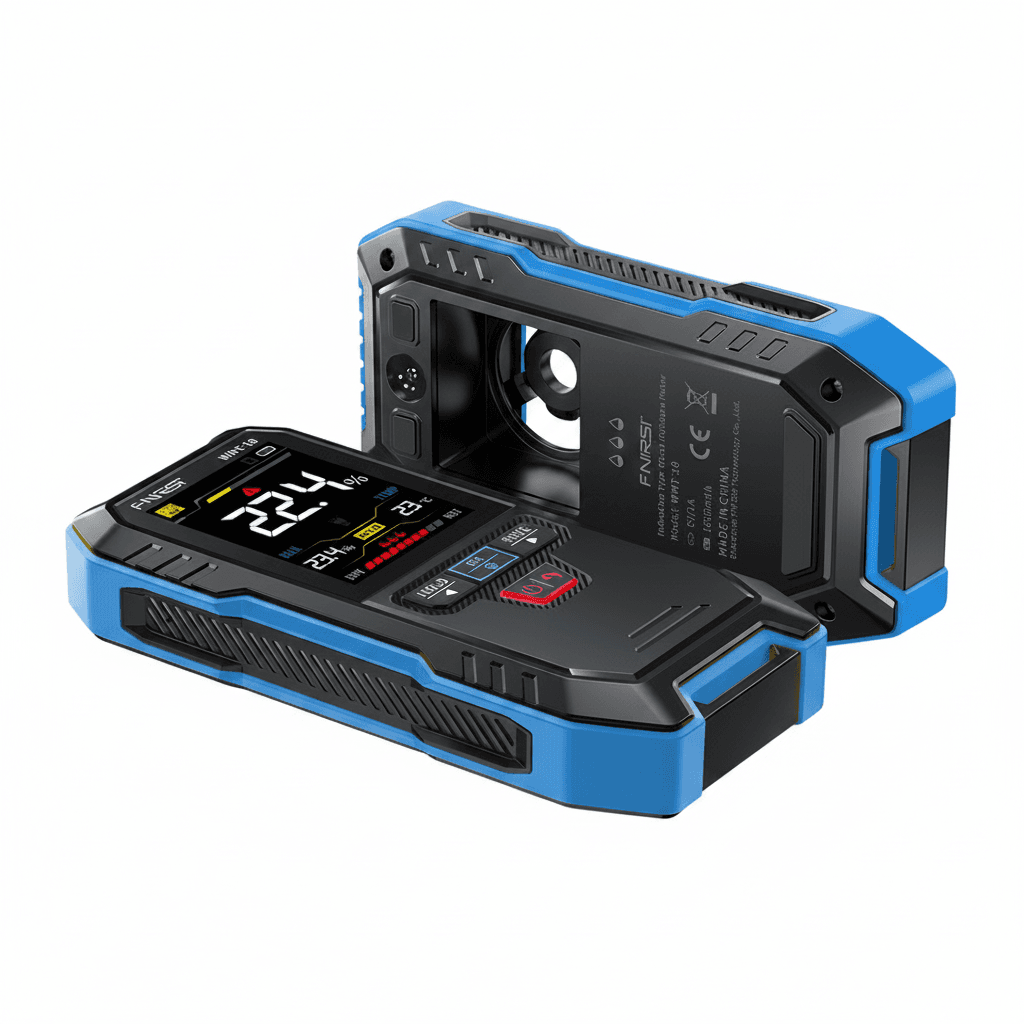
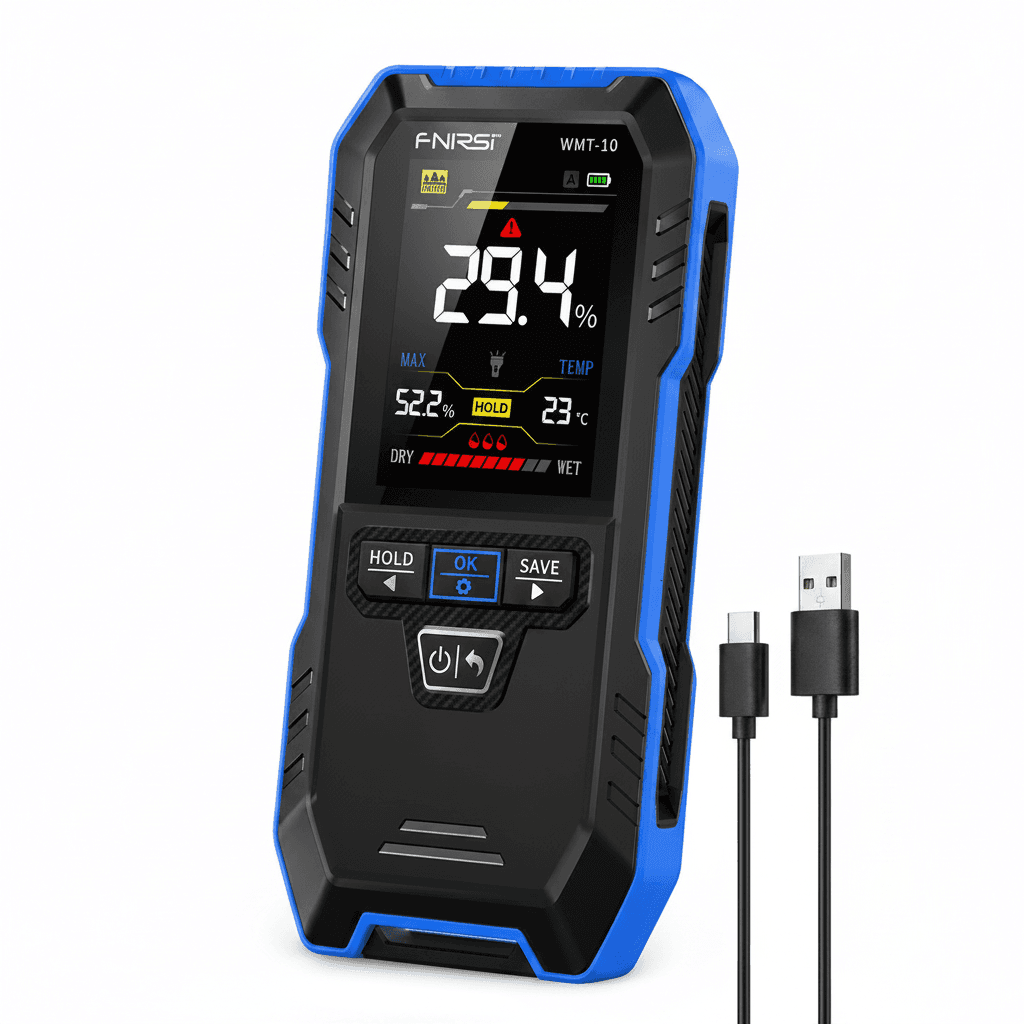
Inductive units like the FNIRSI WMT-10 Moisture Meter use non-destructive scanning fields. These read sub-surface moisture without leaving physical pin marks in high-value wood or finished wall assemblies.

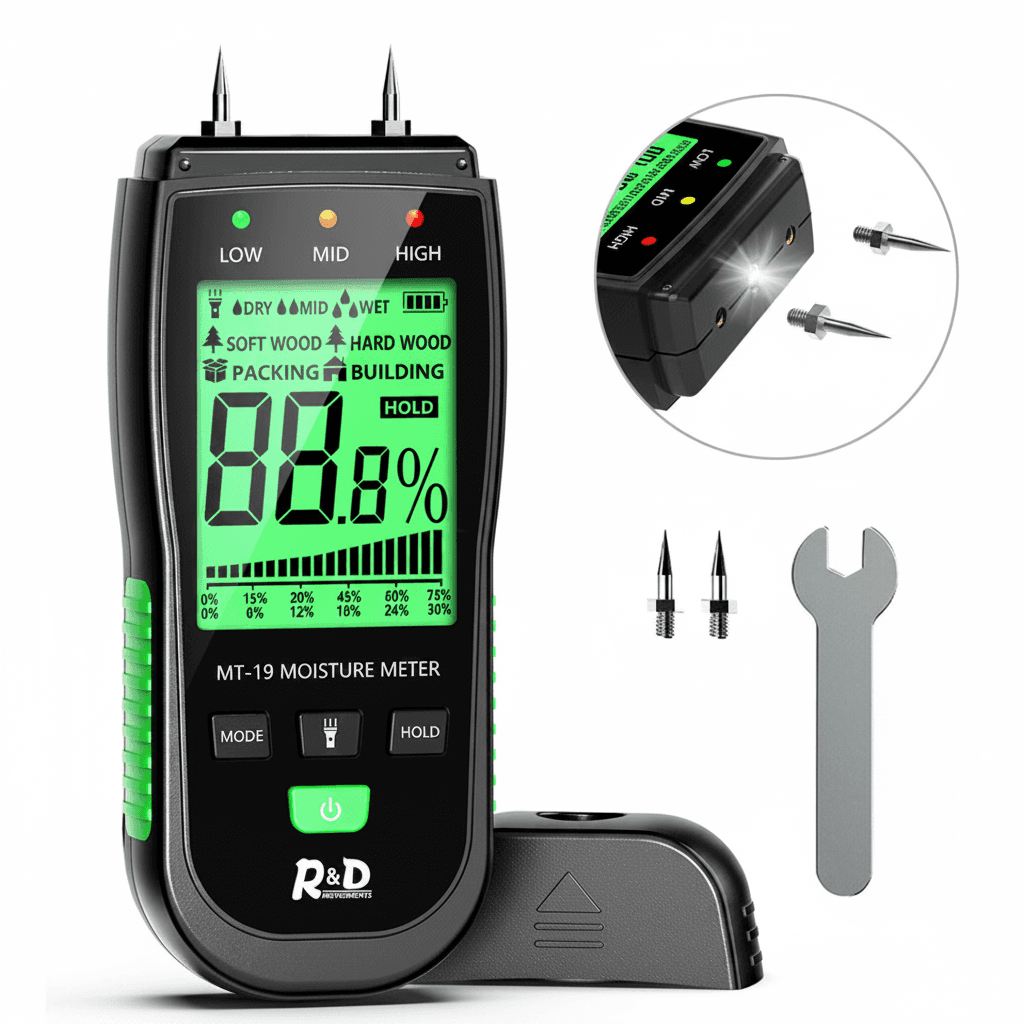
  • Use a pin moisture meter for structural framing lumber, subflooring, and finding core moisture depth.
  • Use inductive non-contact models when inspecting finished trim, cabinetry, or painted plaster where puncture holes are unacceptable.
  • Verify the target scale matches your stock, such as the 0-80% Range on the Moisture Meter RZ660.

Display Configuration and Lighting Conditions

Inspection environments range from dark utility crawlspaces to open agricultural yards. Choosing the right display format prevents reading errors and speeds up multi-point checks.

  • Digital LCD panels with backlights ensure clean readings inside unlit utility shafts and crawlspaces.
  • Full color screens, including a 2.4 Inch Color Screen or 2.5" LCD, separate complex humidity and temperature data clearly.
  • Compact analog units with a 1.9" & Under face require no batteries, serving well for long-term passive storage monitoring.

Housing Protection and Battery Systems

Field gear must survive dust, moisture exposure, and drop hazards in service vehicles. Matching the ingress rating and power profile to your maintenance schedule avoids unexpected tool downtime.

  • Dusty agricultural processing lines require sealed casings, like the IP54 rating on the Grain Moisture Meter.
  • Permanent outdoor or soil monitoring setups require higher liquid defense, such as an IP67 rating.
  • Choose between internal 1000mAh lithium battery cells or standard AAA battery systems based on your site charging access.
  • Select tools with auto power off intervals of 5/10/15 min to prevent accidental battery drainage between diagnostic stops.

Buying guide

Choosing Inspection

When should I choose an inductive moisture detector over a pin moisture meter?
Choose an inductive moisture detector when inspecting finished materials like hardwood flooring, decorative paneling, or painted walls where pin holes cause cosmetic damage. A pin moisture meter is better suited for checking framing timber and raw lumber where you need to measure moisture at specific probe depths.
What ingress rating is required for dusty agricultural or outdoor inspection work?
For dusty processing spaces such as grain silos and feed stores, an IP54 enclosure rating keeps particulates from damaging the sensor electronics. For continuous ground monitoring or wet outdoor sites, choose an IP67 rated instrument to protect against water immersion.
Can a timber moisture meter also measure building paper and plaster?
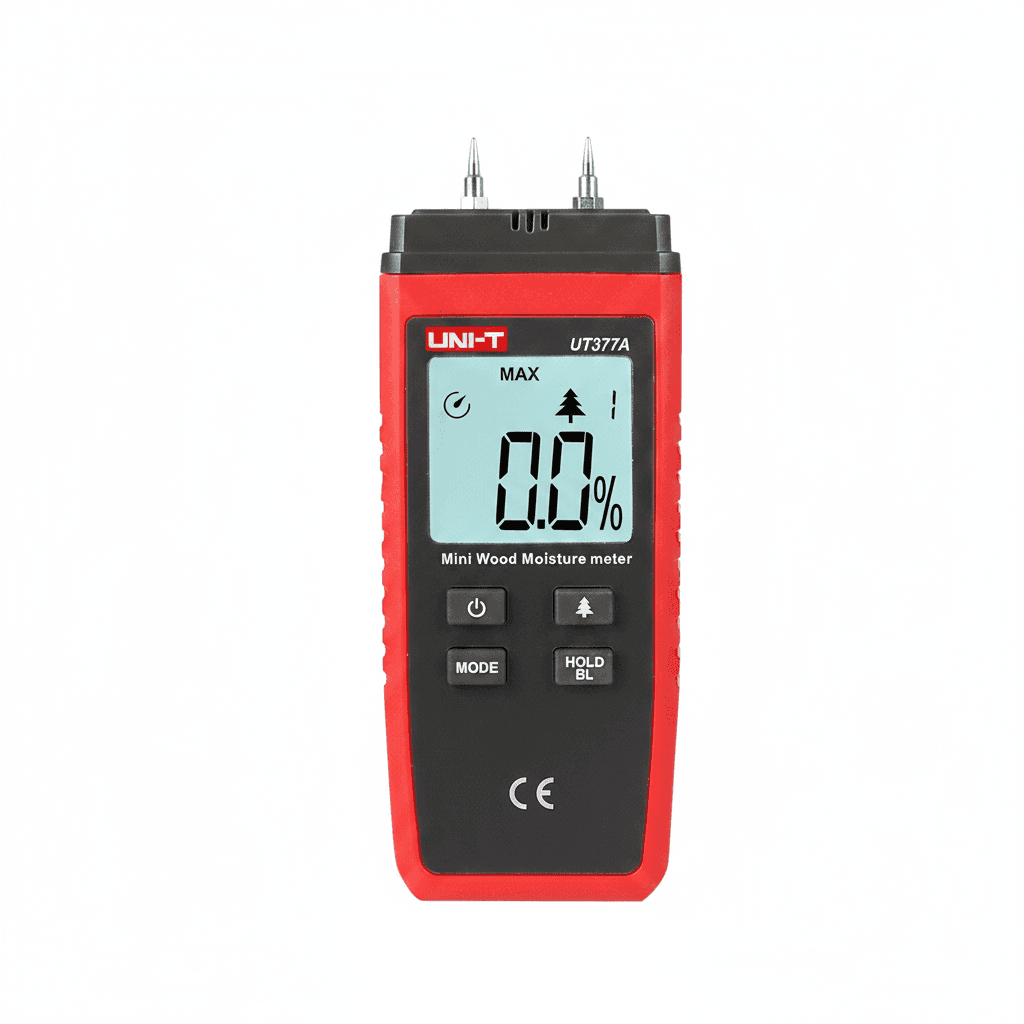
Certain instruments like the UNI-T UT377A Moisture Meter handle both wood and paper products. Always switch the device to the corresponding material mode on the menu before logging data, because differing density and conductivity profiles affect calibration accuracy.
What causes false readings when using a moisture meter for walls?
Inductive wall scanners react to any conductive mass behind the surface, including metal wall studs, electrical conduit, and foil insulation backing. Always take comparative readings across several points on the same assembly and calibrate against a known dry reference section.
How do auto power off features benefit field inspection equipment?
Configurable shutoff times, such as 5/10/15 min intervals, preserve internal battery capacity when technicians move between inspection points. This prevents dead batteries during full-day site audits, whether using a 1000mAh lithium battery unit or disposable dry cells.