Compel Groupgroup

Filters

4 products available

Looking for industrial filters to maintain system efficiency and protect your work environment? Compel supplies a comprehensive inventory of heavy-duty filtration solutions engineered for manufacturing, workshops, and facility maintenance. Our range covers pneumatic air line filters, self-cleaning dust extractor bags, activated carbon fume absorbers, and high-capacity liquid utility filtration systems. We stock precise-fit replacements and assemblies designed to keep your machinery running and your air clean.

Procuring from Compel ensures your operations meet strict work-safety and equipment-protection standards. We source directly from trusted manufacturers to guarantee exact compatibility with major tool brands and pneumatic setups. Minimize your operational downtime with our reliable, trade-grade filters ready for immediate dispatch.

Matching Flow Rate and Port Size to System Capacity

Pneumatic and liquid systems fail when filters restrict flow. For air lines, match the port size (such as 3/8 inch NPT) and ensure the maximum flow rate in SCFM (standard cubic feet per minute) exceeds your tool's peak demand. In liquid utility setups, check both the volume capacity and the flow control limits to prevent pump strain.

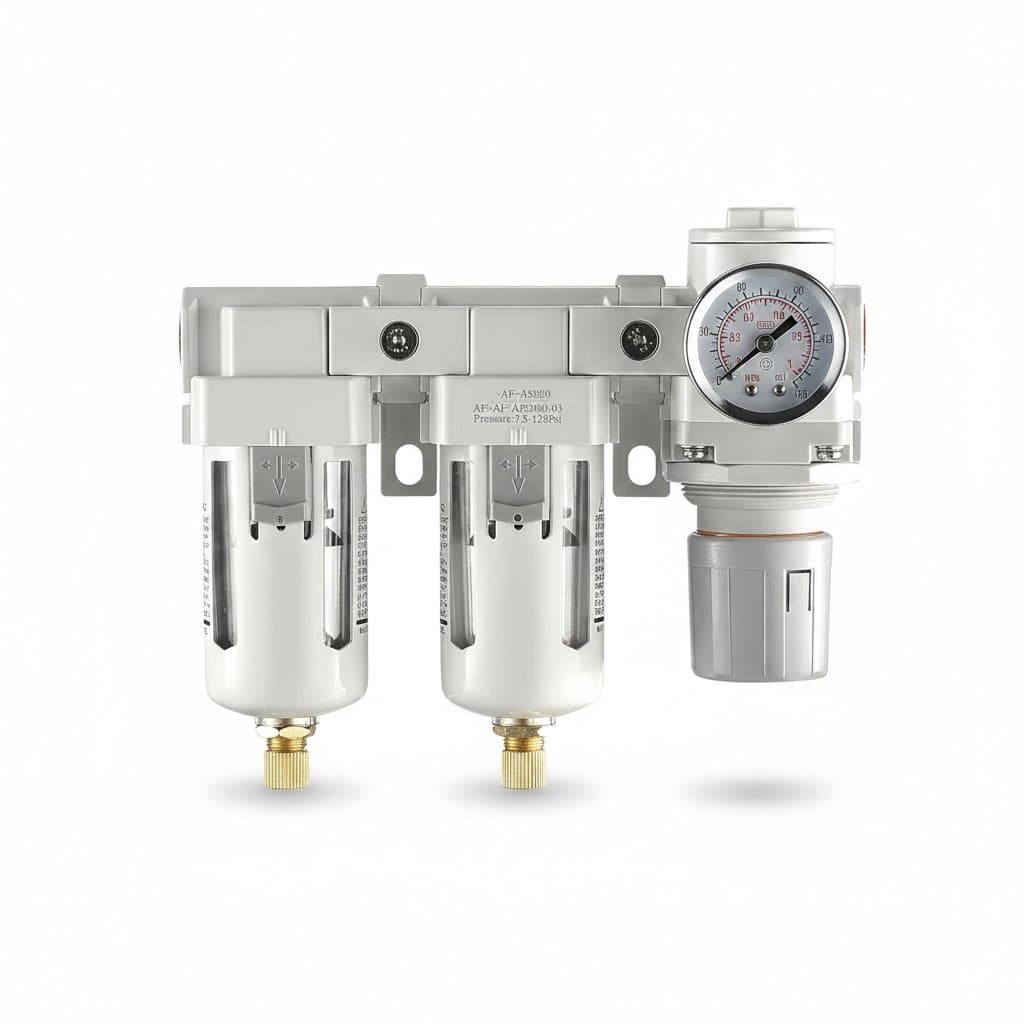
  • Pneumatic line filters: Verify NPT connection sizes and SCFM ratings (typically 15 to 25 SCFM for mid-sized lines).
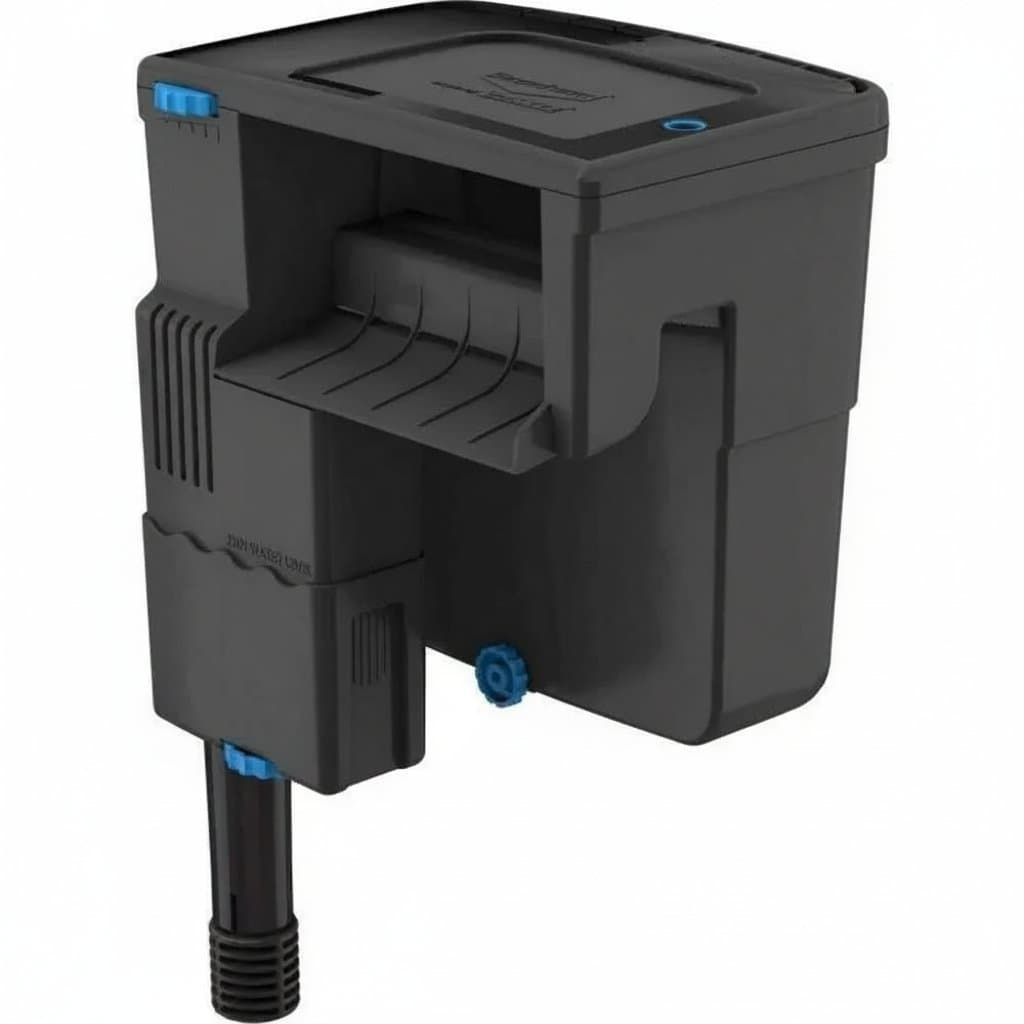
  • Liquid filtration: Confirm media basket volume (e.g., 1.9 liters) and system flow control compatibility.

Selecting the Right Filter Media for the Contaminant

The state and size of the target contaminant dictate your filter material. For fine dust extraction, non-woven synthetic bags prevent pore clogging during high-suction tasks. Gas and chemical fumes, like those from soldering or welding, require activated carbon-impregnated foam to adsorb volatile organic compounds.

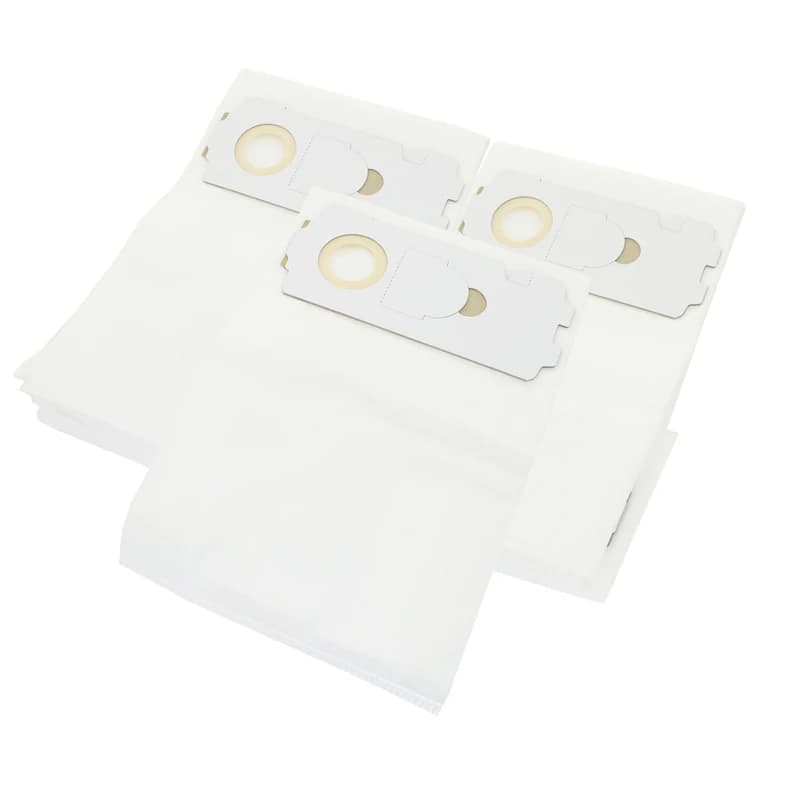
  • Dry dust extraction: Non-woven self-cleaning bags preserve suction levels.
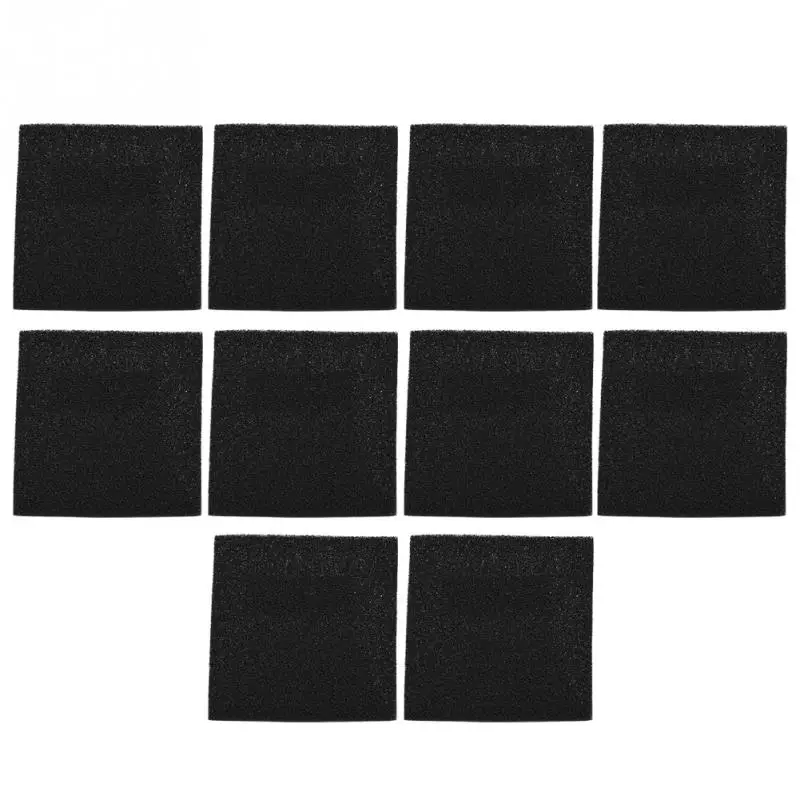
  • Fume extraction: Carbon-impregnated polyurethane foam sponges (e.g., 13x13x1 cm) capture airborne particulates and odors.
  • Coalescing filters: Pleated synthetic fiber elements separate oil aerosols and water from compressed air.

Verifying Housing Materials and Tool Compatibility

Industrial filters must withstand operating pressures and chemical exposure. Look for aluminum or high-grade composite housings for compressed air lines to handle high pressure. When replacing filters for specific shop tools or dust extractors, always cross-reference model numbers to ensure a tight, leak-free seal.

  • Tool-specific bags: Check exact model compatibility lists, such as Festool MINI, MIDI, or CT15 series.
  • Fume absorber sponges: Match dimensions precisely (like 13x13x1cm) to prevent bypass air leaks.

Buying guide

Choosing Filters

How do I ensure a replacement filter bag fits my specific dust extractor?
Check the manufacturer's model compatibility list before ordering. For example, specific non-woven bags are engineered to fit only designated units like the Festool MINI, MIDI, or CT15. An incorrect fit compromises the self-cleaning function and allows fine dust to bypass the motor.
When should I use an activated carbon filter instead of a standard particulate filter?
Use activated carbon filters when you need to capture gaseous pollutants, odors, or chemical vapors, such as during soldering and welding. Standard particulate filters only trap solid dust and fibers. Carbon-impregnated polyurethane foam is necessary to adsorb hazardous fumes from solder flux.
What flow rate capacity do I need for a 3/8-inch NPT air compressor filter?
A standard 3/8-inch NPT particulate filter typically handles a maximum flow rate of 15 to 25 SCFM. Operating above this threshold causes a significant pressure drop across the filter element. Always size the filter to match or exceed the maximum output of your compressor.
How often should I replace solder fume extractor sponge filters?
Replace the activated carbon-impregnated sponges as soon as you notice diminished suction or when odors bypass the unit. In high-volume assembly environments, this typically occurs every two to four weeks. Using saturated sponges reduces extraction efficiency and exposes workers to harmful fumes.
Why are non-woven materials preferred for industrial dust extractor bags?
Non-woven synthetic materials resist tearing under high suction and allow for self-cleaning movement during operation. Unlike standard paper bags, non-woven fibers do not clog instantly with fine plaster or concrete dust. This keeps your extractor running at peak suction for longer intervals.