
Centrifuges
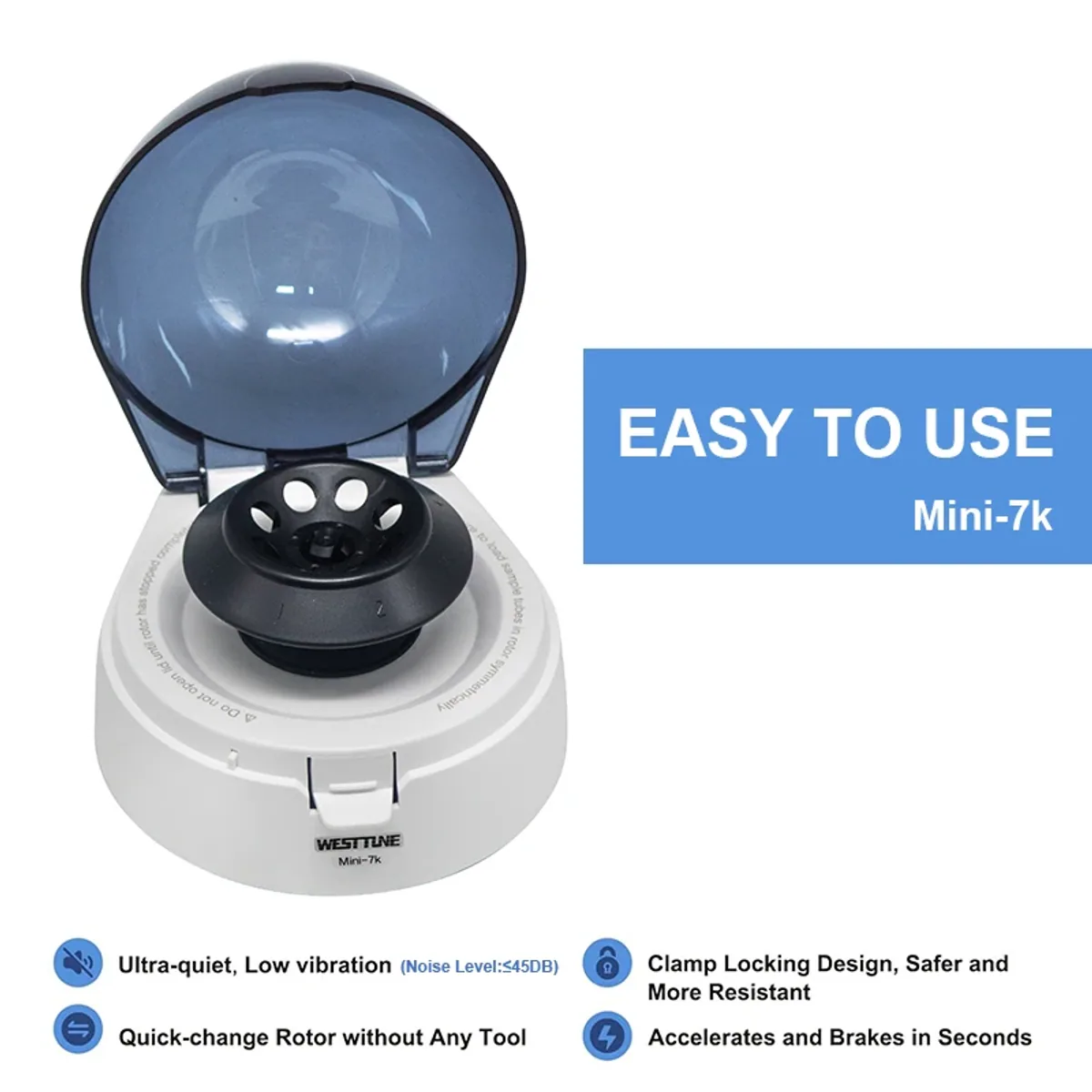
Microcentrifuge Benchtop Mini | 4000 or 7000rpm | Up to 2680xg
TBS-09003LABO-00090
£222.99
4 products available
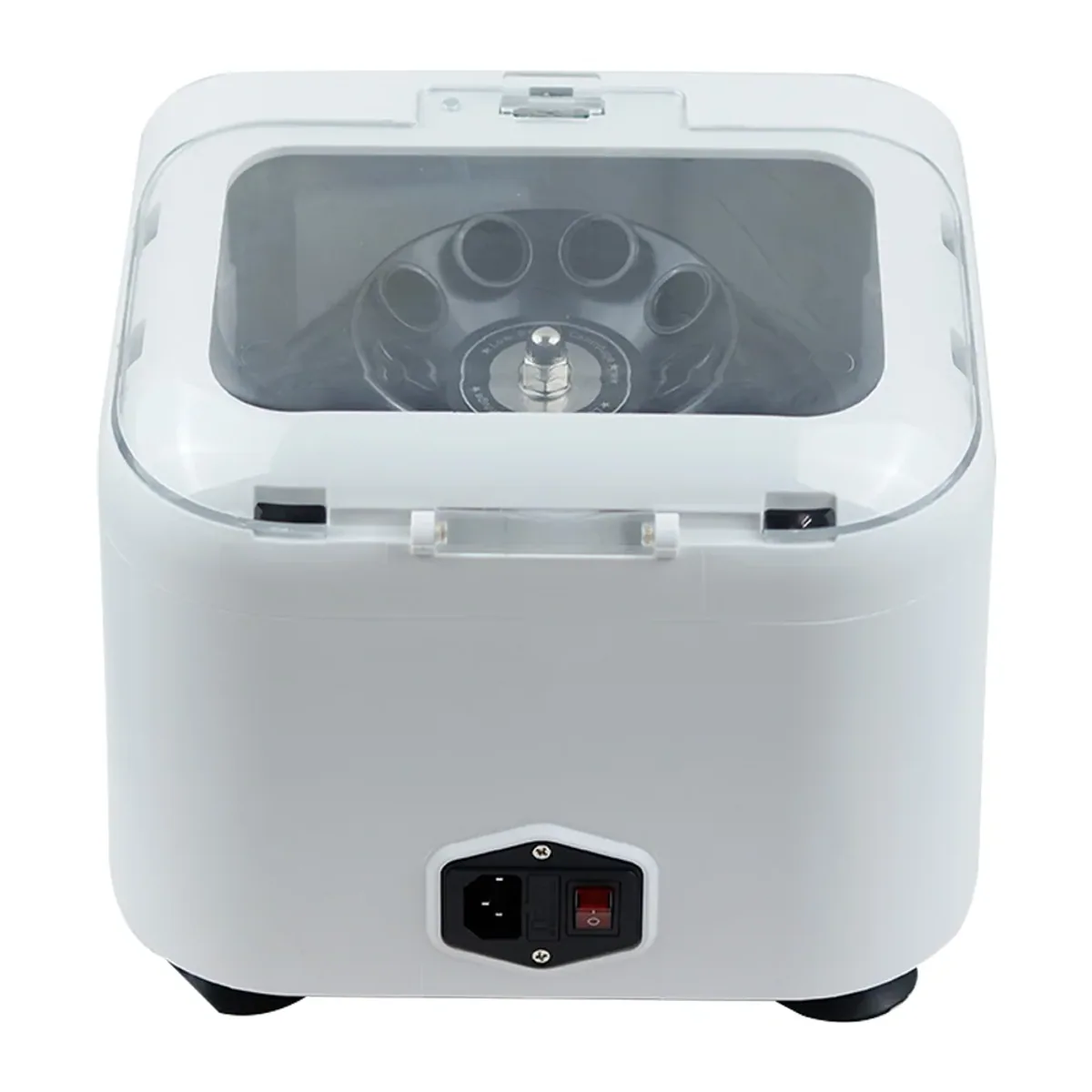
A laboratory centrifuge separates samples by spinning them at speed, so denser material settles to the bottom of the tube. This category covers the benchtop lab centrifuge for trade and industrial labs, workshops and quality teams that run routine low speed spins. Compel carries a narrow range here, built around a single benchtop laboratory centrifuge offered in two models, the 900-2 and the 900-1S.
Both models reach a maximum speed of 4000rpm, which gives a maximum centrifugal force of 2086xg. The rotor holds 6 x 10ml tubes. Speed is set by a stepless knob, and the timer runs from 0 to 60 minutes with a buzzer at the end. The 900-1S adds a red LED display for time and speed. If your work is routine low speed separation in 10ml tubes, you can specify the model, add it to your order and have it delivered with your other lab supplies.
4 products in Centrifuges
Centrifuges
Centrifuges
Centrifuges

Centrifuges
Choosing a benchtop centrifuge starts with the force your protocol needs, not the rpm figure alone. Centrifugal force in xg depends on both speed and rotor radius, so two machines at the same rpm can give different results. This category's centrifuge tops out at 4000rpm, which gives a maximum of 2086xg.
That puts it in the low speed class. It suits routine separation in standard tubes. It is not a microcentrifuge or microtube centrifuge, and it won't replace one for small-volume work that calls for high-speed spins.
Capacity is fixed by the rotor. Here it's 6 x 10ml, so each run handles up to six tubes of that size. Count your typical batch. If you often run more than six samples, you'll need extra runs, and that adds time.
Balance matters too. Load tubes in opposing positions with matched volumes. Confirm your tube dimensions suit a 10ml position on the listing before you buy.
Both models use knob stepless speed regulation and a timer from 0 to 60 minutes, with a buzzer at the end of the cycle. The difference is the display. The 900-1S has a red LED showing time and speed, so you can read the set values at a glance.
The 900-2 suits users who set speed and time by knob position and don't need a numeric readout. If you document run parameters or share the bench with others, the 900-1S display makes repeat settings easier to confirm. Pick the model in the product options.
Buying guide
We use cookies. Some keep the store working, others show us what to fix. No third-party trackers, and we never sell your data. Learn more about cookies and your privacy