

Waste & Recycling
Heavy Duty Bin Bags | Inflatable Air Cushion Film | Fragile Item Protection
CMP-03937WAST-00002
£52.99
3 products available
Effective waste and recycling management is a core operational task in any industrial setting. This category covers equipment for handling trade waste, from collection points on the factory floor to final disposal. These products are designed for the durability and capacity required in workshops, manufacturing plants, and commercial sites, not for domestic use.
Compel offers a focused range of commercial waste solutions. We supply heavy duty bin bags and containers built to withstand demanding industrial environments. Our selection provides the reliability needed to maintain a clean, safe, and compliant workspace. Choose Compel for waste management products that meet professional standards.
3 products in Waste & Recycling
Waste & Recycling
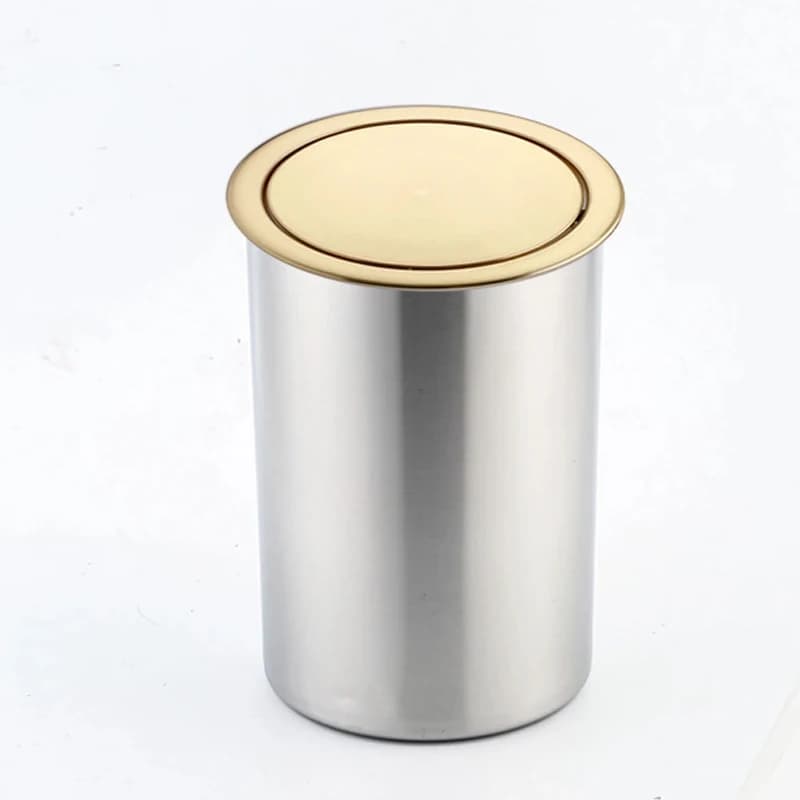
Waste & Recycling
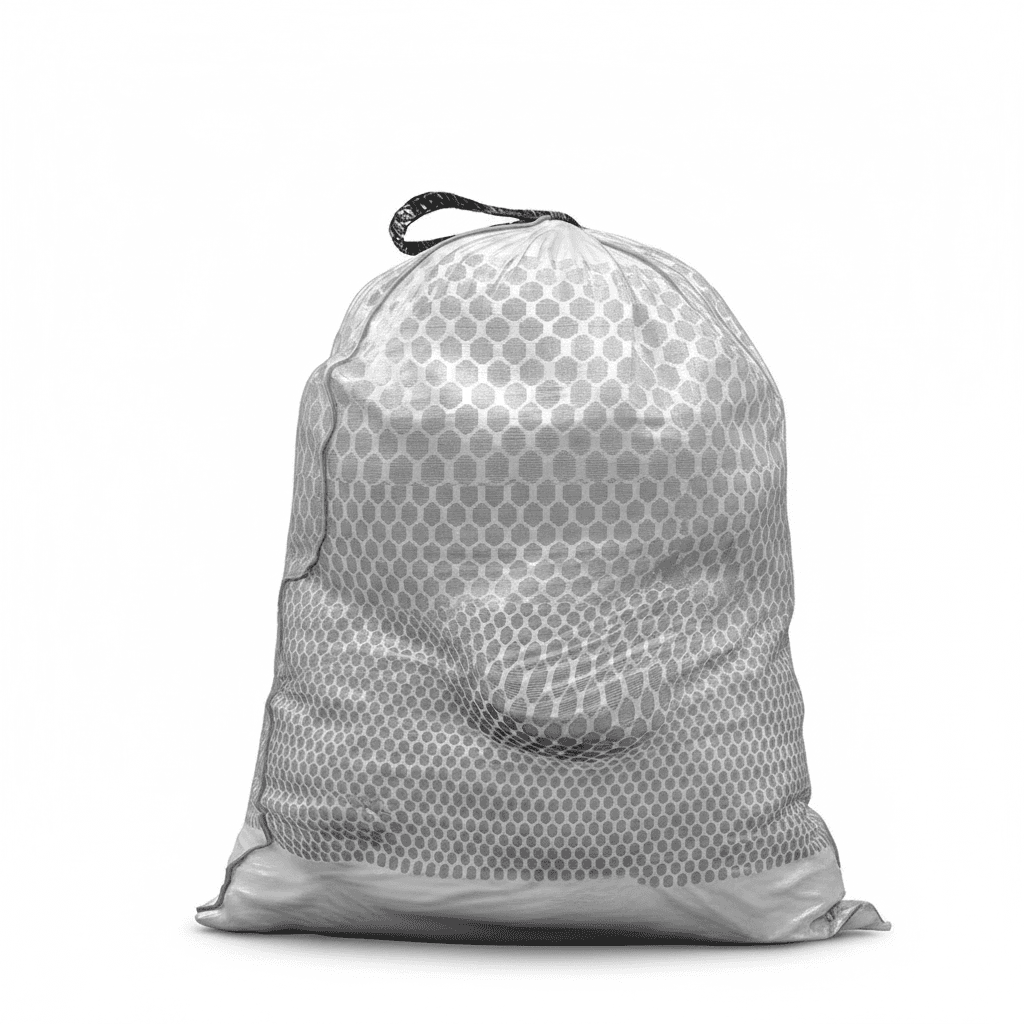 Out of stock
Waste & Recycling
The first step is choosing a container that matches your waste volume and type. Capacity, measured in litres, is a primary consideration. A small workshop may only need smaller bins, while a larger facility might require high-capacity wheeled containers for centralised collection points.
Material and design are also important. High-density polyethylene (HDPE) is common for its resistance to impact, chemicals, and weather, making it suitable for both indoor and outdoor use. For specific environments, consider features like lockable lids to secure waste, colour-coding for recycling streams, or pedal operation for hands-free use in hygiene-sensitive areas.
The liner must be matched to the container and the waste it will hold. The most specification for heavy duty bin bags is the material and its thickness, often measured in gauge or microns. A higher number indicates a thicker, stronger bag.
Low-density polyethylene (LDPE) is flexible and offers good puncture and tear resistance, making it ideal for trade waste with sharp or irregular edges, such as construction debris or metal offcuts. High-density polyethylene (HDPE) provides excellent strength and requires less material, but it can tear more easily once punctured. It is often used for general commercial waste without sharp contents.
Properly segregating trade waste is often a legal requirement. Using a colour-coded system for bins and bags is the standard method for separating different waste streams like general waste, mixed recycling, glass, and food waste. This practice helps avoid cross-contamination and ensures compliance with local and national regulations.
Always verify the specific requirements for your industry and region. Commercial waste regulations can dictate not only the colours used but also the types of containers and liners permitted for certain materials. Check the product datasheet for any specific ratings and consult your local waste authority for guidance.
Buying guide
We use cookies. Some keep the store working, others show us what to fix. No third-party trackers, and we never sell your data. Learn more about cookies and your privacy