Tie-Downs
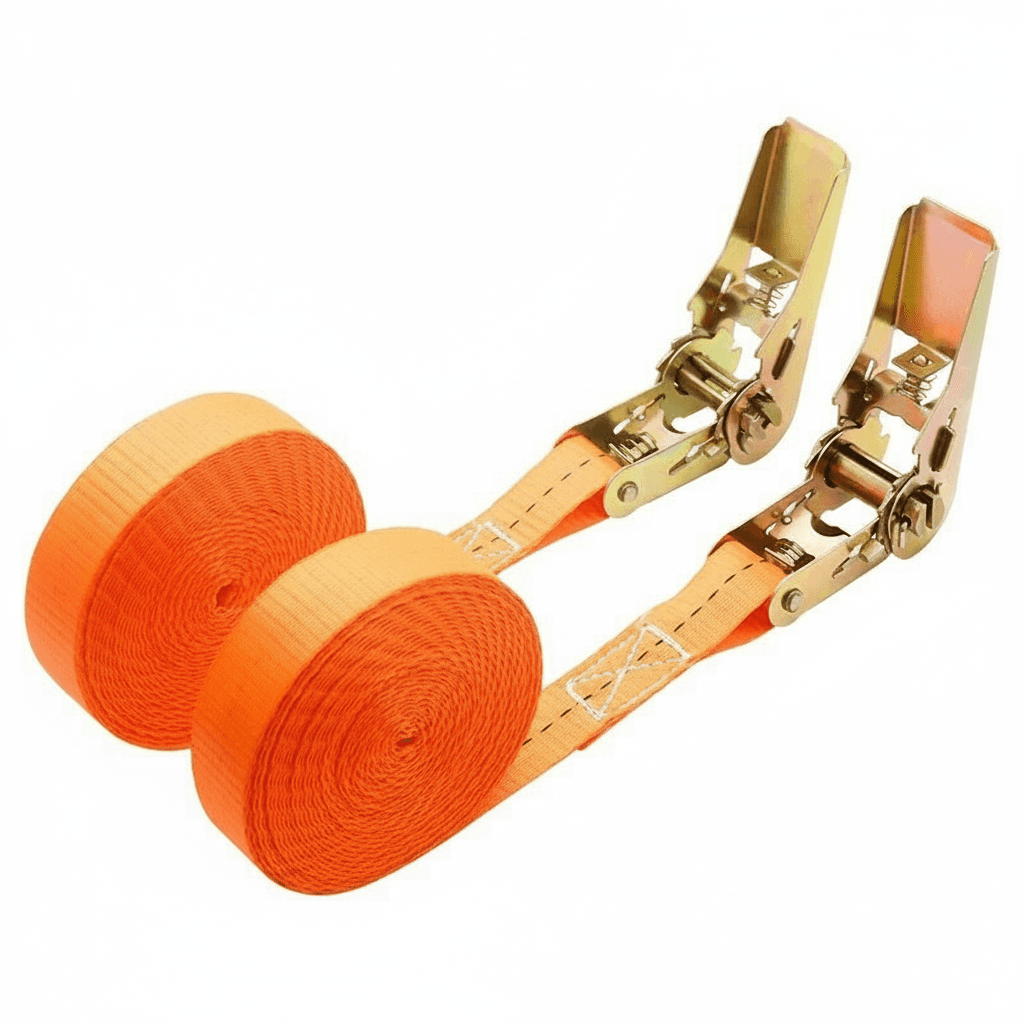
2-Pack Ratchet Strap Set | 3m x 2.5cm Tie-Downs | Metal Buckle Lashing
CMP-04604TIED-00001
£35.99
2 products available
Tie-downs are used for securing loads during transport and storage in industrial environments. These load securing straps, including ratchet straps and cam buckle straps, prevent shifting and damage to goods, equipment, and machinery. They are used daily in logistics, manufacturing, and on-site trade work to ensure operational safety and efficiency.
Compel provides a focused selection of professional-grade cargo tie downs. Our range centers on heavy duty tie downs with ratchet mechanisms for achieving high tension and maximum load security. Featuring durable metal buckles and standard dimensions (3m length, 2-2.5cm width), these straps are specified for common industrial securing tasks. Find reliable, straightforward solutions for your load control needs here.
The mechanism determines how you tighten the strap and the tension it can hold. Ratchet straps use a winding mechanism to apply significant force, making them ideal for securing heavy or unstable cargo that must not shift during transport. The ratchet locks securely to maintain tension over long distances.
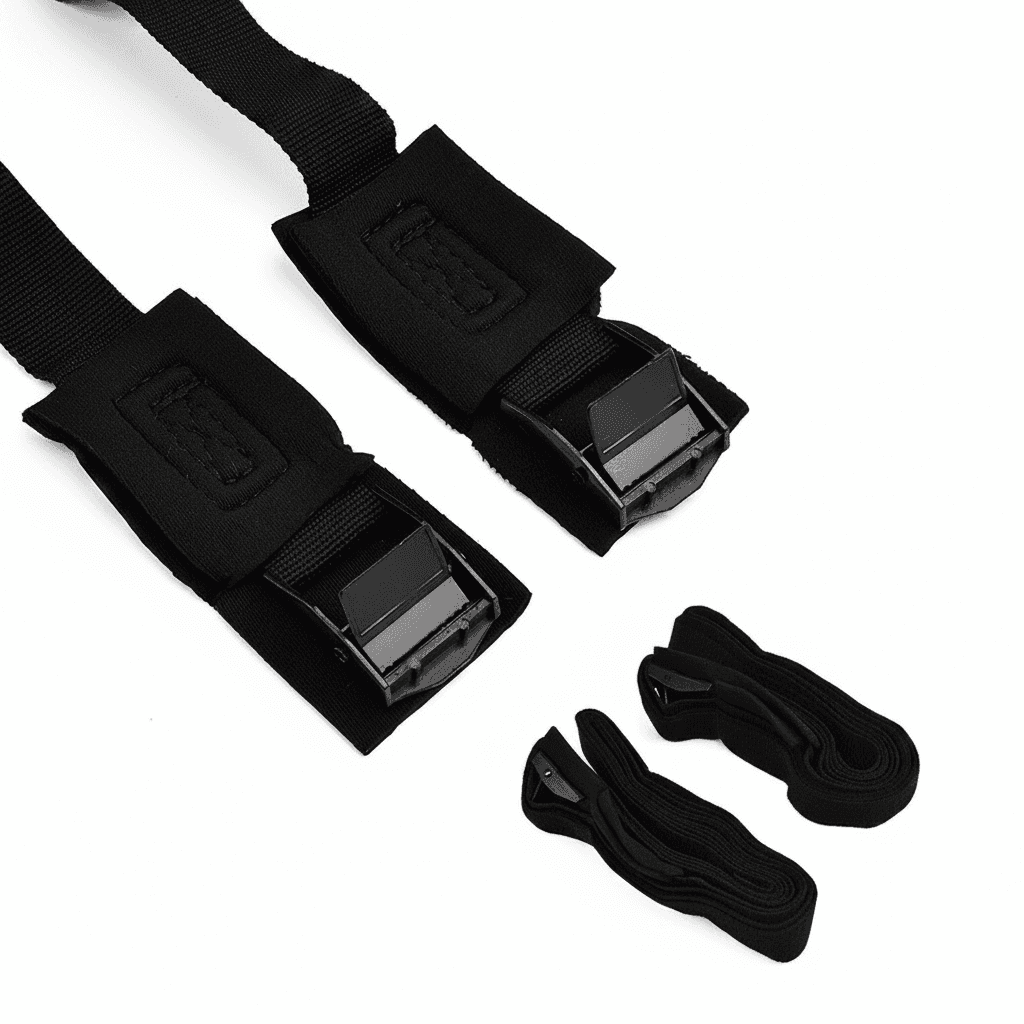
Cam buckle straps use a simpler, spring-loaded buckle that locks on the webbing via friction. They are faster to use and prevent over-tightening, which is useful for more fragile items. Our selection is focused on ratchet straps, designed for applications where high tension and security are the primary requirements.
The dimensions of a tie-down strap directly relate to its application. Strap width is a general indicator of its strength; wider straps typically have a higher load capacity. Our straps come in widths of 2 cm and 2.5 cm, suitable for securing equipment, bundling materials, or fastening goods to pallets and vehicle anchor points.
Length determines the size of the object you can secure. A 3-meter length, as found in our range, is a practical size for securing loads within commercial vans, on utility racks, or around standard pallets. Always measure the path the strap will take and allow extra length for the tensioning mechanism.
The durability of a tie-down depends on its components. Our ratchet straps feature metal buckles designed to withstand the high forces applied during tensioning and to resist wear from repeated use in industrial settings.
The webbing is the part of the strap that bears the load and endures abrasion. While specific material compositions vary, industrial-grade webbing is typically made from synthetic polymers that resist stretching, water absorption, and UV degradation. For compliance with specific environmental or chemical resistance needs, always check the datasheet for the exact material specifications.
Buying guide
We use cookies. Some keep the store working, others show us what to fix. No third-party trackers, and we never sell your data. Learn more about cookies and your privacy