
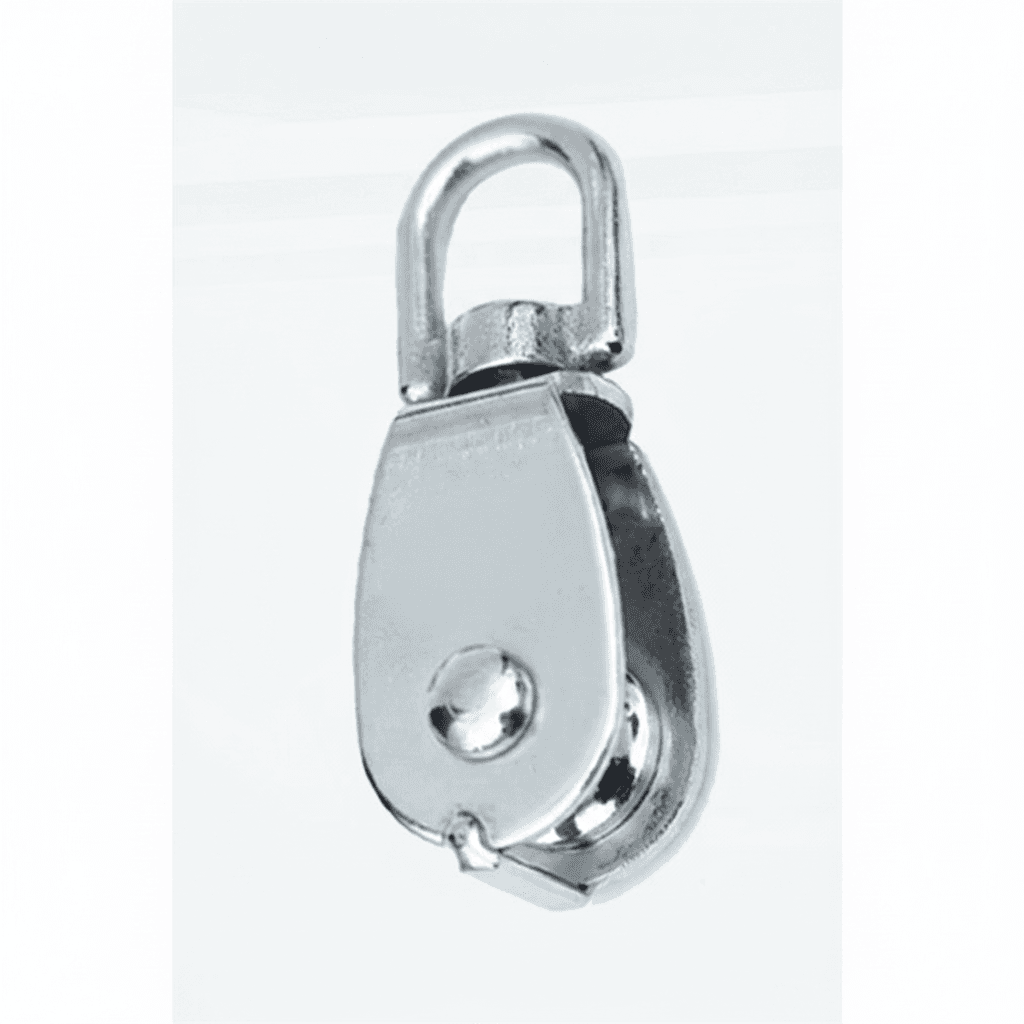
Snatch Blocks
Block Pulley | Swiveling Shackle Head | M25 High Load Marine Rigging
CMP-04585SNAT-00001
£24.99
3 products available
Snatch blocks are specialized pulley blocks designed to quickly attach to a cable or wire rope. Their key feature is a hinged side plate that opens, allowing the rope to be inserted without needing to thread it from the end. This design is ideal for redirecting a winch line or increasing its pulling power in industrial lifting, marine rigging, and vehicle recovery operations.
Compel supplies a focused selection of snatch blocks for professional trades. Our inventory includes stainless steel pulley blocks for marine environments and heavy duty snatch blocks for truck and tractor towing. Each product listing provides clear specifications for load capacity, material, and sheave size, ensuring you can select the correct component for your machinery and safety requirements.
3 products in Snatch Blocks
Snatch Blocks
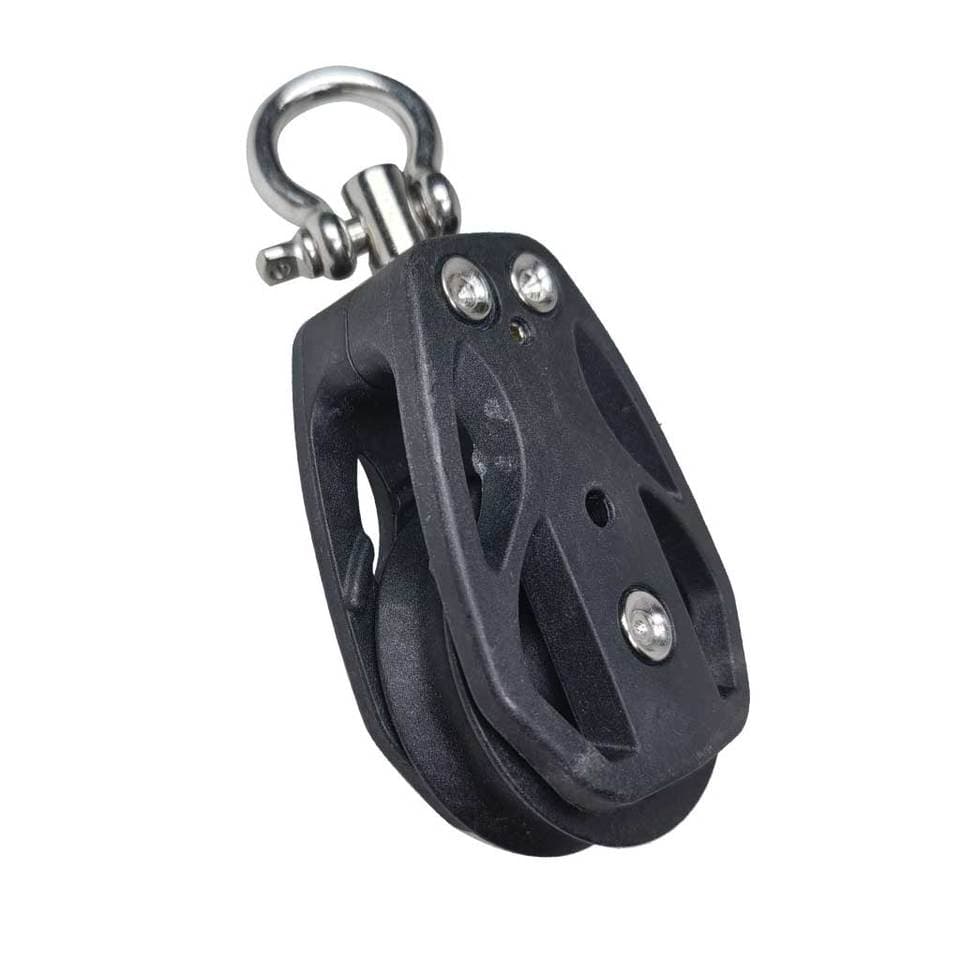
Snatch Blocks
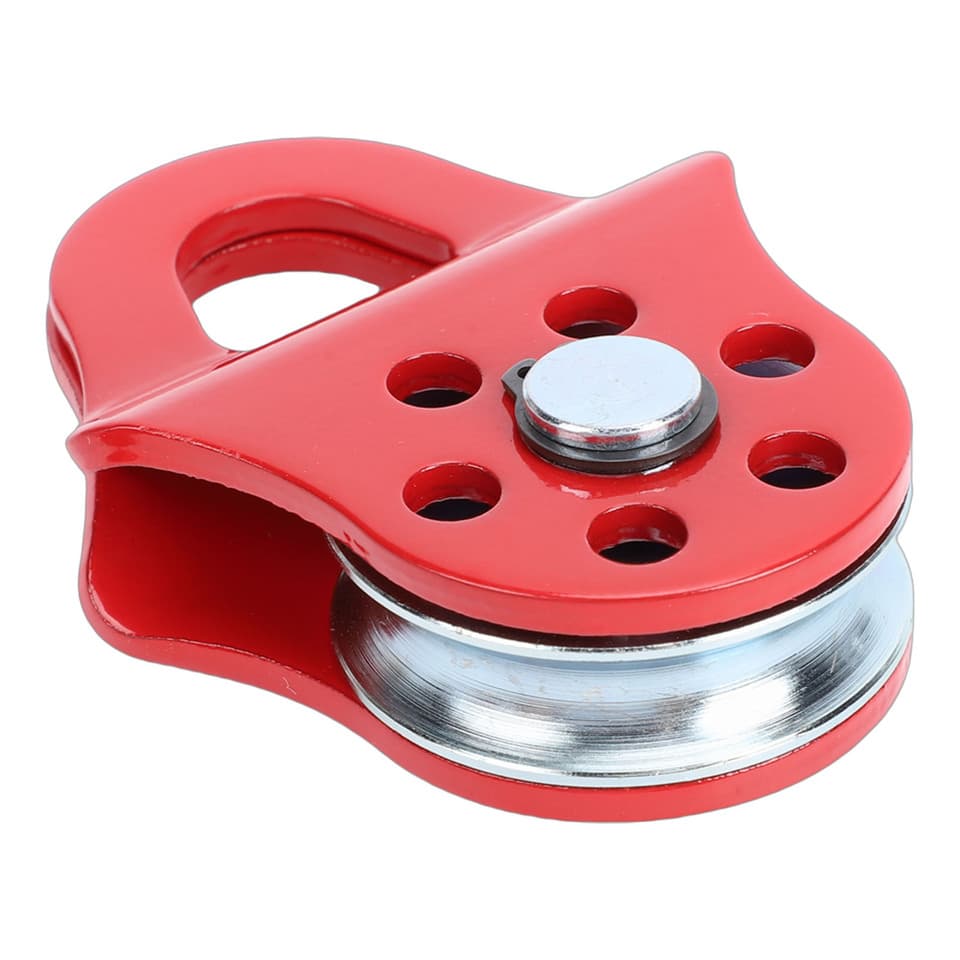
Snatch Blocks
The first step is to match the block to its intended use. A recovery snatch block for vehicle towing is built to handle high, intermittent shock loads, often specified in tons or pounds. In contrast, a block for sailboat rigging is designed for sustained high loads and corrosion resistance in marine settings.
Always select a snatch block with a Working Load Limit (WLL) that safely exceeds the maximum force you expect in your operation. For vehicle recovery, this calculation must account for the vehicle's weight plus resistance from terrain. For lifting, the WLL must be greater than the weight of the object being hoisted. This rating is the most important safety specification.
Material choice is dictated by the operating environment. Stainless steel is the standard for marine and saltwater applications due to its excellent corrosion resistance. For general industrial or vehicle recovery use, painted or coated steel provides adequate durability.
The head or shackle type affects how the block connects to an anchor point. A swiveling shackle head allows the block to orient itself with the load, preventing the wire rope from twisting. This is common in both marine rigging and dynamic recovery scenarios. Check the product datasheet to confirm the shackle type meets your rigging needs.
A wire rope snatch block must be correctly sized for the line it will carry. The sheave, or pulley wheel, has a groove designed for a specific range of rope diameters. Using a rope that is too large or too small for the sheave can damage both the line and the block, and significantly reduce its load capacity.
Sheave sizes are often specified by a metric designation (e.g., M25) or by the compatible rope diameter. Always verify this specification on the product datasheet to ensure a secure fit and safe operation.
Buying guide
We use cookies. Some keep the store working, others show us what to fix. No third-party trackers, and we never sell your data. Learn more about cookies and your privacy