Shackles
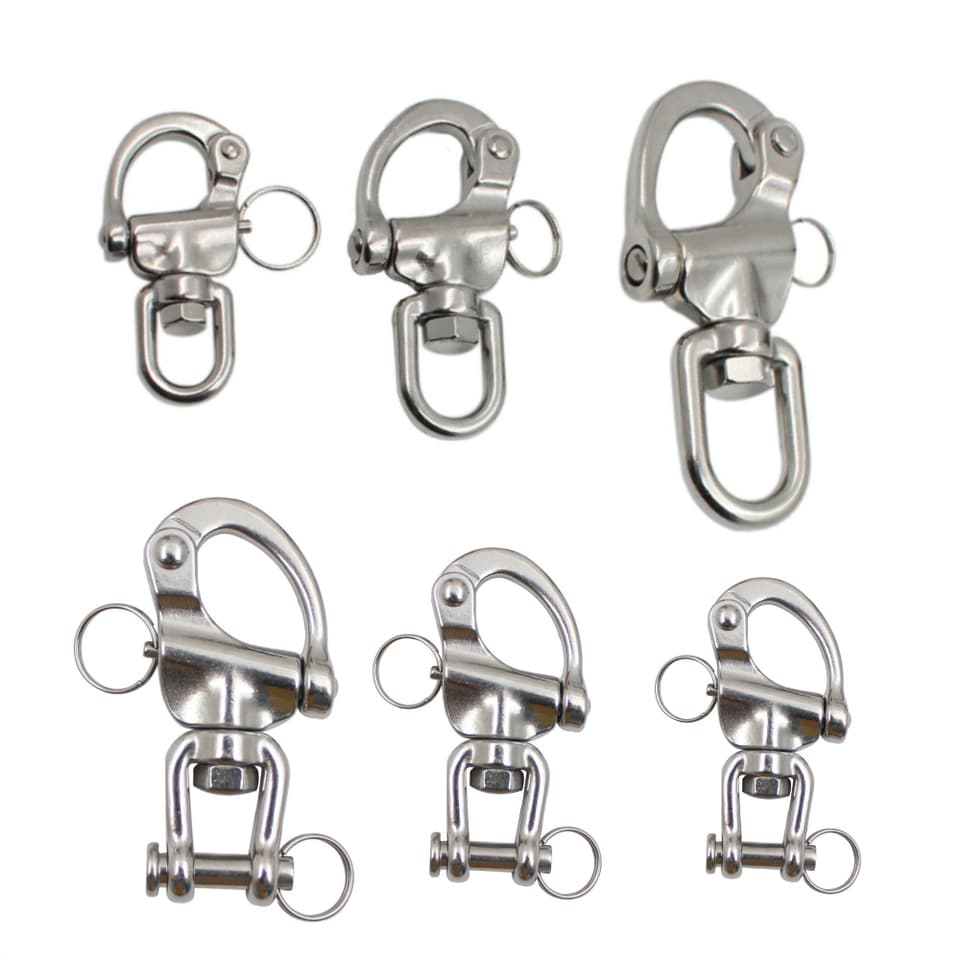
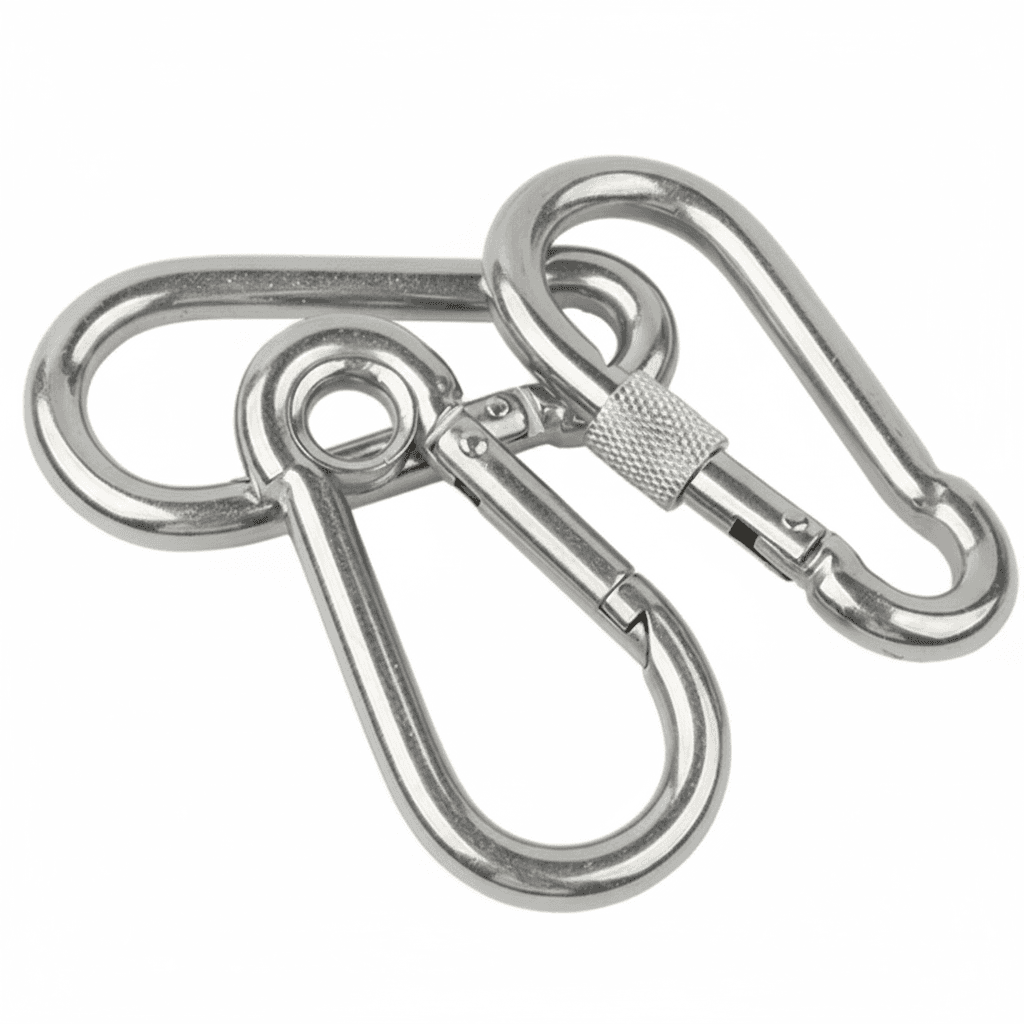
Bow Shackle Hook | M4-M8 Spring Gate | Quick Link Chain Fastener
CMP-04571SHAC-00001
£35.99
3 products available
Shackles are fundamental connectors used in a wide range of rigging, lifting, and securing systems. These U-shaped metal links are closed by a pin, forming a secure attachment point for chains, ropes, and slings. They are indispensable in industrial machinery, marine rigging, and material handling operations. Compel supplies a focused selection of rigging shackles for professional trade and industry use.
Our inventory includes common types such as bow shackles and dee shackles, also known as d shackles. We provide components made from materials like 304 stainless steel, suitable for applications requiring corrosion resistance. With clear technical specifications listed for every item, you can confidently source the correct screw pin shackles or other fasteners for your specific industrial application.
3 products in Shackles
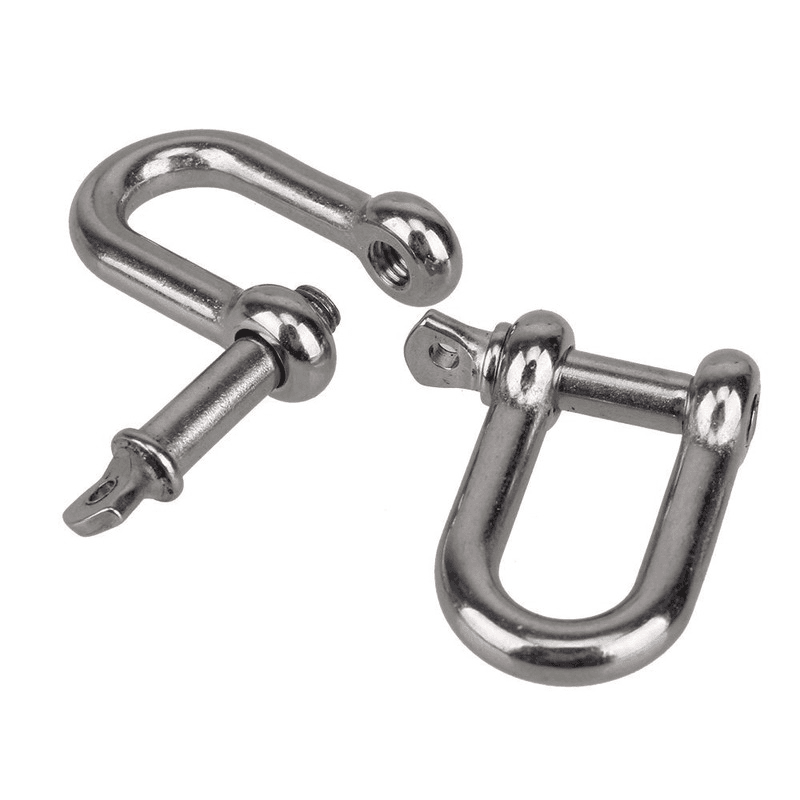
The first decision is the shape of the shackle body. The two primary types are bow shackles and dee shackles.
Bow shackles have a larger, rounded 'O' shape. This design allows them to handle loads from multiple angles, making them suitable for connecting multi-leg slings to a single hook. Dee shackles, or d shackles, have a narrower 'D' shape, similar to a loop of chain. They are designed for straight, in-line pulling and should not be side-loaded.
The pin is the component that closes the shackle. Screw pin shackles are common for applications that require frequent connection and disconnection. The pin threads directly into the shackle body, allowing for quick and easy removal.
Other fasteners, such as spring-gate hooks and quick links, are available for light-duty securing and connecting chains. These are not intended for the heavy or dynamic loads that a standard lifting shackle is designed to bear. Always confirm the fastener type matches your application's security and load requirements.
Material choice depends entirely on the operating environment. Our shackles are available in specified materials to meet distinct industrial needs.
304 stainless steel provides very good corrosion resistance. This makes it a standard choice for marine rigging, food processing, and outdoor applications where exposure to moisture is constant. Iron is a base material whose performance depends on its finish. For corrosion resistance, an iron shackle must have a protective coating, such as galvanization. Always check the product listing to confirm the exact material and any protective coatings.
Buying guide
We use cookies. Some keep the store working, others show us what to fix. No third-party trackers, and we never sell your data. Learn more about cookies and your privacy