
Quick Couplers
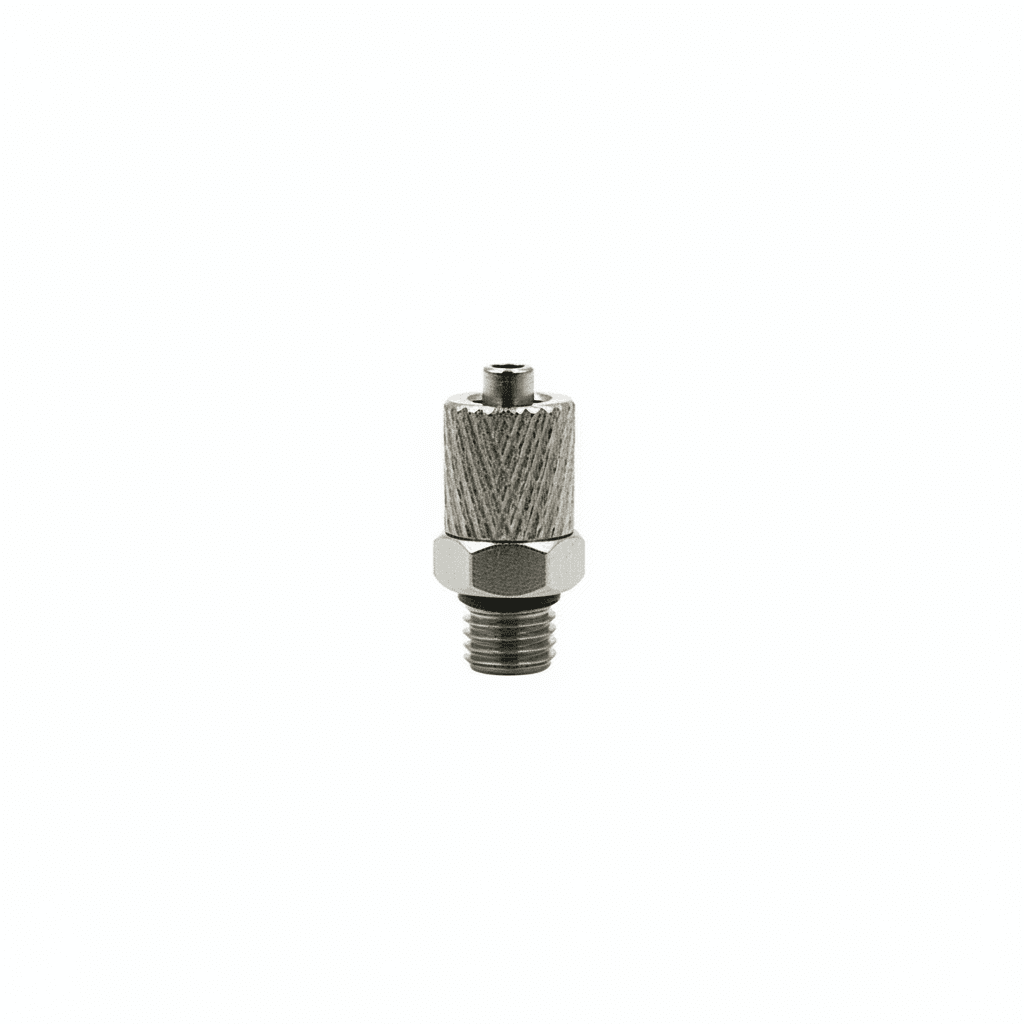
Hydraulic Coupler | M5-4mm Oil Connector | For RC Model Oil Cylinder
CMP-04536QUIC-00001
£56.99
3 products available
Quick couplers provide a fast, tool-free method for connecting and disconnecting fluid lines in industrial systems. Also known as quick release couplings, they are fundamental components in hydraulic and pneumatic circuits, enabling efficient maintenance and equipment changeovers. They are used by maintenance technicians, machine builders, and field service engineers working with pressurized fluid or air lines.
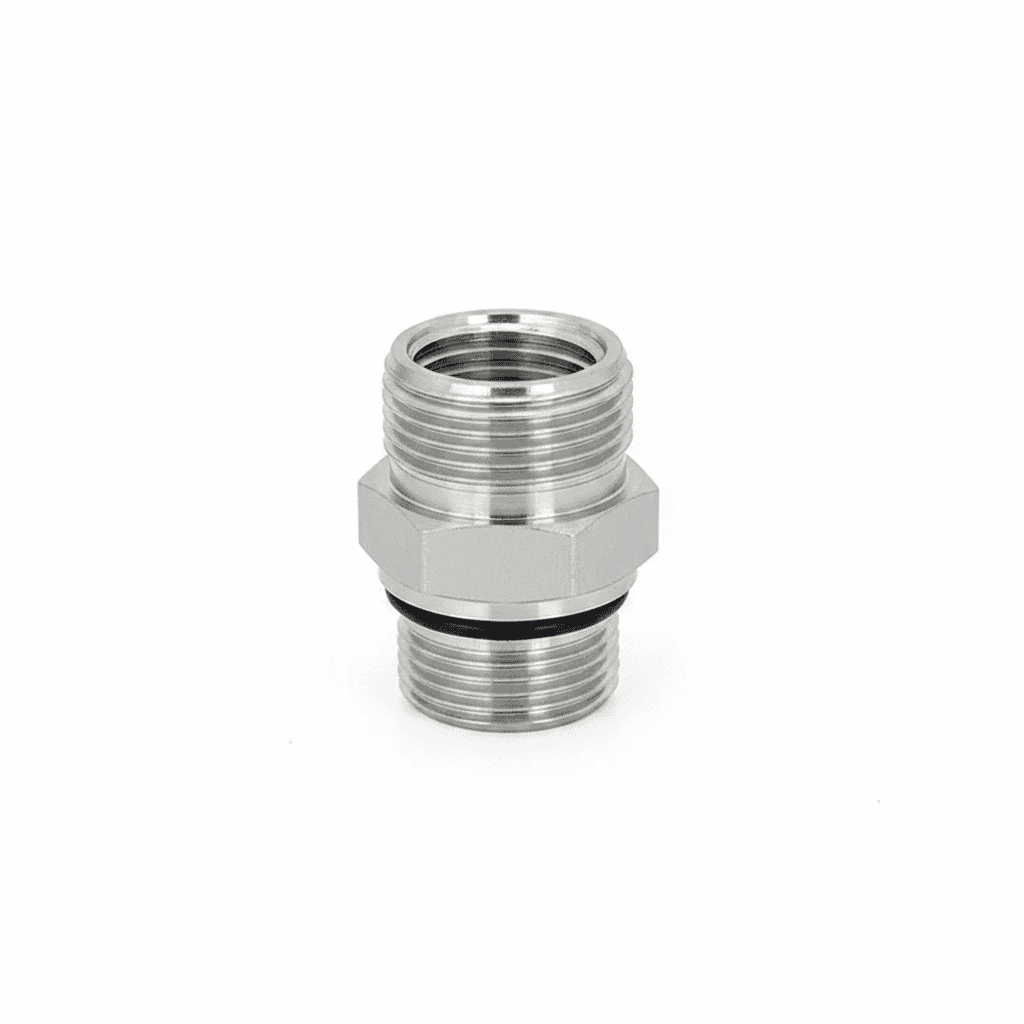
Compel supplies a focused range of hydraulic quick couplers for specific industrial and machinery applications. Our selection includes specialized items like thread transition adapters for joining BSP and Metric systems, micro connectors for small-scale oil cylinders, and dedicated brake bleeding couplers. For reliable performance in your hydraulic system, we provide components built from specified materials like high-strength carbon steel.
3 products in Quick Couplers
Quick Couplers
Quick Couplers
Quick Couplers
The first step is to identify your system's medium: liquid or gas. Hydraulic quick couplers are designed for high-pressure liquid systems, such as hydraulic oil circuits in machinery. They are typically constructed from high-strength materials like carbon steel to withstand extreme pressures. Their design prioritizes sealing integrity to prevent fluid leaks.
Pneumatic quick couplers are used for compressed air lines. While they also provide a secure connection, they are generally designed for lower pressures than hydraulic equivalents. Their focus is on maximizing airflow (measured in CFM or l/min) and minimizing pressure drop. Always check the product's pressure rating and material compatibility for your specific fluid or gas.
Ensuring a correct fit is a primary concern. Couplers come with male or female connections and must match your existing hoses or ports. Thread standards are a common point of failure. Industrial equipment often uses different standards, such as BSP (British Standard Pipe) and Metric.
If your machinery uses incompatible threads, a thread adapter is the correct solution. For example, a BSP-to-Metric transition joint allows you to connect components without replacing entire hose assemblies. Other connection styles, like camlock quick couplers or flat face quick couplers, offer different benefits. Flat face designs are particularly useful for minimizing spillage and preventing contamination.
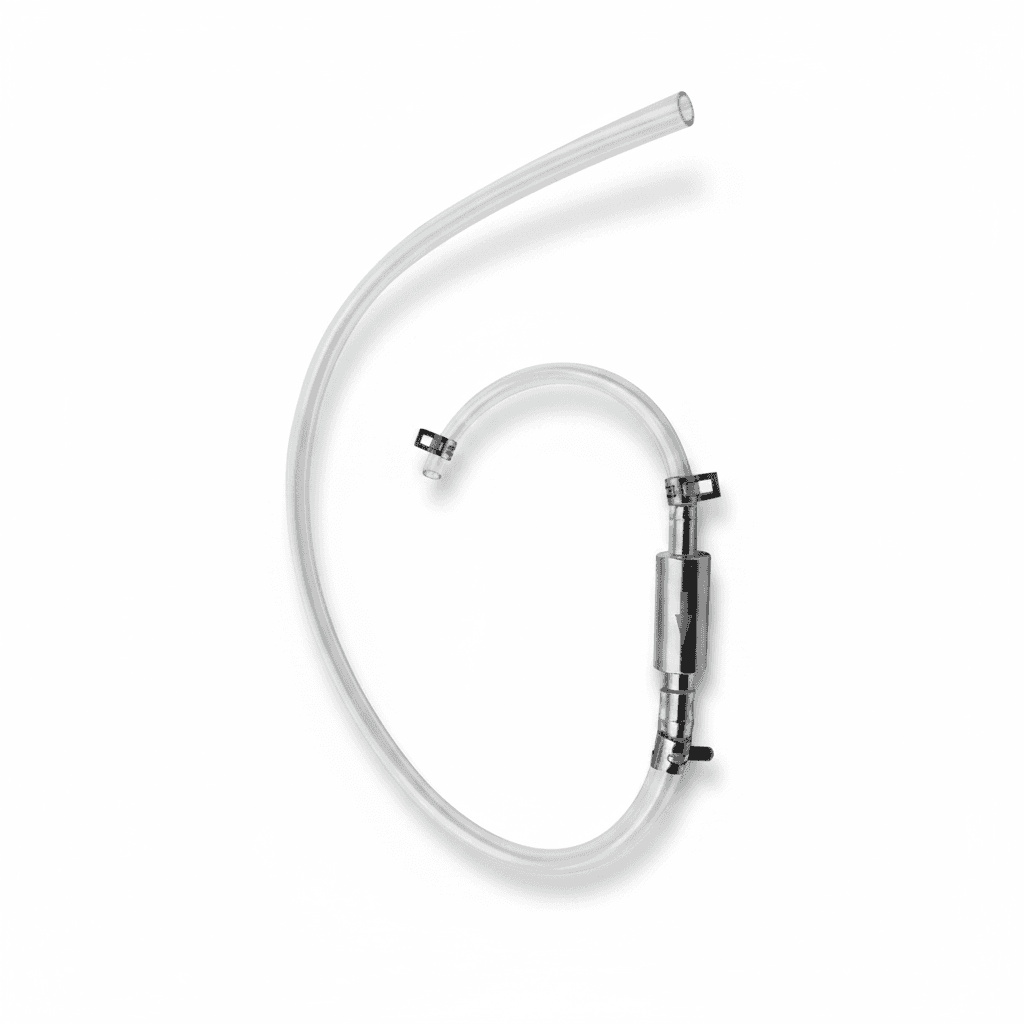
Many quick couplers are designed for specific tasks. A general-purpose hydraulic coupler may not be suitable for specialized work. For example, brake system maintenance requires a bleeder hydraulic coupler. These tools feature no-leak seals built for the repeated connections needed during brake bleeding and oil changes.
Size is also a key factor. A micro hydraulic coupler, such as an M5-4mm connector, is intended for small-scale applications like RC models or miniature oil cylinders. These are not built for the high flow rates and pressures of large industrial machinery. Always match the coupler's specifications to the demands of its intended use case.
Buying guide
We use cookies. Some keep the store working, others show us what to fix. No third-party trackers, and we never sell your data. Learn more about cookies and your privacy